

Shopping for AA alkaline batteries doesn't have to drain your wallet. With so many brands, pack sizes, and retailers out there, figuring out the best deal can feel overwhelming. Whether you're stocking up for your home, office, or business, getting the right price matters just as much as getting reliable power.
We've done the legwork for you by comparing prices across major retailers, analyzing bulk discount options, and breaking down what you're actually paying per battery. From premium brands like Duracell and Energizer to budget-friendly options that don't sacrifice performance, we'll show you exactly where your money goes and how to maximize your savings. Let's dive into everything you need to know about AA alkaline battery pricing in 2025.
AA Alkaline Battery Pricing
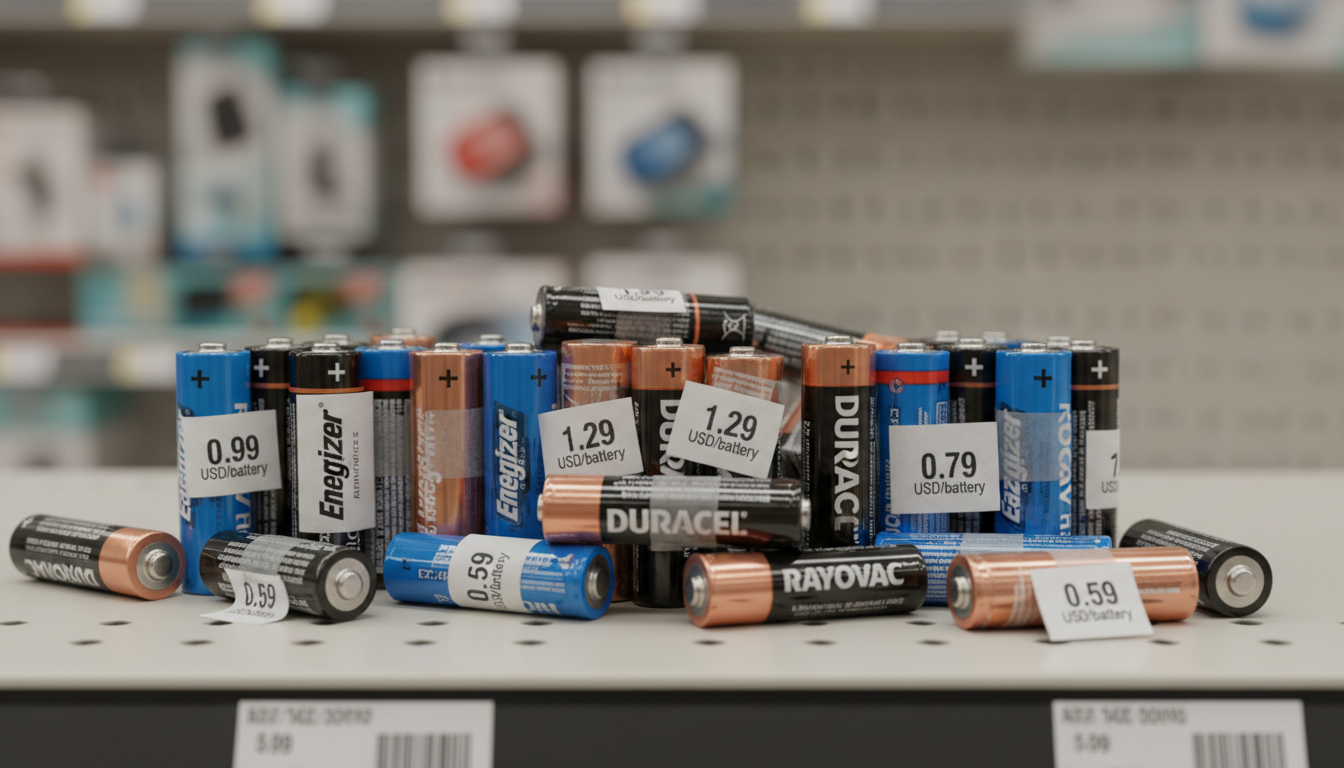
The price of AA alkaline batteries varies widely depending on brand, quantity, and where you buy them. Premium brands typically cost around $14.99 for 48-pack options, while single-use retail packs can cost significantly more per battery. When we talk about battery pricing, the most useful metric is the cost per battery rather than the total pack price.
Budget options like Amazon Basics are available with prices ranging from 75p per battery down to 30p depending on the quantity you opt for, making them some of the most affordable choices on the market. The sweet spot for most households falls between $0.30 and $0.50 per battery when buying in moderate bulk quantities.
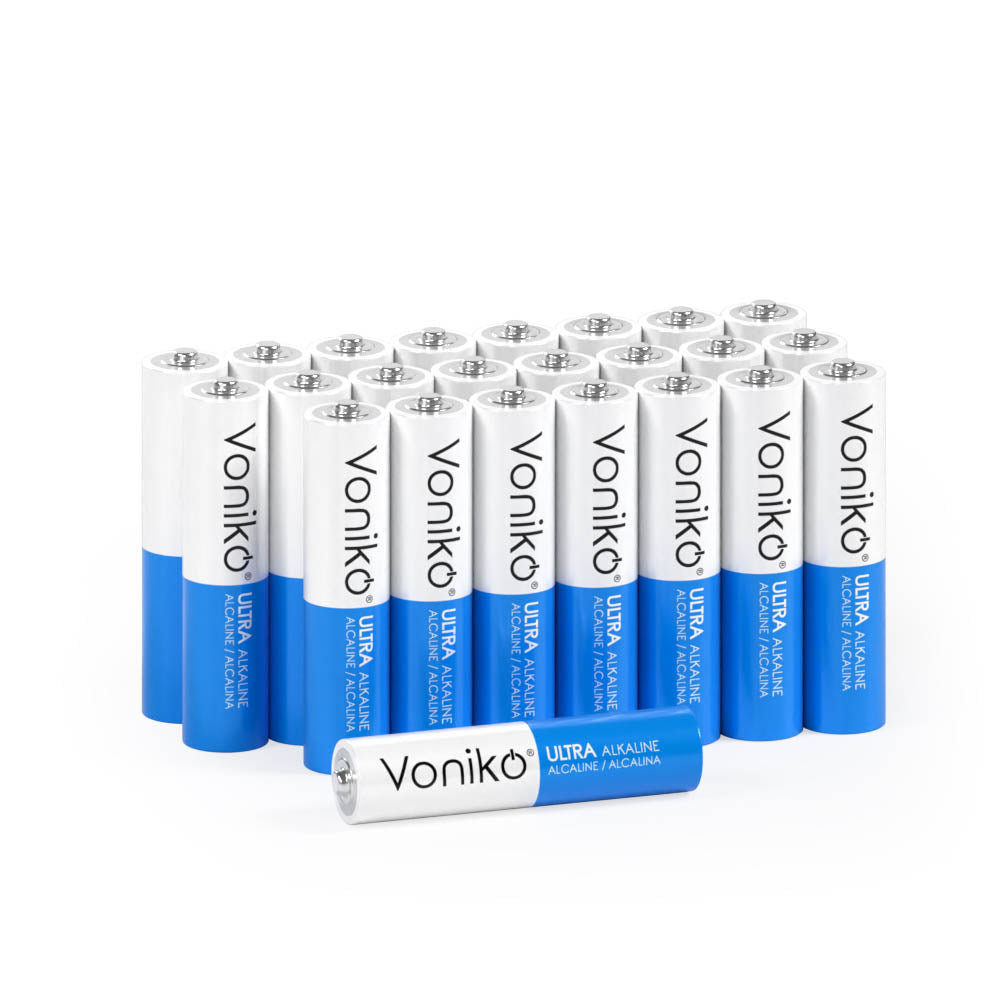
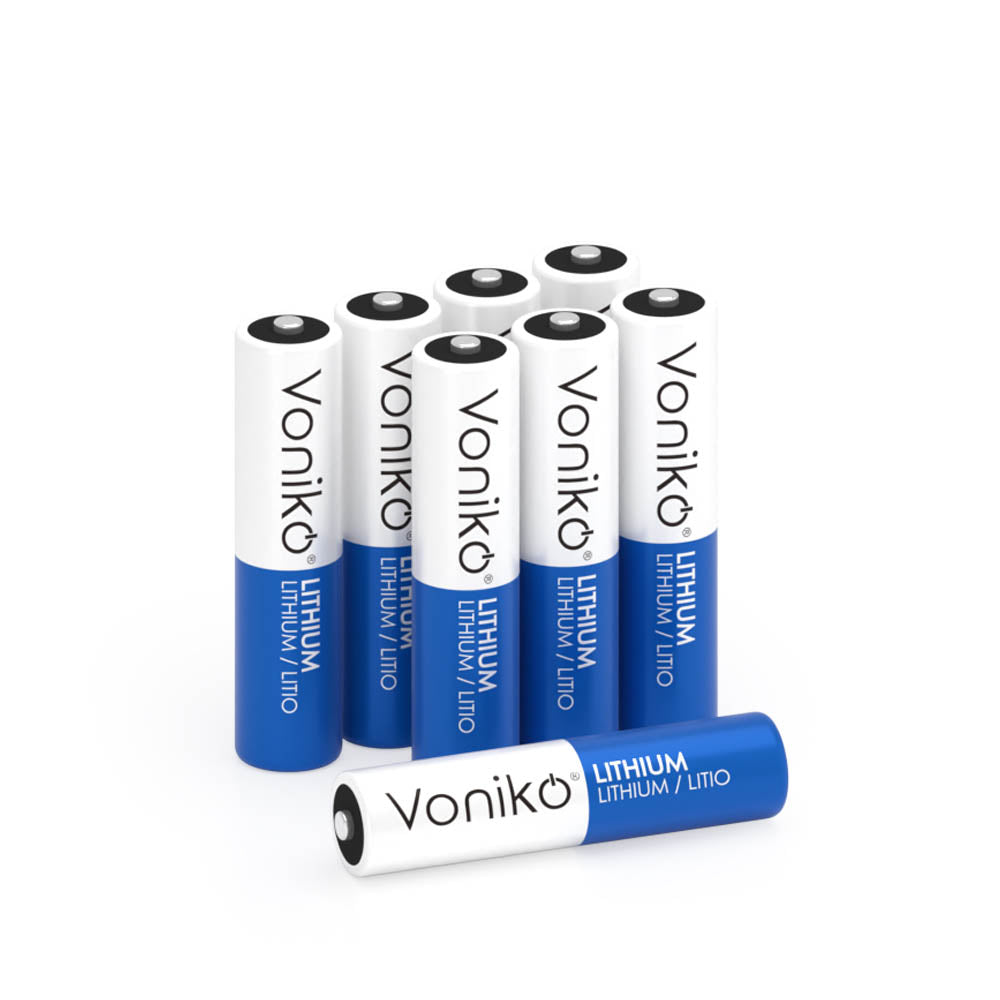
Understanding these pricing tiers helps you make smarter purchasing decisions. Premium batteries from brands like Voniko often justify their higher price point with superior performance and longer shelf life, while budget options work perfectly fine for low-drain devices like TV remotes and wall clocks.
Brand Name Battery Prices: Duracell & Energizer
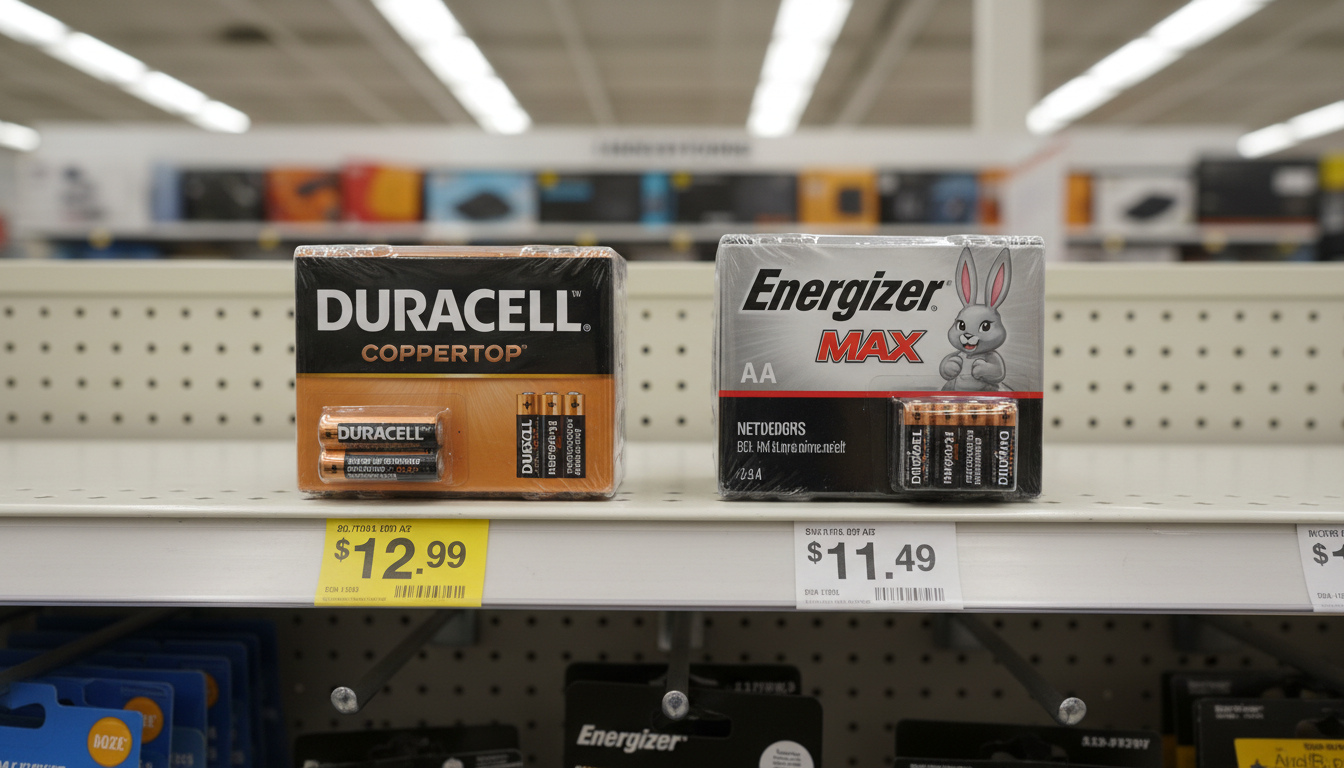
Duracell and Energizer dominate the AA battery market, and their pricing reflects their reputation for reliability. Duracell batteries at Home Depot cost approximately $20.87 for a 24-pack, which works out to 87¢ per battery. At other retailers, you'll find similar pricing structures with slight variations.
Walmart offers Duracell Coppertop AA batteries in a 24-pack for $18.65, making it one of the more competitive options for this premium brand. The Duracell Coppertop line features their POWER BOOST technology, which many professionals and households trust for demanding devices.
Energizer batteries compete closely on price. Energizer Industrial AA batteries are available in 24-packs for $11.49, which equals $0.48 per battery. This industrial line offers excellent value for businesses and heavy users. Both brands offer 10-year shelf life guarantees and leak-free storage, which adds to their overall value proposition despite higher upfront costs.
If you're looking for quality alkaline batteries that balance performance and price, these name brands consistently deliver, especially for high-drain devices like digital cameras, motorized toys, and wireless gaming controllers.
Budget-Friendly AA Battery Options
Not everyone needs premium batteries, and that's where budget options shine. Amazon Basics alkaline batteries offer a good compromise between price and performance, with testing showing these batteries with an initial capacity of 1376mAh, which is only slightly behind the Duracell Plus AA.
Store brands from retailers like HDX at Home Depot and ACDelco provide even more savings. ACDelco offers 40-count double AA batteries as a maximum power super alkaline option with a 10-year shelf life in reclosable packaging. These value packs often cost 30-40% less than name brands while still delivering dependable performance.
Here's a breakdown of budget battery pricing:
| Brand | Pack Size | Total Price | Price Per Battery |
|---|---|---|---|
| Amazon Basics | 48-pack | $14.99 | $0.31 |
| ACDelco | 40-pack | ~$12.00 | $0.30 |
| HDX | 60-pack | ~$18.00 | $0.30 |
| Rayovac | 24-pack | $9.00 | $0.38 |
For everyday household items like clocks, TV remotes, and small flashlights, these budget batteries deliver outstanding value. They work especially well when you're buying for low-drain devices that don't require the maximum capacity that premium batteries provide.
Bulk Discounts & Wholesale Pricing
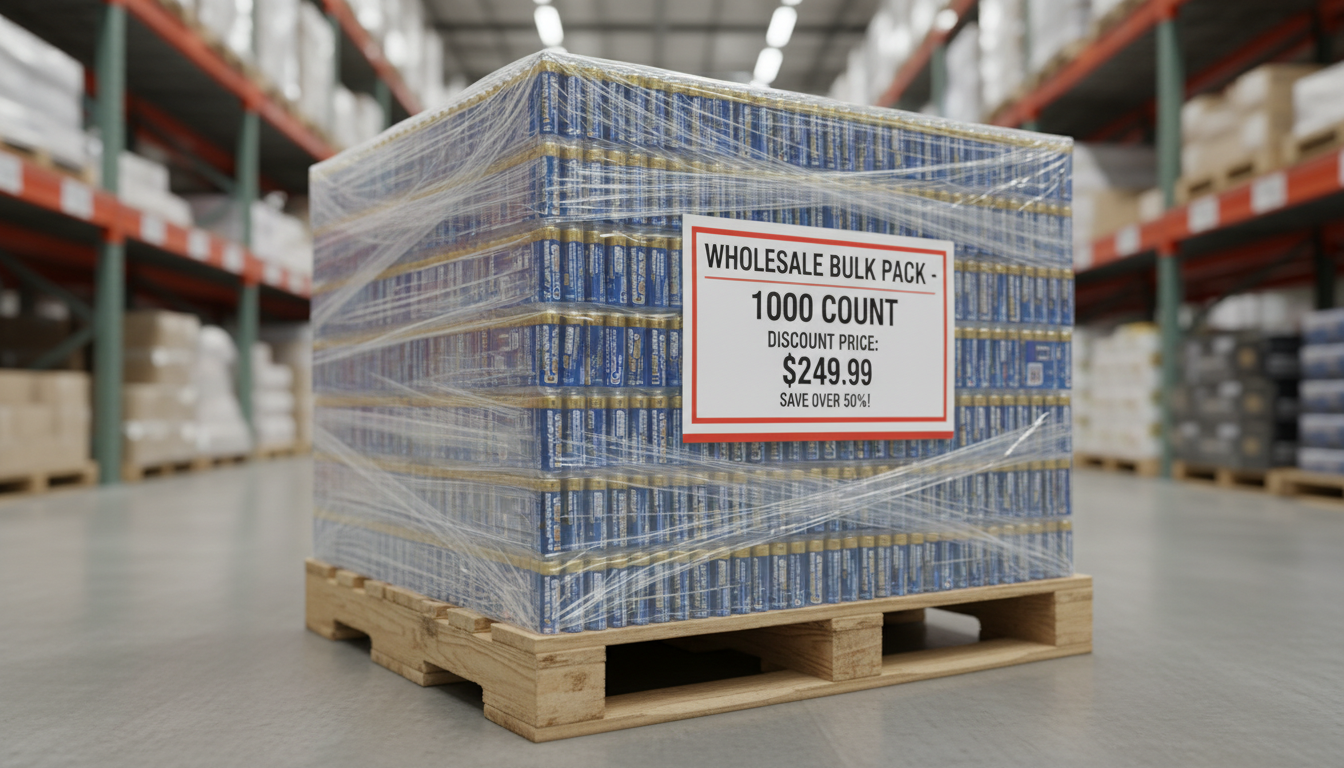
Buying in bulk can dramatically reduce your per-battery cost, especially for businesses, schools, or large households. Battery retailers offer bulk pricing on AA alkaline batteries for unbeatable deals, with bulk discounts of up to 43%. These savings compound when you're purchasing hundreds of batteries.
Rayovac Alkaline AA Industrial batteries are available in 288-case quantities for $98.99, which equals $0.34 per battery, while Medic Batteries offers AA bulk batteries at 20-50% off retail prices. Wholesale suppliers recognize that professional users need consistent, affordable power solutions.
The key to maximizing bulk savings is understanding your actual consumption. If you run through dozens of batteries monthly, investing in bulk quantities makes financial sense. Most bulk batteries still maintain excellent shelf life—AA alkaline batteries boast an impressive shelf life of up to 10 years, making them perfect for long-term storage and emergency preparedness.
For businesses looking to stock up, consider wholesale suppliers who specialize in batteries. They often provide tiered pricing where larger orders yield greater per-unit savings, sometimes dropping costs below $0.30 per battery when ordering case quantities.
Price Comparison Across Major Retailers
Where you buy your batteries matters almost as much as which brand you choose. We've compared prices across major retailers to help you find the best deals:
Amazon offers competitive pricing on both name brands and their own Amazon Basics line, with the convenience of subscribe-and-save discounts that can reduce costs by an additional 5-15%. Prime members also benefit from free shipping on battery purchases.
Home Depot and Walmart frequently run promotions on batteries, especially during back-to-school season and holidays. Home Depot sells Duracell Coppertop alkaline AA batteries in 10-packs for $10.28, which equals $1.03 per battery. Their larger pack sizes offer better value, typically ranging from $0.70 to $0.90 per battery.
Warehouse clubs like Sam's Club and Costco provide excellent value for members. Large pack sizes—often 48 to 144 batteries—bring per-unit costs down significantly. The trade-off is that you need to buy more upfront, but the savings justify it for regular users.
Specialty battery retailers like Batteries Plus and Battery Products cater to professional users with industrial-grade options and flexible quantity ordering. They might cost slightly more per battery but offer specialized products not available at general retailers.
Don't overlook dollar stores for emergency backup batteries, though quality can be inconsistent. For reliable, everyday use, stick with major retailers or trusted battery manufacturers who guarantee their products.
Cost Per Battery: Breaking Down the Math
Understanding cost per battery helps you make apples-to-apples comparisons regardless of pack size. Here's how the math works:
A 4-pack costing $4.00 equals $1.00 per battery. A 48-pack costing $15.00 equals roughly $0.31 per battery. The savings become obvious—you're paying less than one-third the price by buying in larger quantities.
Amazon Basics Alkaline AA batteries avoid the budget trap, as these are undoubtedly cheap batteries, particularly when bought in bulk. This demonstrates how bulk purchasing transforms "cheap" from a quality concern into a financial advantage.
Premium vs. Budget Cost Breakdown:
- Small packs (4-10 batteries): $0.90-$1.25 per battery (premium), $0.60-$0.85 (budget)
- Medium packs (20-30 batteries): $0.70-$0.90 per battery (premium), $0.35-$0.50 (budget)
- Large packs (48-100 batteries): $0.30-$0.50 per battery (premium), $0.25-$0.35 (budget)
- Wholesale/Case quantities: $0.30-$0.40 per battery (premium), $0.20-$0.30 (budget)
The cost difference between premium and budget batteries narrows considerably when buying larger quantities. A 100-pack of premium batteries might only cost $0.10-$0.15 more per battery than budget options, making the performance upgrade more affordable.
When Premium Pricing Makes Sense
Not all battery purchases should be driven solely by the lowest price. Premium batteries justify their higher cost in specific situations. Duracell Plus AAs are easily the best set of batteries tested, although their power comes at quite a high cost, with rigorous testing showing 176mAh of additional charge resulting in an impressively high total of 1618mAh.
High-drain devices benefit most from premium batteries. Digital cameras, high-powered flashlights, motorized toys, and professional equipment demand consistent, reliable power. In these applications, Duracell Plus batteries deliver serious juice for devices that demand it. The extra capacity means fewer battery changes and better device performance.
Consider premium batteries for:
- Safety devices like smoke detectors and carbon monoxide alarms
- Medical equipment requiring consistent power
- Professional tools where failure isn't acceptable
- Emergency kits where reliability matters most
- High-performance electronics that drain batteries quickly
For these applications, spending an extra $0.20-$0.40 per battery provides peace of mind and better long-term performance. Budget batteries work perfectly fine for TV remotes, wall clocks, and other low-drain devices where the capacity difference won't be noticeable.
Long-Term Value & Shelf Life Considerations
Price per battery today doesn't tell the whole story—you need to consider long-term value. AA alkaline batteries boast an impressive shelf life of up to 10 years, meaning bulk purchases won't go to waste if stored properly.
Quality batteries maintain their charge during storage, while cheaper alternatives may self-discharge or leak. Leaked batteries can damage expensive electronics, potentially costing you far more than you saved on cheap batteries. Premium brands typically offer leak-proof guarantees, with Duracell batteries guaranteed up to 12 years in storage (5 years for 9V batteries).
Storage tips to maximize battery value:
- Keep batteries in their original packaging until needed
- Store in cool, dry locations away from direct sunlight
- Avoid extreme temperature fluctuations
- Check expiration dates before purchasing bulk quantities
- Rotate stock using older batteries first
When you factor in shelf life and reliability, mid-tier brands often provide the best overall value. They cost more than the absolute cheapest options but less than premium brands, while still offering 10-year shelf life and reliable performance. This makes them ideal for stocking up during sales without worrying about waste.
Smart Shopping Strategies for Battery Buyers
Timing your battery purchases strategically can save you 20-40% compared to buying whenever you run out. Major sales events like Black Friday, back-to-school season, and post-holiday clearances offer the deepest discounts on batteries.
Join retailer loyalty programs and subscribe to email newsletters to receive exclusive coupons. Many retailers offer additional discounts when you sign up for auto-delivery or subscribe-and-save programs. These subscriptions typically provide 5-15% off regular prices and ensure you never run out of batteries.
Money-saving strategies:
- Stock up during major sales events (Black Friday, Prime Day)
- Use cashback apps and credit card rewards programs
- Compare unit pricing across different pack sizes
- Consider store brands for low-drain devices
- Buy in bulk with friends or neighbors to split costs
- Check warehouse club memberships for bulk pricing
Price-matching policies at major retailers can also work in your favor. If you find a better price at a competitor, many stores will match it. Keep the competitor's ad or screenshot the online price before heading to the store.
Don't forget about online-only deals. E-commerce platforms often run flash sales or lightning deals on batteries that beat in-store pricing. Set up price alerts on your favorite shopping apps to get notified when battery prices drop.
Frequently Asked Questions
What's the average price for AA alkaline batteries in 2025?
The average price ranges from $0.30 to $0.90 per battery depending on brand and quantity. Budget brands in bulk packs cost around $0.30-$0.35 per battery, while premium name brands in smaller packs can cost $0.80-$1.25 per battery. Mid-range options from trusted manufacturers typically fall between $0.40-$0.60 per battery, offering the best balance of quality and affordability.
Are expensive AA batteries really worth the extra cost?
It depends on your device. Premium batteries deliver significantly more capacity (1500-1650mAh) compared to budget options (1300-1400mAh), making them worthwhile for high-drain devices like digital cameras, gaming controllers, and motorized toys. For low-drain devices like TV remotes and wall clocks, budget batteries perform nearly identically at a fraction of the cost. The key is matching battery quality to your device's power demands.
Where can I find the cheapest AA alkaline batteries without sacrificing quality?
Amazon Basics, store brands from major retailers, and bulk purchases from warehouse clubs offer the best value. Amazon Basics batteries cost as low as $0.30 per battery in larger packs while testing shows performance close to premium brands. Warehouse clubs like Costco and Sam's Club provide excellent bulk pricing, while retailers like Battery Products offer discounts up to 43% on large quantity orders.
How much can I save buying AA batteries in bulk?
Bulk purchasing can save you 30-50% compared to small pack prices. A 4-pack might cost $1.00 per battery, while a 48-pack of the same brand costs $0.30-$0.40 per battery. Case quantities (144+ batteries) from wholesale suppliers can drop costs below $0.30 per battery. With a 10-year shelf life, bulk buying makes financial sense for regular battery users.
Should I buy rechargeable batteries instead of alkaline to save money?
Rechargeable batteries cost more upfront ($2-$4 per battery plus charger) but can be recharged 400-1000 times, potentially saving hundreds of dollars long-term. However, they have slightly lower voltage (1.2V vs 1.5V) and aren't ideal for all devices. For high-use devices like wireless keyboards or game controllers, rechargeables make sense. For low-use devices like smoke detectors or emergency flashlights, disposable alkaline batteries remain the better choice.