




Keeping your smoke alarm powered with the right battery isn't just about avoiding that annoying middle-of-the-night chirp. It's about making sure your family stays safe. We've all been there—rushing to the store at odd hours because the smoke detector decided to start beeping at 3 AM. But not all 9V alkaline batteries are created equal, and picking the right one can save you time, money, and a whole lot of frustration.
When it comes to protecting your home, 3 of every 5 home fire deaths occur in properties without working smoke alarms, with dead batteries being a major cause. That's why we're breaking down everything you need to know about the best 9V alkaline batteries for smoke alarms. From how long they last to which brands deliver the most bang for your buck, we'll help you make the smartest choice for your home.
At Voniko Batteries, we understand the critical role reliable power plays in home safety. Whether you're looking for alkaline batteries for your smoke detectors or exploring options like lithium coin cells for other devices, we're here to help you find the perfect power solution.
Why 9V Alkaline Batteries Are Still Popular for Smoke Alarms

9V has been the battery of choice for smoke alarms for many years, and there's good reason for that. The rectangular design fits most standard smoke alarm compartments, making them super easy to install and replace. You don't need to be an electrician to pop one in—just match up those two little prongs and you're good to go.
Here's the thing: 9-volt batteries are widely available and typically cheaper if purchased in quantity, and most smoke alarms still utilize them. You can grab them at pretty much any grocery store, gas station, or pharmacy. This convenience factor is huge when you need a replacement ASAP.
Alkaline 9V batteries offer a solid balance between cost and performance. Standard 9V alkaline batteries typically last 6 to 12 months, depending on the smoke detector's power consumption and environmental conditions. These batteries are easy to find and replace, making them a popular choice for many homes. While they might not have the decade-long lifespan of lithium batteries, they're way more budget-friendly and still get the job done reliably.
What makes 9V alkaline batteries work well for smoke alarms:
- Affordable price point for most households
- Universal availability across retail stores
- Proven track record of reliability
- Compatible with the majority of battery-operated smoke detectors
- Straightforward installation process
How Long Do 9V Alkaline Batteries Last in Smoke Detectors?
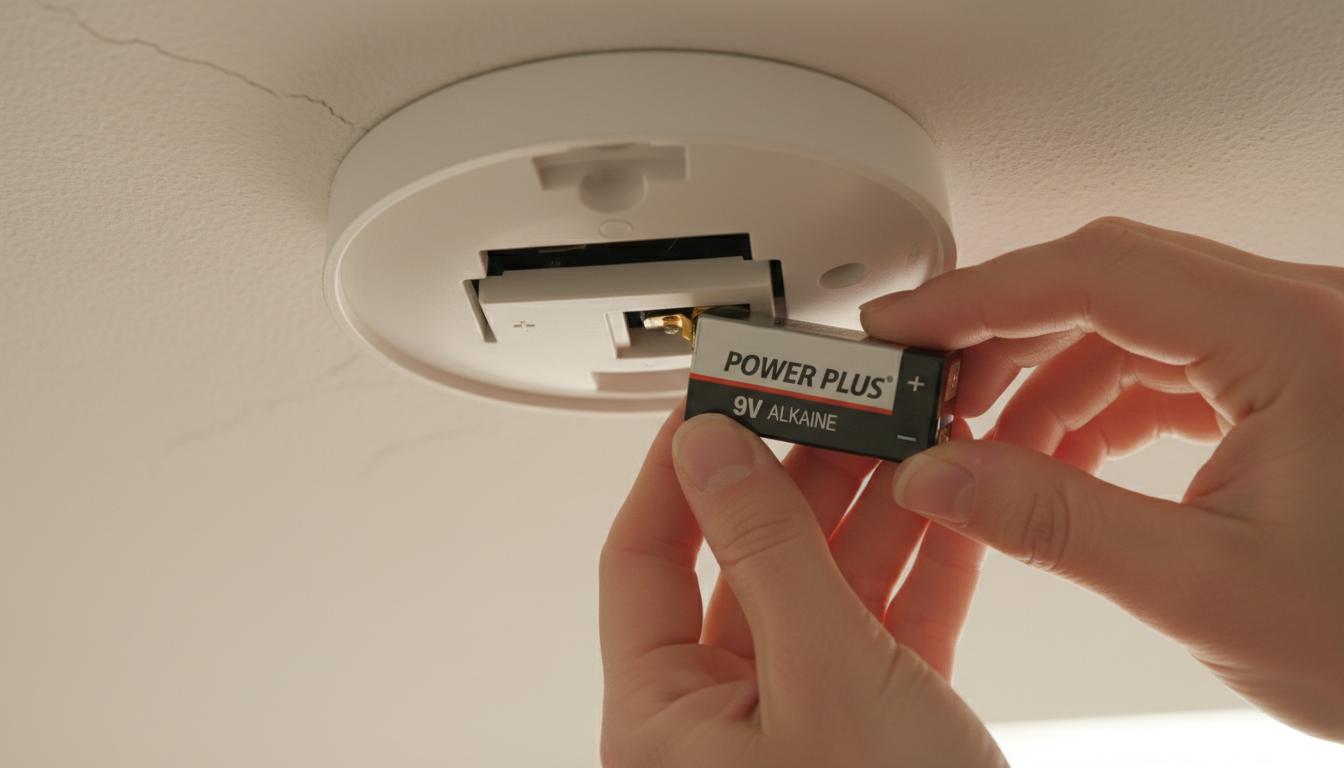
This is the million-dollar question, right? On average, a 9V battery in a smoke detector will last between six months to a year, depending on several factors. Alkaline batteries are the most common choice for smoke detectors, and these typically reach their capacity limit within that time frame.
But here's where it gets interesting. The actual lifespan depends on a bunch of variables. The lifespan of a 9V battery in a smoke detector can be influenced by several factors. One of the primary factors is the type of battery used. Alkaline batteries are commonly used in smoke detectors and typically last about six months to a year, while lithium batteries may last significantly longer.
Your smoke detector's location matters too. If it's in a garage or attic where temperatures swing wildly, the battery will drain faster. The frequency of use of the smoke detector also matters. If a smoke detector is frequently triggered, due to cooking or other common activities that might generate smoke, it can lead to a quicker depletion of the battery. Got a detector near the kitchen that goes off every time you make toast? Yeah, that battery's working overtime.
Most pros recommend a simple rule: Swap in new batteries to your smoke alarms every six months to a year. It's common for people to change their batteries every time they change the clocks backward or forwards. This daylight saving time trick is actually brilliant—it's an easy reminder that happens twice a year, so you'll never forget.
Top Brands: Best 9V Alkaline Batteries for Smoke Alarms
Let's talk about the heavy hitters in the 9V alkaline battery game. We've done the research, checked out real-world testing, and here's what actually performs well.
The industry favorite 9-volt battery for battery-operated smoke alarms from a mega-brand is one of the best 9v batteries for smoke detectors. Energizer Industrial batteries top many lists, and for good reason. The only difference between Energizer Industrial and what you'll find in the store is the way it's packaged. Industrials come in cardboard boxes rather than annoying blister packaging. These are cheaper, less of a hassle, and every bit as powerful.
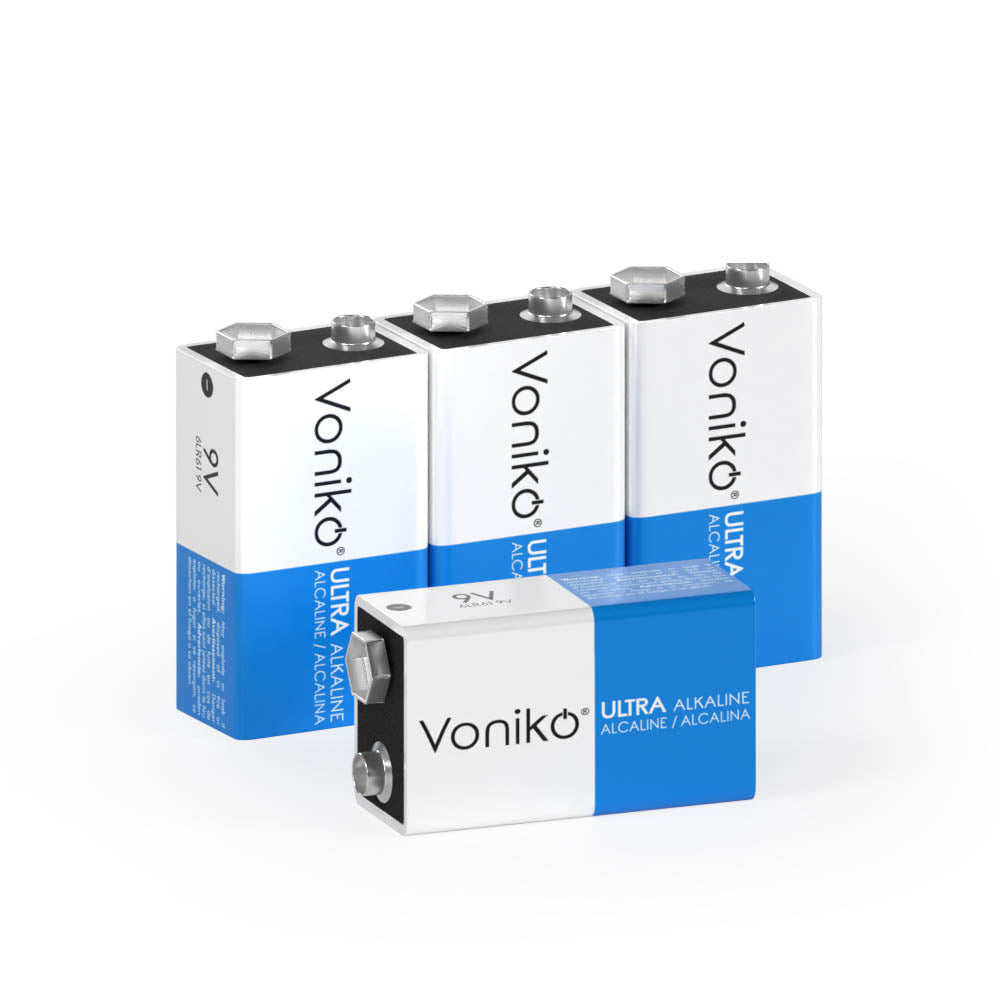
Voniko 9V batteries have emerged as a reliable performer in the alkaline market. With a solid shelf life and dependable power output, they're a great middle-ground option that balances performance with value. They're particularly popular among contractors and facility managers who need consistent quality without breaking the bank.
For budget-conscious folks, Eveready's original smoke detector battery is a solid inexpensive option—perfect to buy in bulk and have a pile in the closet somewhere to swap in every 6 months or so. Sure, you'll replace them more often, but the upfront savings can be significant.
Quick comparison of top alkaline 9V batteries:
| Brand | Shelf Life | Best For | Price Point |
|---|---|---|---|
| Voniko | 5-7 years | Value & performance | Mid-range |
| Duracell CopperTop | 7 years | Long shelf life | Mid-to-high |
| Rayovac Fusion | 5 years | Budget buyers | Low-to-mid |
| Eveready Gold | 3-5 years | Bulk purchasing | Budget |
Does Brand Name Really Matter for 9V Batteries in Smoke Detectors?
You might be wondering if it's worth paying extra for name brands or if those generic batteries from the dollar store will do just fine. The honest answer? It depends on what you value more—convenience or cost.
Though you may think all batteries are basically the same and are just branded differently, there are a number of factors that set batteries from different manufacturers apart. Quality control, manufacturing standards, and testing procedures vary widely between brands.
Here's the reality: cheaper batteries often have shorter lifespans and less consistent performance. Replacement frequency will be pretty high as the shelf life isn't as long as higher quality batteries, but for homeowners willing to get up on a ladder or stool a bit more often, budget options can work.
But think about this—if your smoke detector is mounted on a super high ceiling or in a hard-to-reach spot, spending an extra couple bucks on a premium battery makes sense. These are super tough and durable batteries used in medical devices and high-tech alarm systems. A great option for hard-to-reach places like a high ceiling. When changing the fire alarm battery is a real chore, this is your best choice.
The bottom line: name brands typically offer better reliability, longer shelf life, and more consistent voltage output. For something as critical as smoke detection, it's often worth the investment.
Best Practices for Smoke Alarm Battery Maintenance
Okay, so you've got the right batteries—now what? Proper maintenance is just as critical as choosing quality batteries in the first place.
Test Monthly: Press the test button on your smoke alarm every month. Replace Every Six Months: According to the NFPA, replace 9V or AA batteries in fire alarms twice a year. Yeah, we know—monthly testing sounds like a pain. But it literally takes five seconds and could save your life.
Here's a pro tip that many people don't know: write the installation date on the battery with a Sharpie. This simple trick helps you track exactly how long each battery has been in use. No more guessing games about whether it's time for a replacement.
Dust buildup can block the sensors; clean gently with a dry cloth. While you're up there testing your alarm, give it a quick wipe-down. Dust and cobwebs can interfere with the detector's ability to sense smoke effectively.
Essential maintenance checklist:
- Test your smoke alarm every month by pressing the test button
- Replace alkaline batteries every 6-12 months
- Clean your detector quarterly with a soft, dry cloth
- Replace the entire smoke detector unit every 10 years
- Keep spare batteries on hand for quick replacements
- Never ignore that low-battery chirp
How to Replace a 9V Battery in Your Smoke Alarm
Replacing a 9V battery is straightforward, but let's walk through it step-by-step so you do it right.
Remove the smoke alarm from its mounting bracket. Depending on the brand and model of the smoke alarm, you may need to twist it counterclockwise, pull it straight out, or release a locking mechanism. Most detectors have a simple twist-and-pull design.
Locate the battery compartment (usually on the back of the smoke alarm). Gently remove the old battery, being sure to dispose of the old battery safely and appropriately. Insert the new 9V battery into the battery compartment, making sure to match the positive (+) and negative (-) terminals correctly.
This part is crucial—those terminals need to line up properly or the battery won't work. The 9V battery has two different sized connectors on top, so it's pretty much idiot-proof, but double-check anyway.
Test the smoke alarm by pressing the button and listening for a loud, piercing sound. This means the alarm is functioning correctly. If you don't hear that ear-splitting beep, something's wrong. Check your connections and try again.
Finally, reattach the detector to its mounting bracket and you're done. The whole process should take less than five minutes. Pro tip: keep a step stool or small ladder near your smoke detectors for easy access.
9V Alkaline vs. Lithium: Which Should You Choose?
This is where things get interesting. While we're focusing on alkaline batteries here, it's worth understanding the differences so you can make an informed choice.
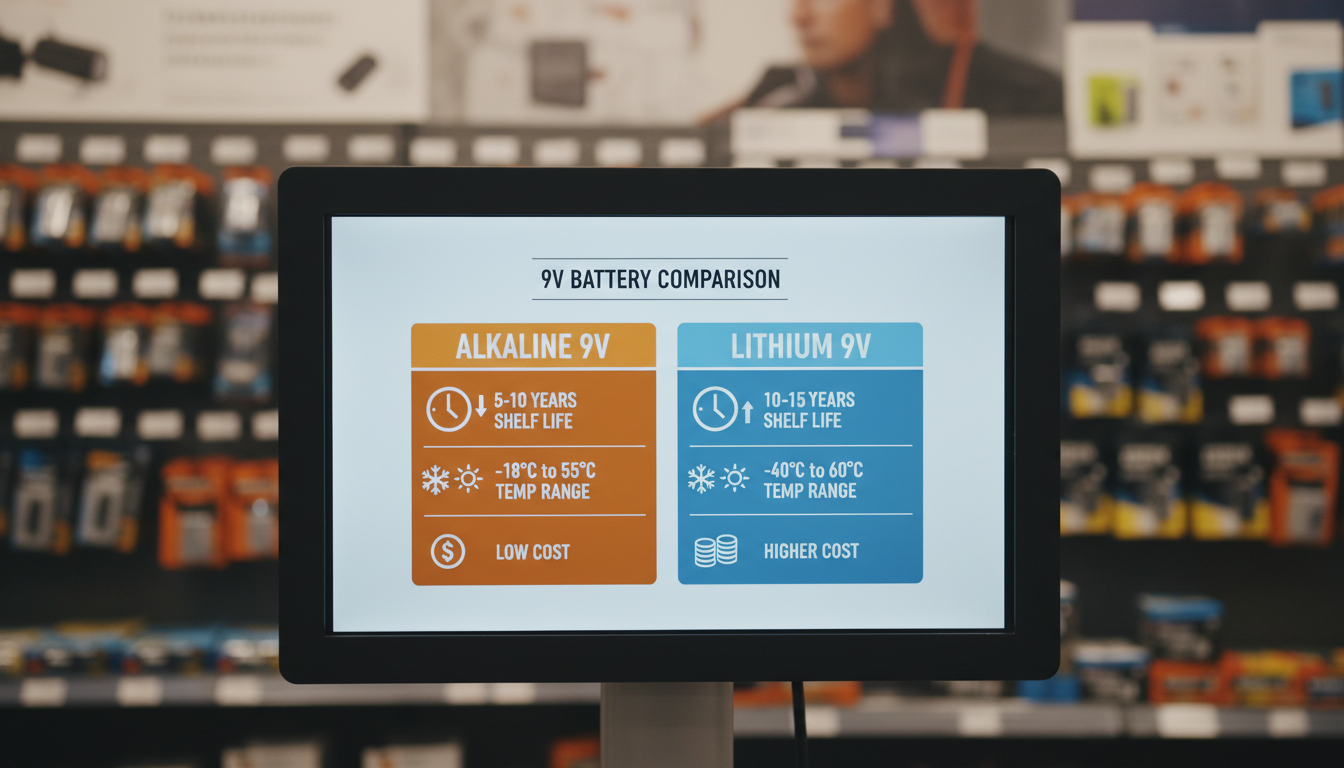
Voltage Stability: Lithium maintains 9V until depletion, alkaline gradually drops. Operating Temperature: Lithium works -40°F to 140°F, alkaline 32°F to 120°F. Shelf Life: Sealed lithium lasts 10+ years, alkaline 5-7 years. Lithium batteries clearly have some advantages, especially for extreme temperature environments.
But here's the catch—lithium batteries cost significantly more upfront. Lithium batteries last longer and self-discharge slower than alkaline batteries. For this reason, they're a good choice for items that aren't used as frequently. However, lithium batteries are often more expensive than alkaline batteries.
For most people, alkaline batteries make perfect sense. They're affordable, readily available, and work just fine when replaced on schedule. For smoke alarms, alkaline batteries are ideal for ceilings that are easier to reach or in spaces with even temperatures.
If you've got detectors in hard-to-reach places like vaulted ceilings or in areas with temperature extremes like garages or attics, lithium might be worth the extra investment. Otherwise, stick with quality alkaline batteries and replace them regularly.
Where to Buy 9V Alkaline Batteries in Bulk
If you've got multiple smoke detectors throughout your house (and you should), buying batteries in bulk just makes sense.
Make one order to last you several years. Enough after-work trips to the hardware store or several small purchases every year with tax and shipping stealthily piling up. Order a bunch of smoke detector batteries at a bulk discount.
Amazon, Costco, and Sam's Club all offer great bulk deals on name-brand 9V alkaline batteries. You can usually get packs of 12 or more at significant discounts compared to buying them individually at convenience stores. The per-battery cost drops dramatically when you buy in quantity.
The 12-pack of batteries offers bulk pricing, which leads to significant savings. Plus, you'll always have spares on hand when you need them. Store them in a cool, dry place and they'll be ready to go for years.
Just make sure to check expiration dates when buying in bulk. Even though alkaline batteries have long shelf lives, you don't want to accidentally stock up on batteries that are already close to their expiration date.
Common Mistakes to Avoid with Smoke Alarm Batteries
Let's talk about what NOT to do. These mistakes are surprisingly common and can compromise your home's safety.
Another misconception is that once a smoke detector starts chirping, it can be left for some time before replacing the battery. Some individuals believe that the chirping is merely a nuisance, but it is actually a critical warning sign that the battery is low and needs immediate attention. Don't ignore that chirp! Replace the battery as soon as possible.
Never use rechargeable batteries in your smoke detectors. For wired smoke detectors with 9V backup batteries, use high-quality alkaline or lithium batteries for longer life. Avoid rechargeable types as they may not hold charge reliably. Rechargeable batteries have higher self-discharge rates, meaning they lose power even when not in use.
Don't mix old and new batteries if your detector uses multiple cells. And definitely don't mix different brands or types. This can cause uneven power drain and potentially damage your detector.
Another big mistake? Removing the battery when the alarm goes off during cooking and then forgetting to put it back. We get it—that beeping is annoying. But We've all been there—you're using the oven or broiler, and suddenly the smoke alarm goes off. It can be tempting to remove the battery or disconnect the alarm to stop the noise. Instead, ventilate the area and wait for the alarm to reset.
FAQs
How often should I replace 9V alkaline batteries in my smoke alarm? Replace your 9V alkaline batteries every 6-12 months for optimal safety. Many experts recommend changing them when you adjust your clocks for daylight saving time—that's twice a year and easy to remember. Don't wait for the low-battery chirp to start before replacing them.
Can I use rechargeable 9V batteries in my smoke detector? No, you shouldn't use rechargeable batteries in smoke detectors. Rechargeable batteries have higher self-discharge rates and don't maintain consistent voltage levels, which can compromise your smoke alarm's reliability. Stick with standard alkaline or lithium disposable batteries for maximum safety.
What's the difference between cheap and expensive 9V alkaline batteries for smoke alarms? More expensive name-brand batteries typically offer longer shelf life, more consistent voltage output, better quality control, and superior leak protection. While budget batteries can work, premium brands are often worth the extra cost for critical safety devices like smoke detectors, especially in hard-to-reach locations.
Why does my smoke alarm keep beeping even after I replace the battery? If your smoke alarm continues chirping after battery replacement, check that the battery is properly installed with correct polarity. Other causes include dust buildup on sensors, the detector reaching end-of-life (typically 10 years), or you may have installed the wrong battery type. Clean the unit and verify it's not expired.
Are 9V alkaline batteries better than lithium for smoke alarms? Alkaline batteries are more affordable and work great for easily accessible detectors in temperature-controlled spaces. Lithium batteries last much longer (up to 10 years vs. 6-12 months) and perform better in extreme temperatures, but cost significantly more. For most homes, quality alkaline batteries replaced regularly are perfectly adequate.