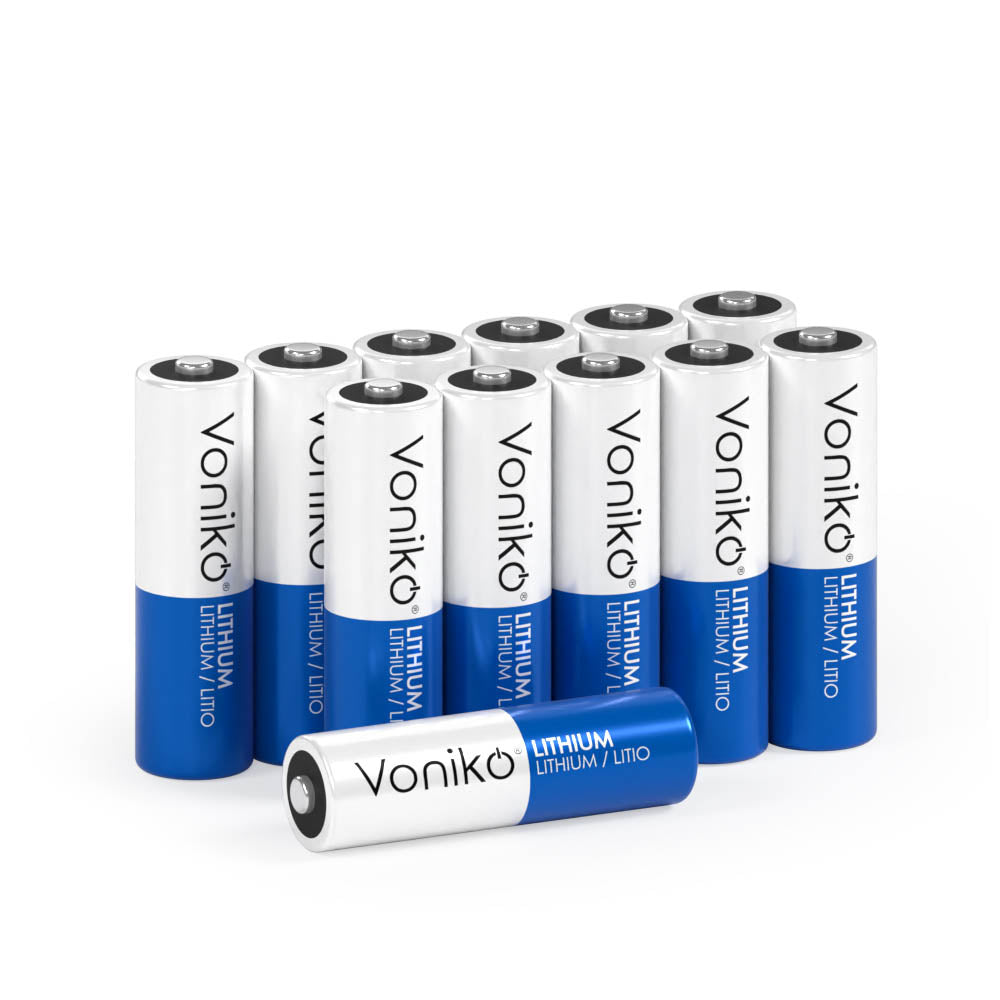
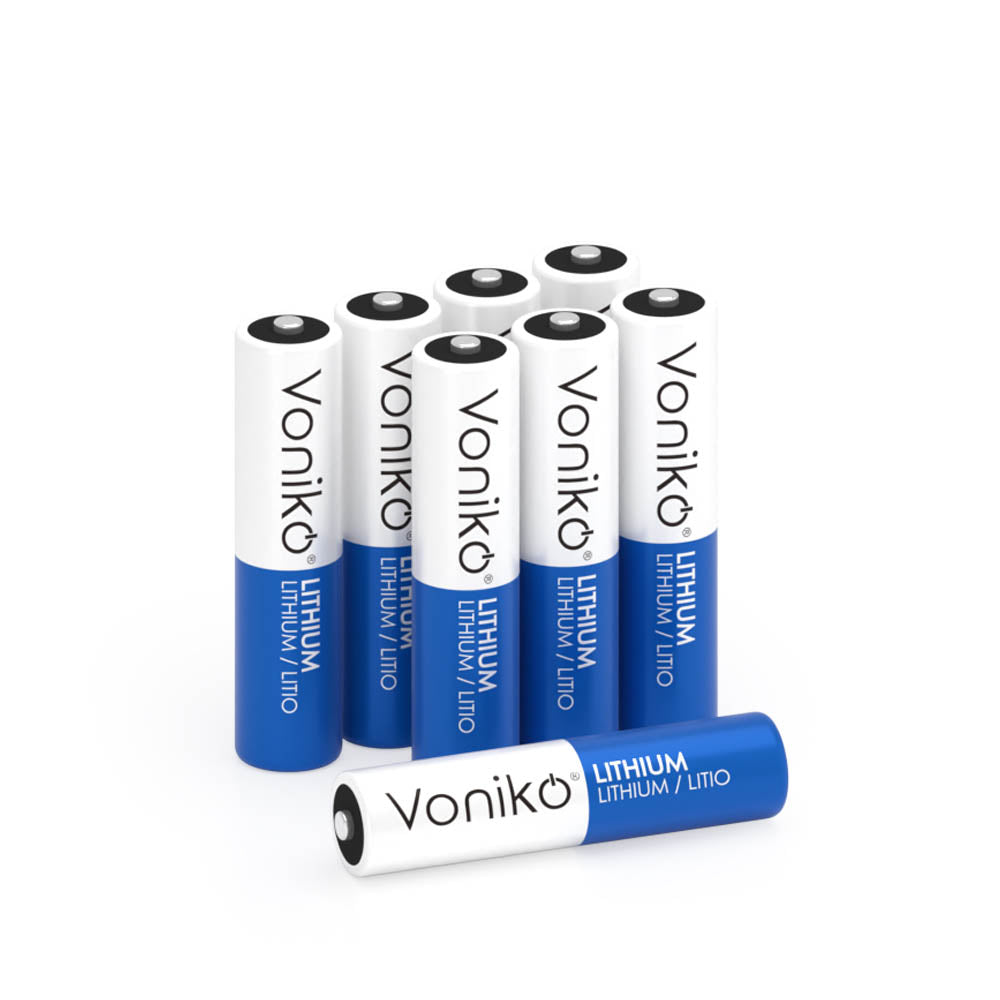
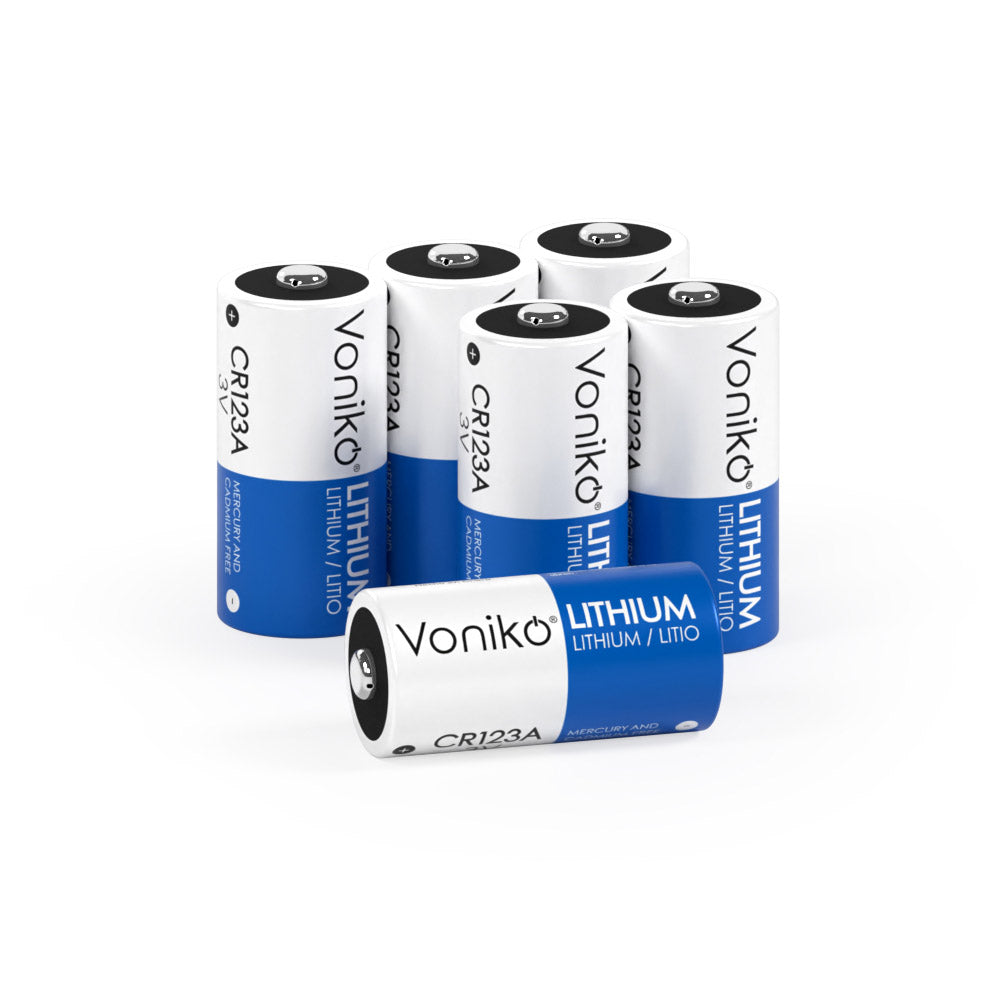
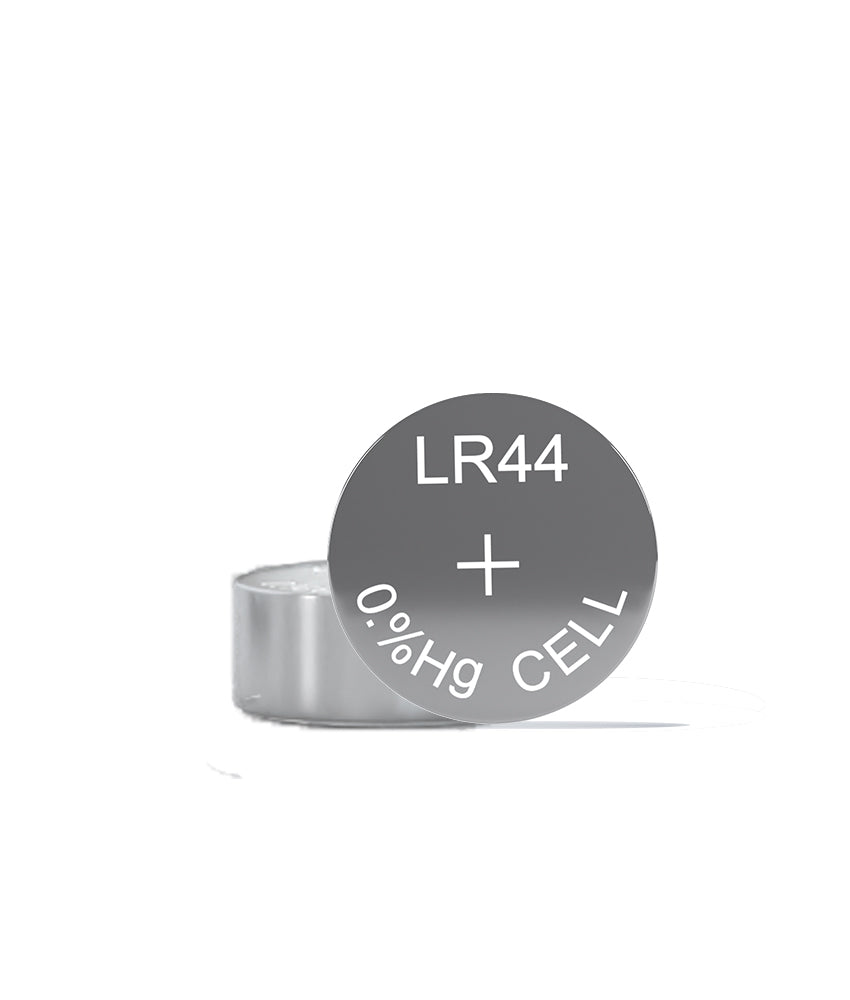

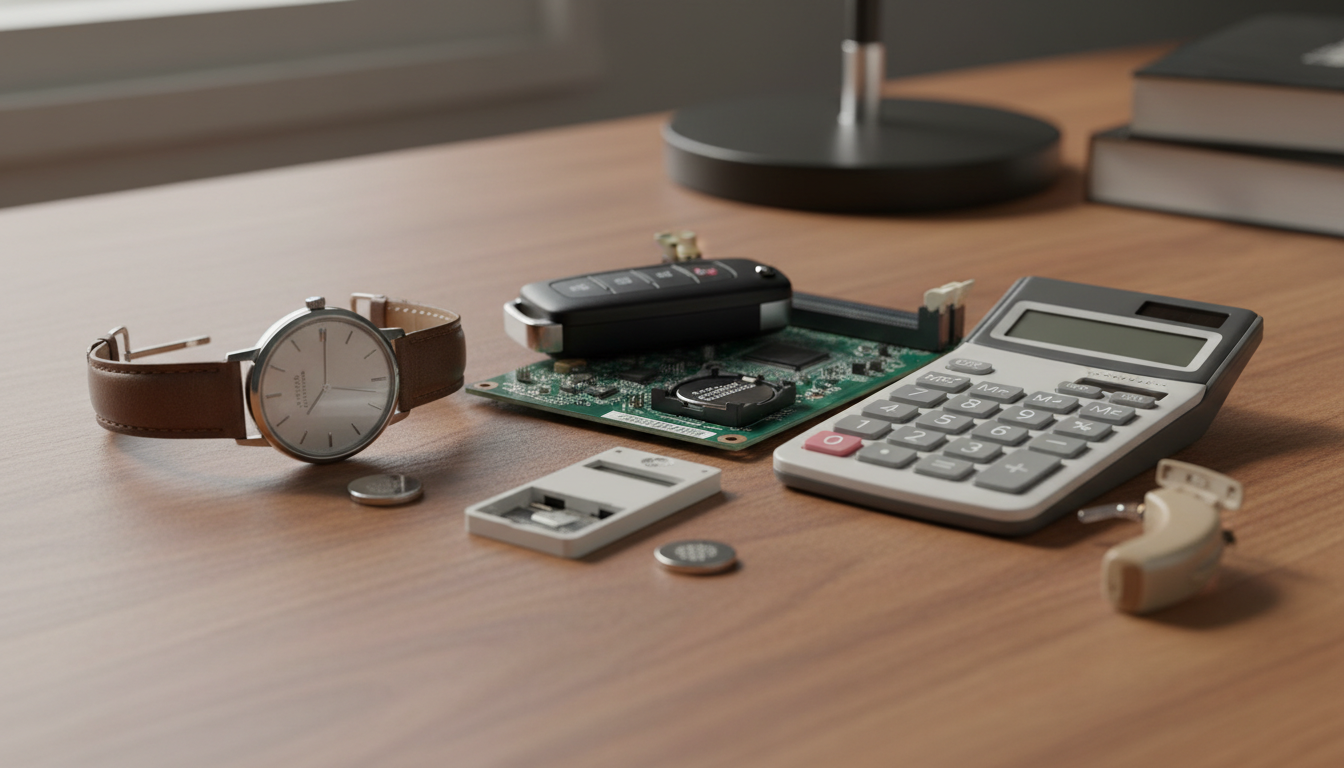
If you've ever needed to replace the battery in your watch, car key fob, or computer motherboard, you've probably run into coin cell batteries. These small, round power sources come in many different sizes, and picking the right one can feel like solving a puzzle. We get it—those cryptic codes like CR2032 or LR44 don't exactly spell things out for you. But once you know how to read them, finding the perfect battery becomes super easy.
Coin cell batteries power everything from hearing aids and fitness trackers to garage door openers and medical devices. They're built to last, they're compact, and they pack a surprising amount of energy for their size. Whether you're looking to stock up on alkaline batteries for your gadgets or just trying to figure out what battery your device needs, we've got you covered. Let's break down everything you need to know about coin cell battery sizes, types, and how to choose the right one for your needs.
What Are Button Batteries and Coin Cell Batteries?
A button cell, watch battery, or coin battery is a small battery made of a single electrochemical cell and shaped as a squat cylinder typically 5 to 25 mm in diameter and 1 to 6 mm high. These tiny power sources get their names from their appearance—coin cells look like coins because they're thinner and wider, while button cells resemble buttons and tend to be a bit thicker.
Button batteries and coin cells are small, round batteries commonly used in electronic devices that require compact power sources, coming in various sizes and voltages typically ranging from 1.5 to 3 volts, with their distinctive shape and compact form making them ideal for powering small electronics like watches, hearing aids and remote controls. The difference between the two terms is pretty subtle, and most people use them interchangeably.
These batteries are designed to provide reliable, long-lasting power for devices that don't draw a lot of current continuously. Devices using button cells are usually designed around a cell giving a long service life, typically well over a year in continuous use in a wristwatch, and most button cells have low self-discharge, holding their charge for a long time if not used. That's why they're perfect for things like BIOS backup in computers, real-time clocks, and other low-power applications where you don't want to change batteries every few months.
Button Cell Battery Sizes
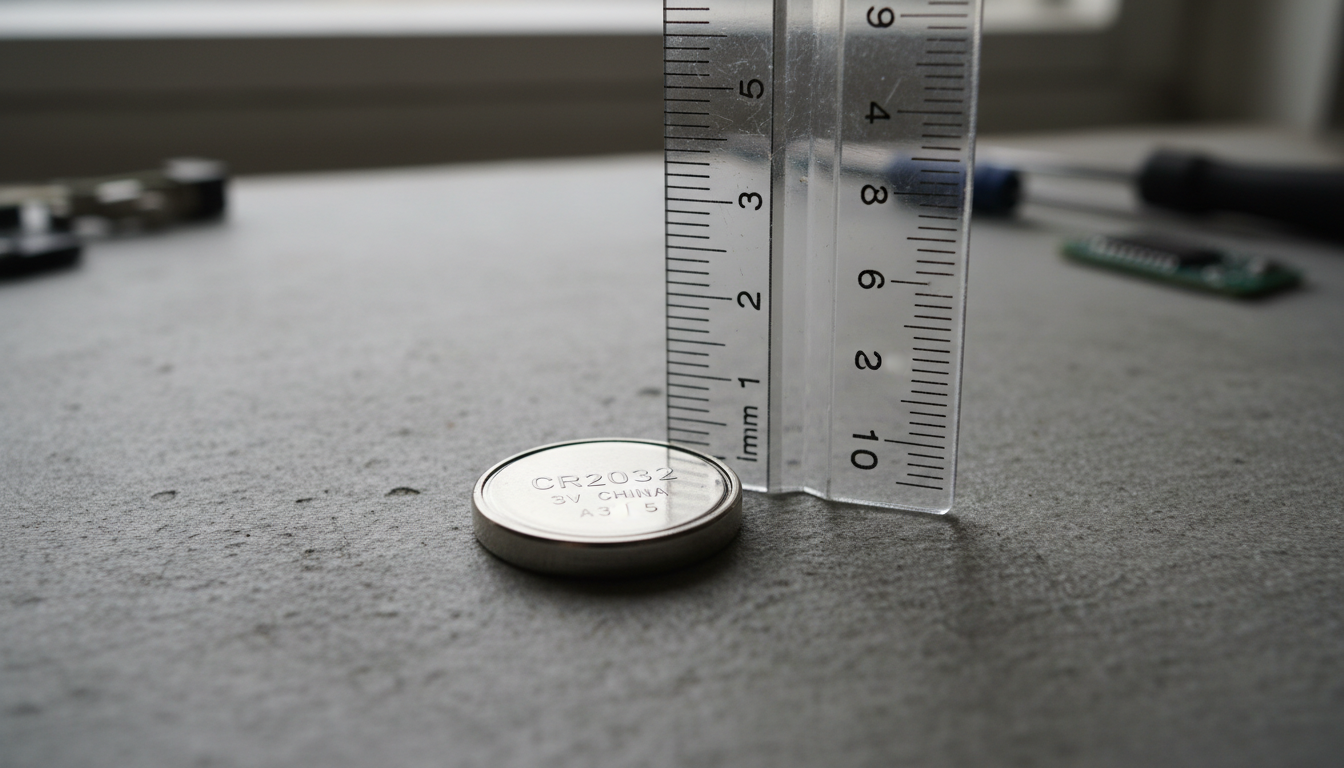
The package size of button batteries can be indicated by a 2-digit code representing a standard case size, or a 3- or 4-digit code representing the cell diameter and height, where the first one or two digits encode the outer diameter of the battery in whole millimeters, rounded down, and the last two digits are the overall height in tenths of a millimeter. So when you see a battery labeled CR2032, you're looking at a battery that's 20mm in diameter and 3.2mm thick.
Let's look at some popular coin cell battery sizes you'll come across:
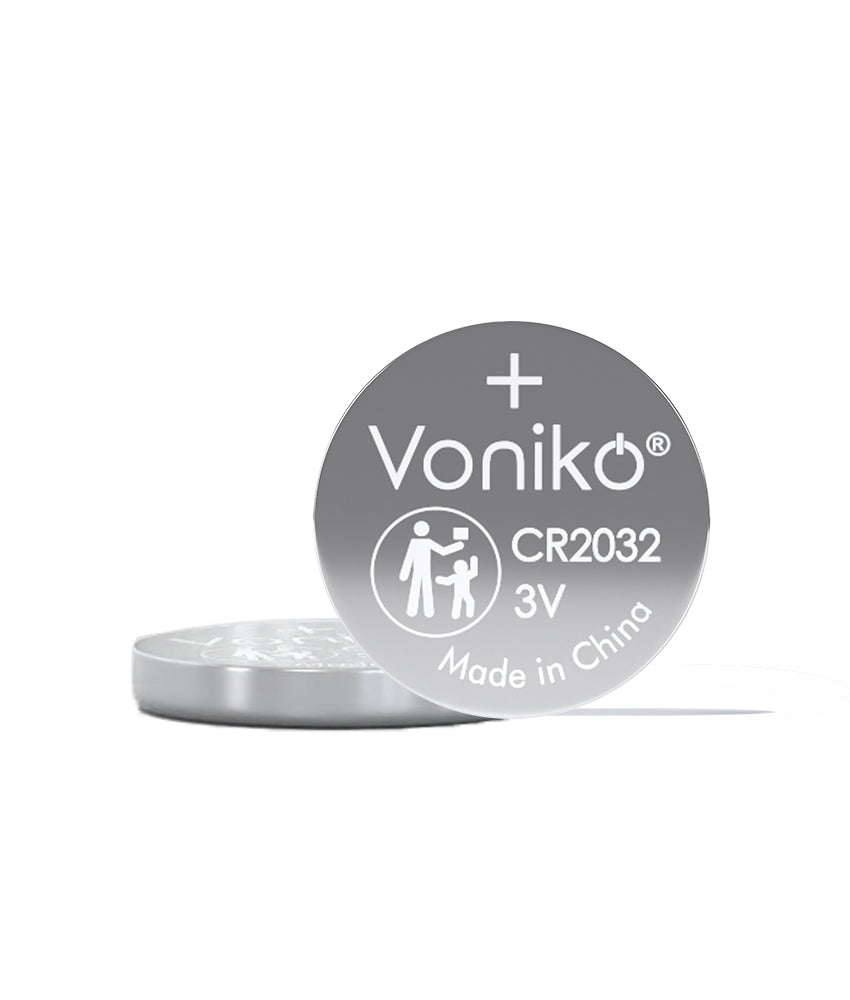
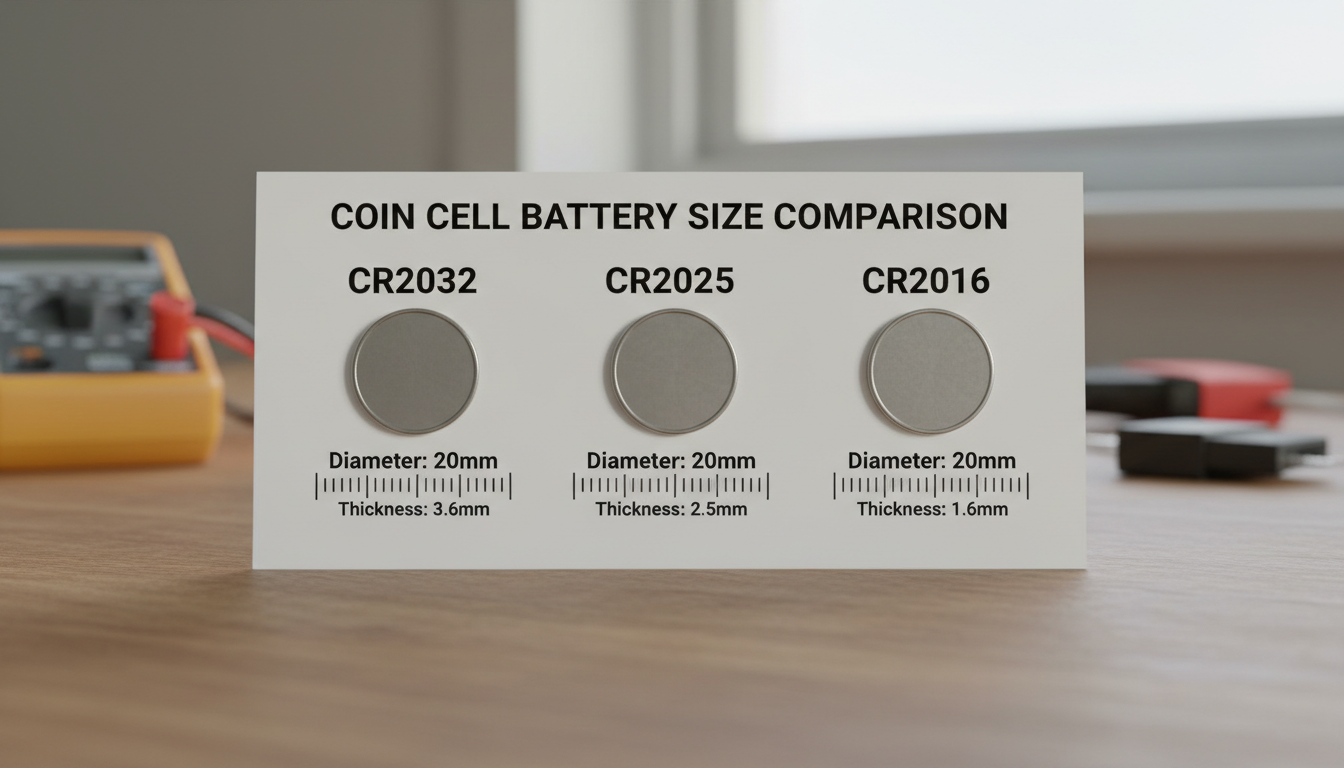
CR2032: This is probably the most popular coin cell out there. This class of battery has a diameter of 20 mm and a thickness of 3.1 mm, with some slight variations. You'll find it in computer motherboards, car key fobs, and tons of other devices.
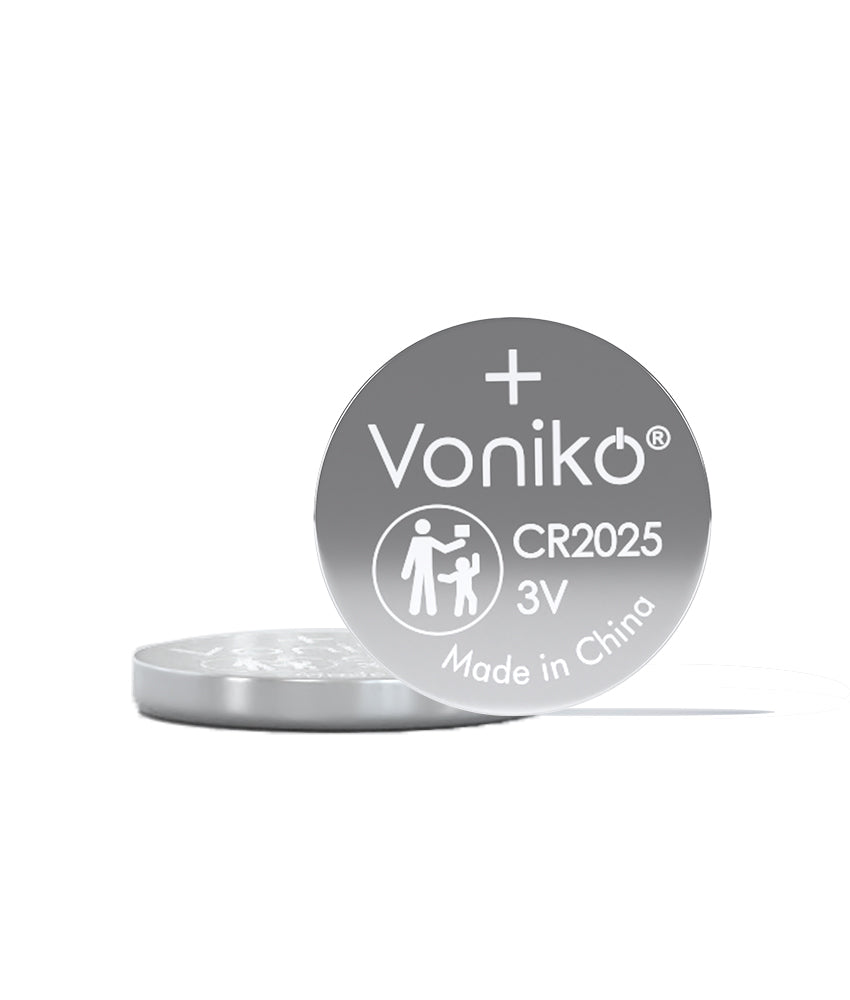
CR2025: Same diameter as the CR2032 (20mm) but thinner at 2.5mm. CR2025 offers nearly double the capacity of the CR2016, making it ideal for high-consumption devices like medical equipment.
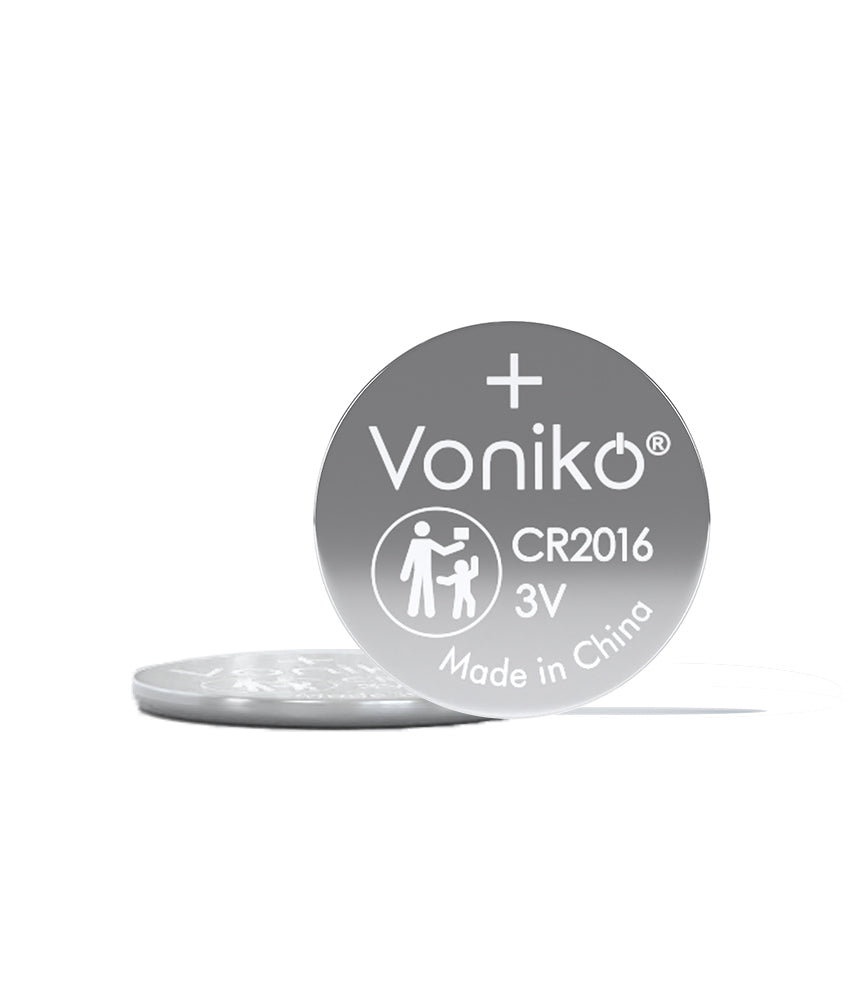
CR2016: Thin and lightweight at 1.6 mm thickness, suitable for space-constrained devices. It's also 20mm in diameter but has less capacity than the CR2025 or CR2032.
CR1632: Smaller diameter at 16mm and 3.2mm thick. Common in smaller devices and some fitness trackers.
CR2450: Bigger and thicker (24mm diameter, 5.0mm thick), offering more capacity for devices that need longer runtime.
LR44/SR44: LR1154/SR1154: alkaline/silver, 11.6 mm diameter, 5.4 mm height. These are smaller button cells commonly used in small toys, calculators, and laser pointers.
The size you need depends entirely on what fits in your device's battery compartment and what power requirements your gadget has. Always check your device manual or the old battery before buying a replacement.
How to Read Coin Cell Battery Codes
Those letter-number combinations on batteries actually tell you a lot once you crack the code. The prefix indicates the battery's chemical composition and voltage, the first two digits represent the diameter of the battery in millimeters, and the last two digits indicate the thickness of the battery in millimeters—for example, a CR2032 battery has a diameter of 20mm and a thickness of 3.2mm.
Here's what the common prefixes mean:
CR: Lithium manganese dioxide chemistry. The IEC prefix "CR" denotes lithium manganese dioxide chemistry. These batteries put out 3 volts and are super common.
BR: Lithium carbon monofluoride. The "BR" prefix indicates a round lithium/carbon monofluoride cell. Also 3 volts, but with different performance characteristics.
LR: Alkaline batteries. Alkaline coin cell batteries have a nominal voltage of 1.5V, while lithium coin cell batteries have a nominal voltage of 3V.
SR: Silver oxide batteries, also 1.5V. These provide stable voltage and are often used in watches and precision instruments.
Cells designations that start with the letters (DL) are Duracell, (ECR) are Energizer and (K) are Kodak, and cells that have (CR) in them mean Lithium-Manganese Dioxide. So if you see DL2032, that's just Duracell's version of the CR2032.
Button Battery and Coin Cell Types
Coin cell batteries come in several chemistry types, each with its own strengths:
Lithium Batteries (CR/BR series): Common in high-drain devices like gaming consoles and IoT sensors. They offer high energy density, 3V output, and can last for years. All coin cell lithium batteries consist of lithium manganese dioxide chemistries (Li-MnO2), which account for 80% of the lithium battery market, and Li-MnO2 chemistry is denoted by the IEC prefix "CR". One lithium cell can replace two alkaline or silver-oxide cells since it operates at 3 volts instead of 1.5 volts.
Alkaline Batteries (LR series): Widely used for low-drain devices like calculators and toys. They're cheaper but don't last as long as lithium cells. These put out 1.5 volts and are a budget-friendly option for devices that don't need high power.
Silver Oxide Batteries (SR series): Preferred for watches and medical devices for their stable voltage output. They maintain consistent voltage until they're almost dead, which is great for precision devices.
Zinc-Air Batteries: Ideal for hearing aids due to their high energy density and lightweight design. These use oxygen from the air as part of their chemistry and offer excellent capacity for their size. Once you remove the seal tab, they start working and will eventually dry out even if not used.
Common Uses for Button Batteries
Coin cell batteries are used for many applications such watches, bios backup, calculators, electric candles, flashlights, glucometers, keyfobs, remotes and thermometers. Their compact size and reliable performance make them perfect for all sorts of gadgets we use every day.
Household Items: Remote controls, kitchen scales, bathroom scales, LED candles, door chimes, and garage door openers all rely on these little batteries. You'll also find them in digital thermometers and bathroom scales.
Personal Devices: Watches are probably what most people think of first, but coin cells also power fitness trackers, bike computers, pedometers, and some wireless earbuds. The CR2032 battery is used in a wide variety of devices and applications including computer motherboards, car key fobs, watches, calculators, PDAs, electronic organizers, garage door openers, toys, games, door chimes, pet collars, LED lights, sporting goods, pedometers, calorie counters, stopwatches and medical devices.
Medical Devices: For reliable performance and longevity, specialised button batteries are crucial components in various medical devices, including pacemakers, hearing aids and glucose monitors. The long service life and reliability of coin cells make them essential for life-saving equipment.
Electronic Equipment: Computer motherboards use coin cells to keep the BIOS settings and real-time clock running even when the computer is unplugged. Security systems, wireless sensors, and IoT devices also depend on coin cells for backup power or as their primary power source.
If you're planning to travel with devices that use these batteries, you might want to check out guidelines on taking alkaline batteries on planes to make sure you're following TSA rules.
Voltage and Applications for Button Batteries
Voltage matters a lot when you're picking a replacement battery. Using the wrong voltage can damage your device or make it work poorly. The most common voltage ratings for button batteries are 1.5 Volts, 3 Volts, and 3.6 Volts, though there are also button batteries with higher or lower voltage ratings available for specific applications, and using a battery with a lower voltage rating than recommended can result in reduced device performance or failure to operate, while using a battery with a higher voltage rating can damage the device or pose a safety hazard.
1.5V batteries (alkaline LR and silver oxide SR series) are common in watches, calculators, and other small electronics. They provide steady power for low-drain devices and are generally cheaper than lithium options.
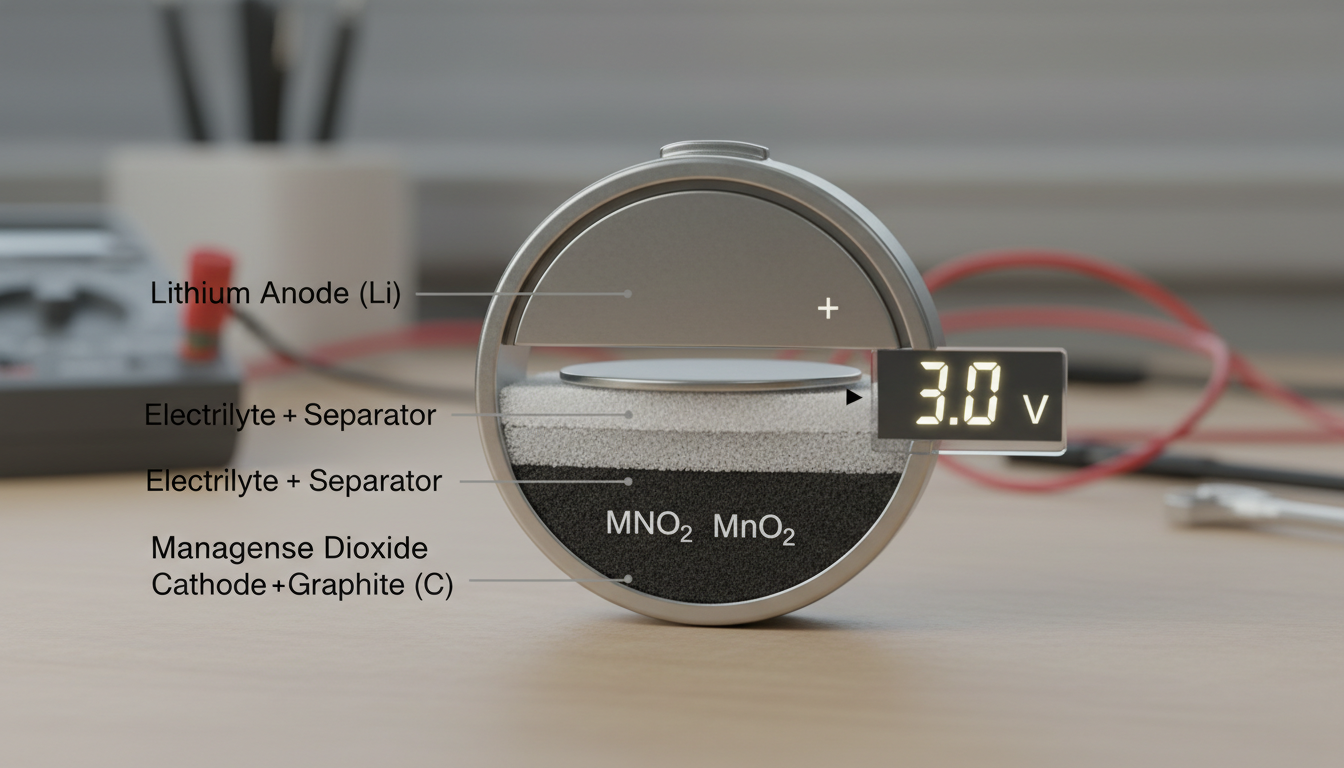
3.0V batteries (lithium CR/BR series) pack more punch and can handle higher-drain devices. The CR2032 battery is a Lithium-manganese dioxide battery (LiMn02) composed of a Mn02 cathode and a lithium anode, specified for a 225 milliamp hours (mAh) and typically operates over a temperature range of –20 ºC to +70 ºC. This wider temperature range makes them great for outdoor devices and car key fobs.
3.6V batteries (rechargeable lithium types like LIR series) are less common but used in some rechargeable applications. These can be recharged hundreds of times but have lower capacity than primary (non-rechargeable) lithium cells.
Always check what voltage your device needs before buying a replacement. The voltage is usually printed on the old battery or listed in your device manual.
Coin Cell Battery Cross Reference
One of the most confusing things about coin cells is that different manufacturers use different codes for the same battery. A CR2032 from one brand might be called DL2032 by Duracell or ECR2032 by Energizer. They're all the same size and voltage—just different brand names.
The Coin Cell Battery Cross Reference Chart & Specifications is easy to use—find the model of your coin cell battery and you will find the information of that model highlighted. These charts help you figure out which batteries are interchangeable.
For example, a CR1220 might also be listed as:
- DL1220 (Duracell)
- ECR1220 (Energizer)
- BR1220 (different chemistry but same size)
- Various other manufacturer codes
Cells of different chemical composition made in the same size are mechanically interchangeable, however, the composition can affect service life and voltage stability, and using the wrong cell may lead to short life or improper operation. So while a CR2032 and an LR2032 might physically fit, they have different voltages (3V vs 1.5V) and won't work the same way.
Safety Considerations
Coin cell batteries might be small, but they can be seriously dangerous, especially for kids and pets. Button cells are dangerous for small children, as when swallowed they can cause severe internal burns and significant injury or death. When swallowed, these batteries can create an electrical current in the body that produces hydroxide, a caustic substance that can burn through tissue in just a couple of hours.
Coin cells of diameter 20 mm or greater cause the most serious injuries, even if expended and intact. The popular CR2032 falls into this category, so extra caution is needed with this common battery size.
Here's how to stay safe:
Storage: Keep batteries in their original packaging until you need them. Store them somewhere kids and pets can't reach—high up and out of sight.
Battery compartments: To prevent children from removing batteries, battery compartments should be designed with one of the following methods: a) a tool such as screwdriver or coin is required to open battery compartment or b) the battery compartment door/cover requires the application of a minimum of two independent and simultaneous movements.
Disposal: Don't leave old batteries lying around. Dispose of them properly right away. Many stores and recycling centers accept button batteries for safe recycling.
If swallowed: Ingestions are treated initially with honey or sucralfate as a temporizing measure, with endoscopic removal as definitive treatment. Call emergency services immediately—this is a medical emergency that needs immediate attention.
How to Choose the Right Battery
Picking the right coin cell battery doesn't have to be complicated. Here's what to look for:
Check the old battery: The easiest way is to look at the battery you're replacing. The model number is usually printed right on it. Write it down and buy the same one.
Look at your device manual: If you don't have the old battery, check the user manual or look inside the battery compartment. Many devices have the battery type printed right there.
Measure if needed: If all else fails, you can measure the battery. Anyone can measure the diameter and thickness using a simple ruler—first, place the battery flat and measure its width from edge to edge (this gives the diameter), then stand the battery upright and measure its height (this shows the thickness).
Consider the brand: It is important to keep in mind that not all CR2032 batteries are created equal and that not all retailers have the same dedication to quality—to avoid low quality or worse, counterfeit batteries, it is important to only purchase your batteries from a highly reputable retailer that sells only the highest quality of brands. Stick with known brands from trusted sellers like Voniko Batteries for reliable performance.
Check the date: Batteries have expiration dates. Even unused, they slowly lose charge over time. Look for the freshest batteries you can find, especially for critical devices.
FAQs
Can I use a CR2025 instead of a CR2032? They have the same diameter (20mm) but different thickness—the CR2032 is 3.2mm while the CR2025 is 2.5mm. If your battery compartment has enough space for the CR2032, the thinner CR2025 might not make proper contact. The CR2032 also has more capacity. It's best to use the exact size recommended for your device.
How long do coin cell batteries last? Energizer claims that their lithium coin cell batteries have up to 10 years of shelf life when properly stored. In actual use, it depends on the device. A CR2032 battery in a car key fob may last up to 4-5 years before needing replacement as the use of the battery is very intermittent, while a more active device such as the new Apple Air Tag which allows constant tracking of objects will only last about a year.
What does the CR in CR2032 stand for? The "C" indicates lithium chemistry, and the "R" means round shape. So CR batteries are round lithium batteries. The numbers that follow tell you the size—20mm diameter and 3.2mm thick for the CR2032.
Are coin cell batteries rechargeable? Most coin cells (CR, BR, LR, SR series) are primary batteries, meaning they're single-use and can't be recharged. Rechargeable batteries in many of the same sizes are available, with lower capacity than disposable cells. Rechargeable versions are labeled differently, usually with prefixes like LIR, ML, or LV. Never try to recharge a non-rechargeable battery—it can leak, rupture, or even explode.
Where can I buy reliable coin cell batteries? You can find coin cells at electronics stores, pharmacies, big-box retailers, and online. For the best quality and selection, check out specialized battery retailers like Voniko Batteries that focus on high-quality power solutions. Buying from reputable sources helps ensure you get genuine batteries that will perform as expected.