
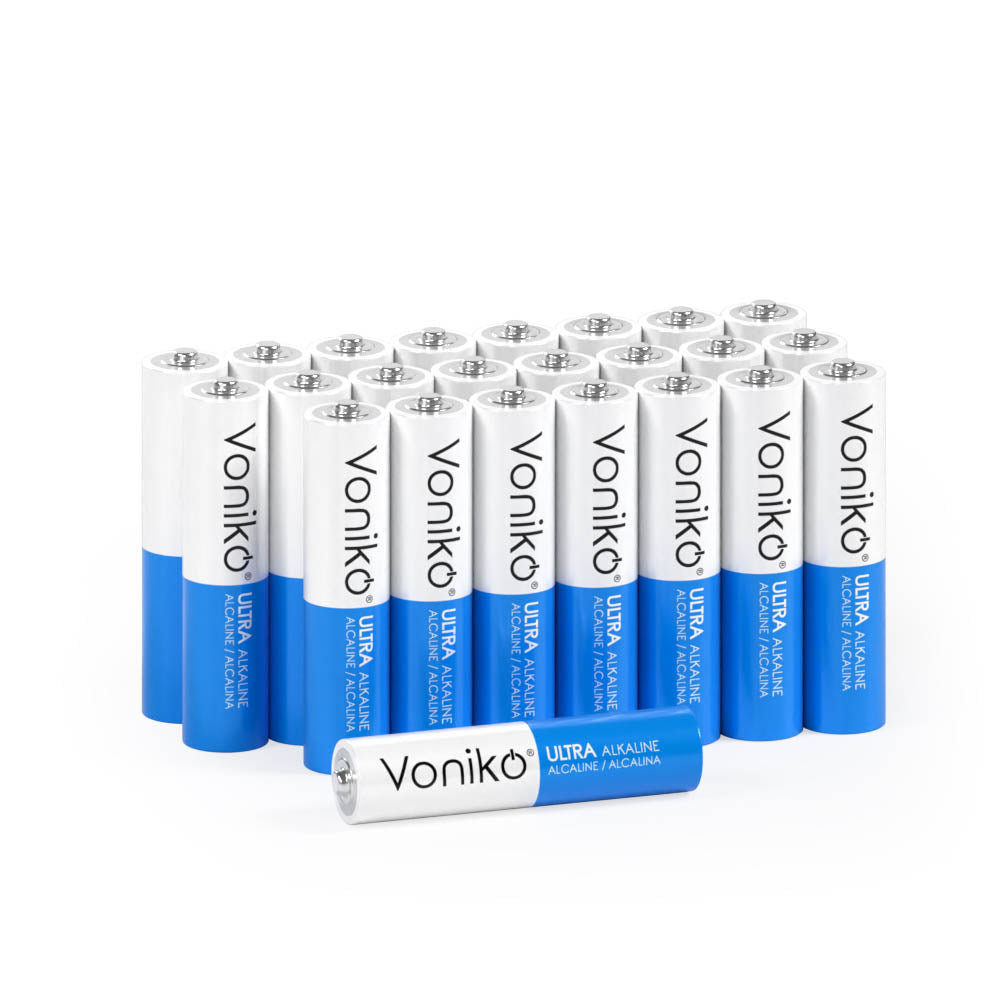
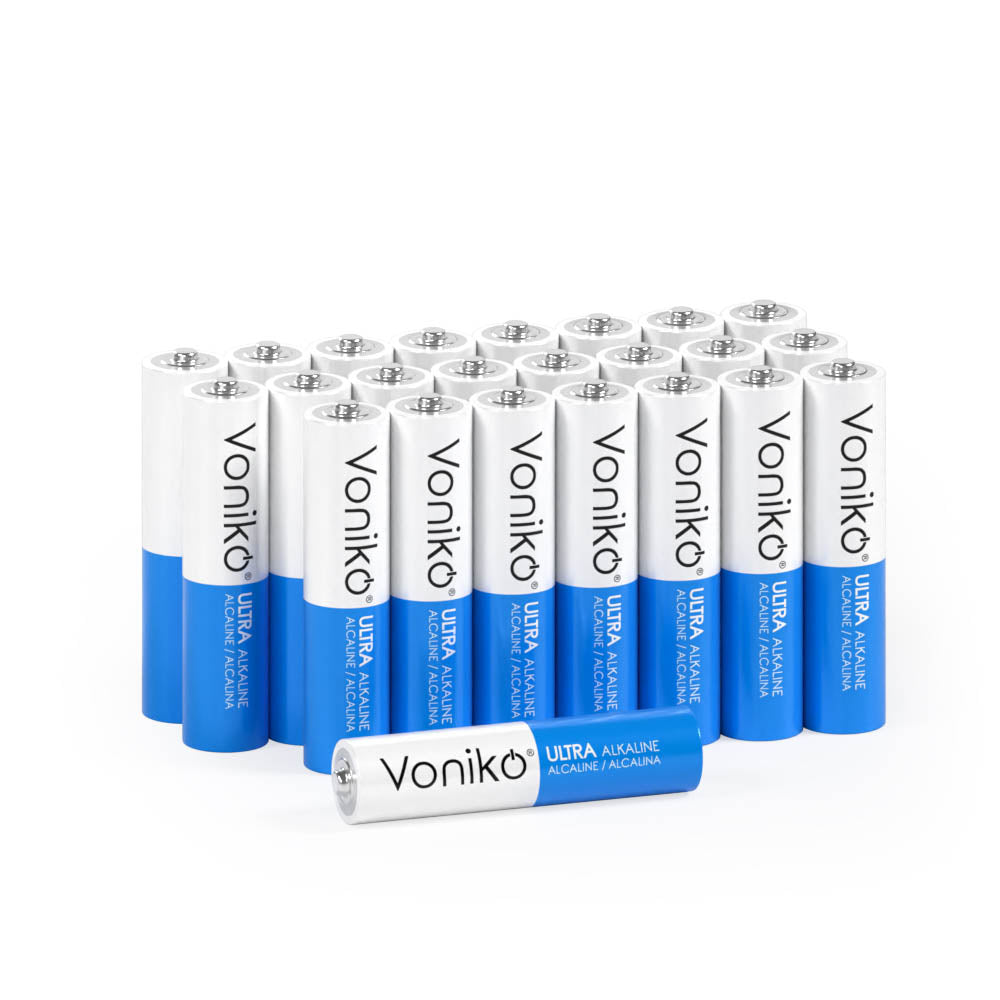
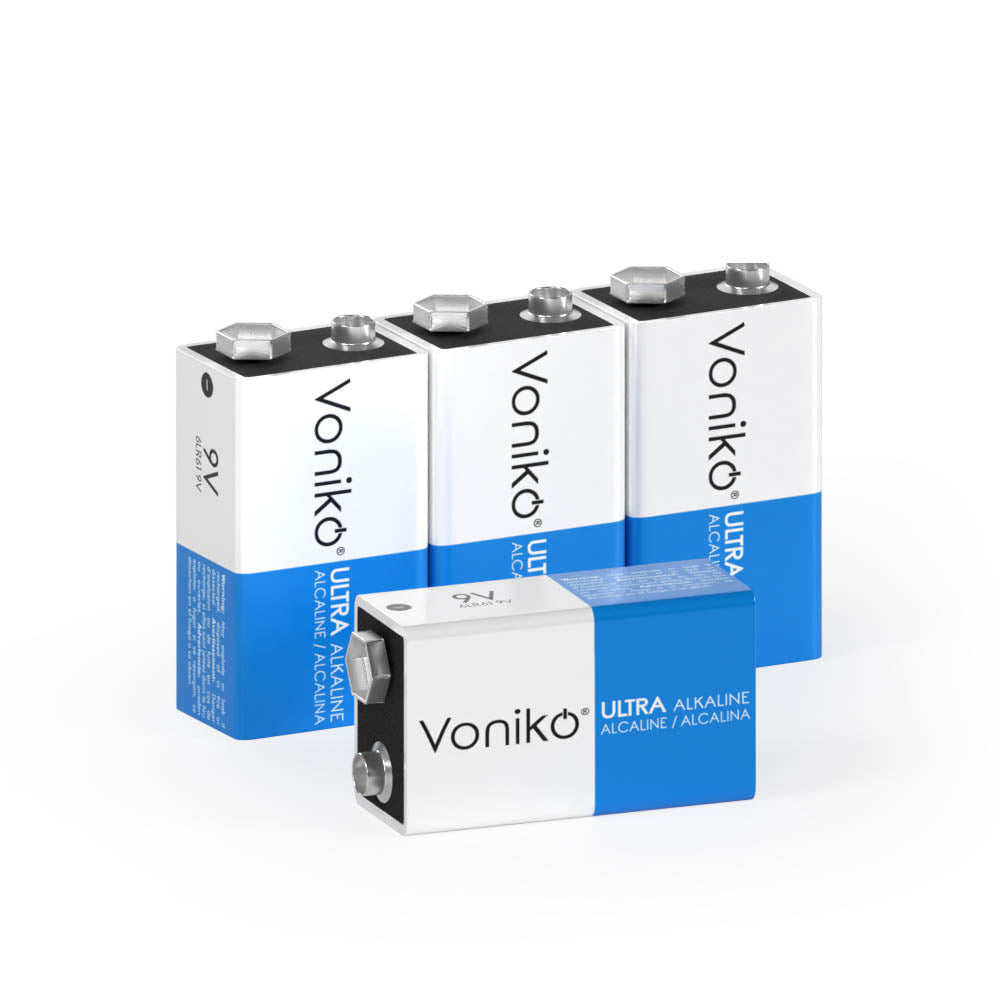
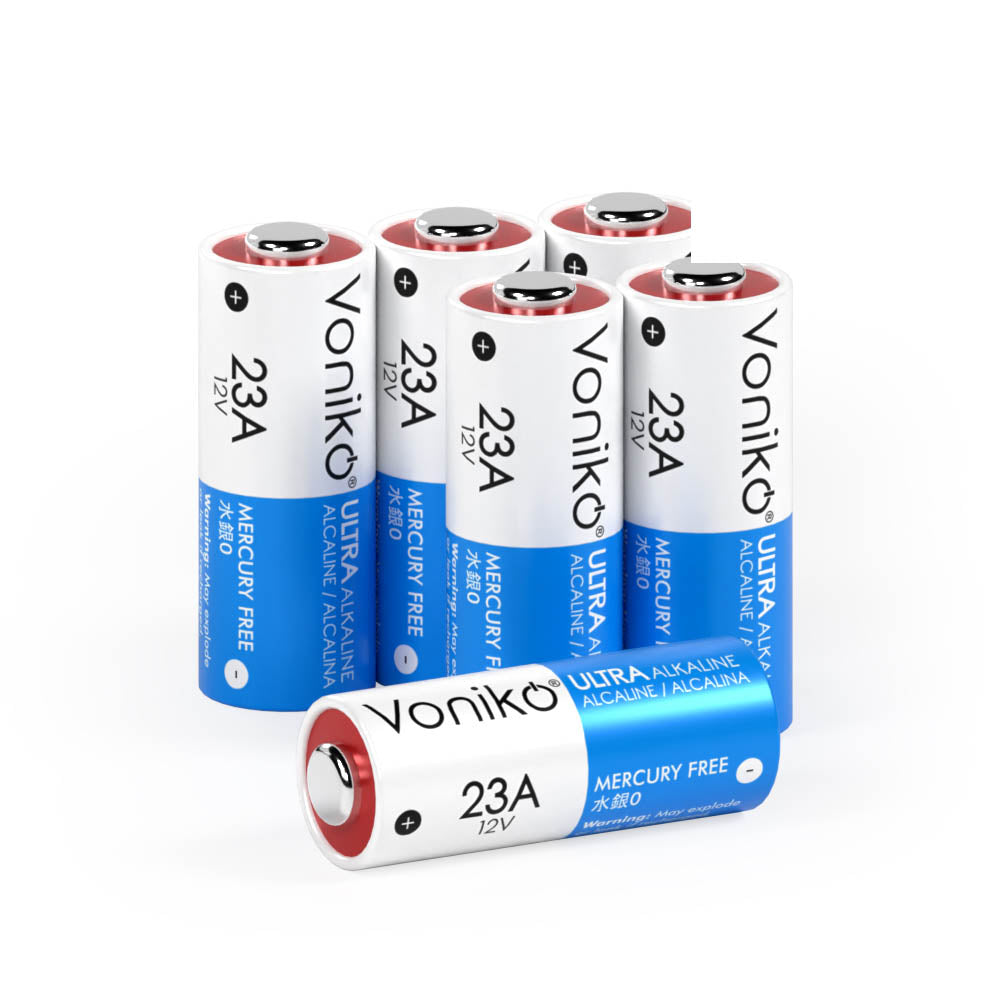
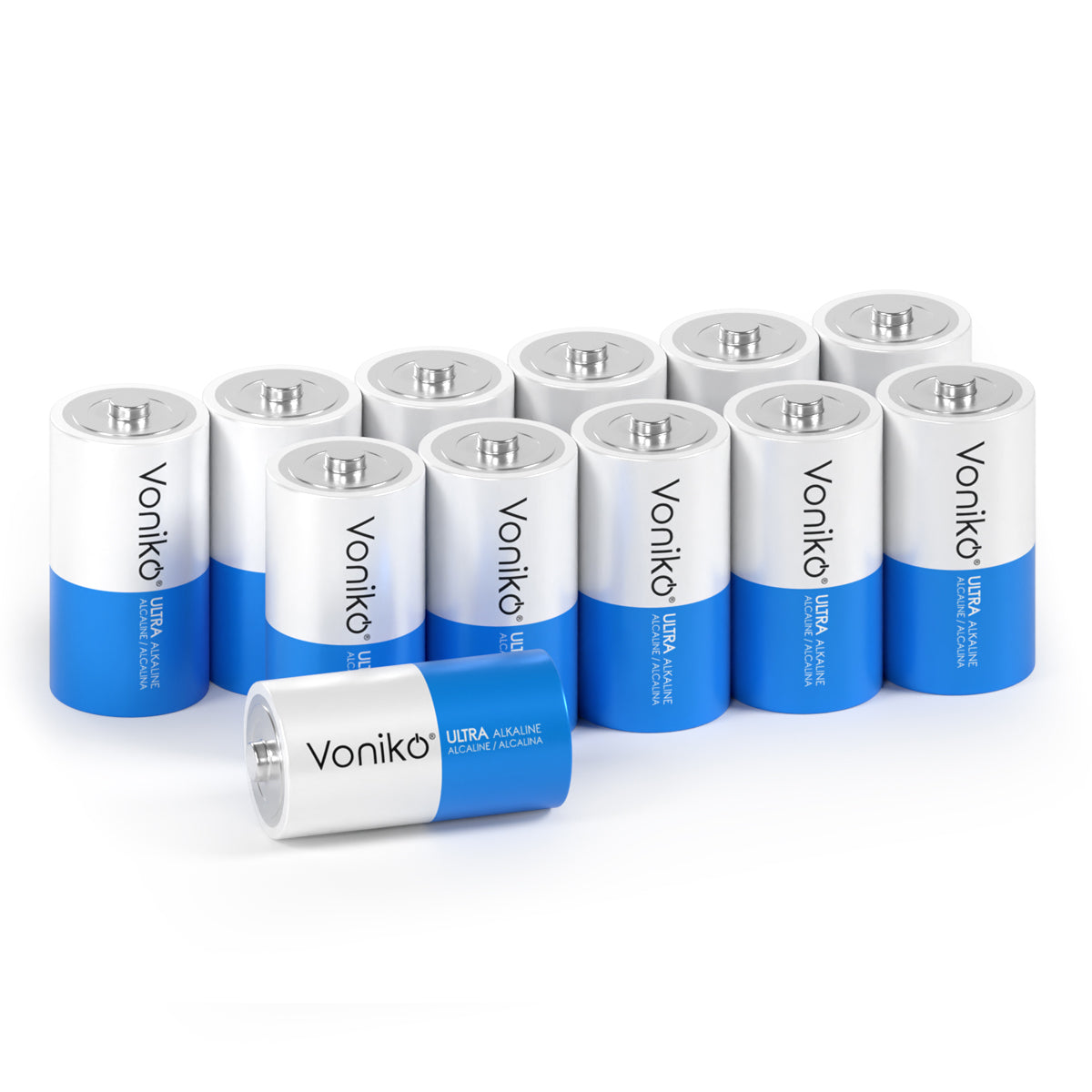
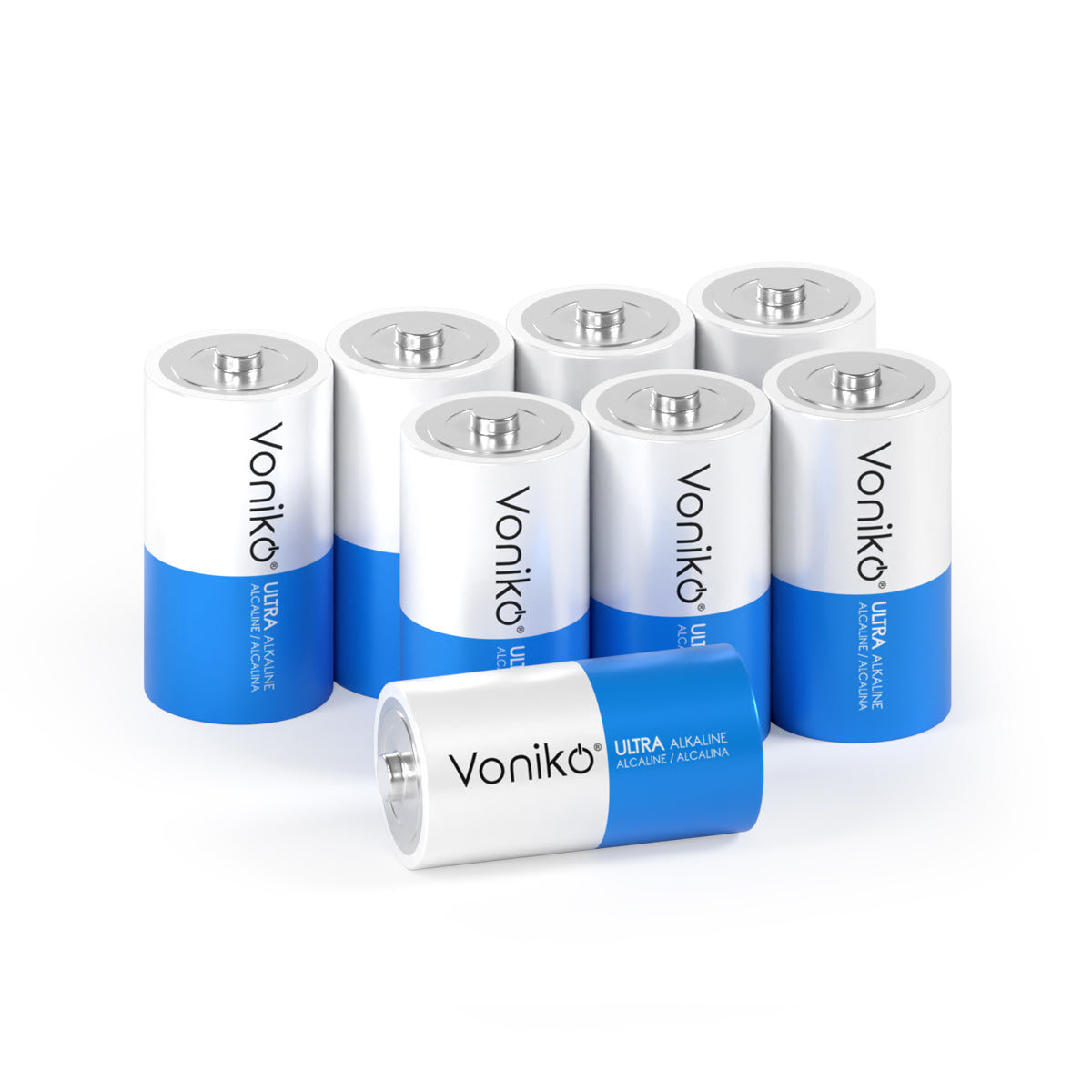
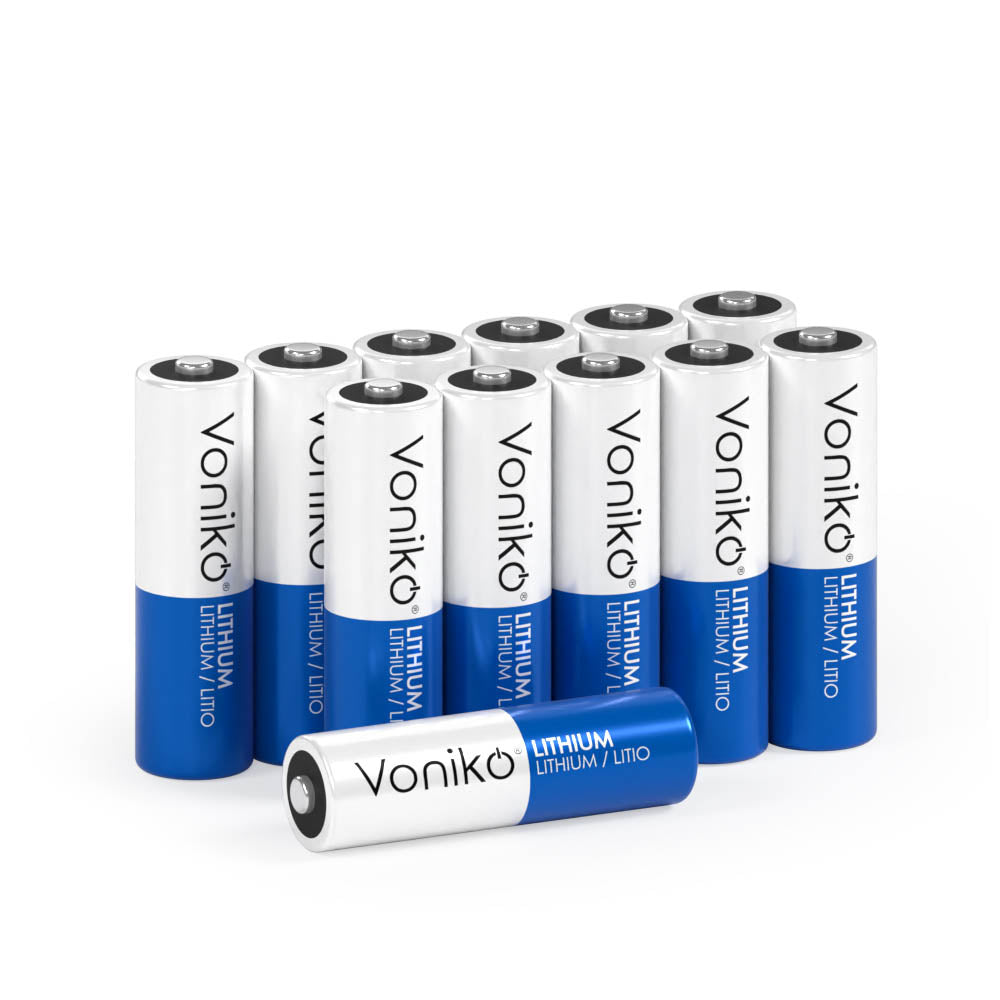
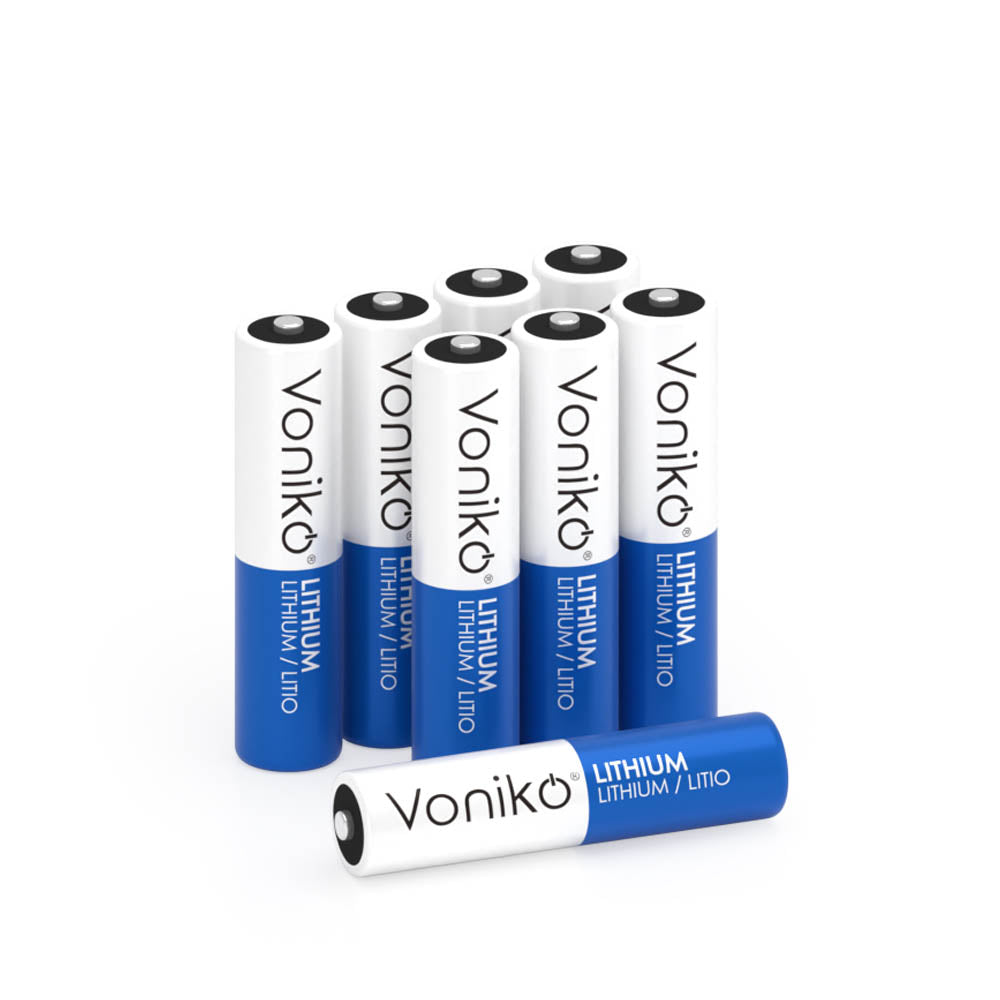
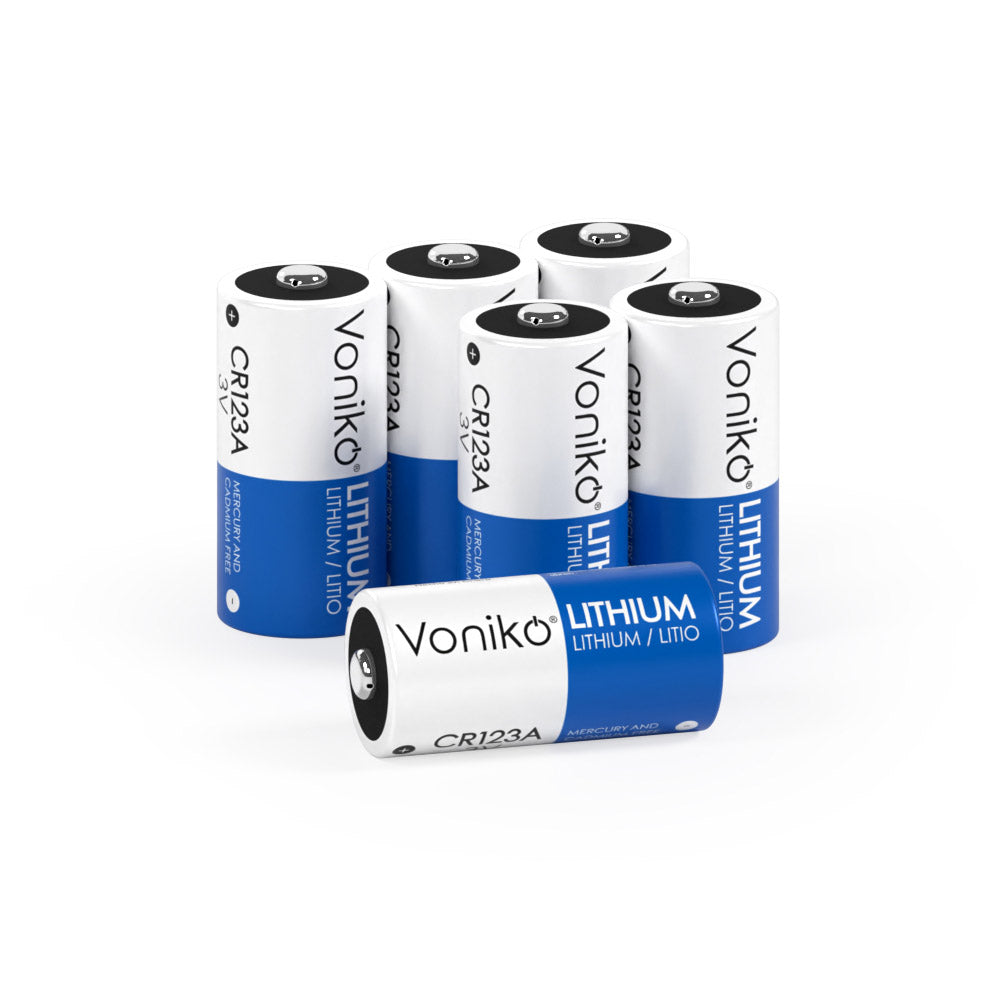

You've got a drawer full of batteries and a house full of gadgets that eat through them like candy. But not every device drains power the same way. Some sip energy slowly over months while others gulp it down in hours. Knowing which of your devices are high-drain — and why premium alkaline AA batteries are the right match for them — can save you money and a ton of frustration.
What Makes a Device "High-Drain"?
Before we jump into specific gadgets, let's get clear on what "high-drain" actually means. A high-drain device is anything that pulls a large amount of current from a battery in a short time. We're talking about gadgets with motors, bright lights, wireless radios, or any combo of those features. These devices demand quick, powerful bursts of energy — and that puts serious stress on whatever batteries you stick inside them.

The technical way to think about it is through current draw, measured in milliamps (mA). Low-drain devices like wall clocks and basic TV remotes pull maybe 5–50 mA. They barely touch the battery. High-drain devices, on the other hand, can pull 500 mA to several amps during peak use. Digital cameras firing a flash, Xbox controllers with haptic feedback buzzing, motorized toys racing across the floor — these gadgets need a battery that can keep up without the voltage tanking.
Here's why that matters for you: if you stick the wrong battery in a high-drain device, you'll be swapping batteries every few days. Or worse, your device won't even work right. Voltage sag — where the battery can't deliver stable power under heavy load — leads to weird glitches, dim lights, sluggish motors, and dead controllers mid-game. That's why the chemistry inside your battery matters just as much as the brand name printed on the outside. Alkaline batteries use potassium hydroxide as their electrolyte, giving them lower internal resistance and higher energy density compared to cheap zinc-carbon cells. That means they can handle the current spikes that high-drain devices throw at them without folding under pressure.
Best High-Drain Devices That Run on Alkaline Batteries
So which devices in your home are actually high-drain? You might be surprised by a few on this list. We've spent years testing our batteries in real-world gadgets, and these are the devices where alkaline batteries make the biggest difference in 2026.
Gaming Controllers. This is the big one. Xbox Series X/S controllers still run on AA batteries, and they're one of the most power-hungry gadgets in any household. Between the wireless radio, haptic feedback, and adaptive triggers, a modern gaming controller can chew through weak batteries in a single weekend. Quality alkaline AA batteries can keep an Xbox controller running for roughly 30–40 hours of gameplay. That's weeks of regular play before you need to swap. If you're using bargain-bin batteries and wondering why your controller dies during every Forza race, now you know.
Digital Cameras and Flash Units. Even in 2026, plenty of cameras and external flash units rely on AA batteries. The flash capacitor alone draws huge current to recharge between shots. Cheap batteries mean painfully slow recycle times and fewer shots per set. With premium alkaline batteries, you can get 300–500 photos depending on flash usage. That's a night-and-day difference compared to zinc-carbon cells that might give you 20–30 shots before the low battery warning pops up.
Motorized Toys and RC Cars. If you've got kids, you already know this pain. Remote-controlled cars, trucks, robot toys, and anything with a motor inside will burn through bad batteries before lunch. Motors draw sustained high current — sometimes over 1 amp — and voltage drops mean the toy slows to a crawl and dies quickly. Alkaline batteries keep the fun going for hours instead of minutes. That alone makes them worth the small price bump over heavy duty batteries, and we've written about why alkaline beats heavy duty in detail if you want the full breakdown.
Portable Bluetooth Speakers. Wireless speakers that run on AA or AAA batteries are still popular for camping, beach trips, and backyard hangs. Playing music at medium-to-high volume is a consistent, moderate-to-high drain on the batteries. Alkaline cells can deliver 20–40+ hours of playback depending on volume, while zinc-carbon batteries struggle to make it past 6–8 hours.
Smart Door Locks and Security Devices. This one sneaks up on people. Smart locks seem like they'd be low-drain since they just sit there most of the day. But every time you unlock the door — with the motor spinning, the wireless module communicating, and the LED flashing — there's a quick spike in current draw. Over weeks and months, these spikes add up fast. Alkaline batteries keep smart locks powered for 6–12 months, while cheap batteries might leave you locked out after just a couple of months.
Flashlights and Headlamps. High-powered LED flashlights and headlamps, especially those with multiple brightness modes, are classic high-drain devices. A flashlight on its highest setting can pull over 1 amp continuously. Alkaline batteries deliver steady brightness for hours, while lower-quality batteries will dim noticeably within the first 30 minutes.
Wireless Mice, Keyboards, and Headsets. Your home office gear counts too. Wireless peripherals with Bluetooth or RF connections, backlighting, and high polling rates all add up. Alkaline batteries in a wireless mouse can last 6–12 months of daily use. In a gaming headset running for hours at a stretch, they hold up far better than the bargain alternatives.
Alkaline Battery Performance in High-Drain Devices: What the Numbers Say
Let's put some real data behind this. We've tested our Voniko Premium Alkaline AA Batteries (2900mAh, 1.5V) alongside other battery types to see how they stack up in everyday high-drain gadgets. Here's a snapshot of what to expect:
| Device | Typical Current Draw | Alkaline AA Runtime | Zinc-Carbon Runtime |
|---|---|---|---|
| Xbox Controller | 100–200 mA | 30–40 hours | 5–8 hours |
| Digital Camera (with flash) | 500–1500 mA (peaks) | 300–500 photos | 20–30 photos |
| Motorized Toy Car | 500–1200 mA | 2–4 hours | 10–15 minutes |
| Bluetooth Speaker (medium vol) | 150–300 mA | 20–40 hours | 6–8 hours |
| Smart Door Lock | 50–500 mA (spikes) | 6–12 months | 1–3 months |
| LED Flashlight (high mode) | 700–1500 mA | 2–5 hours | 20–40 minutes |
The pattern is clear: alkaline batteries last anywhere from 3x to 10x+ longer than zinc-carbon (heavy duty) batteries in high-drain devices. And that gap gets wider the harder the device pushes the battery. At lower drains, the difference shrinks. At higher drains, it explodes.
One thing worth noting — battery capacity measured in mAh isn't fixed. A battery rated at 2900mAh will deliver that full capacity only under low-drain conditions. Crank up the current draw and the effective capacity drops because of internal resistance and heat. But here's the thing: alkaline batteries handle that drop-off way better than zinc-carbon cells. Their chemistry is built for it. The voltage curve stays flatter for longer, meaning your devices get stable, usable power right up until the battery is nearly spent.
Why Alkaline Beats Heavy Duty for High-Drain Use
We get this question all the time: "If heavy duty batteries are cheaper, why not just buy more of them?" The math doesn't work out, and here's why.
Heavy duty batteries (zinc-carbon) use an older, simpler chemistry. The zinc casing acts as the negative electrode and an ammonium chloride paste serves as the electrolyte. This setup is fine for ultra-low-drain devices — wall clocks, basic remotes, simple thermometers. But throw any real current demand at them and the voltage drops like a rock. In a motorized toy where a zinc-carbon battery dies in 10 minutes, a quality alkaline battery can keep running for 2 hours or more. That's not a small difference — that's a completely different experience.

Cost per hour of use is where the truth comes out. Say you buy heavy duty batteries at $0.25 each and they last 8 hours in a portable speaker. That's about 3 cents per hour. Now grab a pack of Voniko alkaline AAs at roughly $0.37 each (from our 100-pack value option) and they run the same speaker for 40+ hours. That's less than 1 cent per hour. You're paying nearly 3x more per hour with the cheap batteries. The sticker price fools you, but the runtime tells the real story.
There's also the leak factor. Heavy duty batteries are more prone to leaking corrosive chemicals inside your devices, especially when they're drained or left sitting for months. That crusty white buildup can corrode battery contacts and damage circuit boards permanently. Alkaline batteries — especially ones with patented leak-proof designs like ours — protect your gear even when the battery is fully depleted. When you're putting batteries in a $60 Xbox controller or a $200 smart lock, that protection matters.
Tips to Get More Life from Alkaline Batteries
Even with premium alkaline batteries, you can squeeze out extra runtime with a few simple habits. These aren't complicated — just smart practices that most people overlook.
Turn devices off when you're not using them. Sounds obvious, but a lot of people leave flashlights on standby, forget to power off gaming controllers, or leave wireless speakers connected when nobody's listening. Even idle wireless connections draw power. Shutting things down completely when they're not in use can add days or weeks to your battery life.
Don't mix old and new batteries. If you're replacing batteries in a device that takes two or four cells, swap them all at once. Mixing a fresh battery with a half-dead one puts extra strain on the new battery and can cause the old one to leak. Always use matching batteries — same brand, same type, same age.
Store batteries in a cool, dry place. Heat is the enemy of battery life. Storing your backup batteries in a hot garage or next to a window shortens their shelf life. A drawer or cabinet at room temperature is perfect. Our alkaline batteries have a shelf life of up to 10 years when stored properly, so you can stock up during sales and use them whenever you need them.
Match the battery to the device. Not every gadget needs premium alkaline power. A wall clock or a basic remote will run just fine on whatever you've got lying around. Save your alkaline batteries for the devices that actually need them — gaming controllers, cameras, flashlights, motorized toys, smart home devices. That's where you get the most value per battery.
Buy in bulk to save money. This is a practical one. Buying a 24-pack or 100-pack of alkaline batteries brings the per-unit cost way down. We offer pack sizes from 12 to 800 specifically because we know people with high-drain devices go through batteries regularly. Stocking up means you're never caught without power when you need it.
How to Tell If Your Device Is High-Drain
Not sure if your gadget qualifies as high-drain? Here are a few quick ways to figure it out. If the device has a motor — high-drain. If it has a wireless radio (Bluetooth, Wi-Fi, RF) — moderate to high-drain. If it has a flash, a bright LED, or a heating element — high-drain. If it burns through a set of batteries in less than a week of normal use — definitely high-drain.

Another easy test: look at how fast the batteries die. If you're getting months of use from a single set, it's low-drain. If you're replacing batteries every few weeks or more often, you've got a high-drain device on your hands. In that case, cheap batteries are actually the expensive option because you'll need to replace them so much more often.
When in doubt, go with alkaline. Alkaline batteries perform well in both low-drain and high-drain devices, so you can't really go wrong. They deliver stable voltage, long shelf life, and leak-resistant construction that protects your gear. Whether it's a TV remote or a digital camera, alkaline has you covered. That's exactly why we built our entire product line at Voniko around premium alkaline and lithium chemistry — because we know what modern devices demand.
The Bottom Line on High-Drain Devices and Alkaline Batteries
Here's what it comes down to: high-drain devices need batteries that can deliver consistent, high-current power without the voltage dropping out. Alkaline batteries are built for that job. They use better chemistry, handle current spikes, maintain stable voltage, and last dramatically longer than zinc-carbon alternatives in every high-drain device we've tested.
Gaming controllers, digital cameras, motorized toys, smart locks, flashlights, wireless peripherals, Bluetooth speakers — all of these devices perform better and run longer on premium alkaline batteries. The small price difference per battery disappears when you calculate the actual cost per hour of use. And the leak protection keeps your expensive electronics safe from corrosion damage.
If you're tired of swapping batteries every week, stop buying the cheap stuff. Invest in quality alkaline batteries that match the demands of your devices. Your gadgets will thank you, your wallet will thank you, and you'll never have to deal with a dead controller in the middle of a game again.
FAQs
Can alkaline batteries handle high-drain devices?
Yes. Alkaline batteries use potassium hydroxide electrolyte and zinc-manganese dioxide chemistry that gives them lower internal resistance and higher energy density than zinc-carbon (heavy duty) batteries. This lets them deliver the higher current that devices like gaming controllers, digital cameras, and motorized toys need. They maintain more stable voltage under load, which means your devices run properly instead of glitching or shutting down from voltage sag. For most consumer high-drain devices, premium alkaline batteries are a solid, cost-effective choice.
How long do AA alkaline batteries last in an Xbox controller?
On average, a good set of AA alkaline batteries will last about 30–40 hours of active gameplay in an Xbox Series X/S or Xbox One controller. That translates to several weeks for most people who game a few hours a day. Factors like rumble intensity, headset usage through the controller, and wireless signal strength all affect battery life. Using premium alkaline batteries with higher mAh ratings, like our 2900mAh Voniko AA cells, helps maximize that runtime.
What devices drain alkaline batteries the fastest?
Devices with motors, camera flash units, and high-powered LED flashlights on maximum brightness are the fastest battery killers. A motorized RC car can drain a set of AA batteries in 1–4 hours of continuous use. A digital camera with frequent flash usage might go through a set in a single long photo session. High-powered tactical flashlights on their brightest setting can drain batteries in 2–3 hours. Any device that pulls over 500 mA continuously will burn through batteries noticeably faster than low-drain gadgets like remotes or clocks.
Are alkaline batteries or lithium batteries better for high-drain devices?
Both work well, but they have different strengths. Lithium batteries (like FR6 lithium AA cells) have higher energy density, weigh less, and perform better in extreme temperatures. They can last significantly longer than alkaline batteries in very high-drain devices like cameras. However, they cost more — often 3–4x the price per battery. Alkaline batteries offer a great balance of performance and affordability for everyday high-drain use like gaming controllers, toys, and speakers. For most households, alkaline is the best value pick. Reserve lithium for extreme cold, professional photography, or situations where maximum runtime per battery matters most.
Do high-drain devices damage alkaline batteries?
High-drain devices don't damage alkaline batteries — they just use them up faster. The battery's internal chemical reaction runs at a higher rate, which generates more heat and reduces effective capacity compared to a slow, gentle drain. This is normal and expected. What can cause problems is leaving fully depleted batteries inside a device for months, which increases leak risk. The best practice is to remove dead batteries promptly and replace them with a fresh set. Quality alkaline batteries with leak-proof designs add an extra layer of protection for your devices.

