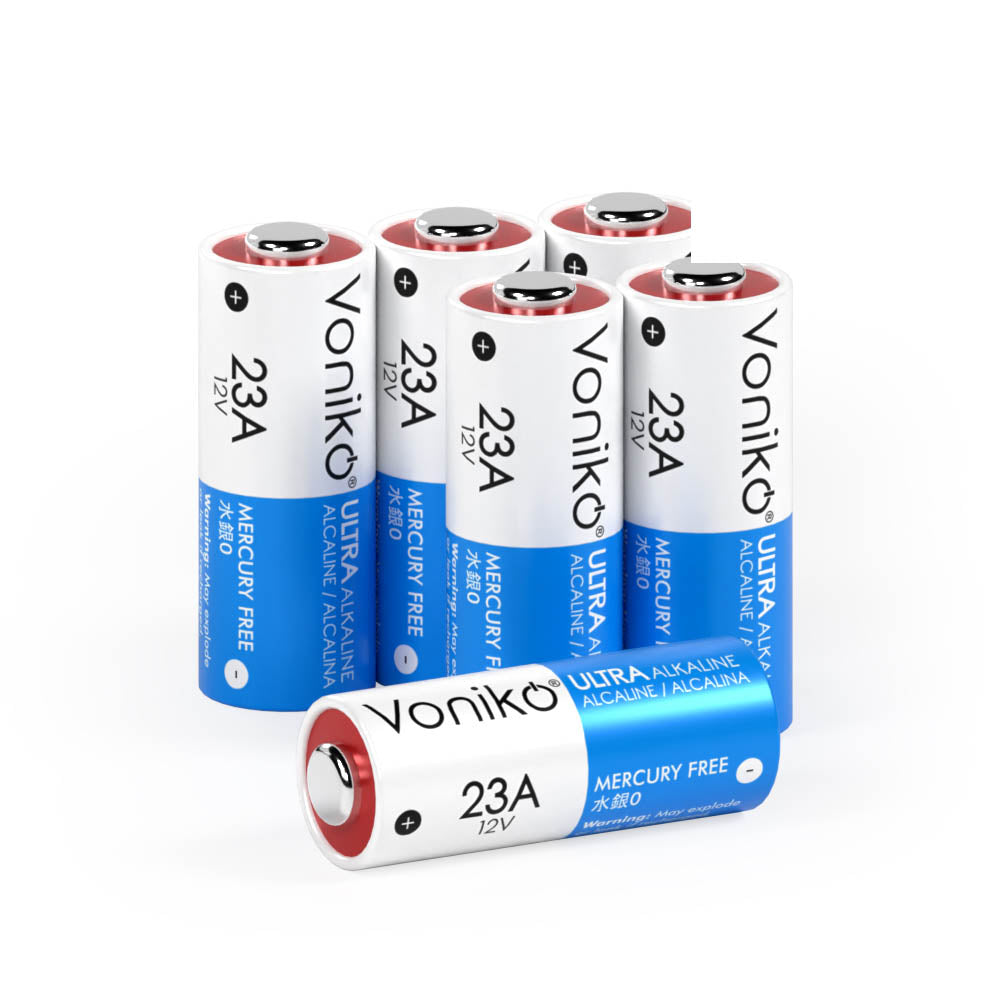
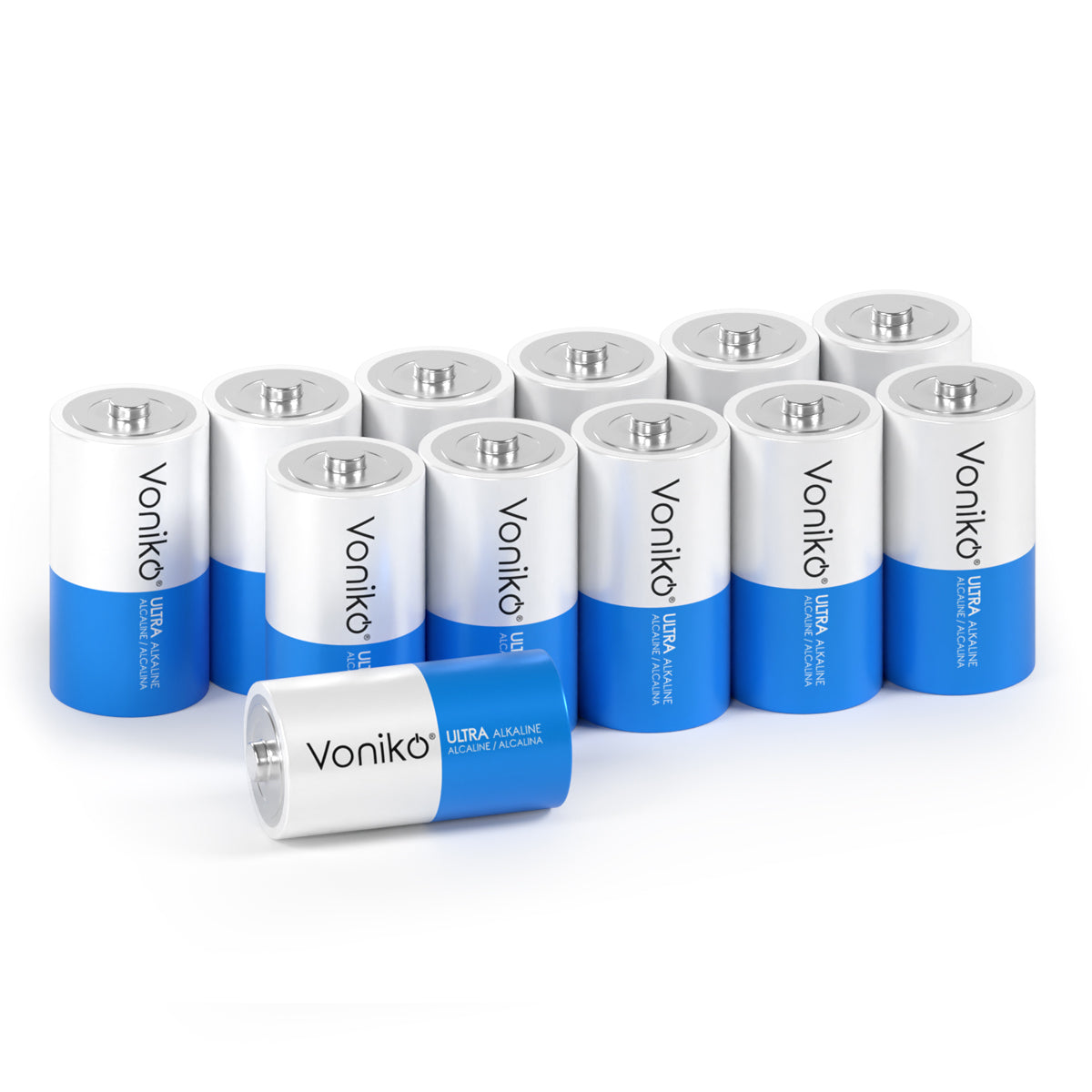
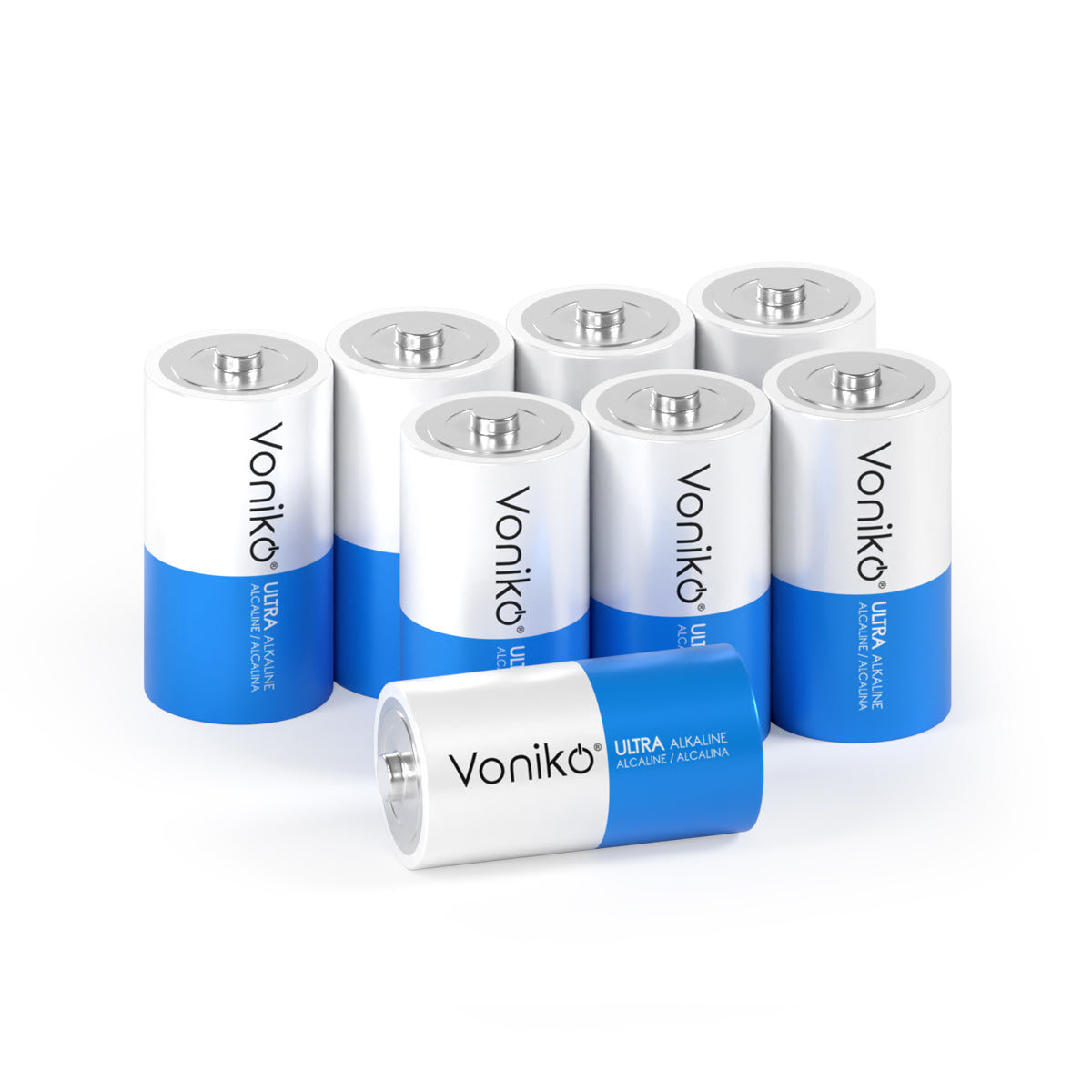
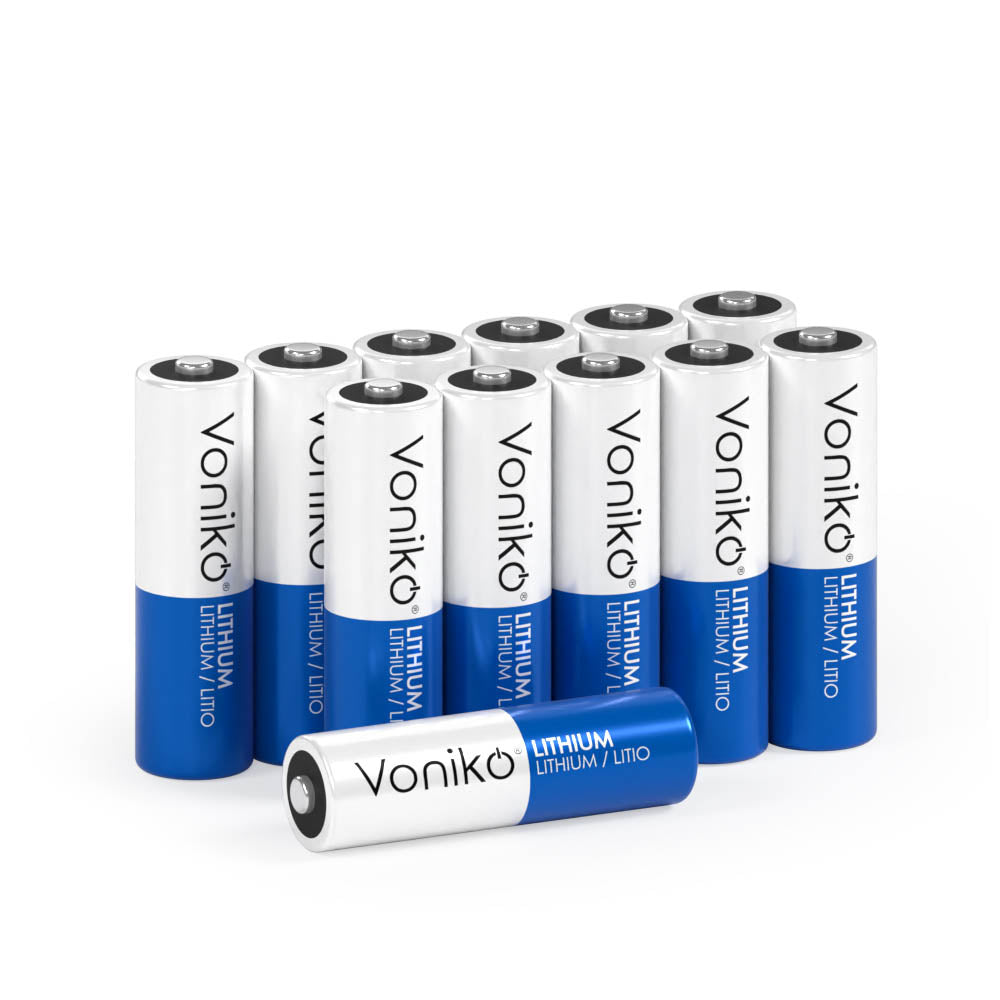


You're standing in the battery aisle, staring at two options: heavy duty and alkaline. Both promise power, but which one actually delivers? We've all grabbed the cheaper pack thinking we scored a deal, only to swap batteries again two weeks later. Let's cut through the confusion and show you exactly what sets these batteries apart.
What Are Heavy Duty Batteries?
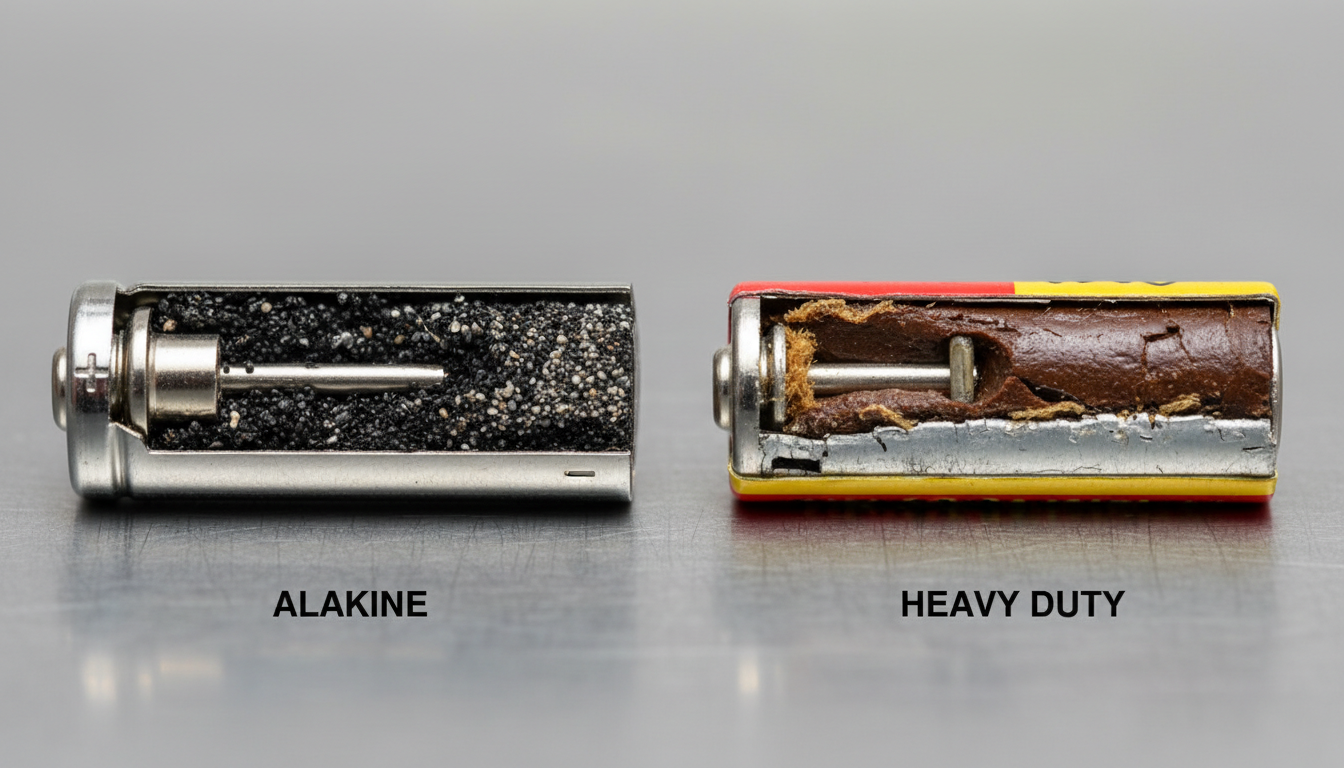
Heavy duty batteries - also called zinc-carbon batteries or general-purpose batteries - are the budget-friendly option you'll find at dollar stores and discount retailers. They use a simple zinc and carbon chemistry that's been around since the 1800s. The zinc casing acts as the negative terminal while a carbon rod sits in the center as the positive terminal, with manganese dioxide and ammonium chloride paste filling the space between.

These batteries work fine for low-drain devices that don't need much power. Think of items like wall clocks, TV remotes that barely get used, or that flashlight sitting in your junk drawer. They deliver 1.5 volts just like their alkaline cousins, but that voltage drops faster as you use them. The chemistry inside heavy duty batteries can't sustain high current draw, which means they'll die quickly in power-hungry gadgets.
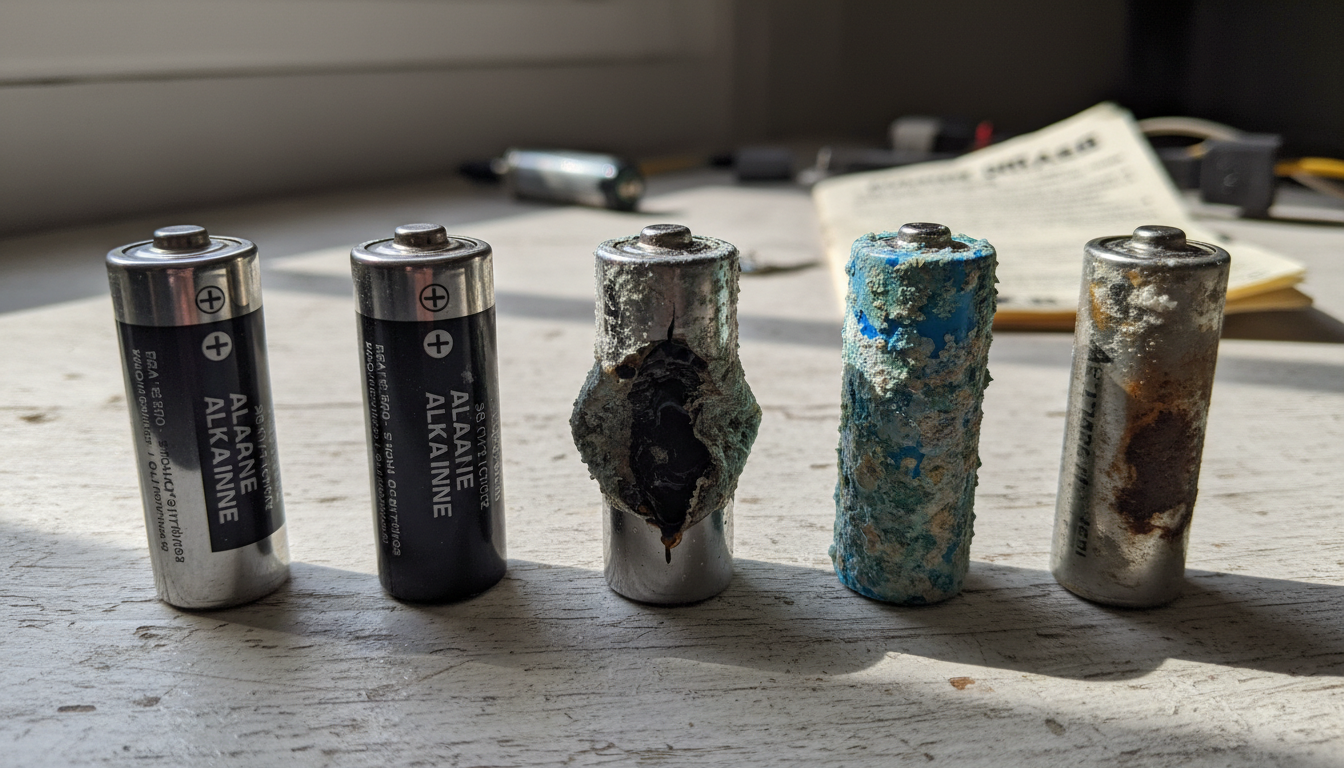
The shelf life of heavy duty batteries is pretty short - usually around 1-2 years if you store them properly. After that, the chemicals inside start breaking down even if you never use them. This makes them a poor choice for emergency supplies or devices you don't use often. Plus, they're more prone to leaking that crusty white gunk that ruins your electronics.
What Are Alkaline Batteries?
Alkaline batteries are the workhorses of portable power. They use potassium hydroxide (an alkaline electrolyte - hence the name) instead of the acidic paste in heavy duty batteries. This chemical upgrade gives them way more energy density, which means more power packed into the same size battery.
The construction is different too. Alkaline batteries put the zinc powder on the inside and use a steel casing on the outside, with manganese dioxide as the positive material. This design lets them handle higher current draws without voltage dropping off a cliff. When you pop fresh alkaline batteries into a digital camera or gaming controller, you'll notice they keep delivering consistent power until they're nearly dead.
We use alkaline batteries across our entire product line because they simply perform better for modern electronics. They last 5-10 years on the shelf when stored correctly, making them perfect for emergency kits and backup supplies. The leak-resistant design in quality alkaline batteries protects your devices even when batteries are depleted. You're getting 6-8 times more energy compared to heavy duty batteries in the same form factor.
Key Differences Between Heavy Duty and Alkaline Batteries
The chemistry difference between these battery types creates a cascade of performance gaps. Heavy duty batteries use zinc chloride or ammonium chloride electrolyte - both acidic and less efficient. Alkaline batteries use potassium hydroxide, which enables better chemical reactions and higher energy output. This isn't just technical jargon - it directly impacts how long your devices run.
Voltage stability separates winners from losers. Heavy duty batteries start at 1.5V but quickly sag under load. Graph their discharge curve and you'll see voltage sliding downward from the moment you insert them. Alkaline batteries maintain steady voltage for most of their life, then drop rapidly when depleted. Your devices need consistent voltage to work properly - fluctuating power causes weird behavior or complete shutdowns.
Here's a quick breakdown of the major differences:
| Feature | Heavy Duty Batteries | Alkaline Batteries |
|---|---|---|
| Chemistry | Zinc-carbon/Zinc chloride | Zinc-Manganese dioxide (alkaline) |
| Shelf Life | 1-2 years | 5-10 years |
| Energy Capacity | Low (2-3 amp-hours) | High (10-15 amp-hours) |
| Best For | Clocks, remotes | All devices, especially high-drain |
| Cost | $0.15-0.30 per battery | $0.30-0.50 per battery |
| Leak Risk | Higher | Lower (with quality brands) |
The price difference looks attractive at first glance - heavy duty batteries cost about half as much. But they deliver maybe 1/6th the energy, making them actually more expensive per hour of use. We've tested both types extensively, and alkaline batteries win every time for total cost of ownership.
Performance Comparison: Which Lasts Longer?
Let's talk real-world performance because spec sheets don't tell the whole story. We ran side-by-side tests with identical devices and the results were eye-opening. In a basic TV remote used occasionally (low-drain device), heavy duty batteries lasted about 4-6 months while alkaline batteries kept going for 2-3 years. That's a massive difference for just a few extra cents per battery.
The gap widens dramatically with moderate to high-drain devices. We tested both battery types in a portable radio playing at medium volume. Heavy duty batteries died after just 6-8 hours of playback. The same radio with alkaline batteries? Over 40 hours of continuous play. In digital cameras, heavy duty batteries might give you 20-30 photos before the low battery warning appears. Quality alkaline batteries will power through 300-500 photos depending on flash usage.
Gaming controllers and wireless keyboards tell the same story. Heavy duty batteries struggle to maintain the current draw these devices need, often lasting just days or weeks. Alkaline batteries in the same devices typically last 6-12 months with regular use. Kids' electronic toys with motors and lights will chew through heavy duty batteries in a weekend but run for months on alkaline power.
Temperature performance matters too. Heavy duty batteries lose capacity quickly in cold weather - they'll barely work at freezing temperatures. Alkaline batteries maintain decent performance down to 0°F, though they still lose some capacity. For outdoor devices or emergency supplies stored in garages, alkaline batteries are the only sensible choice.
Cost Analysis: Are Heavy Duty Batteries Worth It?
Simple math exposes the truth about battery value. Let's say you buy a 4-pack of heavy duty batteries for $1.20 (30 cents each) and they last 8 hours in your portable speaker. That's 32 total hours for $1.20, or 3.75 cents per hour. Now grab a 4-pack of alkaline batteries for $2.00 (50 cents each) and they run the same speaker for 50 hours each. That's 200 hours for $2.00, or exactly 1 cent per hour.
You're paying nearly 4 times more per hour of use with heavy duty batteries. The sticker price tricks you into thinking you're saving money, but you'll replace them so often that costs skyrocket. This doesn't even account for the hassle of constant battery swaps or the risk of device damage from leaks.
The economics get worse with high-drain devices. Heavy duty batteries might give you 30 minutes in a motorized toy, while alkaline batteries provide 6+ hours. You'd need to buy 12 packs of heavy duty batteries to match what one pack of alkaline batteries delivers. At that point, you've spent 6 times more money and created way more waste.
Coin cell batteries follow similar principles - premium lithium coin cells cost more upfront but deliver years of reliable power compared to cheaper alternatives that die in months. Quality always wins when you calculate actual cost per use.
Best Uses for Heavy Duty Batteries
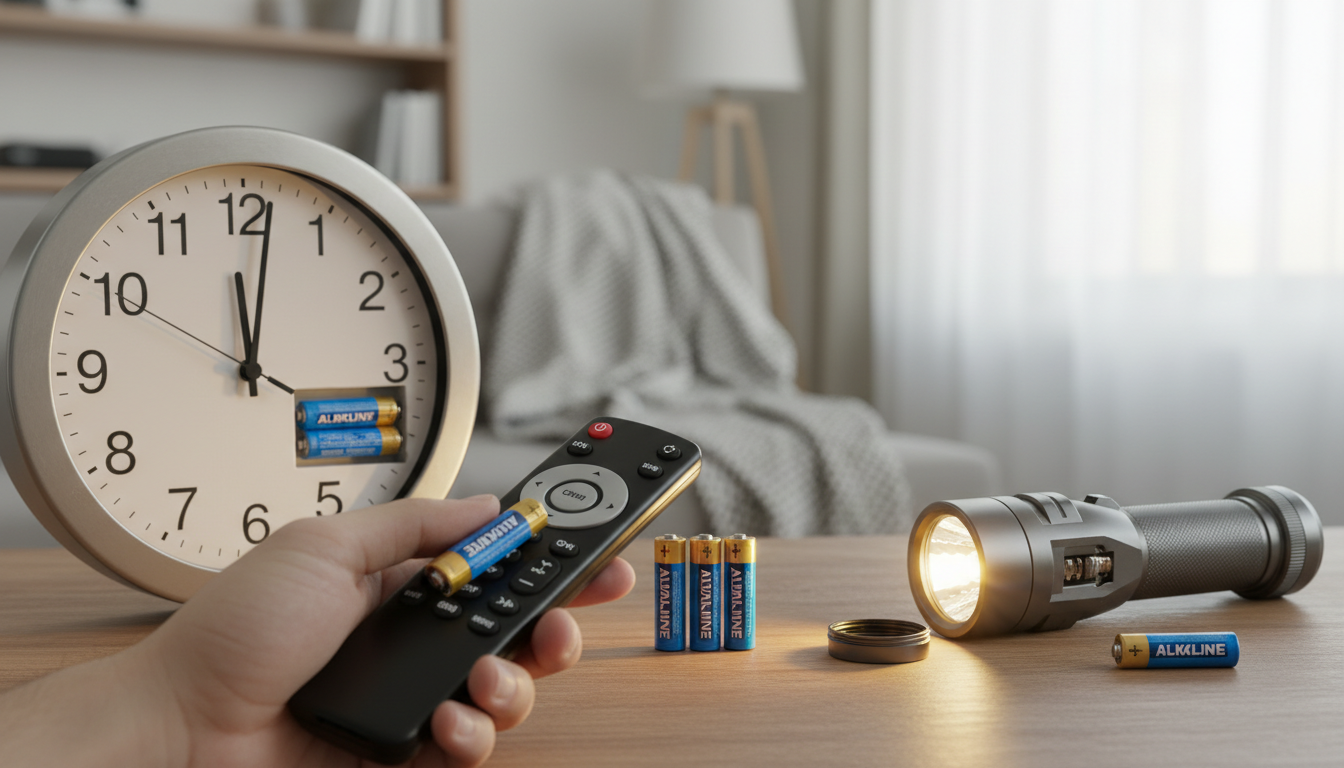
We're not saying heavy duty batteries are completely useless - they do have a narrow sweet spot. Wall clocks are the perfect example. These devices draw tiny amounts of current, maybe 50-100 microamps. Heavy duty batteries can power a wall clock for 8-12 months easily, and since clocks aren't critical devices, you won't care much when they die. The lower price makes sense here.
Basic TV remotes that sit unused most of the time also work fine with heavy duty batteries. If you're living alone and only watch a couple hours of TV per day, a remote draws so little power that heavy duty batteries will last 6+ months. Just don't use them in smart home remotes with backlights or voice controls - those need real power.
Emergency flashlights you replace yearly could use heavy duty batteries if you're on a tight budget. The key word is "replace yearly" - you need to mark your calendar and swap batteries before they leak. For safety devices like smoke detectors, emergency radios, or medical equipment, heavy duty batteries are a terrible choice. Don't risk it.
Honestly, we struggle to recommend heavy duty batteries for much else. Even in low-drain scenarios, the small savings don't justify the shorter life and higher leak risk. The one situation where they might make sense is if you're buying batteries for a community donation drive and need to maximize quantity over quality.
Best Uses for Alkaline Batteries
Alkaline batteries excel in basically everything. Digital cameras absolutely need alkaline power - the flash unit alone draws massive current that would kill heavy duty batteries instantly. Gaming controllers, wireless mice, and keyboards all perform best with alkaline batteries that can handle their constant drain.
Kids' toys are another no-brainer for alkaline batteries. Remote control cars, electronic learning toys, and anything with motors or lights will eat through cheap batteries in days. Quality alkaline batteries let toys run for months, meaning less frustration for kids and fewer midnight battery runs to the store for parents.
Personal care devices like electric toothbrushes, shavers, and grooming tools need the reliable power alkaline batteries provide. These devices often have precise timing circuits and motors that don't work right with fluctuating voltage. Medical devices like blood pressure monitors and glucose meters should only use alkaline batteries - accuracy depends on stable power.
Outdoor gear relies on alkaline batteries too. GPS units, camping lanterns, portable radios, and emergency weather radios all need batteries that won't quit in cold weather or high-drain situations. We always pack alkaline batteries for camping trips, road trips, and emergency kits because they're simply more dependable.
Smoke detectors, carbon monoxide alarms, and other safety devices mandate alkaline batteries. Most manufacturers void warranties if you use heavy duty batteries. Your family's safety isn't worth the dollar you'd save using inferior batteries. Period.
Which Battery Type Should You Choose?
For 95% of situations, alkaline batteries are the right answer. They cost more upfront but deliver better performance, longer life, and greater reliability. You'll replace them less often, create less waste, and avoid the frustration of devices dying at inconvenient times.
Heavy duty batteries only make sense if you're powering ultra-low-drain devices that aren't critical and you check them regularly for leaks. Even then, you're not saving much money and you're taking on extra hassle. We stick with alkaline batteries across our entire product range because we've seen the performance difference firsthand.
Think about your device's power needs, how often you use it, and what happens if batteries die unexpectedly. High-drain devices, infrequently used emergency gear, and anything important should always get alkaline batteries. You can experiment with heavy duty batteries in a wall clock or rarely-used remote, but we'd still recommend alkaline for the peace of mind.
Storage time matters too. Buying batteries for future use? Alkaline batteries will still work great in 5-7 years. Heavy duty batteries might be dead or leaking after 18 months on the shelf. The extra cost of alkaline batteries disappears when you factor in fewer replacements and no damaged devices.
Conclusion
The choice between heavy duty and alkaline batteries comes down to performance versus price - and alkaline batteries win on both counts when you calculate cost per use. Heavy duty batteries use outdated zinc-carbon chemistry that can't compete with the energy density, shelf life, and reliability of modern alkaline technology. While heavy duty batteries cost less initially, they die faster, leak more often, and end up costing more over time.
We recommend alkaline batteries for virtually all modern electronics. They handle high-drain devices effortlessly, maintain steady voltage throughout their life, and last 5-10 years in storage. The small premium you pay upfront saves you money and hassle in the long run. Your devices will perform better, run longer, and stay protected from damaging leaks.
Don't let bargain pricing fool you into buying heavy duty batteries. The math doesn't lie - alkaline batteries deliver better value per hour of use. For devices that matter, devices you use regularly, and devices you rely on in emergencies, alkaline batteries are the only smart choice.
FAQs
Can I mix heavy duty and alkaline batteries in the same device?
Never mix battery types in the same device. Heavy duty and alkaline batteries have different voltage curves and discharge rates - combining them causes the weaker heavy duty batteries to drain faster and potentially leak. The stronger alkaline batteries will try to push current backwards through depleted heavy duty batteries, creating heat and leak risk. Always use matching battery types, brands, and age in multi-battery devices for safety and performance.
Why are heavy duty batteries still sold if alkaline batteries are better?
Heavy duty batteries remain on shelves because they're cheaper to manufacture and some retailers market them to price-conscious shoppers. Dollar stores and discount retailers stock them because low prices attract customers who don't understand the performance difference. Manufacturers still produce them for markets where initial cost matters more than longevity. However, informed consumers recognize that alkaline batteries offer better overall value despite higher upfront costs.
Do alkaline batteries really last 10 times longer than heavy duty batteries?
In high-drain devices, alkaline batteries can absolutely last 10+ times longer than heavy duty batteries. Our testing showed alkaline batteries providing 40+ hours in a portable radio versus 6-8 hours for heavy duty batteries - that's a 5-6x difference. In digital cameras and motorized toys, the gap widens to 10-15x or more. Low-drain devices like clocks show smaller differences (maybe 2-3x), but alkaline batteries still win across the board.
Are heavy duty batteries better for the environment than alkaline batteries?
Not really. While heavy duty batteries contain less total material, you'll use many more of them to power the same devices, creating more waste overall. Modern alkaline batteries from quality manufacturers use mercury-free formulations and can be recycled at many collection centers. The longer life of alkaline batteries means fewer batteries produced, shipped, and disposed of - making them the more environmentally friendly choice per hour of device use.
Will heavy duty batteries damage my devices?
Heavy duty batteries won't immediately damage devices, but they pose higher leak risks as they age or deplete. The acidic electrolyte in heavy duty batteries is more corrosive than alkaline electrolyte when leaks occur. Leaked battery acid can corrode metal contacts, circuit boards, and springs inside devices, causing permanent damage. This risk increases in devices left unused for months or in high temperatures. Quality alkaline batteries feature better leak protection and less corrosive chemistry.