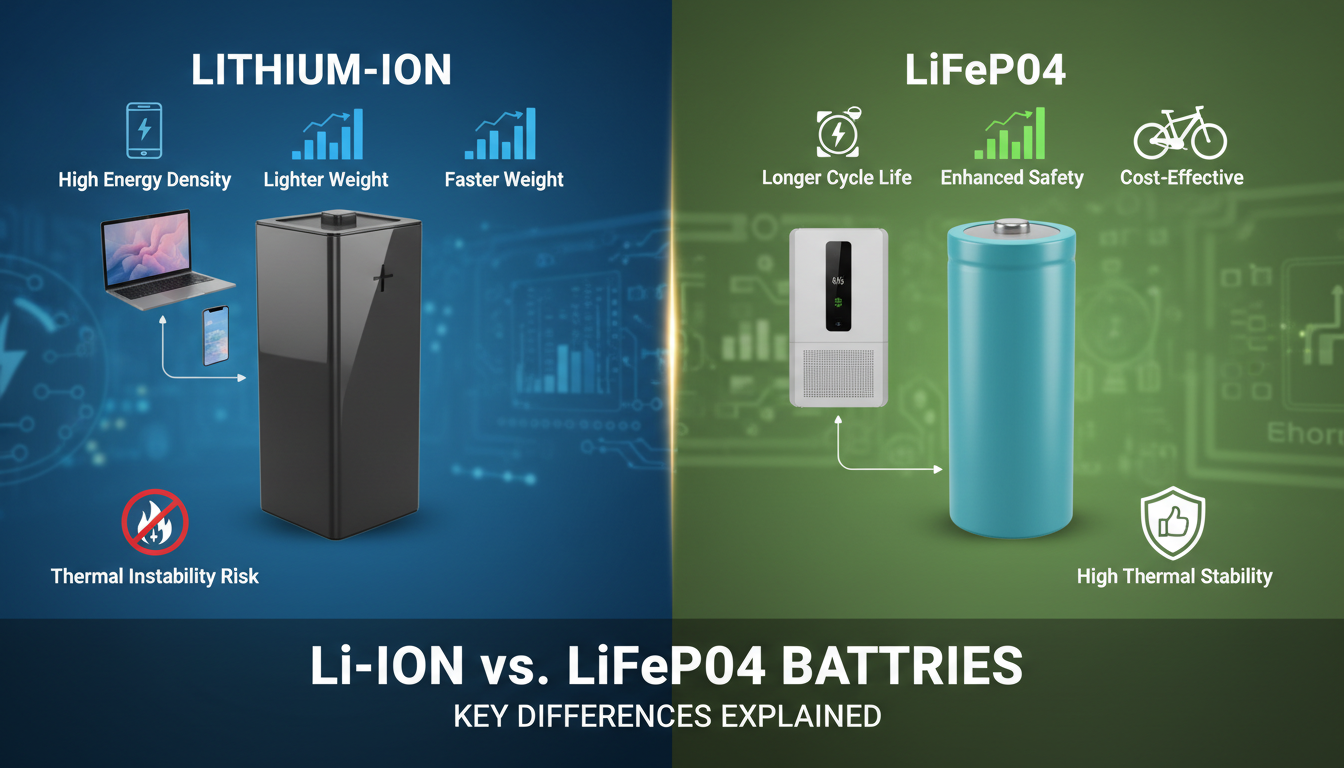




If you've ever pulled out your phone on a freezing morning and watched the battery tank from 80% to 10% in minutes, you already know what cold does to lithium batteries. It's not just phones — cameras, flashlights, smart home devices, and every gadget powered by lithium cells takes a hit when temperatures drop. We're going to break down exactly what happens inside your batteries when winter rolls in, why it matters, and how to keep your gear running strong no matter how cold it gets.
Lithium batteries power nearly everything we use daily. From the non-rechargeable lithium cells in your digital camera to the rechargeable packs in your electric tools, lithium chemistry dominates modern portable power. And for good reason — lithium batteries pack more energy into a smaller, lighter package than just about any other option out there. But they have one well-known weakness: cold weather. If you live anywhere in the northern half of the U.S., or you take your gear outdoors during winter, you need to know how low temperatures affect lithium battery performance and what you can do about it.

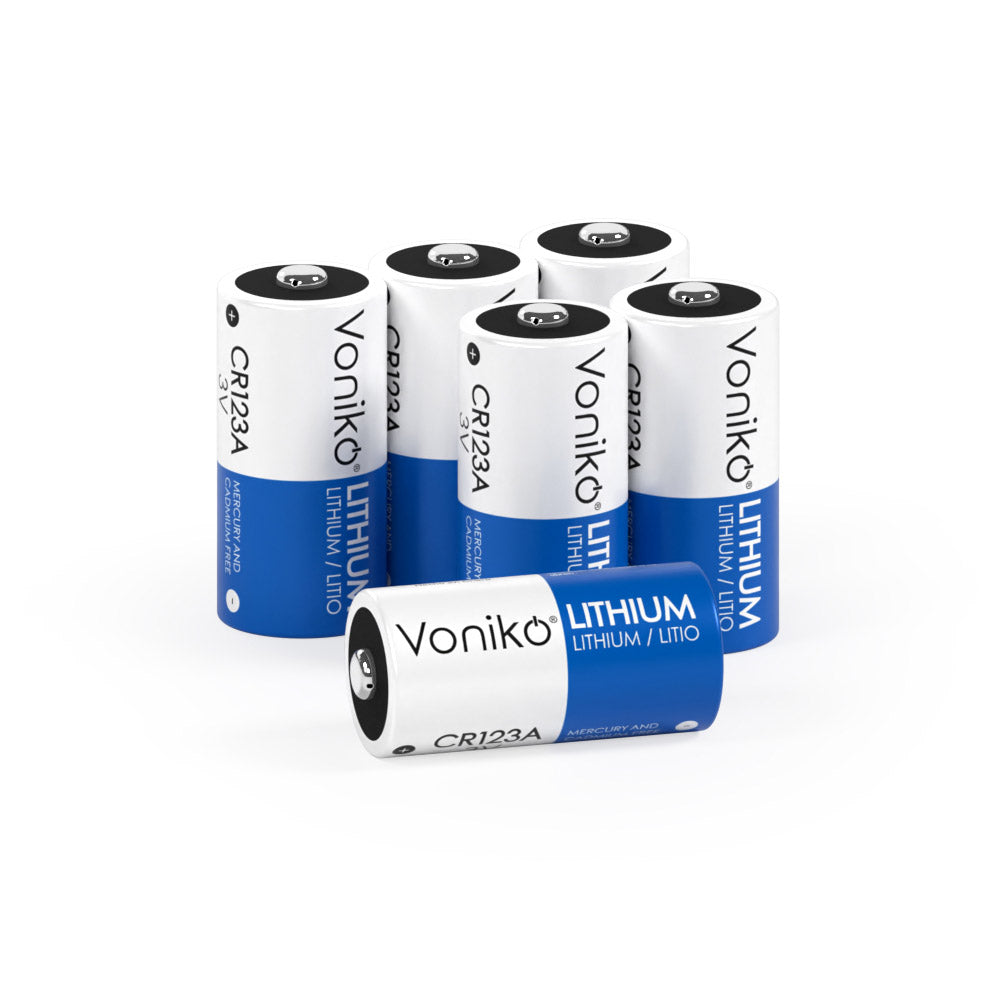
This goes for both rechargeable lithium-ion batteries and single-use lithium cells (like FR6 AA or CR123A batteries). While the chemistry differs slightly between types, the core issue is the same — cold slows everything down inside the cell, and that shows up as shorter runtime, weaker output, and sometimes permanent damage. Whether you're powering a high-drain device like a digital camera or a low-drain gadget like a smart sensor, winter weather changes how your battery behaves. Let's dig into the details.
Why Lithium Batteries Struggle in Cold Weather
Every battery works by moving ions through a liquid or gel electrolyte between two electrodes — the anode (negative) and the cathode (positive). A lithium battery relies on the movement of lithium ions through an electrolyte between the anode and cathode to charge and discharge. When you use a device, lithium ions flow from the anode to the cathode, releasing energy. When you charge it, they flow back. This whole process depends on chemistry, and chemistry is temperature-sensitive.
As temperatures drop, the electrolyte's conductivity decreases because lower temperatures cause the electrolyte to become more viscous, hindering the movement of lithium ions. The reduced mobility of ions directly affects the battery's ability to charge and discharge effectively. Think of it like trying to pour honey on a cold morning — it moves slow and thick. That's essentially what happens to the electrolyte inside your battery. The lithium ions can't get where they need to go fast enough, and the result is less power reaching your device.
Cold temperatures increase the internal resistance of a battery, which can lower the battery's capacity. Higher internal resistance means the battery has to work harder to deliver the same amount of power. You feel this as dimmer flashlight beams, shorter camera sessions, slower device response, and batteries that seem to die way too fast. The energy is technically still in the battery — it just can't get out efficiently. That's why a "dead" battery in the cold can sometimes recover some charge once you bring it back to room temperature. The energy was there all along; the cold just locked it up.
How Much Capacity Do You Lose in the Cold?
This is where the numbers tell the real story. Lithium battery performance doesn't just dip a little in the cold — it can drop off a cliff depending on how far below room temperature you go.

Lithium-ion batteries have an optimal operating range between 20°C to 25°C (68°F to 77°F). When temperatures drop below freezing (0°C or 32°F), the battery's performance starts to degrade. Here's a rough breakdown of what to expect at different temperature thresholds, based on widely reported performance data across lithium-ion chemistries:
| Temperature | Approx. Capacity Retained |
|---|---|
| 25°C (77°F) — Room temp | ~100% (baseline) |
| 0°C (32°F) — Freezing | ~70–80% |
| -10°C (14°F) | ~60–70% |
| -20°C (-4°F) | ~50–60% |
| -30°C (-22°F) | ~40–50% (with high risk of damage) |
At 0°C, a lithium ion battery can lose 20-30% of its rated capacity. At -10°C, the battery may only deliver about 70% of its normal capacity, and at -20°C, the loss can reach up to 50%. These aren't small numbers. If you're heading out for a winter hike with a GPS tracker, or snapping photos at a holiday event in a cold venue, your batteries could run out way sooner than you'd expect based on normal conditions.
A battery that provides 100 percent capacity at 27°C (80°F) will typically deliver only 50 percent at -18°C (0°F). That's half your runtime gone, just because of the temperature. And the harder you push the battery — faster discharge rates, higher current draw — the worse the cold-weather performance gets. A digital camera with flash, for example, pulls heavy current in quick bursts. In cold weather, that combination magnifies the capacity loss because the sluggish electrolyte can't keep up with the demand.
It's also worth noting that these capacity losses are mostly temporary. Once the battery warms back up, it can usually deliver close to its normal capacity again — as long as no permanent damage occurred while it was cold. The real danger comes from charging in the cold, which we'll get to next.
Lithium Plating: The Cold-Weather Killer
If there's one thing you take away from this article, let it be this: never charge a lithium battery below freezing if you can avoid it. Discharging (using) a lithium battery in cold temps reduces performance, but charging in those same conditions can cause permanent, irreversible damage through a process called lithium plating.

Charging a lithium battery below 0°C (32°F) can cause lithium plating on the battery's anode, leading to permanent capacity loss and increased risk of internal short circuits and safety hazards. Here's what happens: normally, when you charge a lithium battery, lithium ions move from the cathode and slot neatly into the structure of the graphite anode — a process called intercalation. But in the cold, those ions are sluggish. In freezing charging conditions, lithium ions get lost navigating their way into the graphite anode. Instead of intercalating, these ions end up plating the surface of the anode. Charging in freezing temps can cause plating, which reduces battery capacity and increases resistance.
The plated lithium forms metallic deposits on the anode surface. This is bad for two reasons. First, it permanently removes lithium from the active cycle, so your battery loses capacity that never comes back. Second, if enough plating builds up, it can puncture the separator and create a dangerous short inside the cell. That's not just a dead battery — that's a potential safety hazard.
Although the optimal temperature range for lithium batteries is -4°F to 140°F, lithium batteries should only be charged in temperatures between 32°F and 131°F (0°C to 55°C) for maximum safety. So the safe discharge range is much wider than the safe charging range. You can use your lithium-powered flashlight out in 10°F weather with reduced performance but no damage. But if you plug that same device into a charger while it's still at 10°F, you're risking permanent harm to the cells. Always bring your battery-powered devices indoors and let them warm to at least room temperature before charging.
How to Protect Lithium Batteries in Cold Weather
The good news is that cold-weather battery problems are manageable once you know what to do. A few simple habits can extend your lithium battery life during winter and keep your devices running when you need them most.
The single best thing you can do is warm your batteries before use. Experimental studies show that preheating a lithium-ion battery from -15°C to 15°C can recover over 80% of its rated capacity. You don't need fancy equipment for this. Just bring your device inside and let it sit at room temperature for 15-20 minutes before you head out. If you're going to be outside for a while, keep spare batteries in an inside jacket pocket where your body heat will keep them warm. When the active battery in your device fades, swap in the warm spare and rotate.
For devices that stay outdoors — like trail cameras, smart security cameras, or outdoor smart locks — insulation makes a big difference. Battery wraps, insulated cases, or even simple foam enclosures can buffer the cells from the worst temperature swings. This is especially true at night when temperatures bottom out. A battery sitting in an insulated housing might stay 10-15 degrees warmer than one exposed directly to the air, and that can be the difference between full function and a dead device.
When it comes to storage, keep your lithium batteries in a climate-controlled spot during winter. For long-term storage, the ideal lithium ion battery storage temperature is 10°C to 25°C (50°F to 77°F). Don't leave batteries in your car, your garage, or an unheated shed. The cold won't destroy them overnight, but extended exposure to low temperatures accelerates degradation and can reduce overall battery lifespan. If you're storing rechargeable lithium batteries for the season, keep them at about 40-60% charge rather than fully charged or fully drained.
And as we mentioned, never charge below freezing. The number one rule when it comes to cold-weather charging is not to charge your batteries when the temperature falls below freezing without reducing the charge current. If you absolutely must charge in a cold environment, slow the charge rate down significantly — to 5-10% of the battery's capacity — and monitor closely. But the safer play is always to warm the battery first.
When to Choose Lithium Over Alkaline in Winter
Here's something a lot of people don't realize: for certain cold-weather applications, lithium batteries actually outperform alkaline and every other common consumer battery chemistry. Despite the performance hit they take in the cold, lithium cells still hold up better than the alternatives.

Alkaline batteries also lose capacity in cold weather — and they lose it faster than lithium. The chemistry in an alkaline cell is even more sensitive to temperature drops. A standard alkaline AA battery that works fine at room temperature can deliver barely anything at -20°C. Lithium batteries at that same temperature still put out 50-60% of their rated capacity. That's a massive advantage when you're powering a GPS, a headlamp, or a camera during a winter trip.
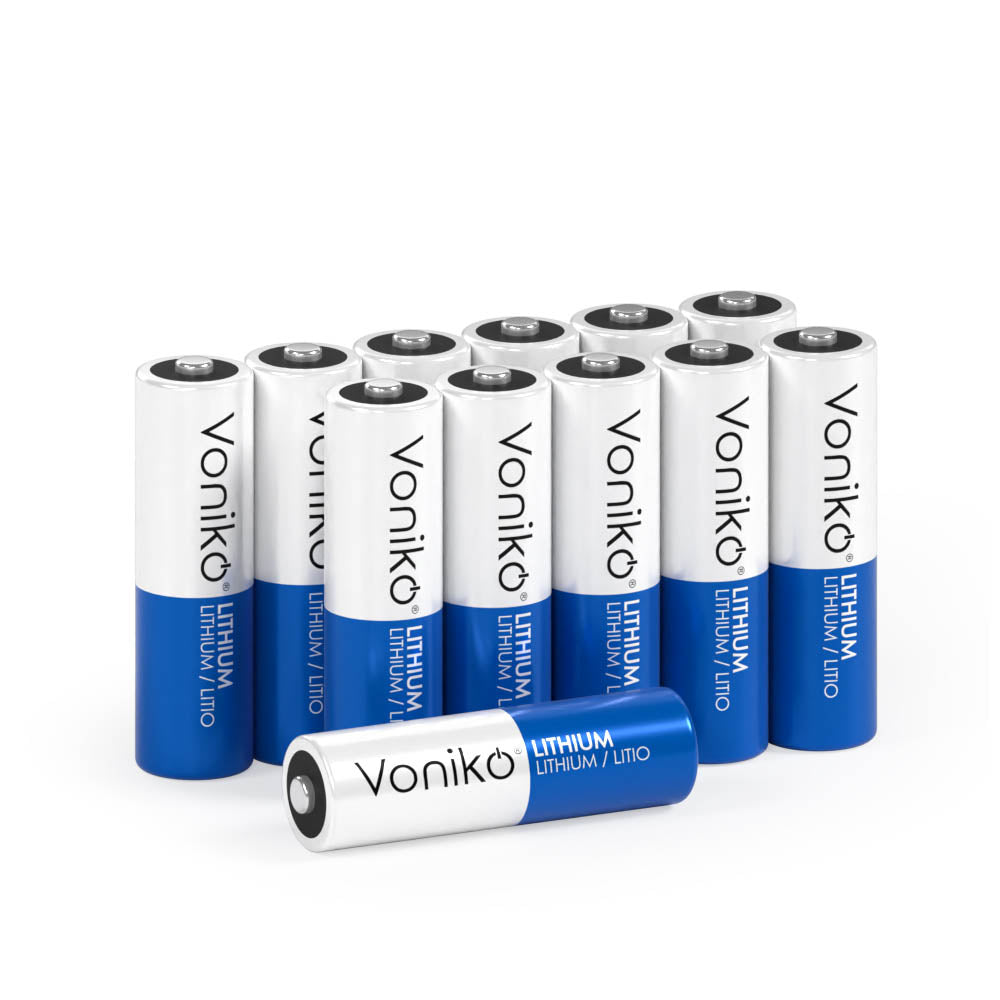
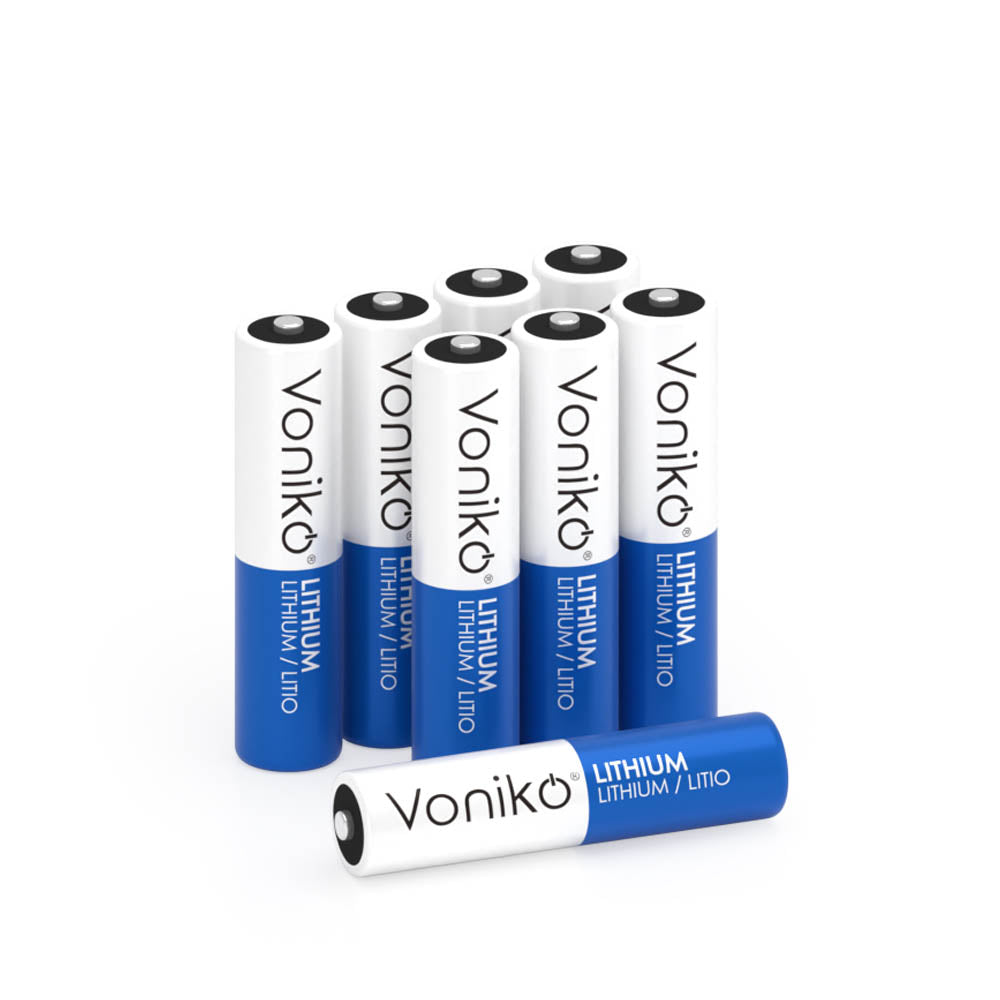
Our Voniko Lithium AA batteries (FR6, 1.5V, 3000mAh) are built exactly for situations like this. They're lighter than alkaline, they have a wider operating temperature range, and they hold more energy per cell. For anyone who uses battery-powered gear outdoors in cold weather — hunters, hikers, winter sports enthusiasts, photographers — lithium single-use cells are the better pick when the thermometer drops. They also have a shelf life of up to 15 years, so you can stock up and not worry about them going dead in a drawer.
That said, for everyday indoor use and typical household devices, premium alkaline batteries remain an excellent and cost-effective choice. We cover this in detail in our guide to the best high-drain devices for alkaline batteries, where we break down which devices benefit most from alkaline chemistry. The key is matching the right battery to the right situation — and in cold weather, lithium has the edge.
FAQs
Can lithium batteries freeze in cold weather?
Technically, the electrolyte inside a lithium battery can freeze in extreme arctic conditions, but it takes very low temperatures to reach that point — well below what most people in the U.S. will encounter. Lithium-ion batteries are impacted much less by freezing weather. Since the electrolyte stays constant and doesn't become diluted, it will not freeze in extremely cold temperatures. The real issue isn't freezing — it's the reduced ion mobility and increased internal resistance that come with any drop below room temperature. Your batteries don't need to freeze solid to lose a big chunk of their performance.
How cold is too cold for lithium batteries?
Between 0°C and -10°C (32°F to 14°F), capacity drops moderately but the battery can still function. Between -10°C and -20°C (14°F to -4°F), efficiency is significantly reduced. Below -20°C (-4°F), the risk of permanent damage increases, and charging at such temperatures can cause irreversible harm. Most manufacturers spec their lithium batteries for discharge down to about -20°C (-4°F). Beyond that, you're in risky territory for both performance and battery health.
Can you charge a lithium battery below freezing?
You shouldn't unless you have a system designed for it. Charging a cold battery below freezing (32°F or 0°C) can cause lithium plating, a condition that permanently damages the battery. If you must charge in cold conditions, reduce the current to 5-10% of battery capacity and make sure you're monitoring the process. The safest approach is always to warm the battery above 32°F (0°C) first. Rechargeable batteries with built-in heating elements or temperature-aware Battery Management Systems (BMS) can handle cold-weather charging more safely.
Do lithium batteries recover capacity after being cold?
Yes, in most cases. The capacity loss from cold temperatures is largely temporary. Once the battery warms back to its normal operating range (68-77°F), it should deliver close to its rated capacity again. The exception is if the battery was charged while cold (causing lithium plating) or exposed to extreme temperatures for extended periods, which can cause permanent degradation. The key is to avoid charging in the cold and to warm batteries before heavy use.
Are lithium batteries better than alkaline in winter?
For cold-weather outdoor use, yes. Lithium batteries maintain significantly more capacity at low temperatures than alkaline batteries. At 32°F, lithium batteries can operate with very little loss, providing 95-98% of their capacity, whereas lead-acid batteries drop to 70-80%. Even at 14°F, lithium batteries will provide 80% of their rated capacity. Alkaline batteries fall somewhere in between, but they still can't match lithium in the cold. If you're heading into freezing conditions with cameras, GPS units, flashlights, or other battery-dependent gear, lithium is the way to go.