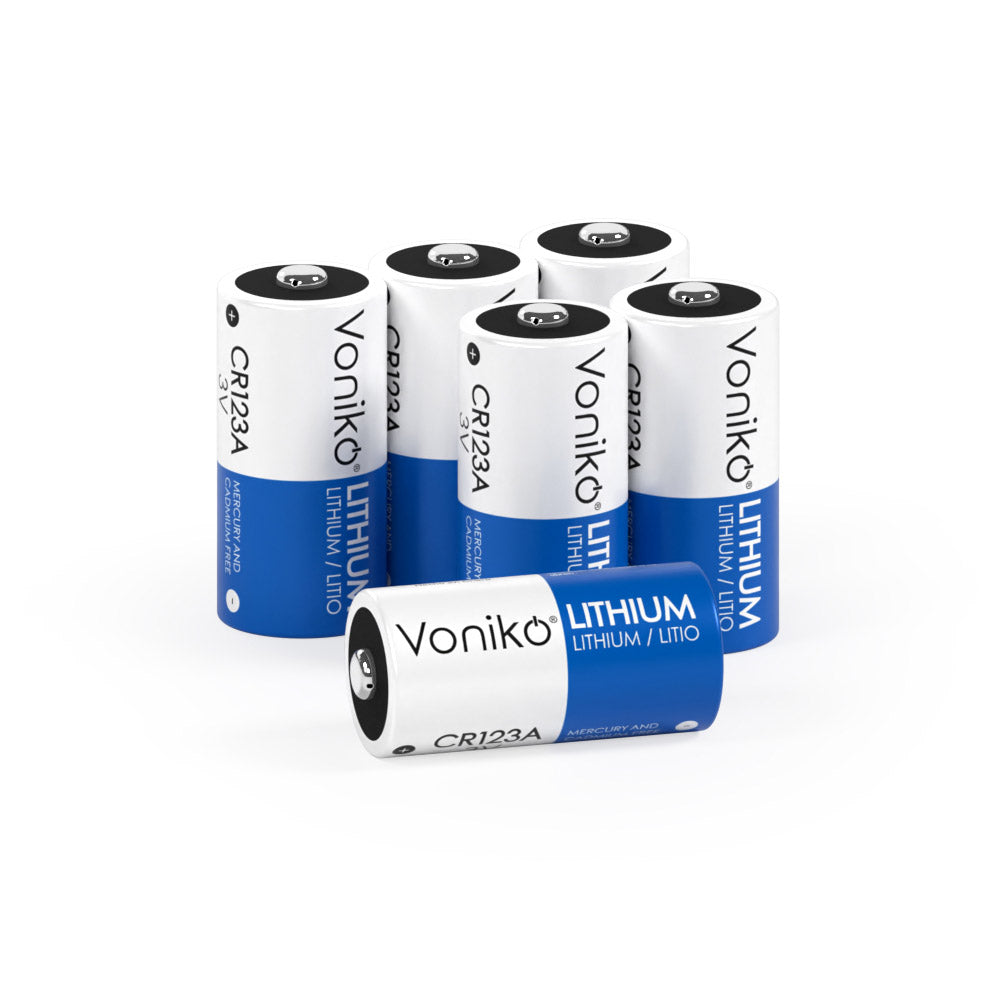
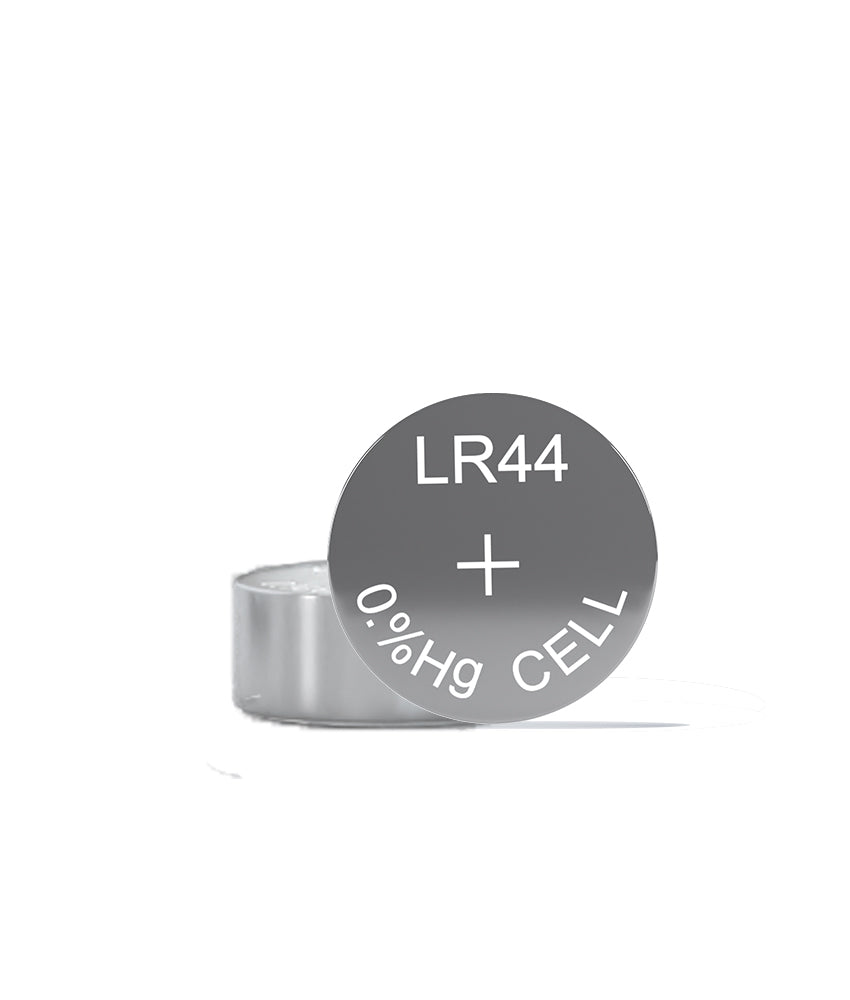
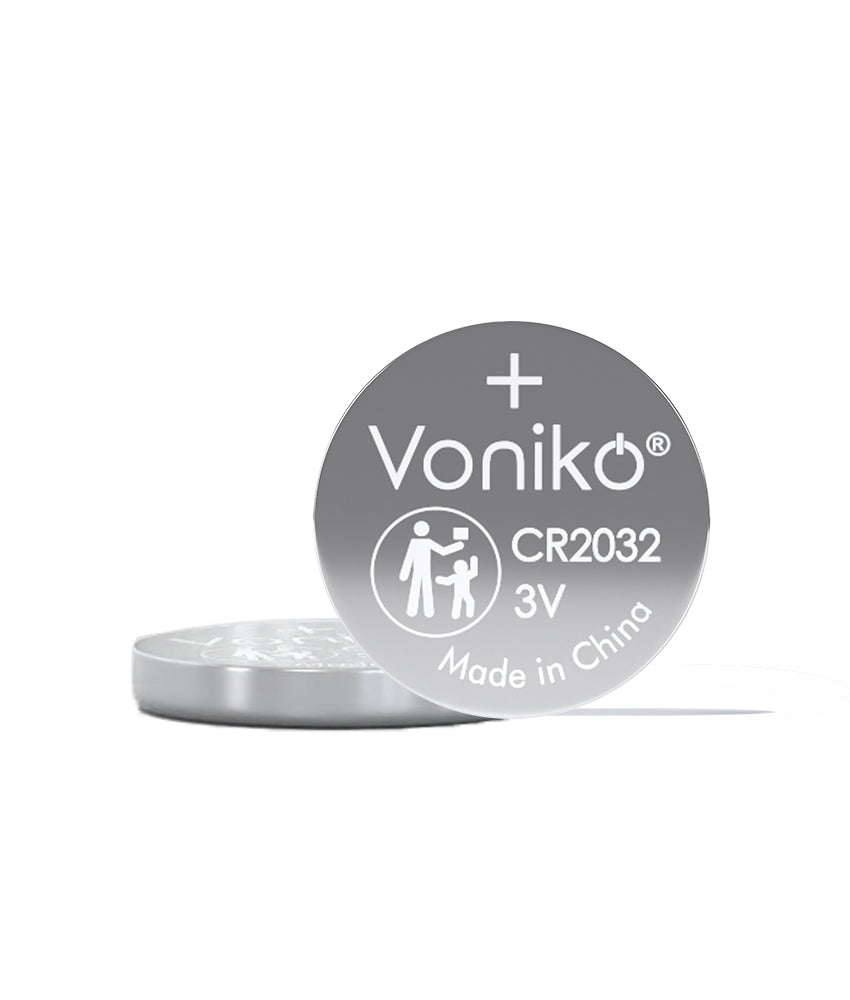
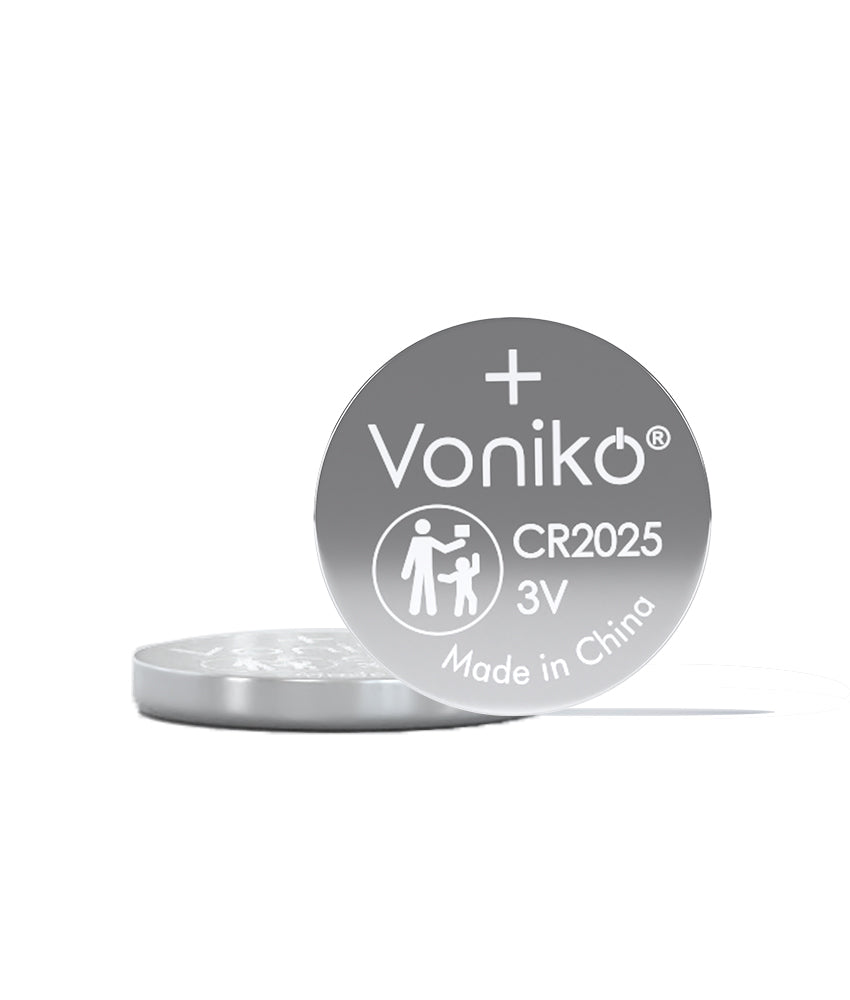


Shipping lithium batteries might seem straightforward, but there's more to it than just dropping a package in the mail. These power sources—found in everything from smartphones to power tools—come with specific rules and requirements. Whether you're shipping lithium batteries for business or sending a device to a friend, knowing the regulations can save you time, money, and potential headaches.
We'll walk you through everything you need to know about shipping batteries safely and compliantly. From understanding the different battery types to choosing the right carrier and packaging your shipment correctly, this guide covers the basics without the jargon.
Why Lithium Batteries Require Special Handling
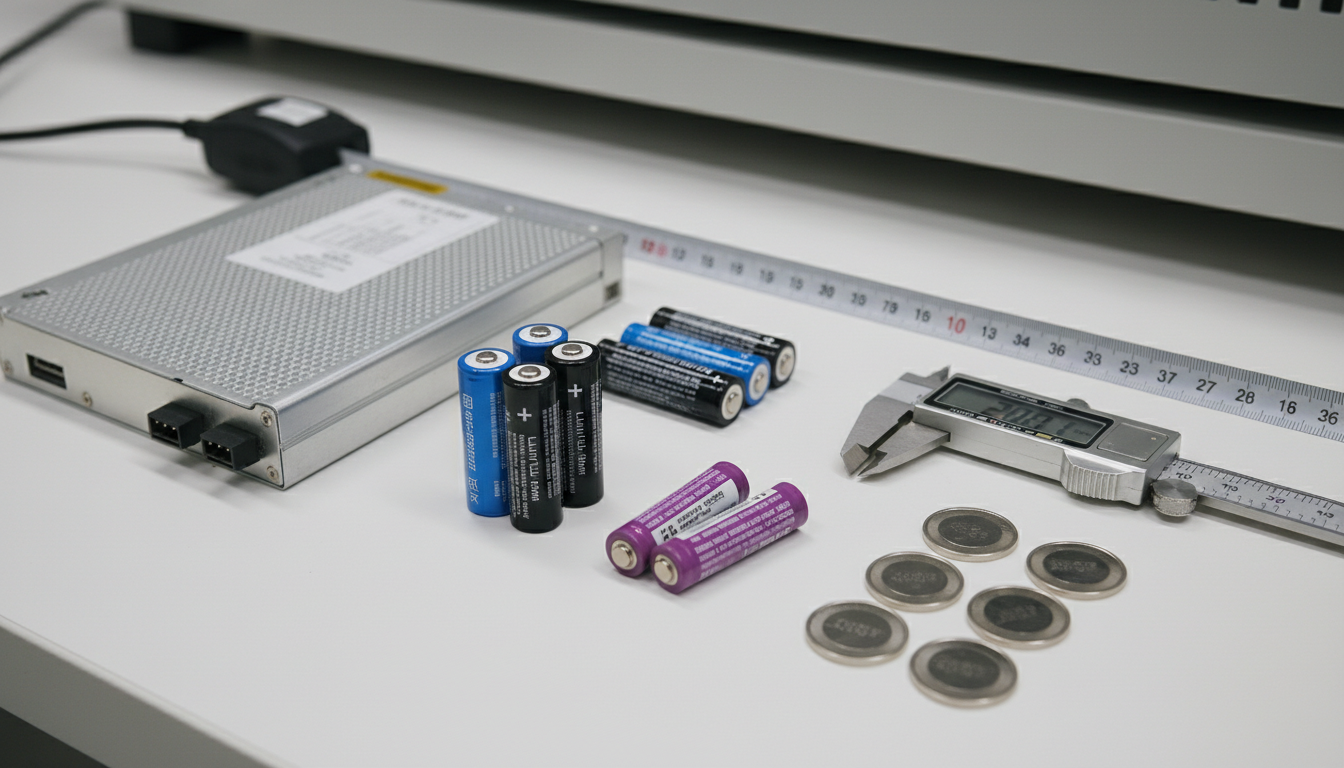
Lithium batteries pack more energy than ever before, and this increased energy density brings greater risk. The U.S. Department of Transportation classifies lithium batteries as hazardous materials under HMR regulations (49 C.F.R., Parts 171-180).
Think about it—these batteries power everything from your laptop to lithium coin cells in watches. They pose higher risks due to their energy density and potential for overheating or combustion, and improperly packaged lithium batteries can ignite fires that are difficult to extinguish. That's why carriers and regulators take shipping rules seriously.
Know Your Battery Type: Lithium-Ion vs. Lithium Metal
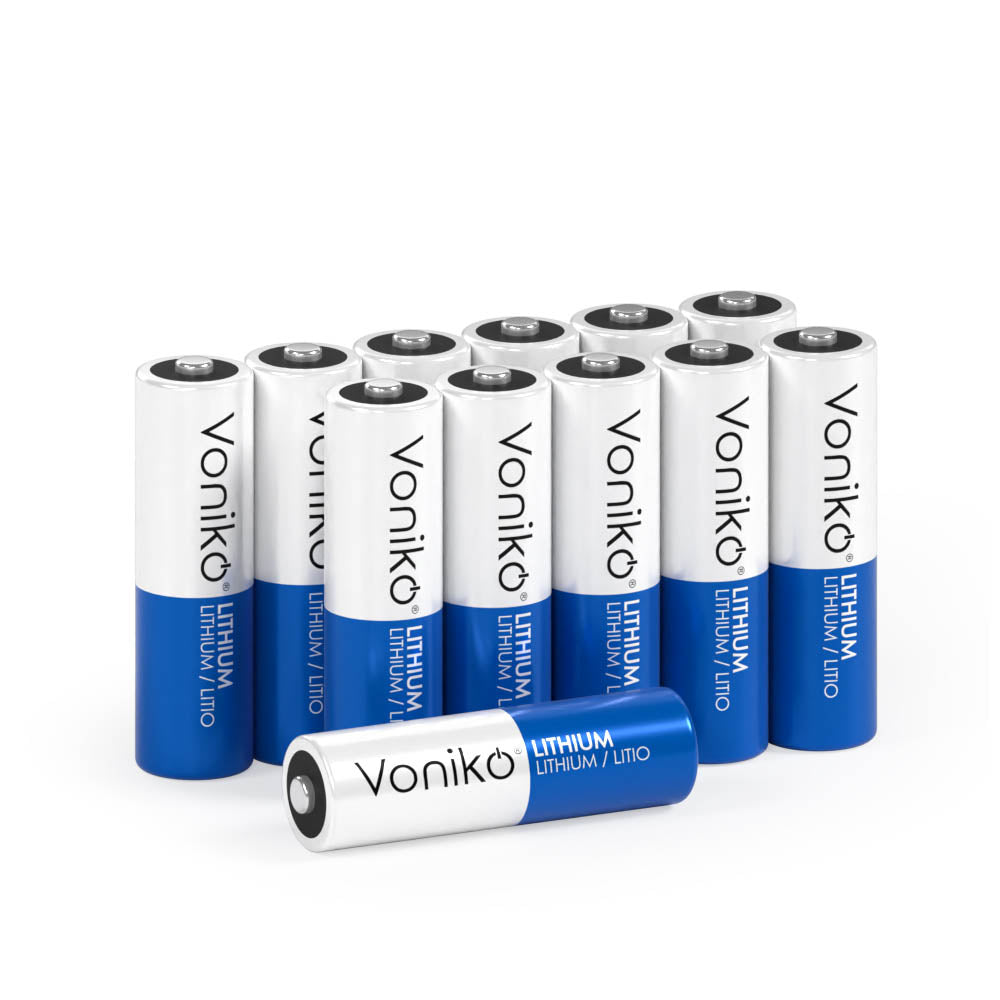
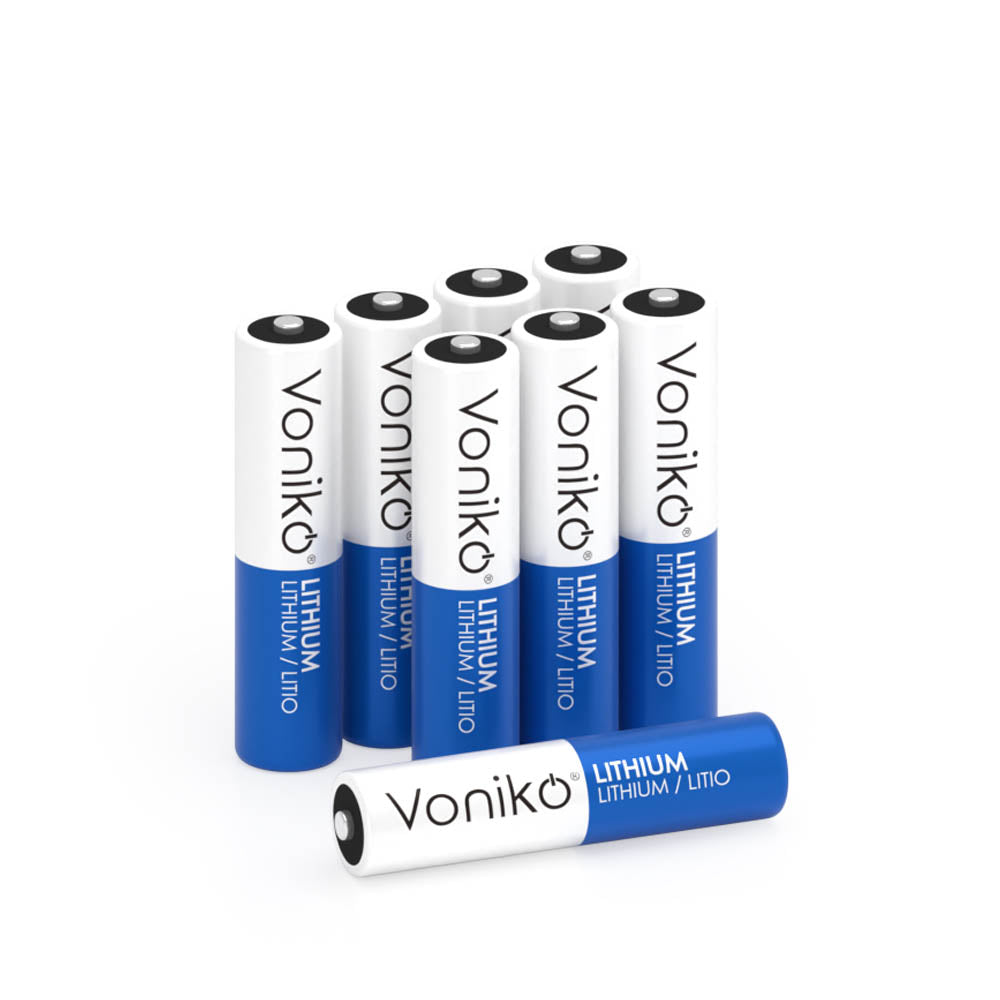
Before you ship, figure out what type of battery you have. The two main types are lithium metal (primary non-rechargeable) and lithium ion (rechargeable). This matters because each type has different shipping requirements.
For lithium-ion, the Watt-hour rating may not exceed 20 Wh for a cell or 100 Wh for a battery. For lithium metal, the lithium content may not exceed 1 g for a cell or 2 g for a battery. You'll typically find this information printed on the battery itself or in the manufacturer's documentation.
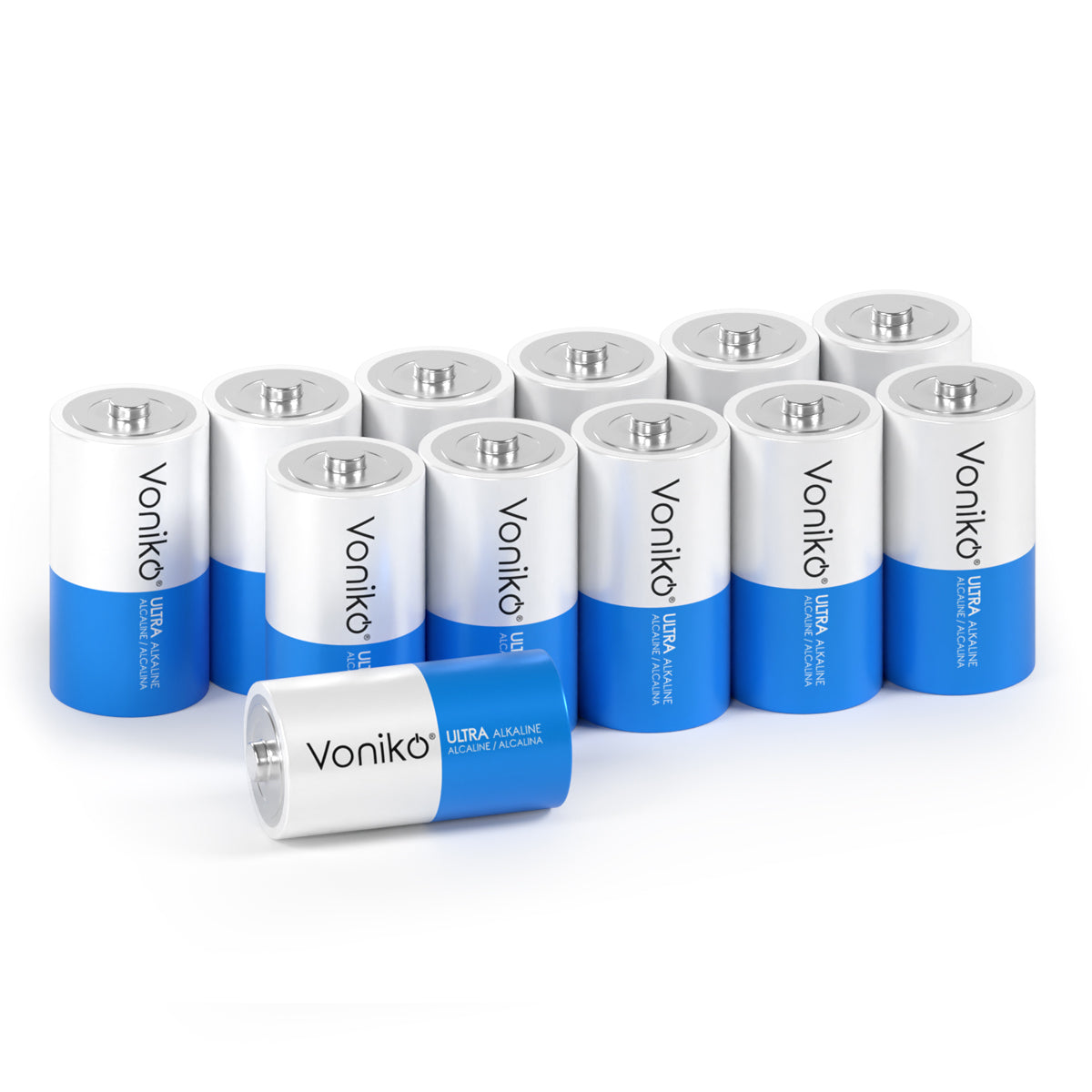
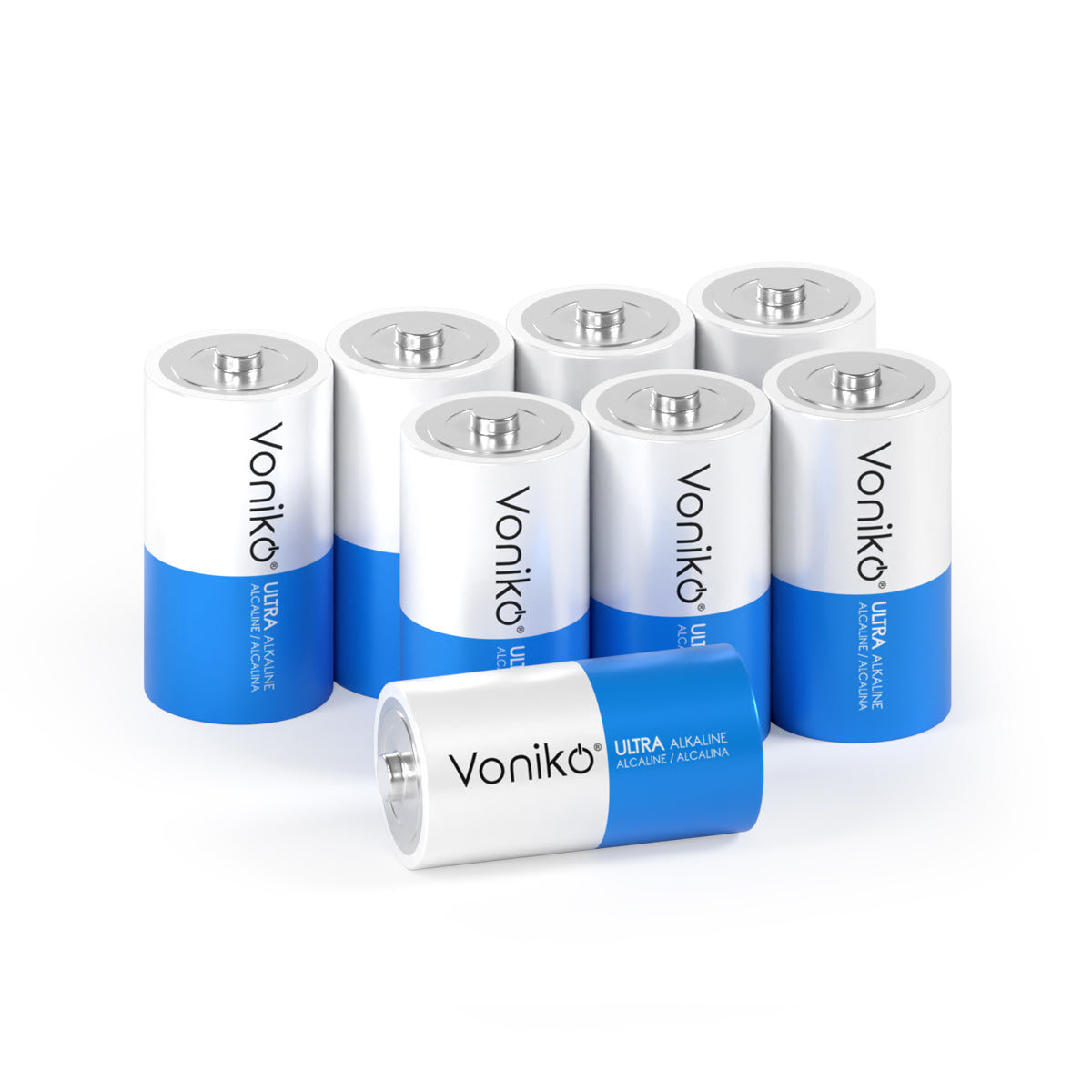
Most rechargeable batteries fall into the lithium-ion category, while some coin cells and specialty batteries are lithium metal. If you're shipping devices with alkaline batteries, the rules are less strict, but you should still follow basic safety guidelines.
UN Numbers and Classifications

Every lithium battery shipment needs the right UN number. UN3480 covers lithium-ion batteries shipped by themselves, while UN3481 covers lithium-ion batteries packed with or contained in equipment. UN3090 covers lithium metal batteries shipped by themselves, and UN3091 covers lithium metal batteries contained in equipment or packed with equipment.
These numbers aren't just bureaucratic red tape. They tell carriers exactly what's in your package and how to handle it. Make sure to use the correct classification—getting it wrong can result in delays or even fines.
Packaging Requirements: Protect Against Short Circuits
Proper packaging prevents disasters. Batteries must be placed in inner packaging designed to prevent damage, short circuits, and movement within the outer package, with particular concern for battery terminals that shouldn't contact other batteries or conductive contents.
Batteries must be placed in rigid outer packaging. Here's what you need:
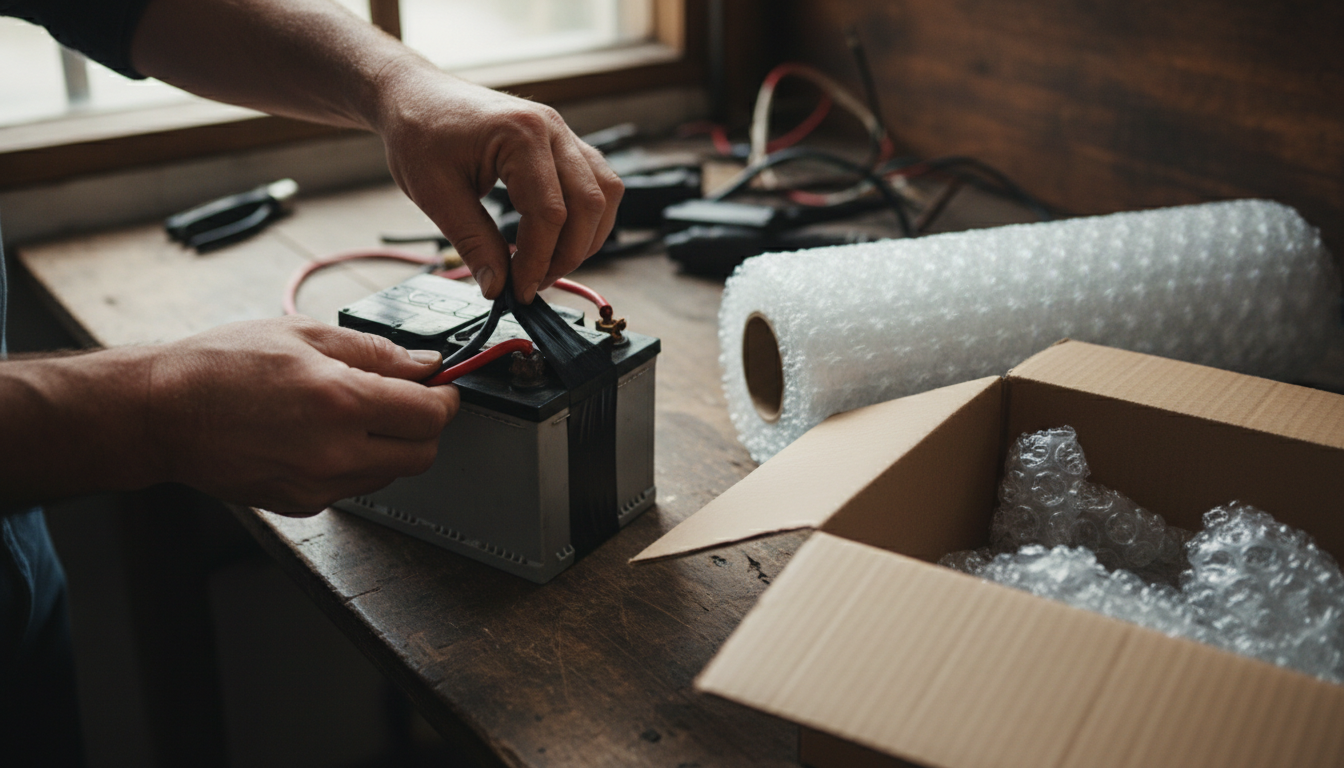
Individual battery protection: Wrap each battery separately or keep them in their original packaging. Tape over exposed terminals to prevent contact.
Cushioning: Fill all empty spaces within the box with cushioning material like bubble wrap or packing peanuts to prevent batteries from moving and potentially short-circuiting.
Sturdy outer box: Use a strong, double-walled cardboard box that can withstand normal shipping conditions. Don't skimp on box quality.
Carrier-Specific Rules: USPS, UPS, and FedEx
Each carrier has its own quirks when it comes to battery shipping. Let's break down what you need to know.
USPS Restrictions
Lithium batteries are mailable in limited quantities domestically via air or surface transportation when installed in or packed with the equipment they operate. Lithium batteries without equipment are mailable in limited quantities domestically via surface transportation only.
For domestic air shipping, you can send a maximum of 8 cells or 2 batteries installed in new or Manufacturer Certified Refurbished equipment (max weight 11lbs), while individual batteries can only ship via surface or ground transportation (max weight 5lbs).
UPS and FedEx Requirements
Shippers must understand and comply with applicable regulations for battery transport by all modes of transportation. Both carriers require proper labeling and may request documentation.
FedEx will not accept recalled or defective batteries, and waste batteries or those being shipped for recycling or disposal have restrictions. UPS restricts damaged, defective, or recalled lithium battery shipping to ground transportation and only accepts it for the lower 48 contiguous states.
Labeling and Marking Your Shipment
Proper marking and labeling is required when shipping lithium batteries by air. All marks and labels must be clearly visible on the exterior of packages, and proper marking and labeling informs every person involved in transport of what's inside and how to handle it properly.
You'll need the lithium battery mark on packages that meet certain thresholds. The Class 9 Lithium Battery label is required on all Section I, IA, and IB shipments. Check with your specific carrier for their exact labeling requirements—some allow exemptions for small quantities.
International Shipping Considerations
Lithium batteries are mailable in limited quantities internationally or to APO, FPO, or DPO locations only when properly installed in the equipment they operate. Individual batteries are prohibited from USPS international shipping.
Before shipping internationally, check whether the destination country allows lithium batteries in the mail. Some countries have outright bans or additional restrictions beyond U.S. regulations.
What You Can't Ship
It's forbidden to ship damaged, defective, recalled, or recycled lithium batteries by aircraft, whether loose or contained in equipment. Pre-owned, damaged, or defective electronic devices containing lithium batteries must be sent via ground transportation.
Lithium batteries exceeding 100 Wh that power scooters, hoverboards, and e-bikes cannot be shipped, devices with single cells over 20Wh per cell cannot be mailed, and multiple cell batteries exceeding 100Wh are nonmailable.
Safety Testing and Documentation
Batteries must have passed design tests found in the UN Manual of Tests and Criteria, Section 38.3. Since January 21, 2022, manufacturers must make test summary documents available upon request.
Legitimate batteries from reputable manufacturers will have this documentation. Counterfeit and no-brand lithium batteries raise concerns because they may not have been safety-tested and could be poorly designed with manufacturing flaws, so verify that batteries planned for shipment have been safety-tested.
Conclusion
Shipping lithium batteries doesn't have to be complicated once you understand the rules. The key takeaways: identify your battery type correctly, use appropriate packaging to prevent short circuits, choose the right carrier based on your needs, apply proper labeling and UN numbers, and never ship damaged or recalled batteries by air.
Take the time to do it right. The regulations exist for good reasons—fires aboard aircraft or delivery trucks put lives at risk. Whether you're shipping a smartphone with a lithium-ion battery or sending replacement batteries for equipment, following these guidelines keeps everyone safe and your shipment on track.
FAQs
Can I ship lithium batteries through regular mail?
Yes, but with restrictions. USPS allows lithium batteries when installed in or packed with equipment for both air and ground shipping. Standalone batteries can only ship via ground transportation domestically. International shipping of individual batteries is prohibited through USPS. Always check weight limits and labeling requirements before mailing.
What's the difference between shipping lithium-ion and lithium metal batteries?
Lithium-ion batteries are rechargeable and measured in watt-hours (Wh), while lithium metal batteries are typically non-rechargeable and measured by lithium content in grams. They have different UN numbers and shipping classifications. Lithium-ion generally has less restrictive shipping rules, but both require proper packaging and labeling.
Do I need special training to ship lithium batteries?
It depends. For most small shipments of batteries in equipment under certain thresholds, no formal training is needed. But fully regulated shipments require dangerous goods training for anyone handling the packages. Commercial shippers and businesses shipping larger quantities should get proper certification to stay compliant with DOT and IATA regulations.
Can I ship damaged or recalled lithium batteries?
No, not by air. Damaged, defective, or recalled batteries are forbidden on aircraft. Some carriers accept them for ground transportation only within the continental U.S., but with strict packaging requirements. Most major carriers won't accept these batteries at all. Check directly with your carrier before attempting to ship any compromised battery.
What happens if I ship lithium batteries incorrectly?
Noncompliance can result in civil penalties up to $27,000 per offense in the United States. Beyond fines, your package may be rejected, delayed, or confiscated. More seriously, improperly shipped batteries create real safety risks. Carriers take these violations seriously, and repeat offenders may lose shipping privileges entirely.