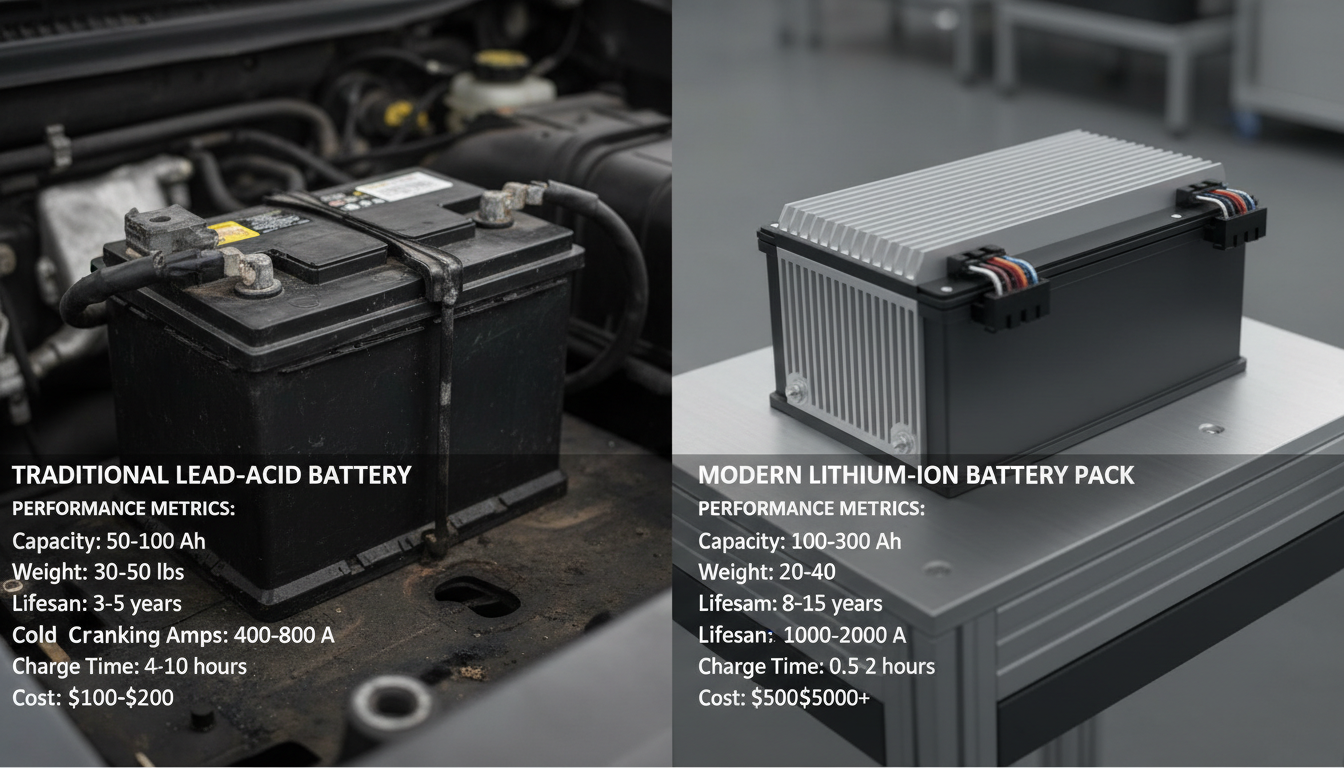




We're surrounded by lithium batteries—they're in our phones, laptops, power tools, and even our e-bikes and electric cars. You've probably got a drawer full of them somewhere in your house right now. But are they safe to store indoors?
It's completely safe to store lithium batteries in the house, as long as you avoid storing them next to heat sources, make sure they can't easily get damaged or accessed by a child or pet, and other common sense practices. Lithium-ion batteries are remarkably stable under typical environmental conditions. The real risks come from improper handling, not from the batteries themselves.
At Voniko Batteries, we manufacture a range of battery types—from lithium coin cells to alkaline batteries and rechargeables—and we know that safe storage starts with understanding what these batteries need.
Understanding the Real Risks
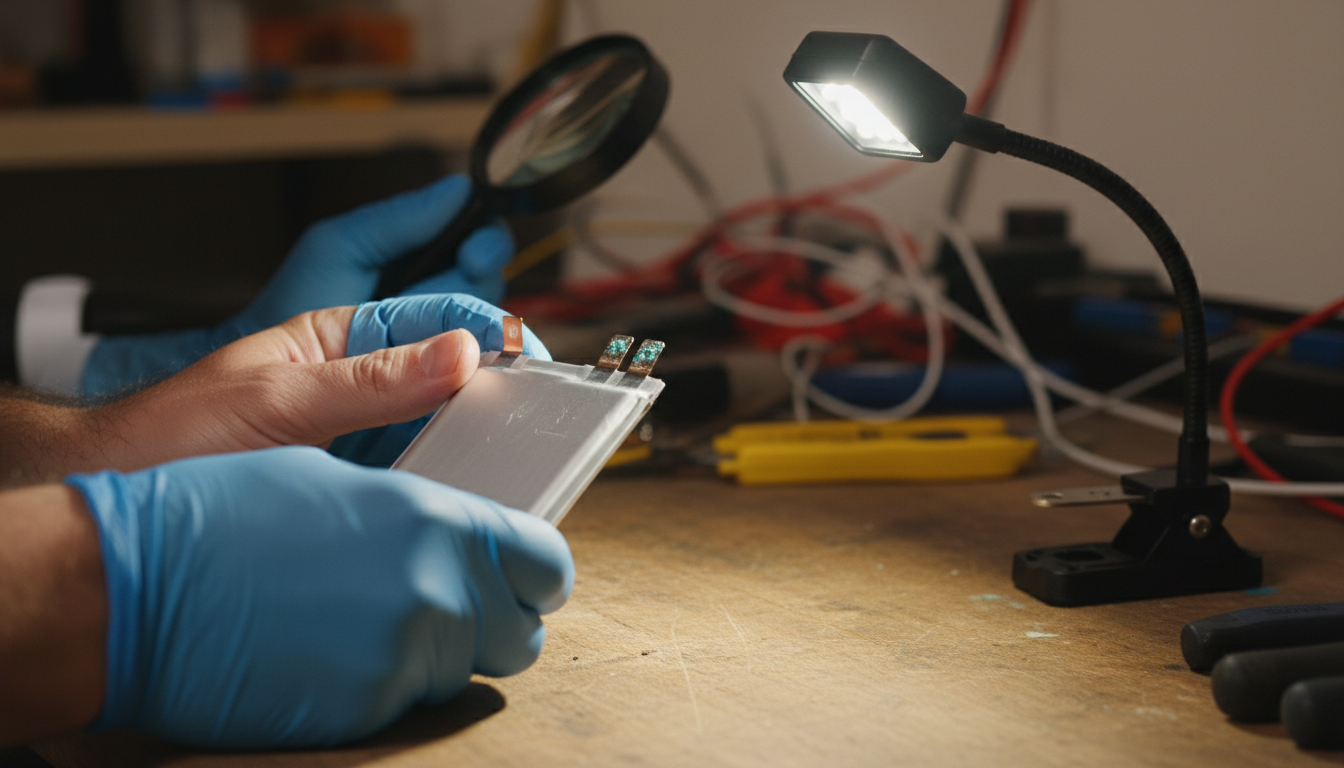
Lithium-ion batteries pack a lot of power into a small device, and that power can cause a fire or explosion if batteries are misused or are defective. But here's the thing: the risks associated with these batteries, primarily fire and explosion, are minimal when they are used and stored correctly.
In 2023 alone, there were 268 fires caused by lithium-ion batteries, many from e-bike batteries. Sounds scary, right? But when you consider how many billions of lithium batteries are in use daily, the actual failure rate is extremely low. Most of the time, when a lithium related fire happens, it's due to poor design, overrated components, and improper use.
The main danger comes from something called thermal runaway—a dangerous chain reaction that can occur in lithium-ion batteries, leading to overheating, gas generation, and even explosions. This typically happens when batteries are damaged, overcharged, or exposed to extreme heat.
Temperature Matters More Than You Think
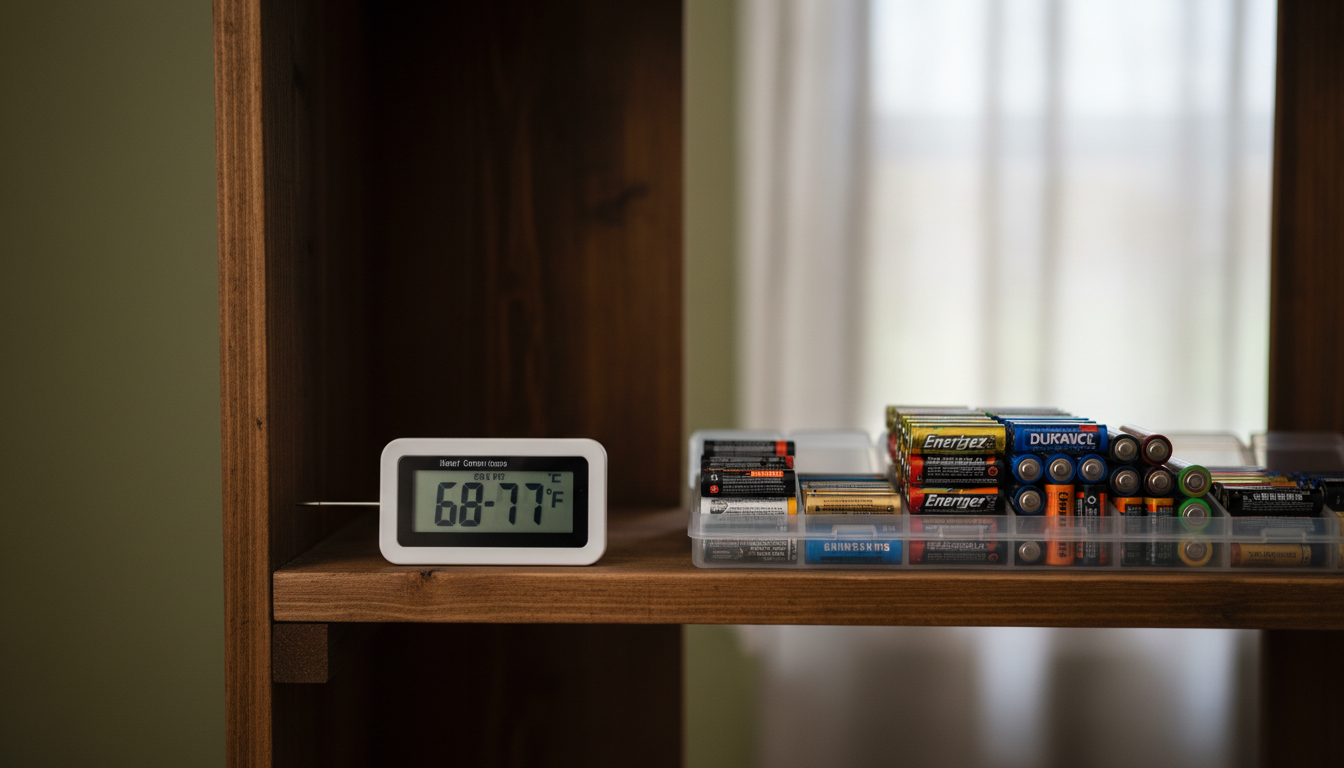
Ideal storage temperatures typically range from 68°F to 77°F. Your batteries don't need a climate-controlled vault, but they shouldn't be sitting in places where temperatures swing wildly.
Store lithium-ion batteries at room temperature whenever possible, and don't leave them in a hot car, in direct sunlight, or in freezing temperatures. The ideal temperature range for a lithium battery pack in storage is between 35 to 90 degrees Fahrenheit, and you should try to keep that temperature as consistent as possible.
Want to know something that might surprise you? Many people store batteries in their refrigerator, but most battery manufacturers recommend against storing your batteries in the fridge for numerous reasons related to safety. Storing lithium-ion batteries in the refrigerator can create condensation inside the battery, which may cause short circuits—room temperature, dry storage is the safest option.
Keep Them Away From Heat and Flammables
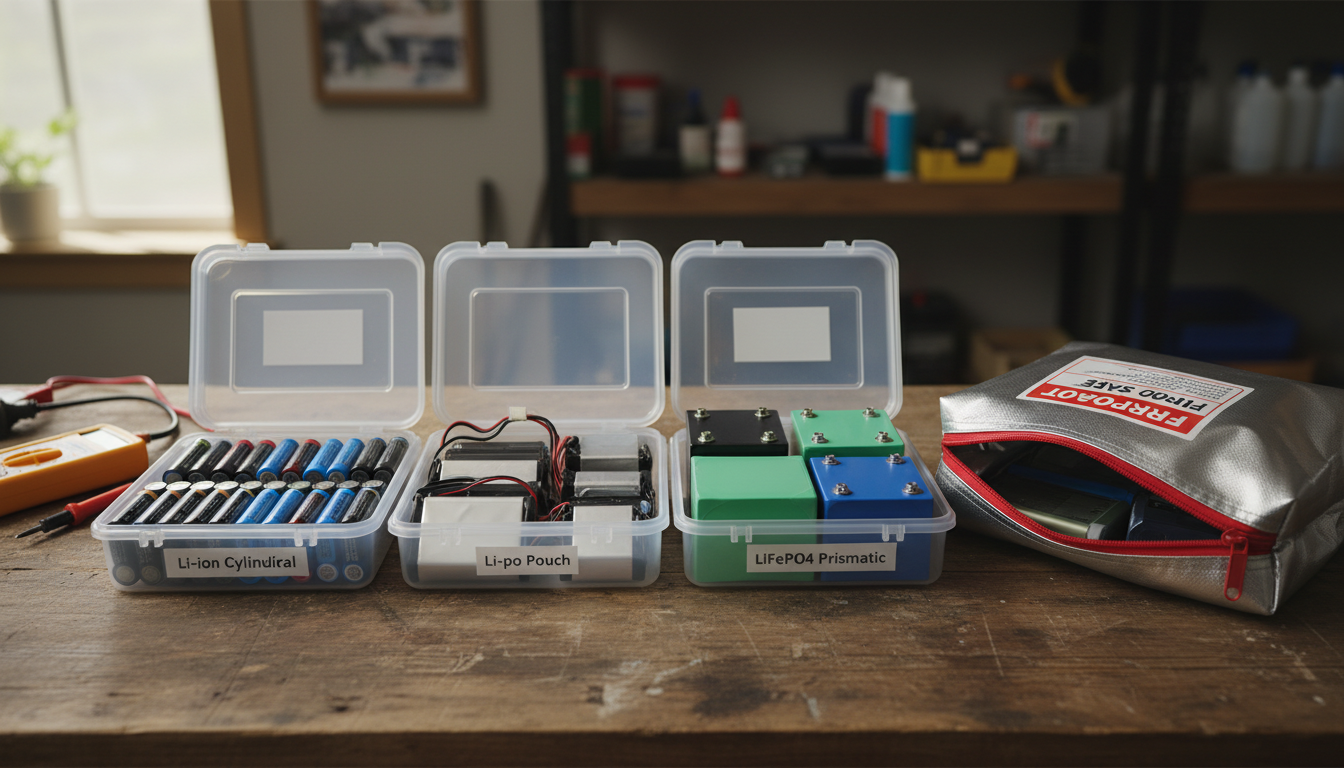
Storing batteries near heat sources such as heaters, stoves, ovens, or in direct sunlight can increase the risk of thermal runaway, a condition where the battery overheats and potentially catches fire. Keep these items away from combustible materials and store spare lithium-ion batteries away from anything that can burn.
Your garage might seem like a convenient spot, but be careful. You can store lithium batteries in the garage, but maintain proper airflow to decrease particulates in the air and keep the environment fresh—installing screens or vents can prevent the battery from becoming excessively hot.
Keeping a fire extinguisher nearby in the storage space can also be a practical step for added safety. Sound familiar? That's just basic fire safety, applied smartly.
Storage Charge Level and Long-Term Care
If you're putting batteries away for months, don't charge them to 100%. A partial charge of 40–60 percent reduces the risk of self-discharge and helps to maintain battery life—if you will store the battery for more than six months, check the battery's charge every 6–12 months and recharge it to around 40–60 percent if it has discharged too low.
When you plan to store your battery pack for a long time, charge the battery to around 60–80 percent capacity, and keep a written record of when you put them in storage or most recently charged them. We know record-keeping sounds tedious, but it actually helps.
We suggest charging your battery pack roughly every three months, and we advise against leaving your battery on a charger for any extended charging period.
Physical Protection and Smart Organization
The single most important step when storing lithium batteries is to ensure the battery terminals are not in contact with any metals or other battery terminals—your batteries should be held in a stable cabinet, locker, or shelf that will not be bumped or jostled.
Use a non-conductive container or dedicated battery storage unit to minimize the risk of accidental short-circuiting and provide an extra layer of fire protection. For added safety, invest in a fireproof bag or box—these products contain heat and sparks in the unlikely event that a battery combusts.
Batteries should be kept in a place where they cannot be easily dropped, bumped into, or punctured—special care is required for lithium-polymer batteries, which are even more sensitive to physical stress, and they should be stored in sturdy containers that prevent movement and cushion against impacts.
Separating fresh and old batteries matters too. Mixing new and old batteries can be dangerous because the fresh battery forces energy through the older battery, which may cause the older battery to overheat or even leak.
Warning Signs You Shouldn't Ignore
Stop using lithium-ion batteries if you notice an odor, change in color, too much heat, change in shape, leaking or odd noises. Inspect them for signs of damage, such as bulging/cracking, hissing, leaking, rising temperature, and smoking before use—immediately remove a device or battery from service and place it in an area away from flammable materials if any of these signs are present.
Damaged batteries aren't worth the risk. Carefully discard lithium-ion batteries that show evidence of physical or mechanical damage. We've written more about why lithium batteries catch fire if you want to dig deeper into the science.
Safe Charging Practices at Home
Plug your device charger directly into a wall outlet and store and charge batteries away from anything flammable. Never plug into a power strip or overload an outlet, and never overcharge or leave battery charging overnight.
Do not charge your device near exits and points of egress, including your apartment door or bedroom door—do not charge your device in your bedroom or on any surface other than the floor. This might sound overly cautious, but blocking escape routes during a battery fire has led to tragic outcomes.
Follow the device manufacturer's instructions for charging and storage, always use the manufacturer's cord and power adapter made specifically for the device, and when purchasing a new battery, buy the manufacturer's battery that is compatible with your device.
Buy Quality Batteries From Trusted Sources
When purchasing devices, look for the Underwriter Laboratories (UL) Mark—the UL mark shows that the product has been tested to nationally recognized safety standards. Not all lithium batteries are created equal.
A number of the batteries in e-micromobility products are or become defective and can overheat, catch fire, or explode, largely because of poor manufacturing standards. Cheap knockoff batteries from unknown manufacturers pose a much higher risk than quality products from reputable companies.
Conclusion
So, is it safe to store lithium batteries in your house? Absolutely. You're already doing it whether you realize it or not. Chances are, you are already storing several lithium ion batteries in your house—in your phone, laptop, smoke detectors, and more.
The answer to whether it's safe to store lithium-ion batteries in your house is a definitive yes, provided you follow basic safety protocols—the dangers, while real, are highly manageable and can be mitigated with proper care and handling.
Keep them at room temperature, away from heat sources and flammable materials. Don't overcharge them, don't leave them on the charger overnight, and inspect them regularly for damage. Store them somewhere secure where they won't get dropped or punctured. That's it.
Storing batteries in a cool, dry, physically secure environment minimizes the risk and ensures they remain safe to use and handle—lithium-ion batteries can be safely stored in your home if you adhere to the recommended guidelines, protecting your home and loved ones while extending the life and efficacy of the batteries themselves.
Frequently Asked Questions
Can lithium batteries explode if stored incorrectly?
Yes, but it's rare. Lithium-ion batteries can enter an uncontrollable, self-heating state that can result in the release of gas, cause fire and possible explosion. This typically happens when batteries are physically damaged, exposed to extreme heat, overcharged, or have manufacturing defects. Proper storage at room temperature away from heat sources and physical hazards minimizes this risk significantly.
How long can I store lithium batteries without using them?
A lithium battery can remain unused for up to 6 months—if your battery has been unused for several months, check its charge status regularly. For longer storage periods, keep batteries at 40-60% charge and recharge them every 6-12 months to prevent over-discharge and maintain battery health.
Is it safe to store lithium batteries in a garage or shed?
Yes, with precautions. You can store lithium batteries in the garage, but maintain proper airflow and keep the environment around the battery fresh—installing screens or vents can prevent the battery from becoming excessively hot. Make sure the temperature doesn't swing to extremes, and keep batteries away from water sources and direct sunlight.
Should I store lithium batteries fully charged or discharged?
Neither. Charging to full capacity before storing can stress the lithium-ion batteries and reduce their lifespan—a partial charge (around 50%) is ideal. For long-term storage, a partial charge of 40–60 percent reduces the risk of self-discharge and helps to maintain battery life.
What should I do with damaged or swollen lithium batteries?
Immediately remove a device or battery from service and place it in an area away from flammable materials if any signs of damage are present. Don't try to use or charge damaged batteries. Don't put lithium-ion batteries in the trash—recycle them at your local battery recycling location. Contact your local hazardous waste facility for proper disposal.