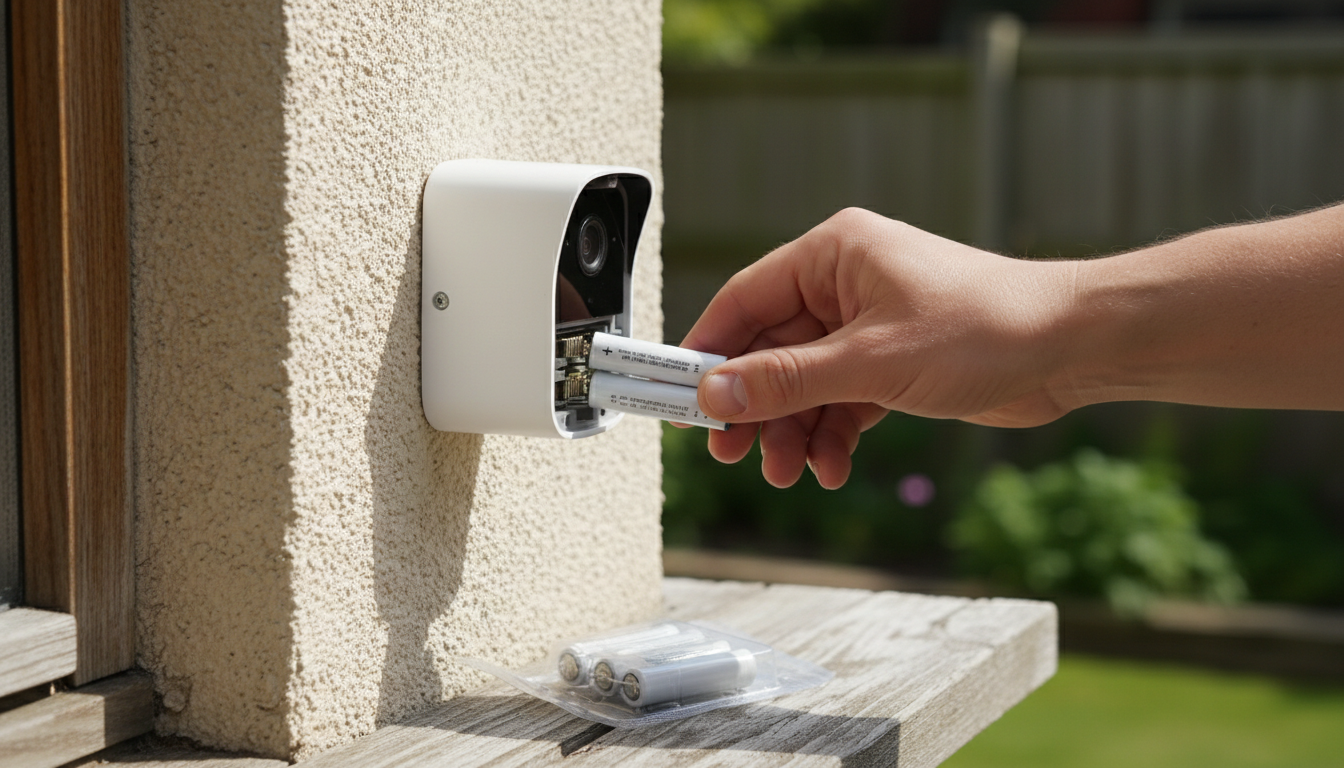
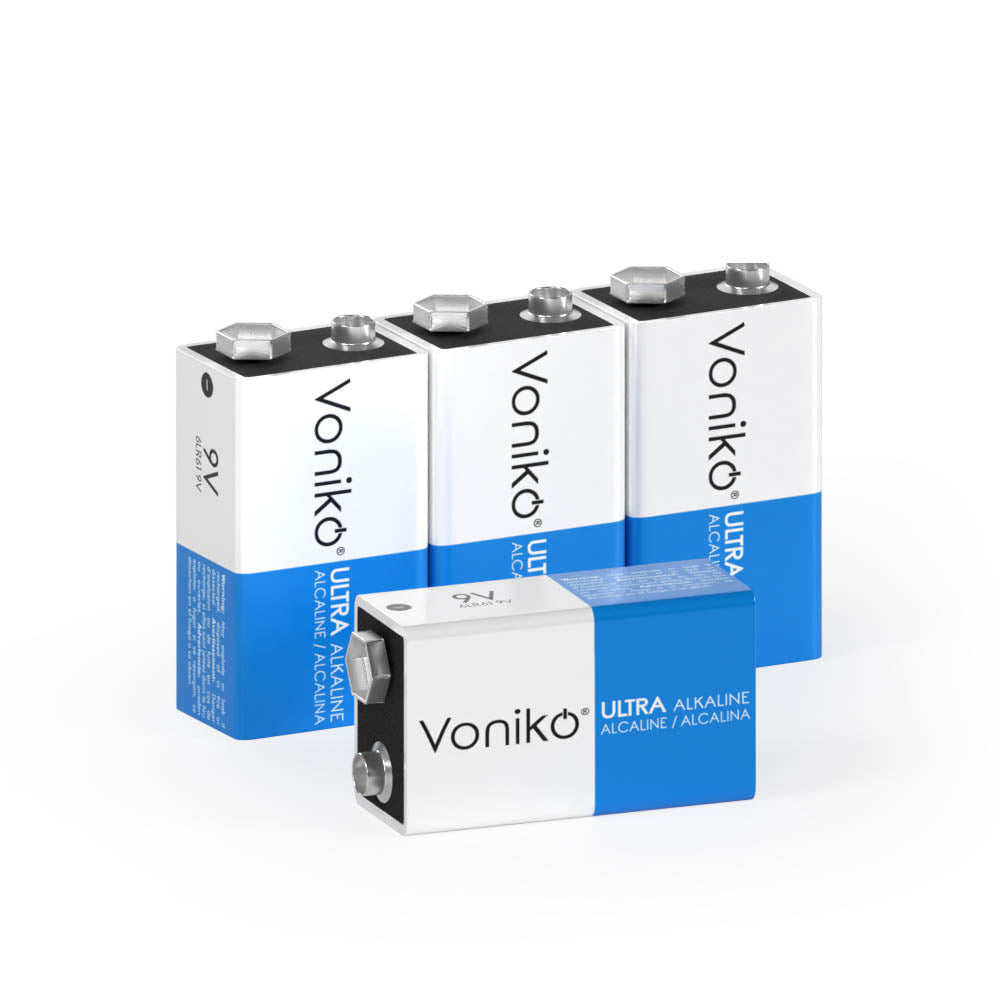
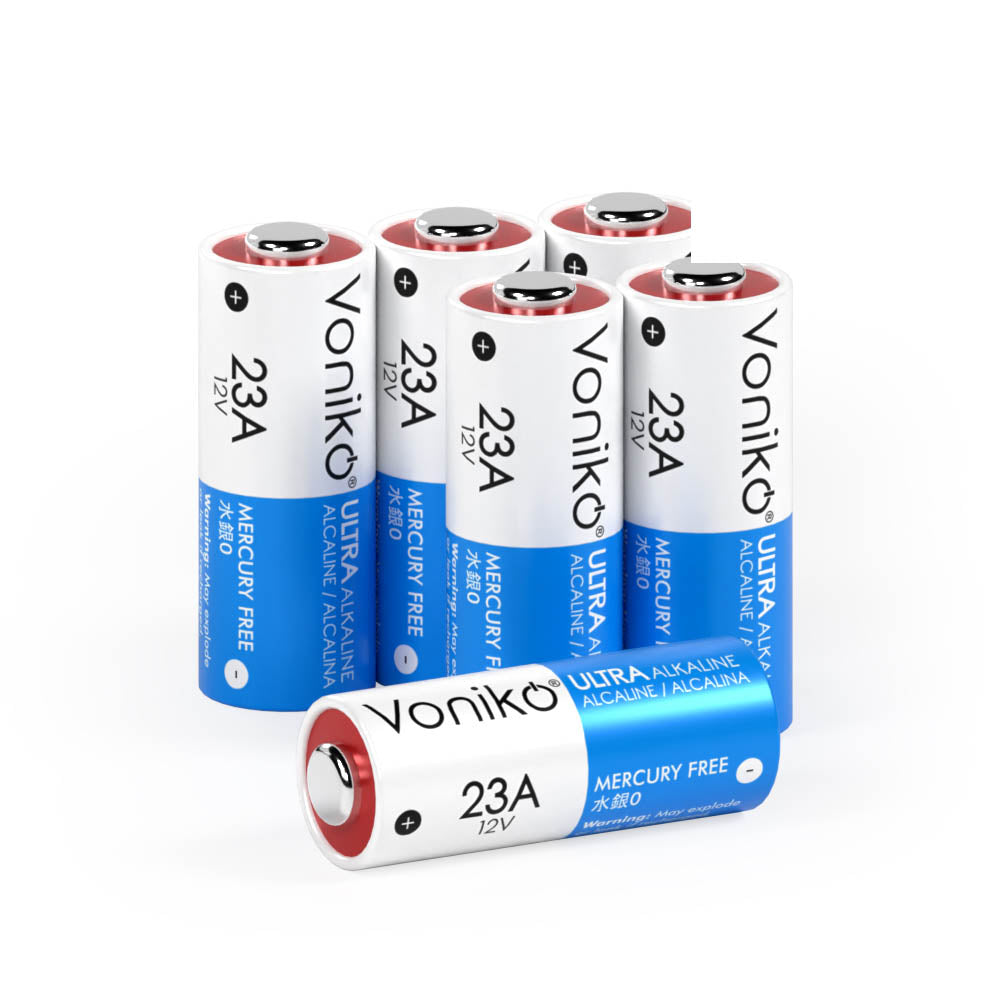
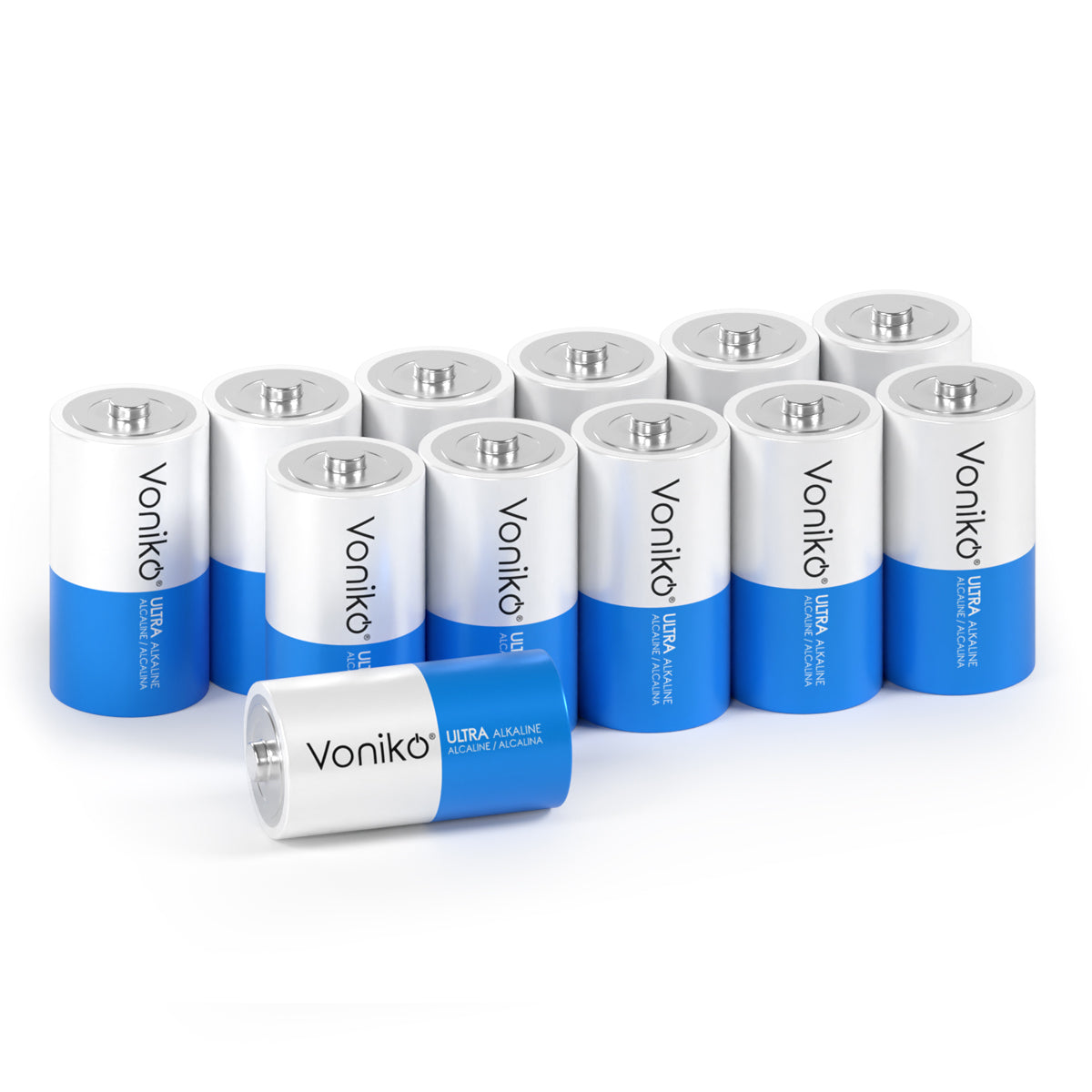
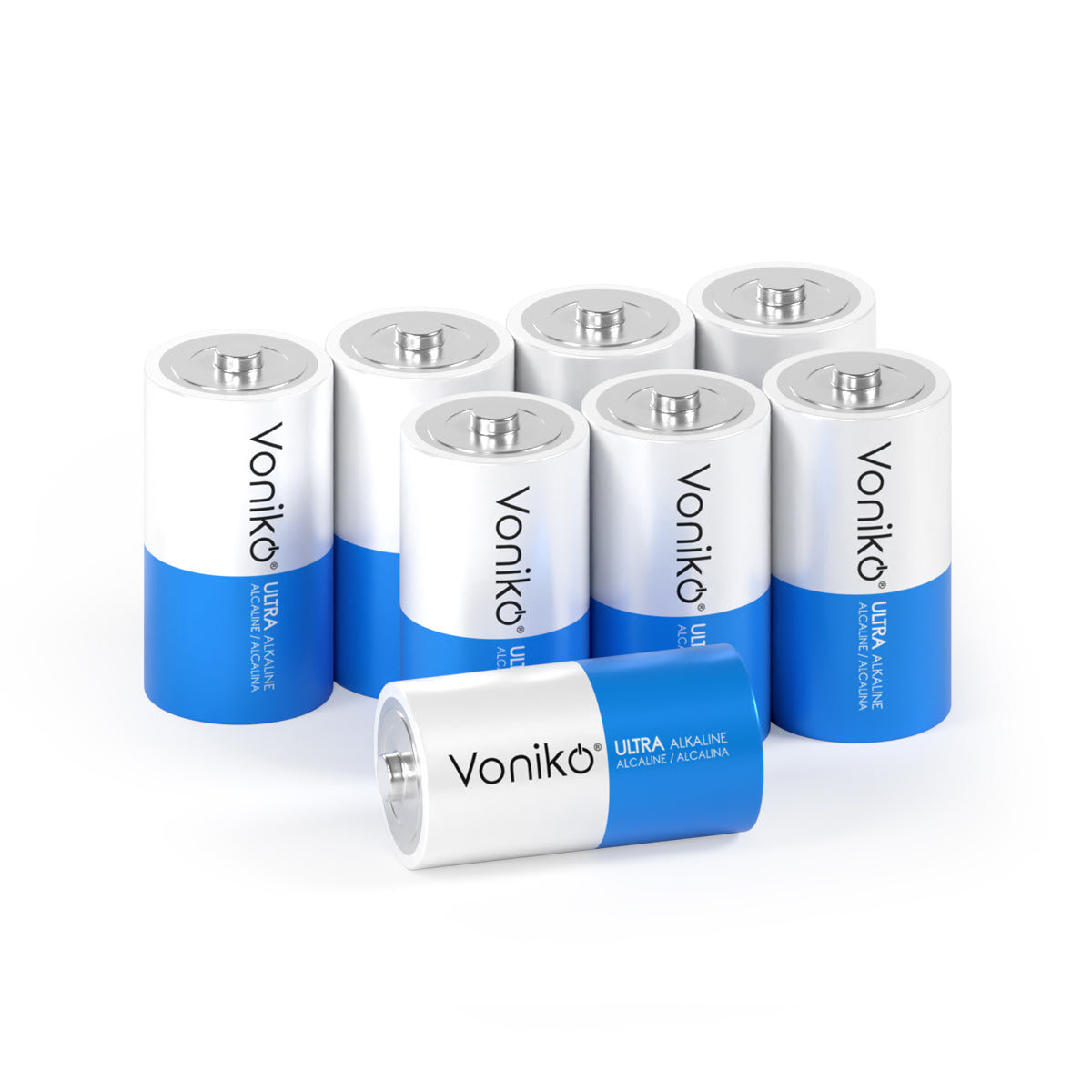




Choosing the right batteries for your trail camera can make or break your hunting or wildlife monitoring experience. While lithium batteries often steal the spotlight, alkaline batteries remain a practical choice for many camera users—especially if you're working with multiple cameras or a tight budget.
We'll walk you through everything you need to know about alkaline batteries for trail cameras, from which brands perform best to when they make sense for your setup. Sound familiar if you've ever hiked miles into the woods only to find your camera died weeks ago?
Why Alkaline Batteries Still Matter for Trail Cameras
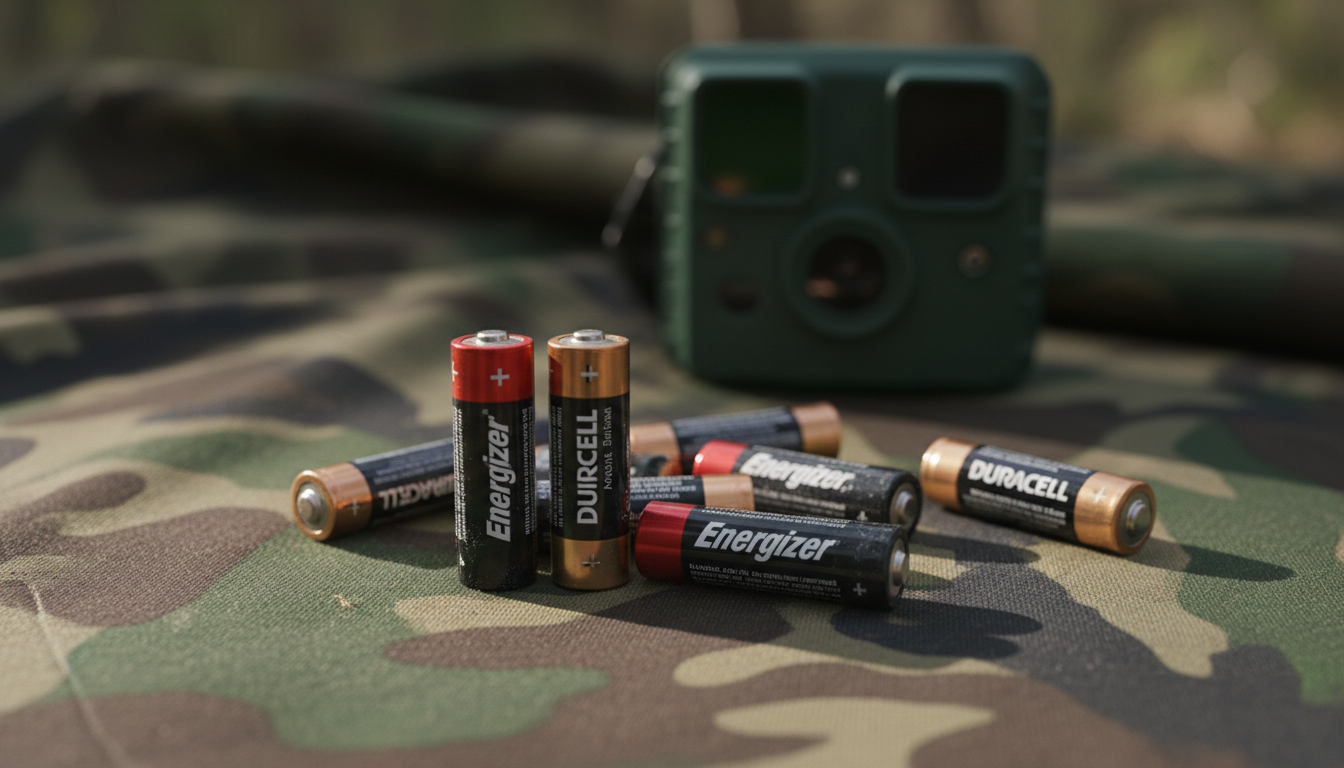
Alkaline batteries are cheap and widely available, but they come with reliability concerns and inconsistent power delivery, particularly with off-brand options. That said, they're not all bad.
For non-cellular cameras in mild climates, quality alkaline batteries can deliver solid performance without the premium price tag. Some users report success with name-brand alkalines in non-cellular cameras across extreme temperature ranges, getting thousands of photos from a single set.
The key word here? Quality. If you're going to use alkaline batteries, stick with Energizer or Duracell—off-brand options have substantially less capacity and are very unreliable. Look, we're not saying cheap batteries will always fail, but we've seen too many cameras stop working at the worst possible time.
Top Alkaline Battery Brands for Trail Cameras
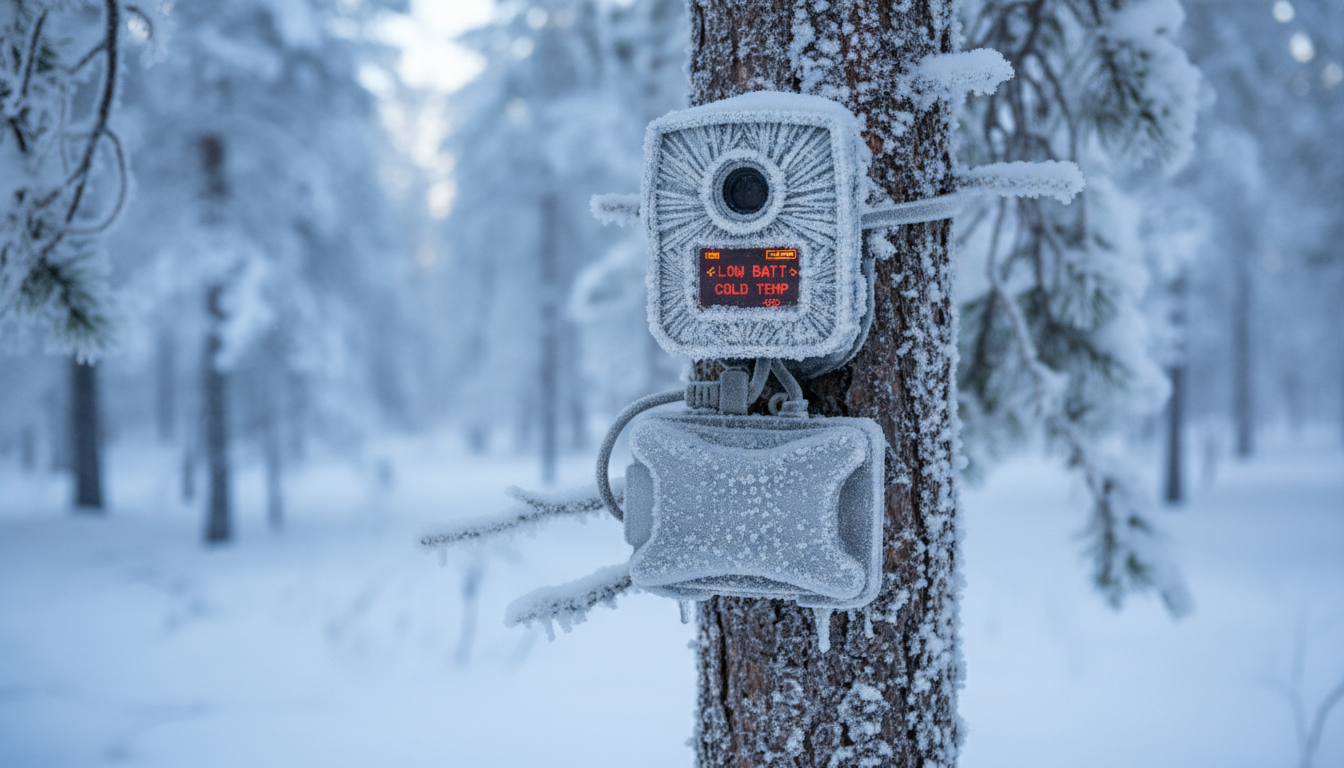
Not all alkaline batteries perform the same in trail camera applications. Here are our top picks:
Energizer Industrial Alkaline (EN91): Specifically designed to operate in digital cameras and LED lights in low temperatures, these heavy-duty alkaline batteries are rated for high performance in temperatures as low as 0°F. In slightly milder climates that don't spend excessive periods of time below freezing, the EN91s are more than capable of providing long-lasting performance in your digital trail cameras.
Energizer Max (E91): These batteries are another solid choice to provide high-performance power for your trail camera, though they're not quite as durable as the EN91s and aren't specifically built for digital cameras.
Duracell Optimum: Users report these work great in trail cameras, particularly when purchased at lower prices from office supply stores. They offer improved performance over standard Duracell alkalines.
For reliable power solutions, check out our alkaline battery options designed for demanding applications.
Cold Weather Performance: The Alkaline Achilles Heel
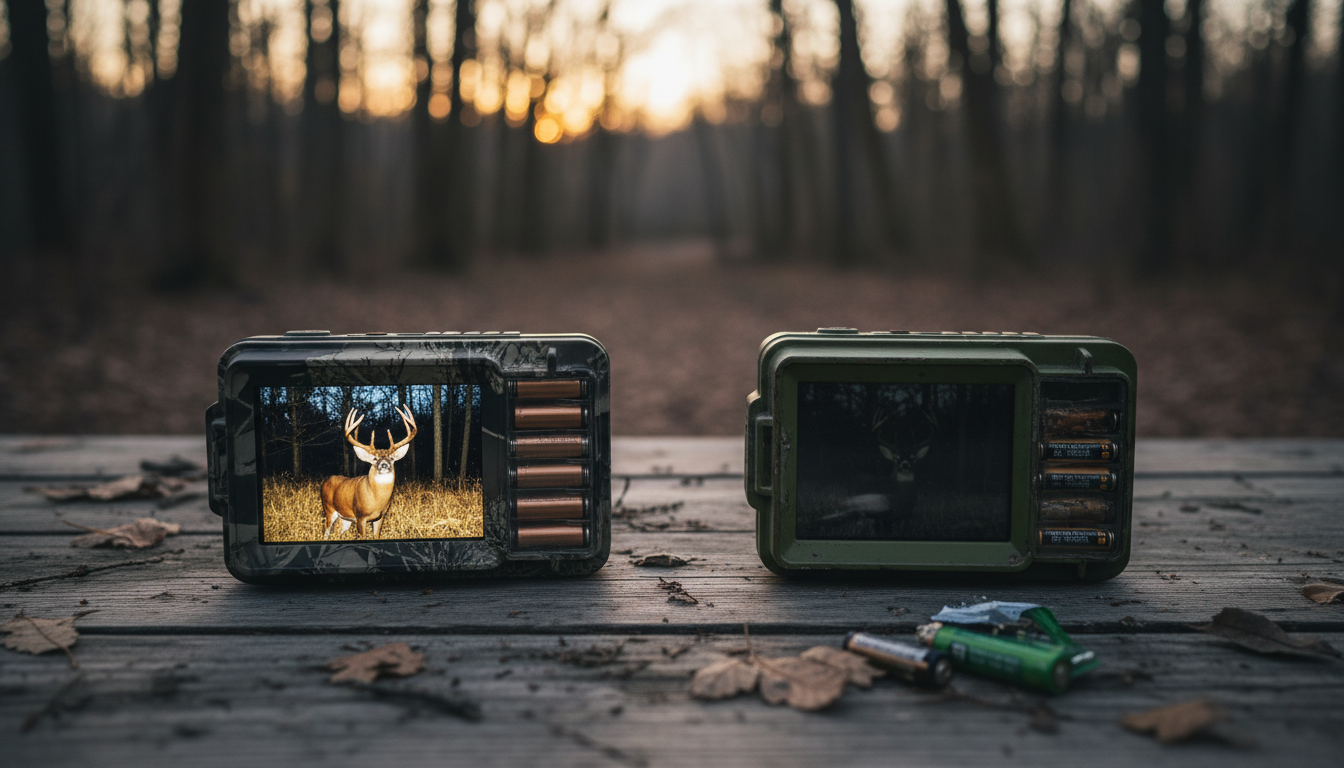
Here's where alkaline batteries struggle. Battery life is diminished and alkaline batteries lose up to half their capacity in sub-freezing weather, which is why many trail camera users discover large periods of time where their camera didn't capture any photographs, but then find it mysteriously started working again once the temperature rose.
Alkaline battery performance begins to drop at 5°C, only outputting one-fifth of their power below this temperature—this is another reason why alkaline batteries struggle in cooler climates.
Quick Temp Performance Guide:
- Above 32°F (0°C): Alkaline batteries perform reasonably well
- 32°F to 0°F: Performance drops significantly
- Below 0°F: Expect serious capacity loss and potential camera shutdown
If you're monitoring wildlife through winter months, you might want to explore our guide on best 9V alkaline batteries for smoke alarms which covers similar temperature considerations.
Alkaline vs. Lithium: Making the Right Choice
Alkaline batteries usually last 1 to 3 months, while lithium batteries can last from 6 months to over a year. But here's the thing—that doesn't mean alkalines are always the wrong choice.
If you're in warmer climates where temperatures seldom drop below freezing, you could get better results using quality alkaline batteries.
When Alkaline Makes Sense:
- You're running 10+ cameras (cost adds up fast with lithium)
- Your cameras are easily accessible for regular battery changes
- You're in mild climates year-round
- You're using non-cellular cameras with lower power demands
When to Skip Alkaline:
- Sub-freezing temperatures are common
- Cameras are in remote locations
- You need maximum runtime between changes
- Running cellular cameras with higher power draw
Battery Life Expectations and Cost Analysis
Alkaline batteries may last anywhere from 1 to 3 months, depending on usage and conditions. But actual runtime varies wildly based on:
- Camera model and efficiency
- Photo vs. video mode
- Trigger frequency
- Temperature conditions
- Flash usage (night vs. day photos)
Some users running 99% Amazon Basics alkaline AAs for years report Browning cameras will go a year easily on a set in picture mode with 1500-3000 pictures. Your mileage will vary.
Cost-wise, alkalines look cheaper upfront, but factor in replacement frequency. Eight lithium batteries might cost $25 and last 6 months, while alkalines cost $8 but need replacing every 6-8 weeks. Do the math for your specific situation.
Common Alkaline Battery Problems in Trail Cameras
Alkaline batteries are prone to leaking acid which has claimed the life of many a device—they're good for only 1 use and then find their way to the landfill.
The Voltage Drop Issue: Alkaline batteries start at 1.6 volts and then immediately begin a gradual decline throughout their life until they are "dead". This means your flash gets dimmer and camera performance degrades over time, not suddenly.
Night Photo Problems: Alkaline batteries begin to lose power as soon as they are inserted, often leading to issues like dim flash performance and poor nighttime photos.
Battery leakage typically doesn't happen when batteries are in use during the season—run them dead and change them out. It's only been after extended storage with depleted batteries that leaking becomes a problem.
Conclusion
Alkaline batteries can absolutely work for trail cameras, but they require the right conditions and realistic expectations. Stick with quality brands like Energizer Industrial or Duracell Optimum, avoid extreme cold, and be prepared for more frequent battery changes than you'd experience with lithium.
For most users, alkalines make sense as a budget option for accessible, non-cellular cameras in mild climates. If you're serious about never missing a shot or dealing with harsh winters, the investment in lithium batteries pays off quickly.
Visit Voniko Batteries to explore our full range of power solutions for demanding outdoor applications.
FAQs
Q: Can I mix alkaline and lithium batteries in my trail camera? A: Never mix battery types in the same device. The voltage mismatch can damage your camera and dramatically shorten runtime. Stick with one battery type and replace all batteries at once with fresh ones of the same brand.
Q: How do I know when to replace alkaline batteries in my trail camera? A: Don't rely solely on the battery meter—it's often inaccurate. Replace batteries when you notice dimmer night photos, slower trigger speeds, or the camera stops recording overnight. Many cameras will show high battery levels but still fail to perform properly when alkaline voltage drops.
Q: Are there any alkaline batteries I should avoid for trail cameras? A: Skip generic store brands, batteries marketed as "long-lasting" (which restrict power output), and any alkaline batteries older than 12 months. Many users also report issues with Costco-brand batteries leaking. Stick with fresh Energizer or Duracell products from reputable retailers.
Q: Will alkaline batteries work in cellular trail cameras? A: They can work, but cellular cameras have higher power demands that drain alkalines much faster. You'll likely get only 2-4 weeks of operation compared to 2-3 months in standard cameras. For cellular cams, lithium batteries or external power sources make more financial sense.
Q: How should I store alkaline batteries for my trail cameras? A: Store alkaline batteries in a cool, dry place (around 60-70°F) and use them within 12 months of purchase for best performance. Never store partially depleted batteries in cameras during off-season—remove them to prevent corrosive leakage that can destroy your equipment.