

Dead camera batteries never happen at a good time. You check your Blink camera app for security footage, only to discover your camera went dark hours ago—maybe right when that package was delivered or when someone was at your door. Frustrating, right?
We're here to help you keep your security cameras running reliably with the right lithium batteries. At Voniko, we've powered thousands of security devices, and we know what it takes to keep Blink cameras operating at their best. This guide breaks down everything you need to know about choosing lithium batteries for Blink cameras—from why they outperform other options to which brands deliver real value.
Why Lithium Batteries Win for Blink Cameras
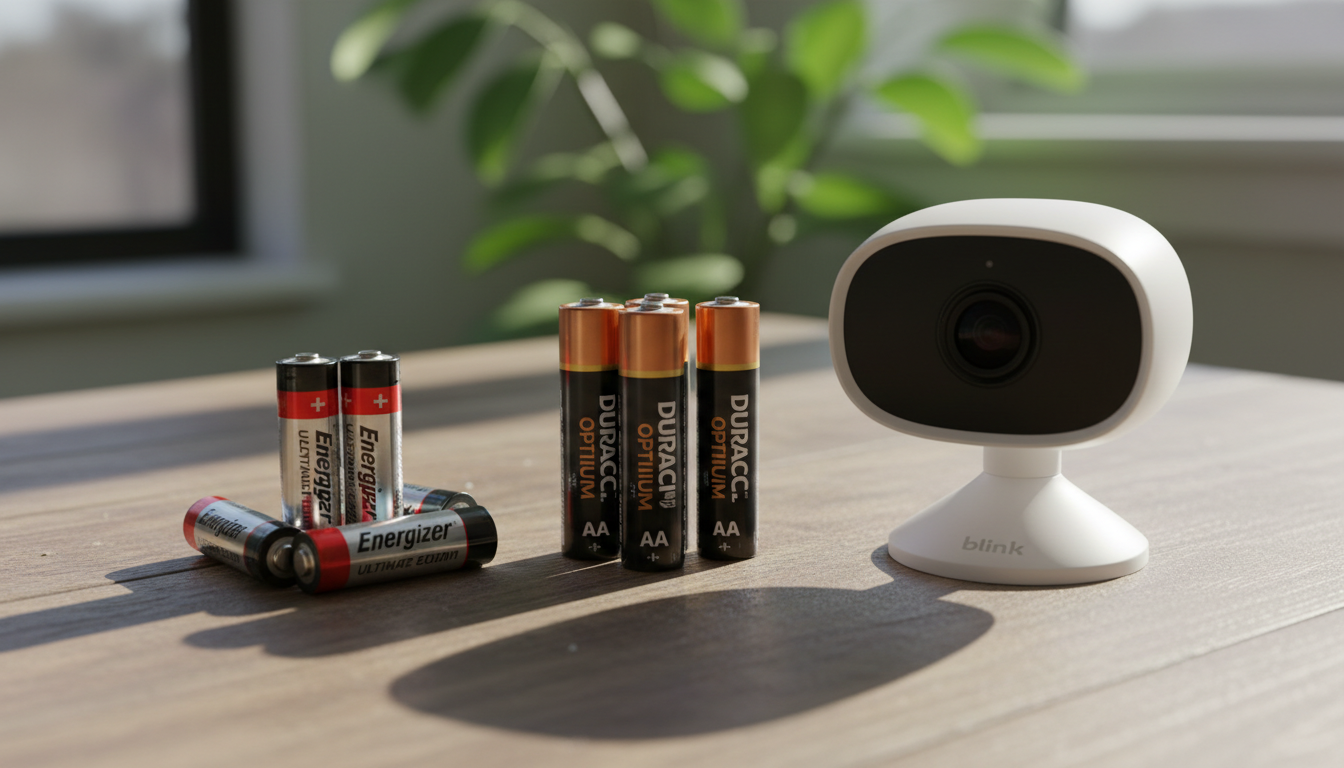
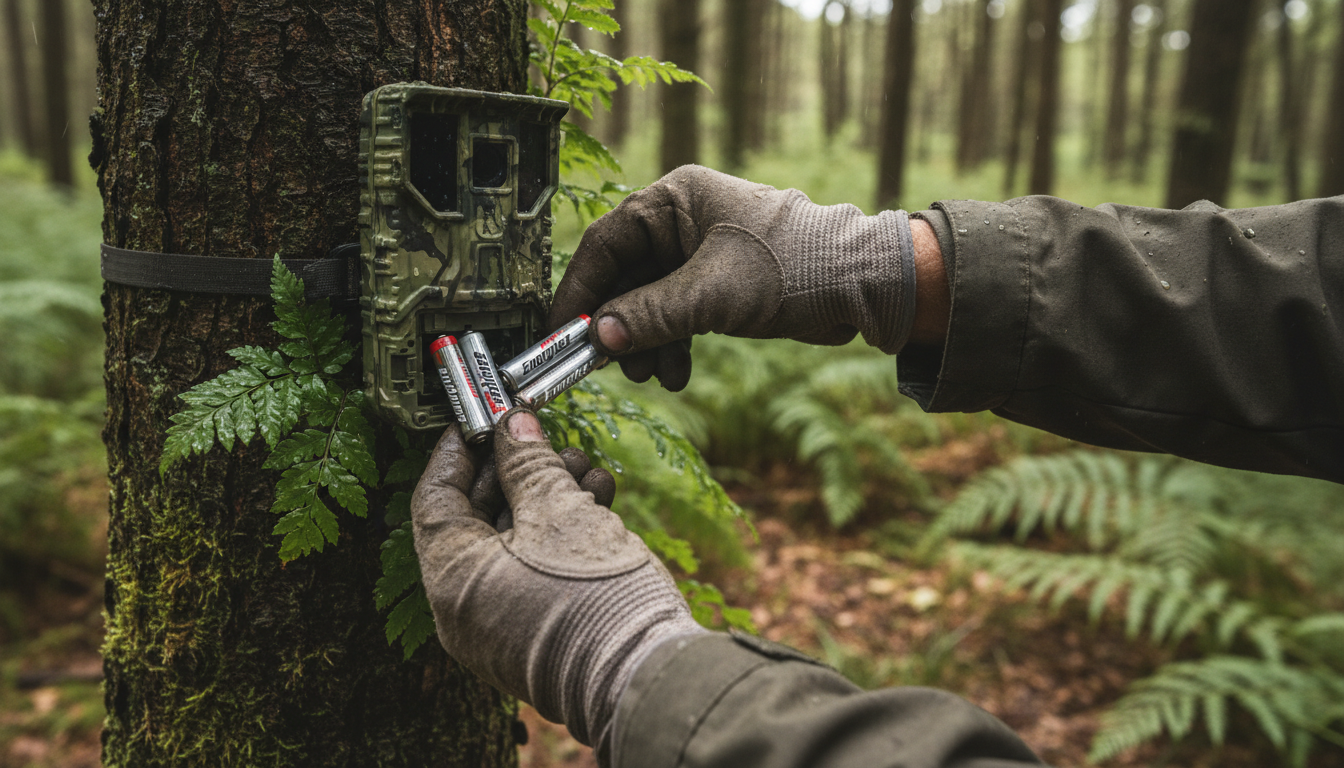
Blink officially recommends AA 1.5-volt lithium non-rechargeable batteries for good reason. These batteries last 2-3 times longer than alkaline options and deliver consistent power throughout their entire lifespan. When you factor in fewer battery changes and better reliability, lithium batteries save you time and money.
Lithium batteries shine in extreme temperatures. While alkaline batteries can lose up to 50% of their capacity when temperatures drop below freezing, lithium batteries keep delivering steady power even in harsh winter conditions or summer heat. This makes them perfect for outdoor Blink cameras monitoring your property year-round.
Another advantage? Stable voltage output. Alkaline batteries experience gradual voltage decline as they discharge, which can cause your camera to underperform before the battery dies completely. Lithium batteries maintain consistent 1.5V output, keeping your camera functioning optimally until it's time for replacement.
Top Lithium Battery Brands for Blink Cameras
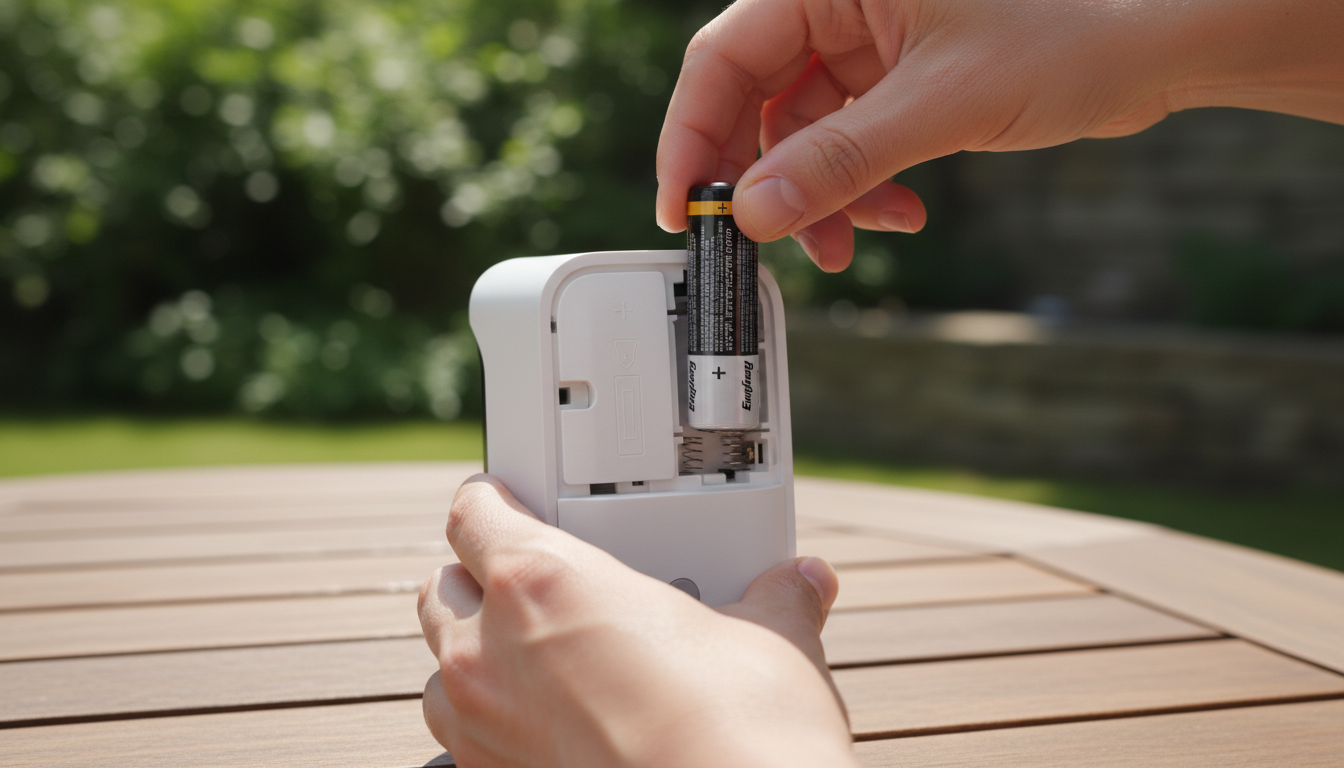
Not all AA batteries work the same in high-drain devices like security cameras. Brand quality matters when it comes to reliability and longevity.
Energizer Ultimate Lithium stands out as one of the most recommended options. These batteries can last up to two years in Blink cameras under normal usage and work well in temperature ranges from -40°F to 140°F. Users report nearly a year of use without replacements, even with frequent motion alerts.
Duracell Optimum offers solid performance at a competitive price point. They provide longer-lasting power than alkaline alternatives and are widely available at local stores, making replacement convenient when needed.
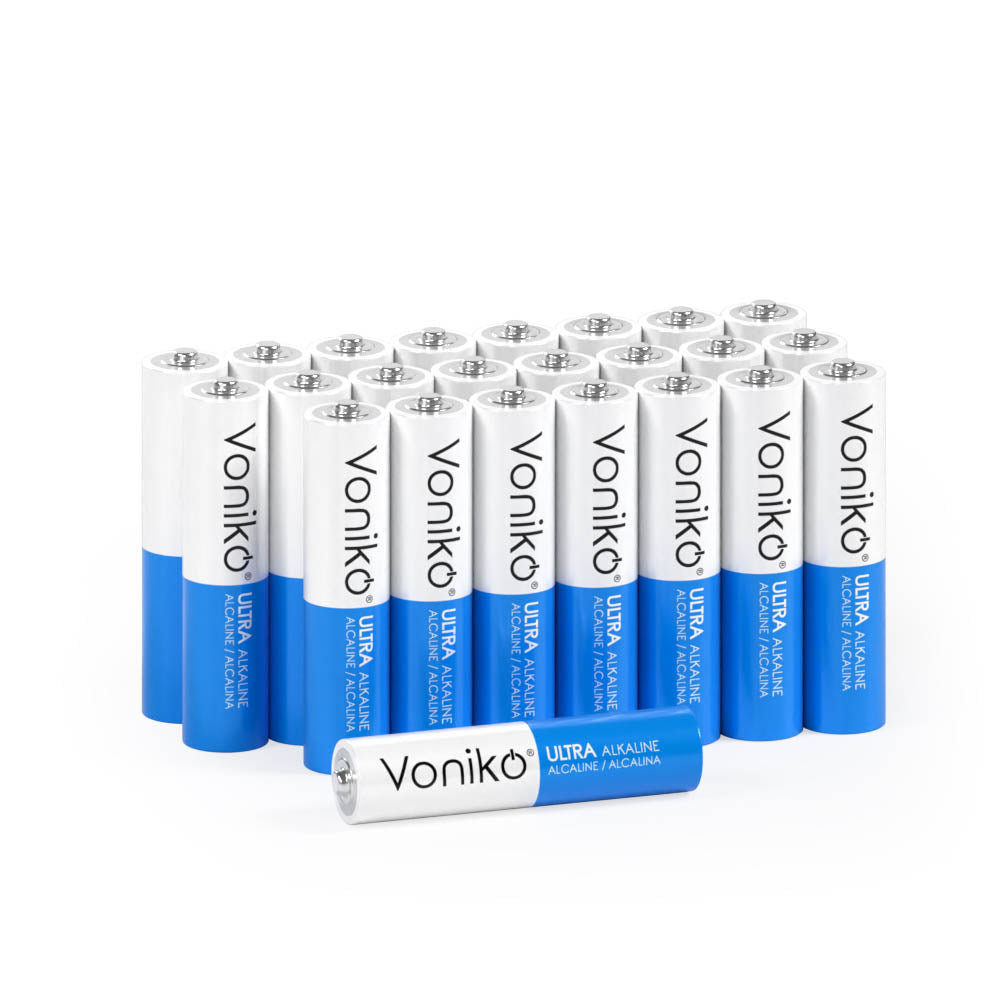
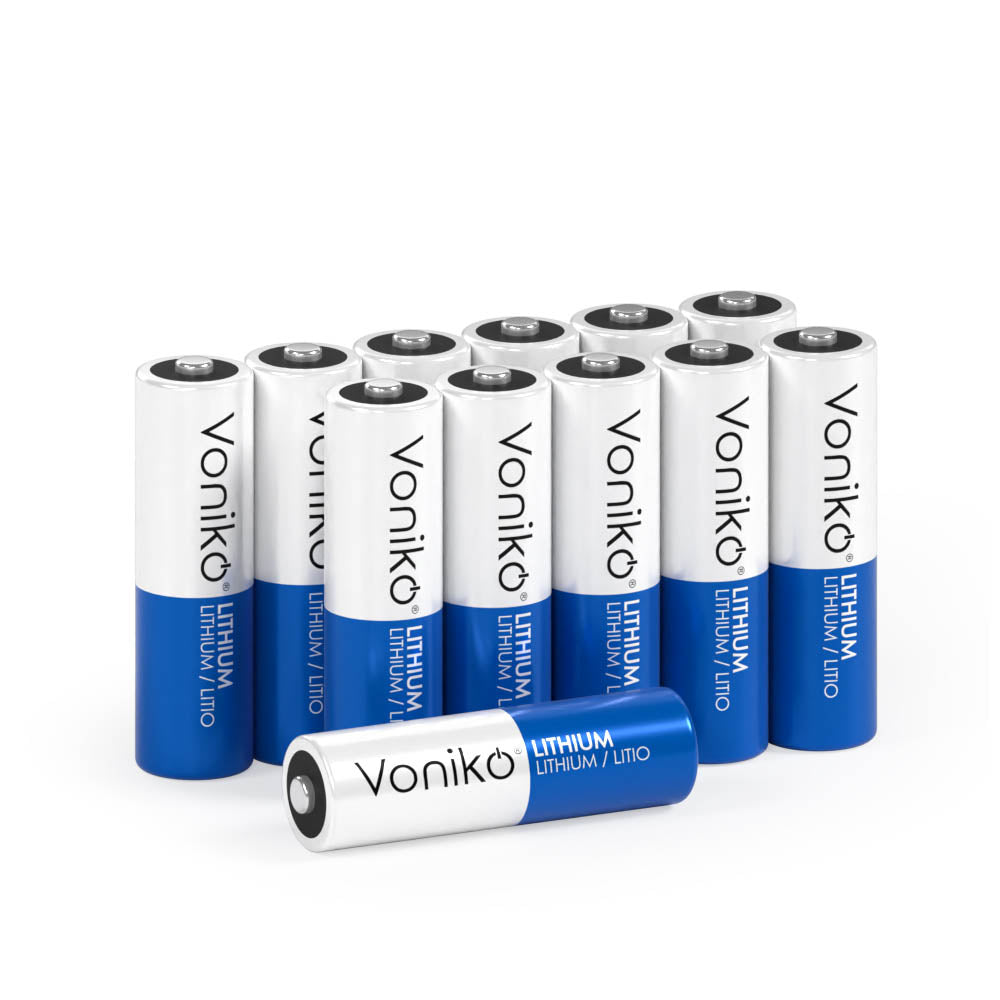
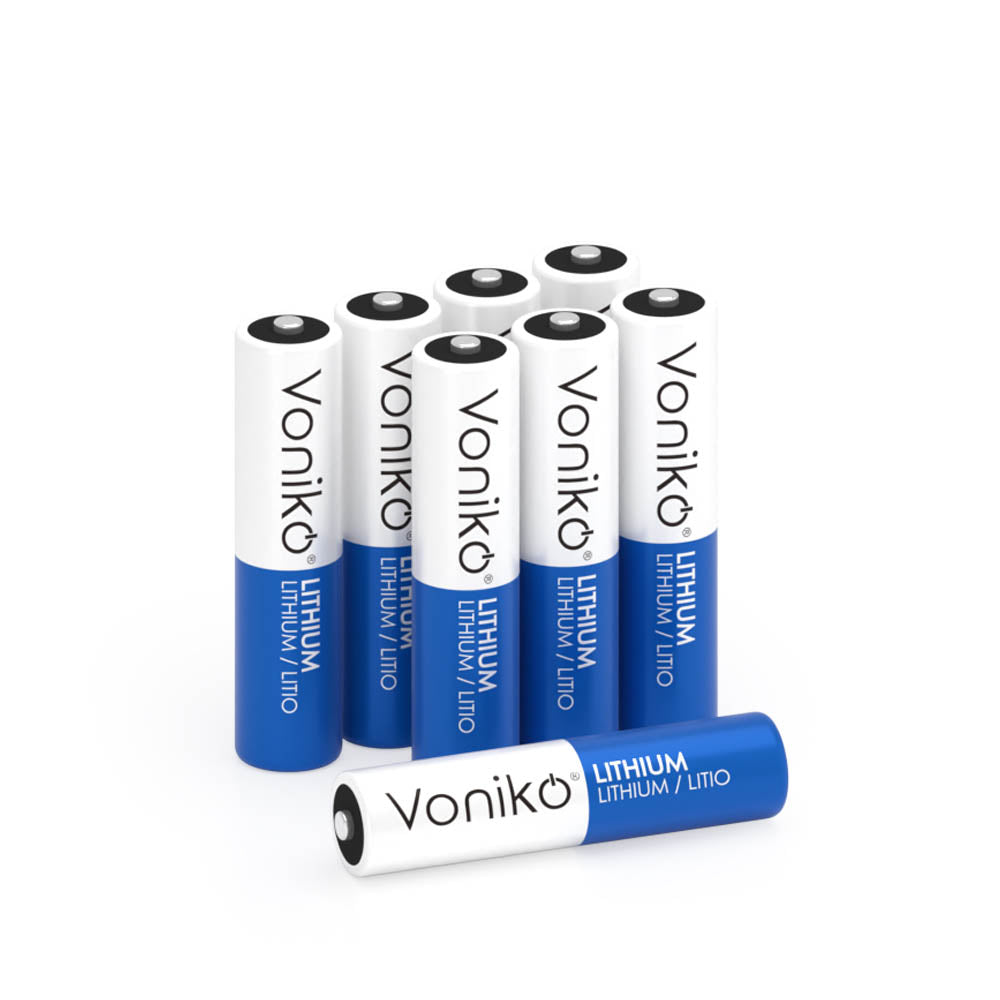
Voniko Lithium Batteries are specifically engineered for high-performance devices like security cameras. Our SCM (Super Conducting Material) Technology delivers consistent power throughout the battery's entire lifespan. You can trust these batteries to keep your cameras running when it matters most.
EBL Rechargeable Lithium AA batteries offer a rechargeable option with 3500mWh capacity and up to 1200+ charging cycles. They maintain the full 1.5V output needed by Blink cameras (unlike traditional NiMH rechargeable batteries at 1.2V) and perform well in extreme environments from -40°F to 140°F.
Avoid bargain-brand batteries for security applications. Cheap batteries from unknown manufacturers often fail prematurely, provide inconsistent power, or leak and damage your expensive camera electronics.
Battery Life Expectations
Most users can expect 1-2 years of service from quality lithium batteries under normal residential use. Blink estimates up to two years based on default settings, though your actual results depend on several factors.
High-traffic areas trigger more frequent recordings, draining batteries faster. If your camera captures motion constantly or you use live view often, expect shorter battery life—sometimes just a few months. Cold weather, weak Wi-Fi signal, and frequent alerts also reduce battery performance.
Blink Indoor cameras typically achieve the longest battery life since they operate in controlled temperature environments with less motion activity. Outdoor cameras face more demanding conditions and usually need replacement more frequently.
Check battery levels regularly through the Blink app under Device Settings > General Settings. The app displays either "OK" or "Needs Replacement" and will alert you to high usage patterns that drain batteries quickly.
Alkaline vs Lithium: The Real Difference
You can use alkaline batteries in Blink cameras—they physically fit—but you'll replace them much more often. Alkaline batteries might last only 2-3 weeks to a few months depending on usage, while lithium batteries deliver months to years of service.
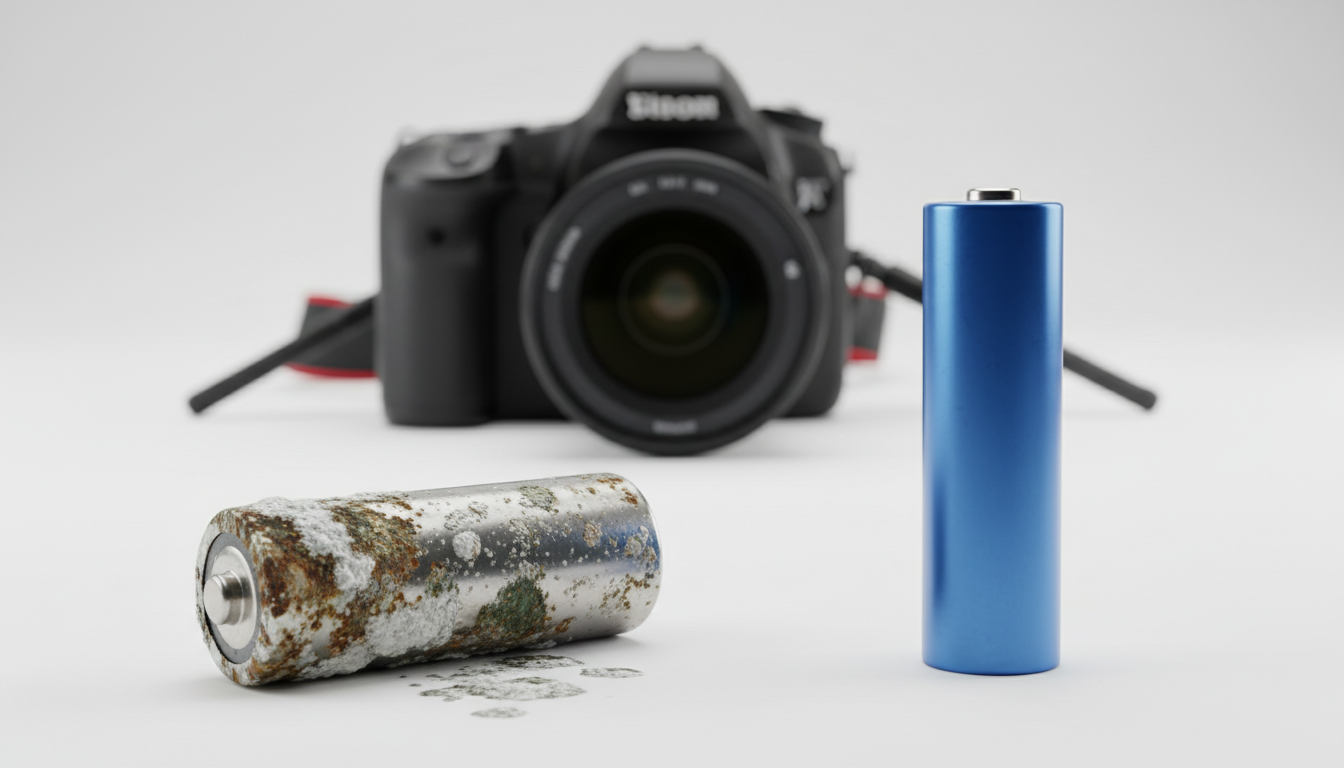
Alkaline batteries struggle to supply the high peak currents required when Blink cameras wake from sleep to record or connect via Wi-Fi. This can lead to camera resets, connection failures, or missed recordings. They're also prone to leaking corrosive materials that can damage your camera's internal components and potentially void your warranty.
For indoor cameras in stable temperatures with minimal activity, alkaline batteries might work as a temporary solution. But for outdoor cameras or reliable security coverage, lithium batteries are worth the investment. The upfront cost difference pays for itself through longer life and fewer replacements.
Rechargeable Battery Options
Blink officially recommends against traditional rechargeable batteries like NiMH or NiCd because they output only 1.2V instead of the required 1.5V. This lower voltage triggers low battery warnings and can cause performance issues.
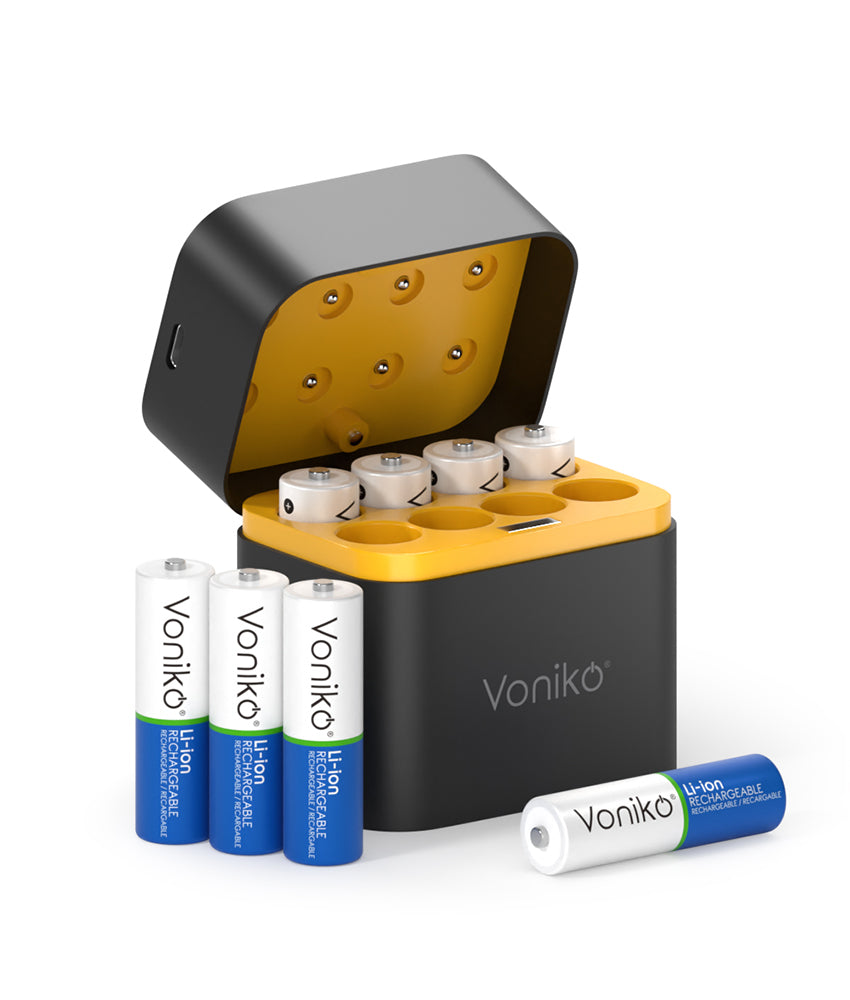
However, newer rechargeable lithium AA batteries that maintain full 1.5V output work well in Blink cameras. Brands like Hixon and Voniko offer rechargeable lithium options with proper voltage, high capacity, and the ability to recharge 1000+ times. These save money long-term if you're willing to recharge batteries every few weeks or months.
Third-party battery packs that convert lithium-ion power to Blink-compatible output are another option. The Wasserstein Built-in Lithium-Ion Battery clips onto the camera's back and extends battery life by 50% while offering USB recharging convenience.
If you go the rechargeable route, make sure to use batteries specifically designed for 1.5V operation and invest in a quality charger made for lithium batteries. Never mix battery types in the same camera.
Tips to Maximize Battery Life
Adjust your camera settings to balance security coverage with power consumption. Reduce motion sensitivity in high-traffic areas where constant alerts aren't needed. Shorter clip lengths (5-10 seconds instead of 30-60 seconds) also help conserve power.
Strong Wi-Fi signal strength reduces battery drain. Cameras struggling with weak signals consume more power trying to maintain connection. Consider adding a Wi-Fi extender if signal strength shows as weak in the app.
Disable live view unless you genuinely need real-time monitoring. Each live view session drains batteries significantly. Similarly, limit how often you access recorded clips, as each connection requires power.
Position cameras strategically to avoid unnecessary motion triggers. Pointing cameras away from trees, bushes, or streets with constant movement prevents your camera from waking up repeatedly for non-security events.
Keep camera firmware updated. Software improvements often include power management optimizations that extend battery life. Check for updates regularly through the Blink app.
Making the Right Choice for Your Setup
For most Blink camera owners, non-rechargeable lithium batteries from trusted brands offer the best balance of performance, convenience, and value. They're ready to use, last significantly longer than alkaline options, and work reliably in all weather conditions.
If you have multiple cameras or high-usage installations, rechargeable lithium batteries with proper 1.5V output can save money over time despite higher upfront costs. Calculate your replacement frequency to determine if rechargeables make financial sense for your situation.
Outdoor cameras absolutely need lithium batteries for cold weather reliability. Indoor cameras in climate-controlled environments have more flexibility, but lithium still delivers superior performance and fewer replacements.
Whatever you choose, buy from reputable sources and avoid counterfeit batteries that don't meet safety standards. Your home security depends on reliable power, so invest in quality batteries that keep your cameras running when you need them most.
Conclusion
Choosing the best lithium battery for your Blink camera comes down to balancing performance, cost, and convenience. Lithium batteries outperform alkaline options with 2-3 times longer life, superior cold weather performance, and consistent voltage output. Trusted brands like Energizer Ultimate Lithium, Duracell Optimum, and Voniko deliver reliable power for security cameras. While rechargeable lithium batteries (maintaining 1.5V) offer long-term savings, traditional non-rechargeable lithium batteries provide the simplest solution for most users. Check battery levels regularly through the Blink app, optimize your camera settings, and invest in quality batteries from reputable brands to keep your security system operating without interruption.
FAQs
Can you use rechargeable batteries in Blink cameras?
Traditional rechargeable batteries like NiMH (1.2V) aren't recommended because they can't supply sufficient current and trigger low battery warnings. However, newer rechargeable lithium AA batteries that maintain full 1.5V output work well. Brands like Voniko offer rechargeable lithium options with 400+ charge cycles that are compatible with Blink cameras. Just make sure any rechargeable battery specifically states 1.5V output.
How long do lithium batteries last in Blink cameras?
Quality lithium batteries typically last 1-2 years in Blink cameras under normal residential use. Actual battery life depends on several factors including recording frequency, live view usage, Wi-Fi signal strength, and temperature conditions. Cameras in high-traffic areas or extreme weather drain batteries faster, while indoor cameras in controlled environments achieve the longest life. Blink estimates up to two years based on default settings with moderate activity.
What happens if you use alkaline batteries instead of lithium?
Alkaline batteries work in Blink cameras but drain much faster—often lasting only 2-3 weeks to a few months instead of years. They can't supply the high peak currents needed when cameras wake to record, potentially causing resets or connection failures. Alkaline batteries also struggle in cold temperatures, losing up to 50% capacity below freezing, and are prone to leaking corrosive materials that can damage camera electronics.
Which lithium battery brand is best for Blink cameras?
Energizer Ultimate Lithium is widely recommended and can last up to two years with normal use. Duracell Optimum Lithium offers good performance at competitive prices. Voniko Lithium Batteries feature SCM Technology for consistent power delivery and POWER LOCK technology to prevent self-discharge. For rechargeable options, Voniko 1.5V rechargeable lithium batteries provide 3300mWh capacity with 400+ charging cycles. Choose established brands over bargain options for reliability.
Do I need special batteries for outdoor Blink cameras?
Outdoor Blink cameras need lithium batteries for reliable performance in extreme temperatures. Lithium batteries maintain consistent power from -40°F to 140°F, while alkaline batteries lose significant capacity in cold weather. All battery-powered Blink models (Outdoor, Indoor, XT, XT2, Video Doorbell) use the same AA 1.5-volt lithium batteries. Indoor cameras have more flexibility but still perform better with lithium for longer life and stable voltage output.