

Your digital watch just stopped, and you're left wondering which battery to buy for a replacement. With dozens of coin cell options on shelves and online, the choice can feel overwhelming. But here's the thing: picking the right battery matters more than you might think. The wrong choice can mean poor performance, shortened lifespan, or even potential damage to your watch.
We've spent years helping people power their most-used devices, and watches are no exception. In this guide, we'll walk you through everything you need to know about choosing the best coin cell battery for digital watches, so you can get back to reliable timekeeping without the guesswork.
Why CR2032 Is the Go-To Choice for Most Digital Watches
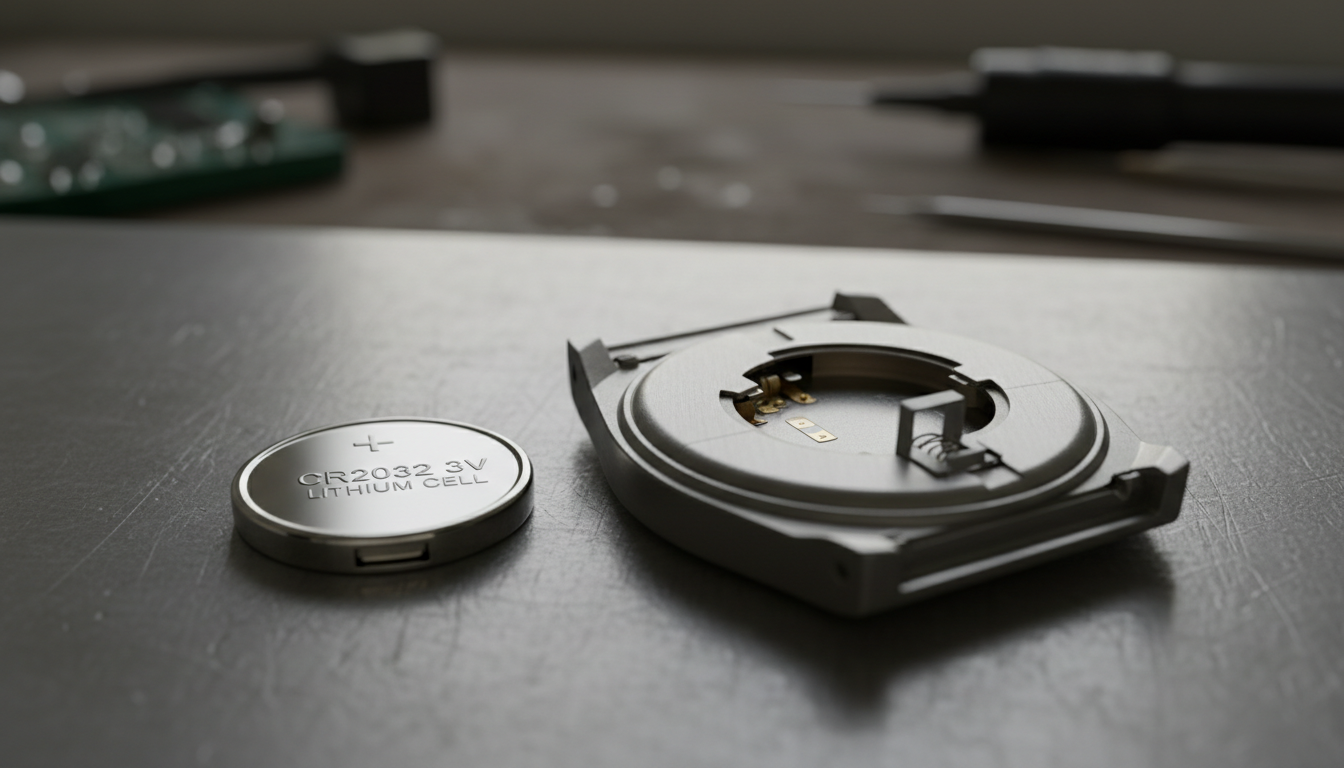
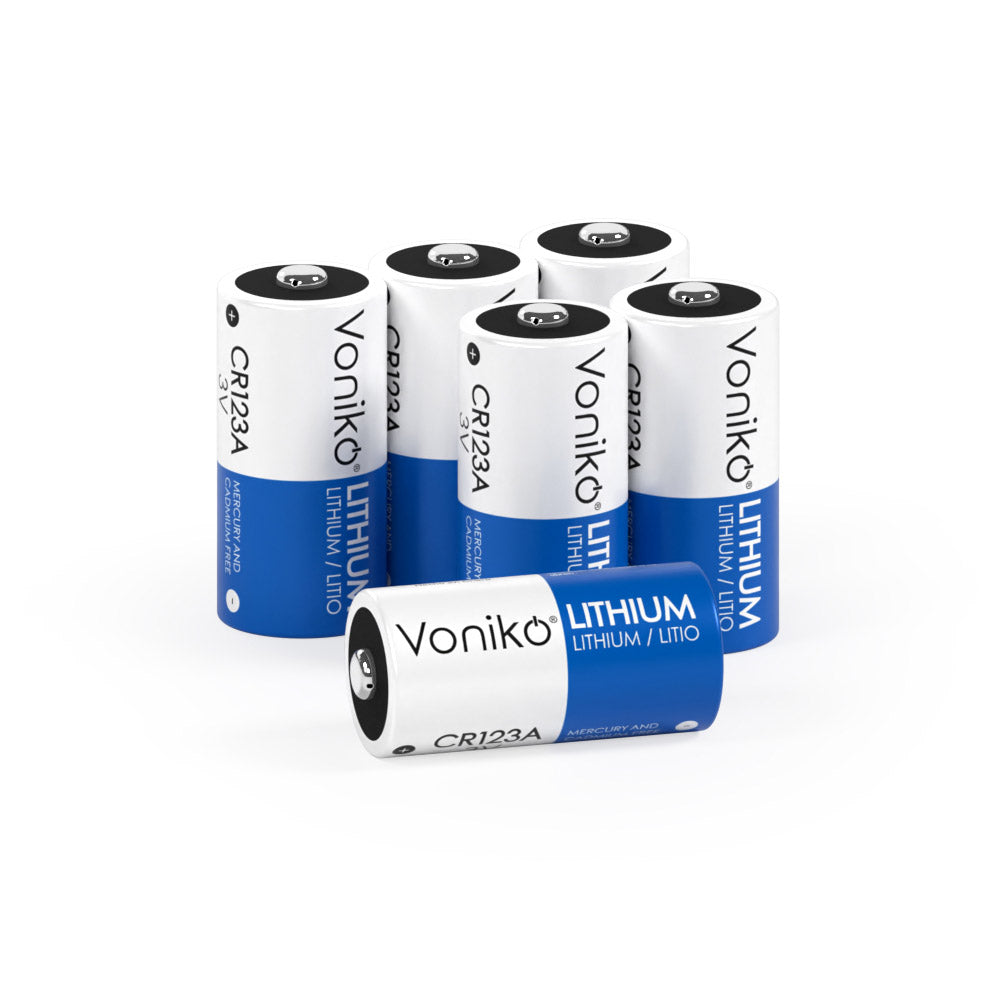
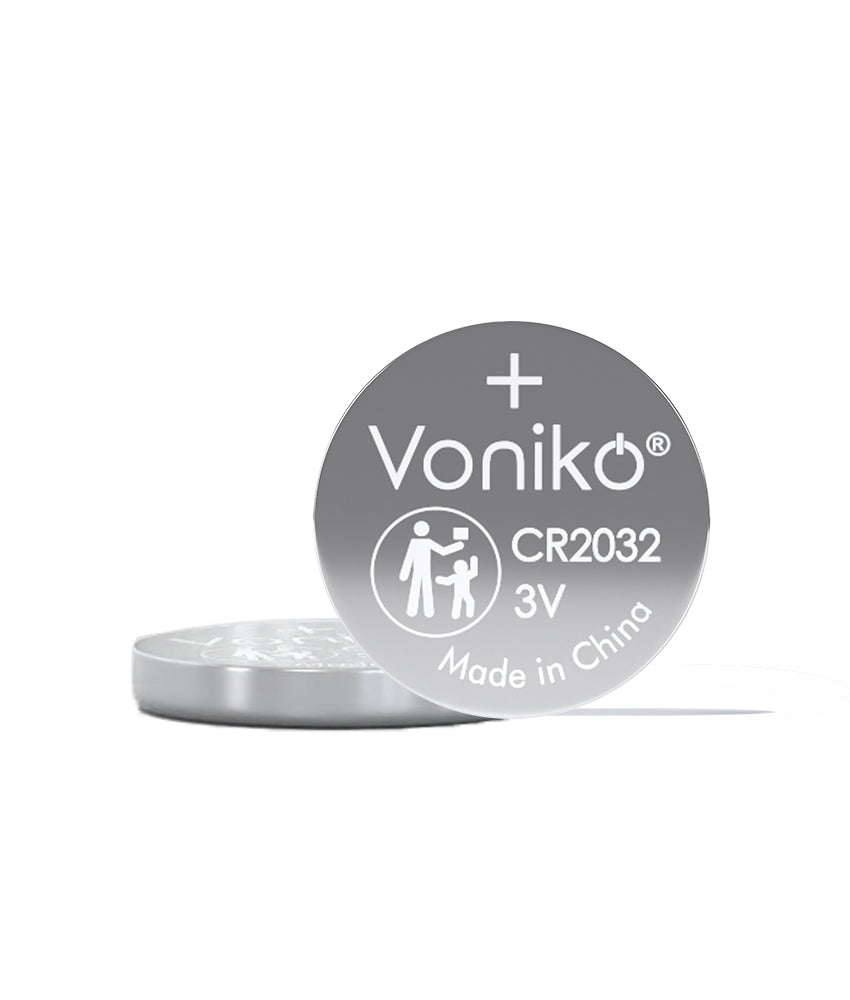
CR2032 coin cells are the most popular button batteries, and there's a good reason for that. They typically feature up to 240mAh capacities, have a 3V voltage, and work reliably in everything from basic digital watches to more complex timepieces with multiple functions.
Most digital watches use lithium manganese dioxide, which provides a nominal voltage of 3 volts. The CR2032 delivers exactly that. Its 20mm diameter and 3.2mm thickness fit most watch compartments designed for this standard size. A CR2032 battery in a car key fob may last up to 4-5 years, but in watches, you can typically expect 2-3 years depending on features and usage.
What makes the CR2032 stand out is its balance between capacity and size. It's thick enough to pack serious energy but slim enough to fit in compact watch cases. If your watch uses a CR2032, you're in luck—they're widely available and competitively priced. Check out our lithium coin cell collection for reliable options.
Battery Chemistry: Lithium vs. Alkaline
Not all coin cells are created equal, and chemistry makes a big difference. Lithium cells like the CR2032 are ideal for long-term, high-reliability applications, while silver oxide batteries excel in precision devices like watches. But what does that mean for your digital watch?
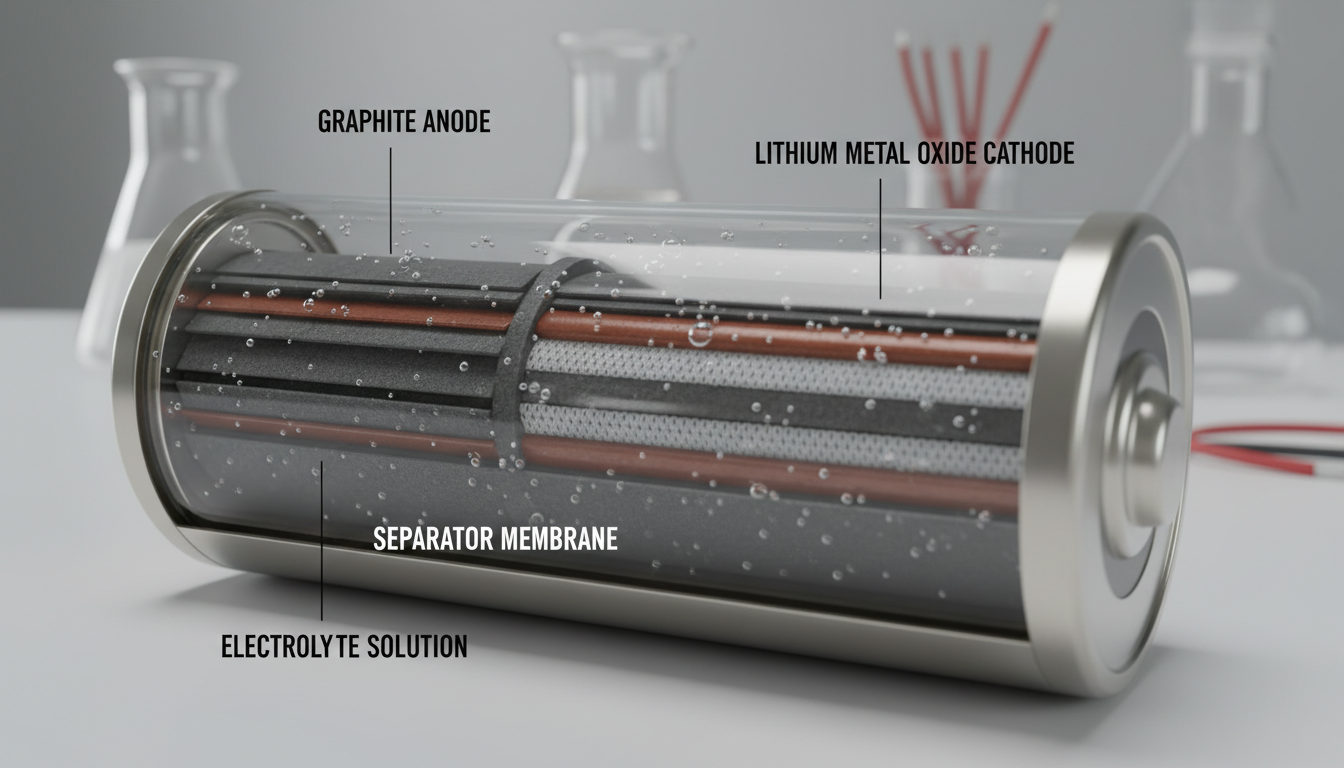
Lithium batteries offer excellent shelf life and can sit unused for years without losing charge. They maintain stable voltage throughout their life, which means your watch keeps accurate time right up until the battery dies. Alkaline batteries are entirely useless for watches as their power reserve and performance dips from day 1.
Silver Oxide batteries are considered the best for most quartz watches because they provide a stable voltage and longer lifespan. However, for digital watches with LCD displays, lithium remains the top choice. The takeaway? Always match the battery chemistry to what your watch manufacturer recommends. You can explore different battery types in our alkaline battery and lithium battery sections.
How Long Should Your Watch Battery Last?
Most watch batteries last between 1 and 3 years, but that's a pretty wide range. What affects where your battery falls in that spectrum? Several factors come into play.
Standard analog watches often boast battery lifespans of 2 to 3 years, while digital watches or models with multiple features may require more frequent replacements—closer to every 12 to 18 months. If your digital watch has a backlight, alarm, or other power-hungry features, expect to replace batteries more often.
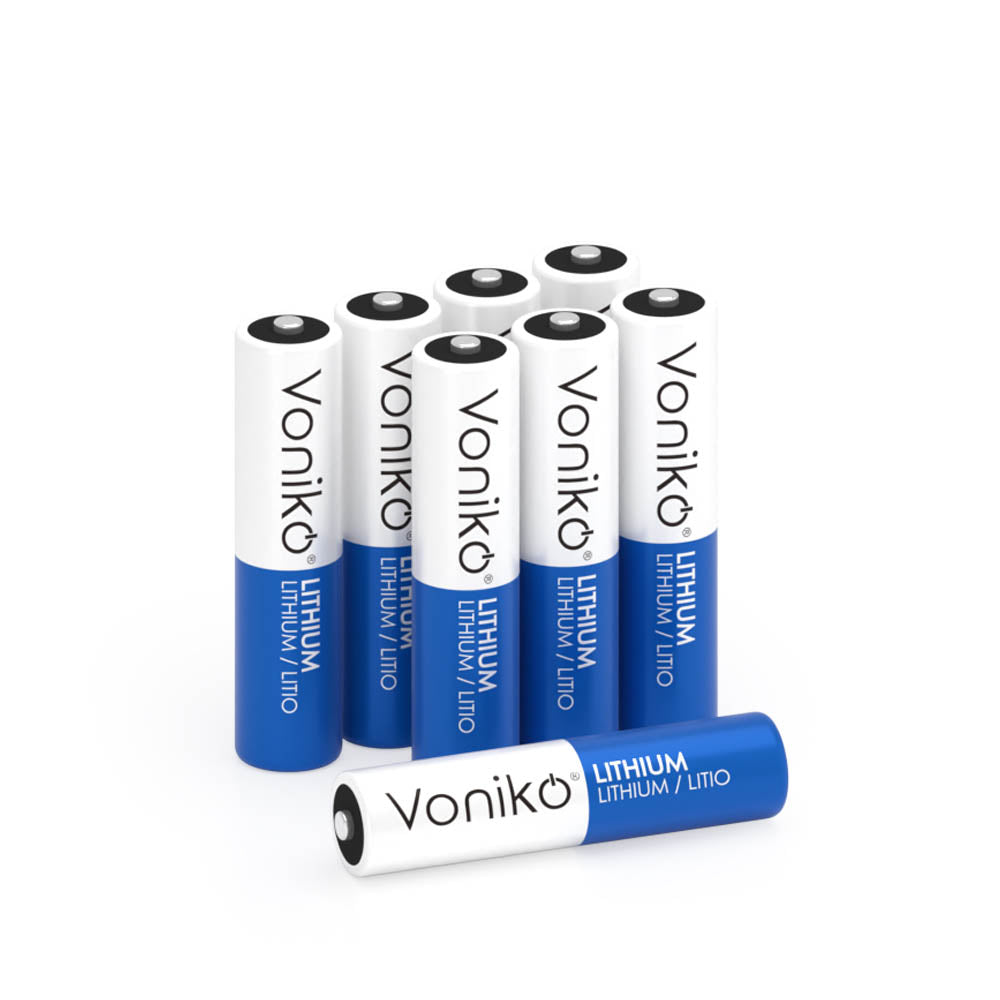
Battery quality matters too. Energizer claims that their lithium coin cell batteries have up to 10 years of shelf life when properly stored. That doesn't mean they'll last 10 years in your watch, but it does mean you're starting with a fresh, full-capacity battery. Quality batteries like our Voniko coin cells are date-coded printed on the battery packaging and designed for long shelf life, but fresher batteries always perform better than older stock.
Environment plays a role too. Extreme heat or cold can impact battery performance and lifespan. If you work outdoors or frequently expose your watch to temperature extremes, plan for more frequent replacements.
Top Battery Brands You Can Trust
Brand matters when it comes to coin cell batteries. Renata wherever possible. These tend to be the most expensive but are in our view the best. Renata batteries are the most reliable and last the longest too. They are also the battery of choice fitted by premier Swiss watch houses including Tag HEUER, Breitling, Chopard and even Rolex for their quartz collections.
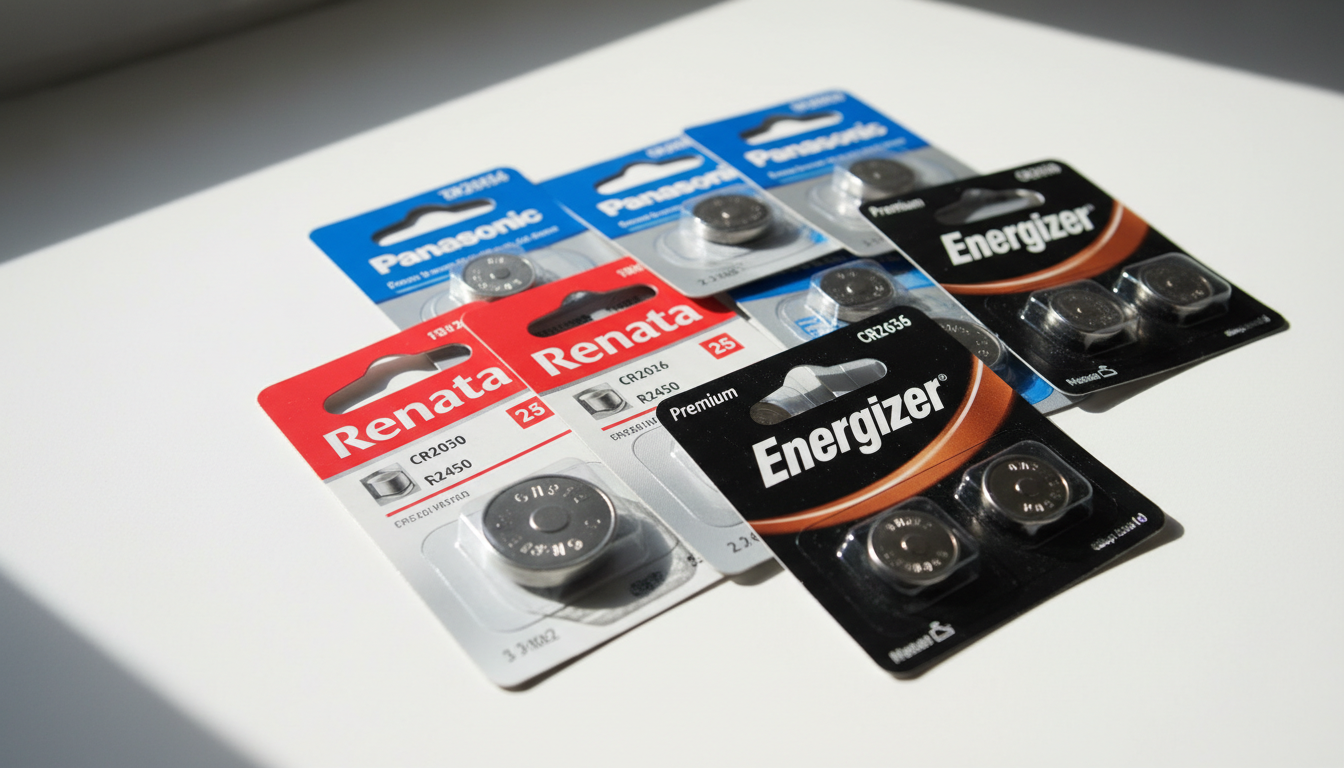
We carry the best brands of CR2032 batteries like: Murata, Renata, Maxell, Panasonic, Toshiba, Premium Generic and Energizer. These manufacturers maintain strict quality control, which translates to consistent performance and fewer defective batteries.
Energizer watch batteries are not only affordable but also versatile, serving diverse applications beyond timepieces. They provide a steady 1.5 volts and exhibit resistance to leakage. Panasonic and Maxell also rank highly for reliability and value. At Voniko Batteries, we stock trusted brands because we know consistency matters when it comes to powering your devices.
How to Choose the Right Size Battery
Size isn't just a number—it's a precise specification that must match your watch exactly. A CR2016 has the same diameter and voltage as the CR2032, but has half the height and may not fit securely into the device you are trying to power.
Here's how to decode battery numbers: The first two numbers let you know the diameter of the battery and the last two numbers tell you the height. So by following this, you can easily see that a CR2032 battery is a (C) lithium chemistry battery with a (R) round shape that has a diameter of (20) 20 millimeters and a height of (32) 3.2 millimeters.
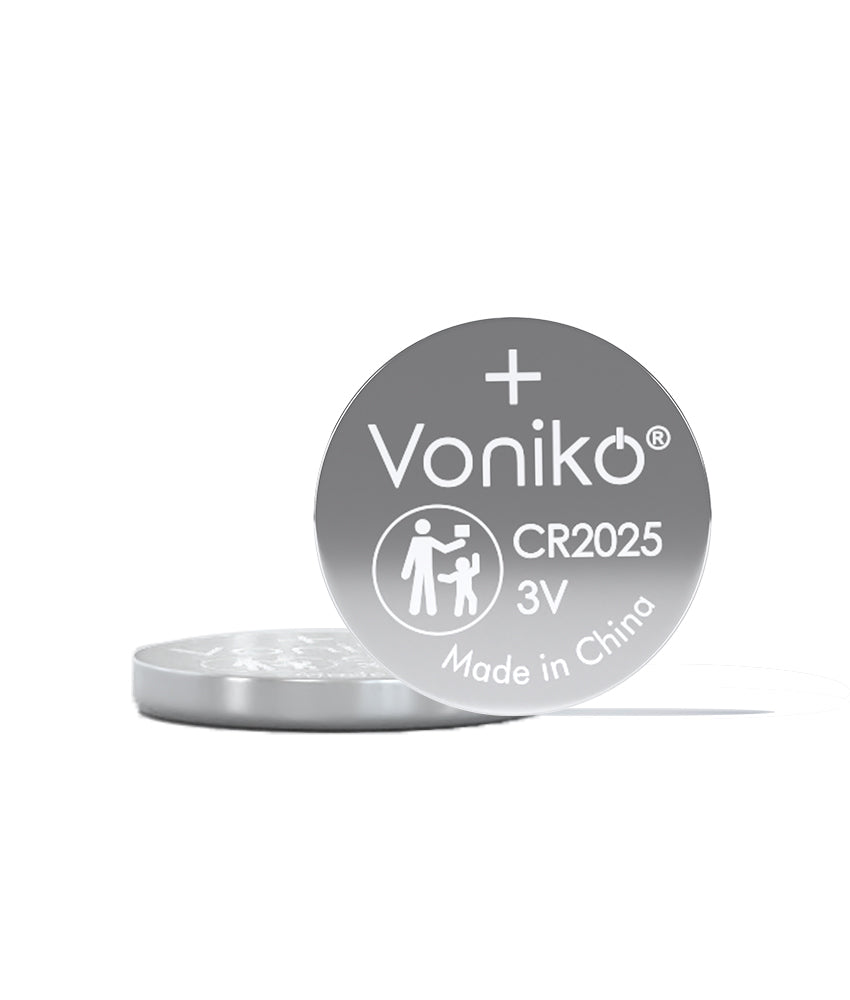
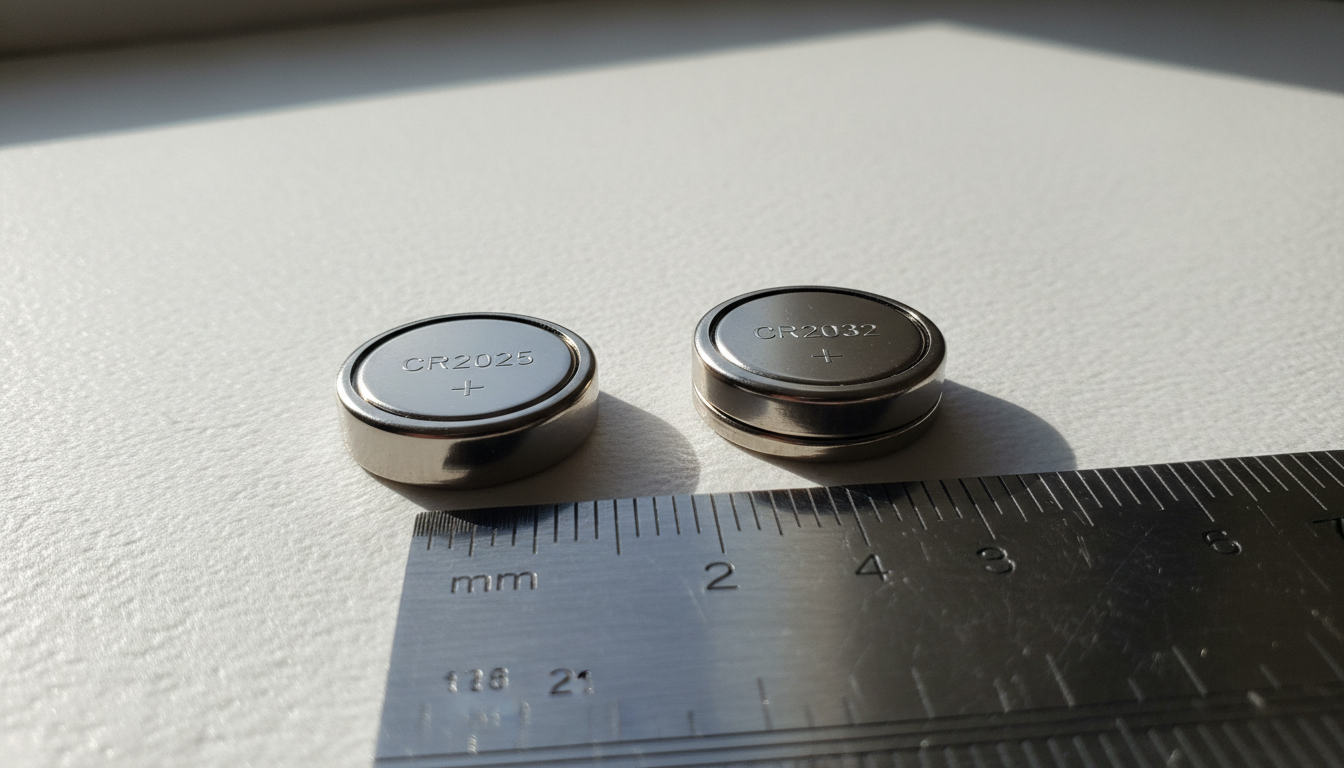
A CR2025 and CR2032 are both 20mm in diameter, but the CR2032 is nearly twice as thick. Trying to force the wrong size can damage your watch case or prevent proper closure. Always verify the exact battery model number required for your watch before purchasing replacements. When in doubt, bring your old battery to compare sizes, or consult your watch's documentation.
Signs Your Watch Battery Needs Replacement
Your watch usually gives warning signs before it completely dies. Many quartz watches give an early warning by having the second hand jump rather than tick smoothly. In digital watches, you might notice the display dimming or flickering.
Dim lighting, flickering, or delayed response in digital watches often point to a dying battery. If your watch is losing time—running slower than normal—that's another telltale sign. Don't ignore these signals.
Over time, expired batteries can leak acid and corrode the inner workings of the watch. Corrosion can damage circuits and movement parts, making repairs more complicated and costly. Once you notice performance issues, replace the battery promptly to avoid expensive damage down the road.
Where to Buy Quality Coin Cell Batteries
Purchase from reputable retailers or directly from manufacturers like Panasonic, Maxell, or Energizer. Red flags to avoid include unlabeled packaging, unusually low prices, and lack of safety certifications. If a deal seems too good to be true, it likely involves substandard materials or expired stock.
Buying in bulk can save money if you have multiple watches or devices. Single premium lithium coin cells (like CR2032) typically range from $1.50 to $3.00 each when bought individually. Bulk packs (10–50 units) reduce the per-unit cost to $0.80–$1.50.
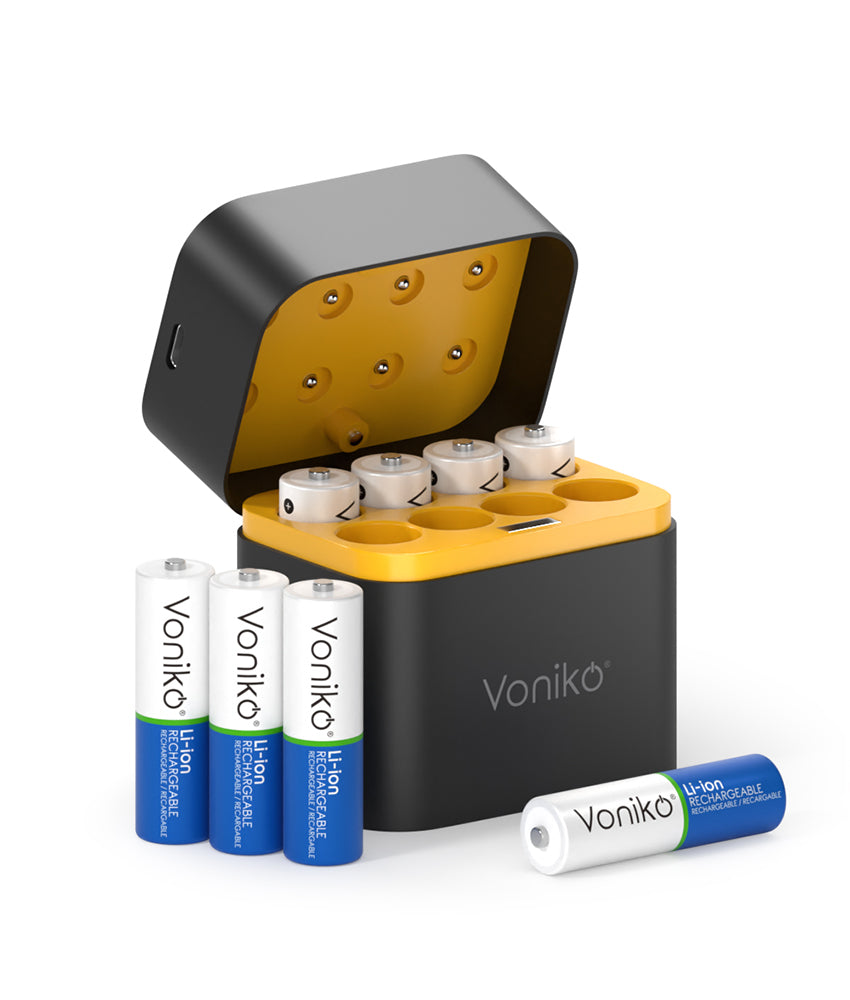
Consider buying batteries in small quantities unless you have multiple watches that use the same size. While bulk packs might seem economical, watch batteries have excellent shelf life but not unlimited storage time. Buying 2-4 batteries at once gives you spares without risking deterioration from long storage. Looking for rechargeable options for other devices? Check out our rechargeables section.
Conclusion
Choosing the best coin cell battery for your digital watch doesn't have to be complicated. Stick with CR2032 lithium batteries from trusted brands like Renata, Panasonic, or Energizer for the best performance. Pay attention to size specifications—they're not interchangeable. Buy from reputable sources, check date codes, and don't wait too long to replace dying batteries to avoid costly watch damage.
Quality batteries from reliable manufacturers will keep your watch running accurately for 2-3 years or more, depending on features and usage. At Voniko, we're committed to providing the reliable power solutions you need to keep your devices—including your favorite timepieces—running smoothly.
FAQs
Can I use a CR2025 instead of a CR2032 in my digital watch?
No, you shouldn't substitute these batteries even though they have the same diameter. The CR2032 is 3.2mm thick while the CR2025 is only 2.5mm thick. The thinner battery won't make proper contact in a compartment designed for CR2032, leading to poor performance or intermittent operation. Always use the exact size your watch requires.
How do I know if my digital watch uses lithium or alkaline batteries?
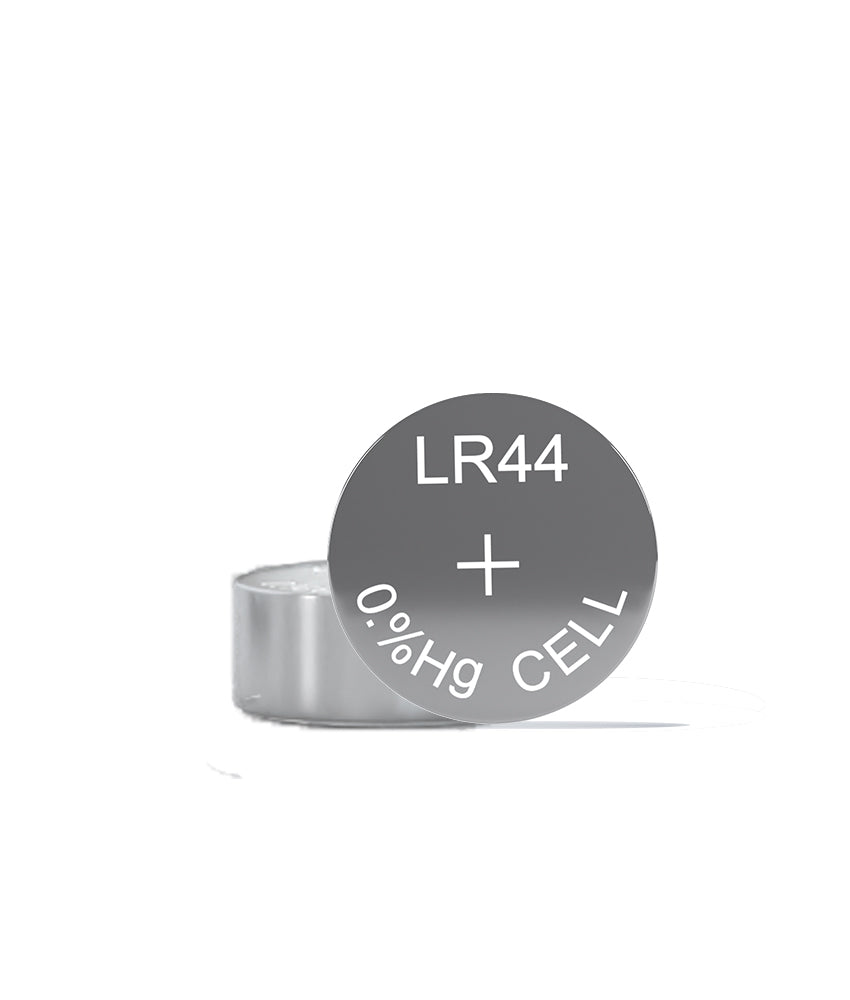
Check the battery currently in your watch or consult your watch manual. Most digital watches with LCD displays use 3V lithium batteries (like CR2032), while some analog watches use 1.5V silver oxide batteries. The battery code printed on it will start with "CR" for lithium or "LR" for alkaline. Never use alkaline batteries in digital watches as they can't maintain stable voltage.
Why do some batteries last only a few months in my watch?
Several reasons could explain short battery life: you might have purchased old stock with diminished capacity, your watch may have features that drain power quickly, or there could be an underlying issue with the watch itself. Check the manufacturing date on your batteries and buy from reputable sources. If fresh, quality batteries still die quickly, have a professional check your watch for electrical problems.
Is it worth buying premium brand batteries or are generic ones just as good?
Premium brands like Renata, Panasonic, and Energizer consistently deliver better performance and reliability. They maintain stricter quality control, which means fewer defective batteries and more predictable lifespan. Generic batteries might save you a dollar upfront but often fail sooner or provide inconsistent voltage. For an item you wear daily, the extra dollar or two for a quality battery is worth it.
Should I replace my watch battery myself or take it to a professional?
For basic digital watches with simple snap-back cases, DIY replacement is usually fine if you have the right tools and are careful. However, for water-resistant watches, expensive timepieces, or watches with delicate mechanisms, professional replacement is worth it. Professionals can properly reseal water-resistant watches and check for other issues while they have it open. The small service fee often prevents much costlier repairs later.