

Lithium-ion batteries power nearly everything around us—smartphones, laptops, electric vehicles, and even home energy storage systems. We rely on these batteries daily, but they come with risks. Lithium ion battery fires occur as a result of thermal runaway, which happens when the battery overheats and starts a dangerous chain reaction. These fires burn hotter than regular fires, produce toxic smoke, and can reignite hours after you think they're out.
Knowing how to respond when a lithium-ion battery catches fire can protect you, your family, and your property. We'll walk you through the methods that actually work, the common mistakes to avoid, and the steps to take before things get out of hand.
What Makes Lithium-Ion Battery Fires Different
You can't treat these fires like you would a typical house fire. Thermal runaway generates oxygen, so a battery fire kicks off even without any help from external oxygen in the surrounding environment. This means the fire feeds itself from the inside out.
A lithium battery fire is not like a regular fire: it burns hotter, can reignite hours later, and often resists traditional extinguishing methods. The temperatures can reach around 752 degrees Fahrenheit, and the smoke it produces is toxic. That's why standard firefighting approaches often fall short.
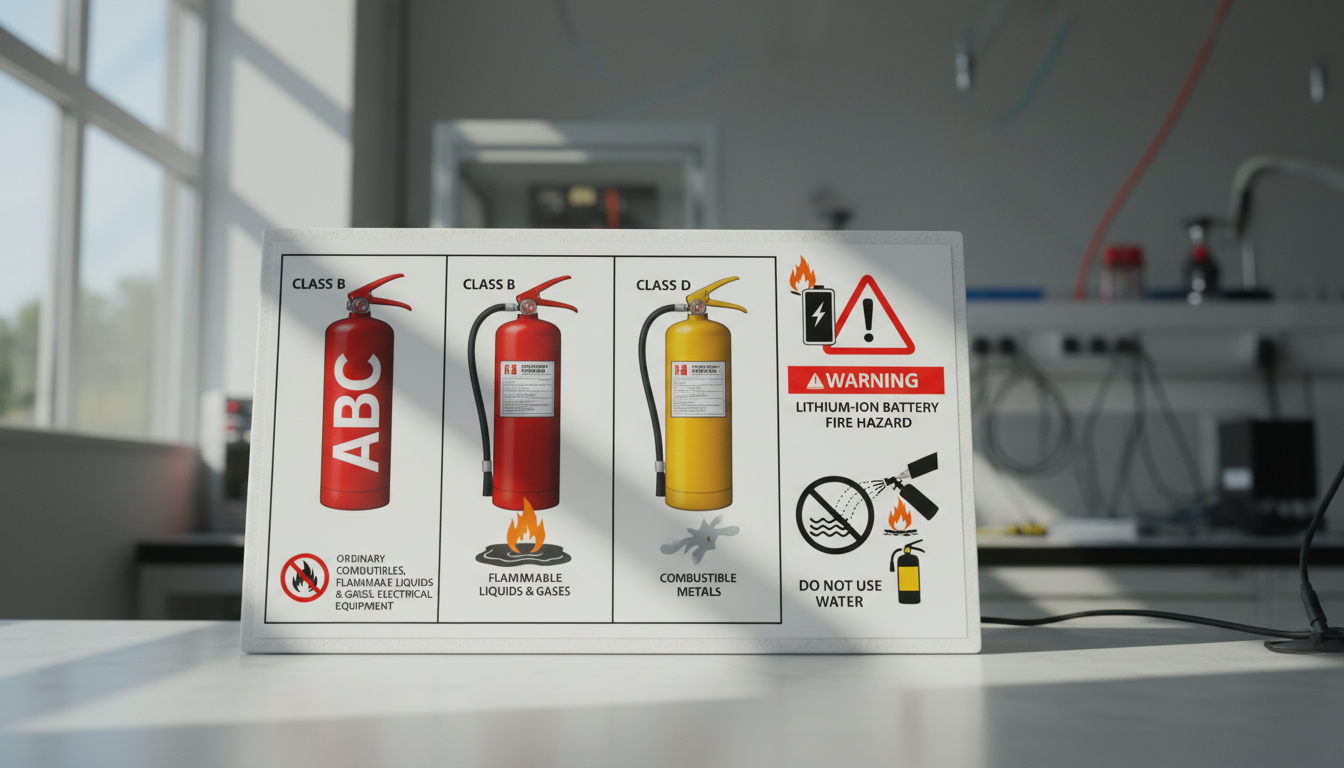
When we talk about lithium batteries, we need to understand they contain flammable liquid electrolytes. Lithium-ion battery fires are classified as Class B fires, which involve flammable liquids. The batteries contain liquid electrolytes that provide a conductive pathway. This classification matters because it determines which extinguisher will work.
The Right Fire Extinguisher for Lithium-Ion Batteries
Here's where people get confused: despite the name, a Class D fire extinguisher, designed for combustible metal fires, is not appropriate for lithium-ion battery fires. Class D extinguishers are meant for lithium metal batteries, not the lithium-ion variety in your devices.
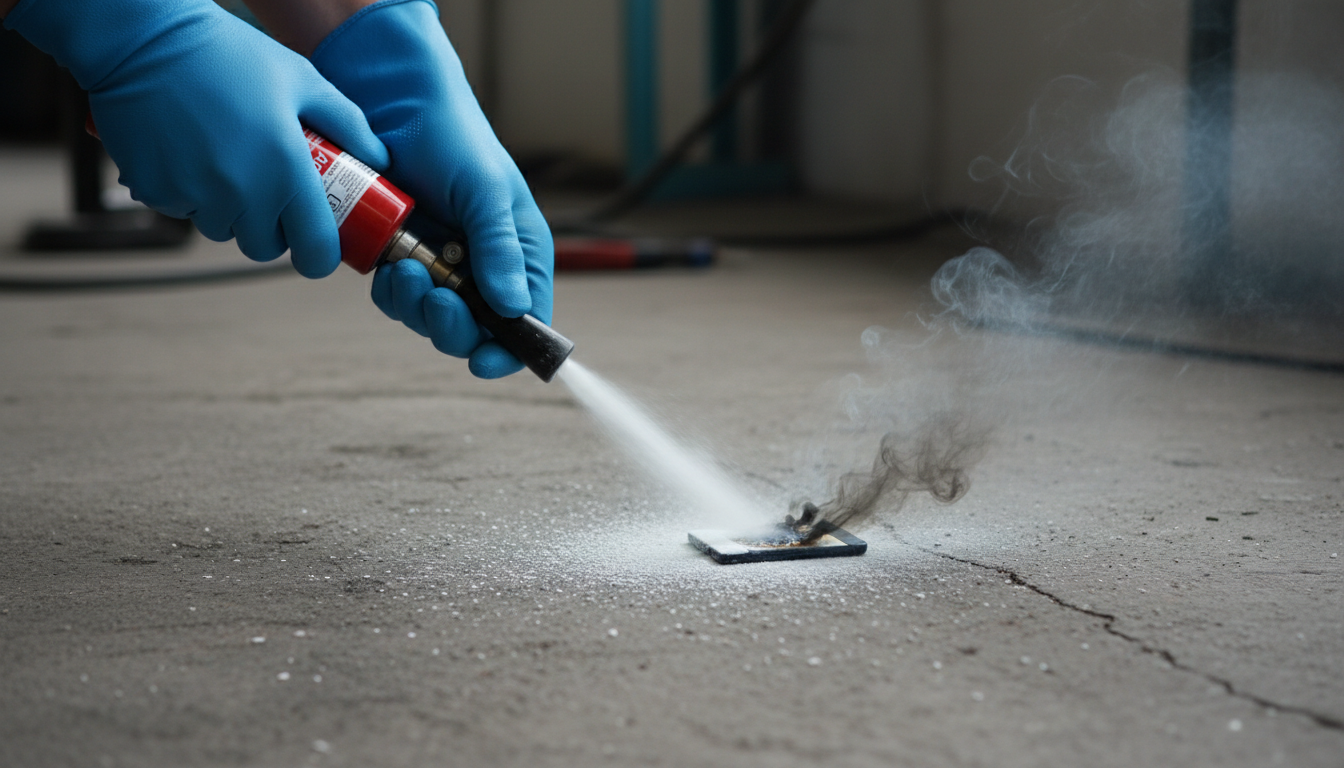
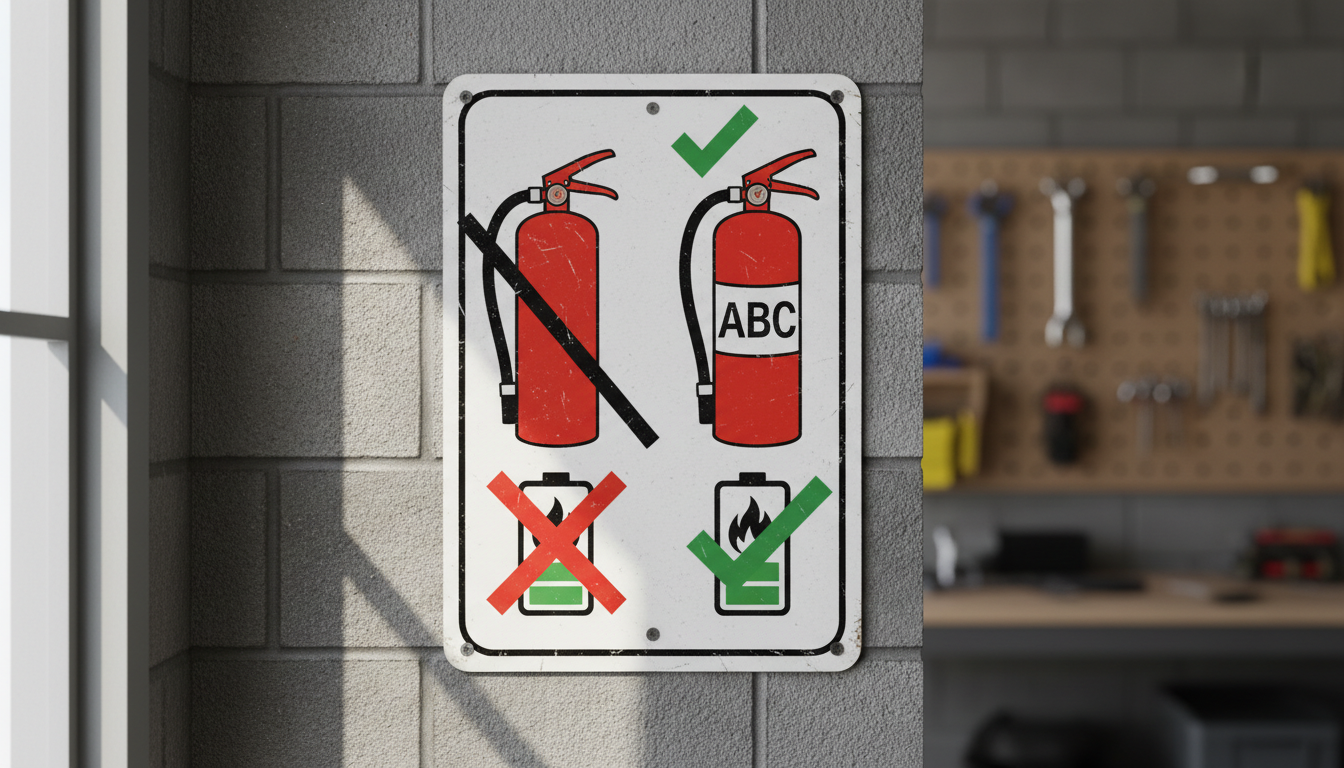
To extinguish a lithium-ion battery fire, use a standard ABC or dry chemical fire extinguisher. These work on Class B fires and can suppress the flames from the flammable electrolytes. But there are better options.
Professionals recommend using a specialized extinguishing agent like the F-500 Encapsulator Agent for putting out lithium-ion battery fires. F-500 EA can be premixed and proportioned at a 3% solution for thorough lithium-ion battery fire mitigation. This agent goes beyond just putting out flames—it cools the battery and addresses the chemical reaction driving the fire.
A DNV GL study found that aerosol extinguishers could put out both single-cell and multi-cell battery fires within seconds. However, deep-seated hotspots may still require additional cooling.
How to Handle Small Lithium-Ion Battery Fires
If a phone, laptop, or other small device catches fire, you need to act fast but smart. First, get yourself and others away from toxic fumes. Toxic fumes are produced during lithium battery fires, so stay a safe distance and avoid breathing them.
Use water to cool the battery. Smaller lithium-ion batteries may frequently be extinguished by dousing them with water or drowning them in a pail of water. Yes, water works on small lithium-ion fires because these batteries contain very little actual lithium metal.
Alternative agents include foam, CO2, ABC dry chemical, powdered graphite, copper powder, and soda. If you don't have an extinguisher handy, huge quantities of sand, baking soda, or dry cement might be used to extinguish the fire and cool the battery.
Our rechargeable batteries are built with safety features, but any battery can fail under the wrong conditions. That's why preparation matters.
Dealing with Larger Battery Fires
Larger fires—like those from e-bikes, electric vehicles, or energy storage systems—require a different approach. In case of a large-scale lithium-ion battery fire, it's crucial to involve the fire department immediately. Fire departments are increasingly training to handle these specific types of fires, which require different tactics than traditional fires.
In bigger flames, significant volumes of water can be used to cool the surrounding surfaces and prevent the fire from spreading to other combustibles. The goal with large fires is containment. You want to stop the fire from spreading while waiting for professional help.
Use a handline to extinguish the fire; flames from a Lithium-Ion Battery should be knocked down with copious amounts of water. Water application should continue until conditions are dormant-that is when no more flame, gas or smoke is being released from the battery or mobility device.
Don't try to be a hero with a big battery fire. Call 911 and evacuate if the fire is spreading or if you can't get it under control within the first few seconds.
What NOT to Do
Some methods seem logical but can make things worse. Never use a Class D extinguisher on lithium-ion batteries—it won't work and could be dangerous.
Don't assume the fire is out just because you don't see flames. A blanket does not address the internal heat buildup or stop thermal runaway. It can create a false sense of security, as the battery can reignite after the blanket is removed. The battery can still be undergoing thermal runaway internally.
And please, don't underestimate the smoke. Get fresh air, stay upwind, and don't breathe in the fumes. They contain hydrogen fluoride and other nasty chemicals that can damage your lungs.
Prevention Beats Response Every Time
You know what's better than knowing how to put out a battery fire? Not having one start in the first place. The best way to handle a lithium battery fire is to prevent it from happening in the first place. This can be done by using the right charger for your device, avoiding overcharging, and storing batteries in a cool, dry place.
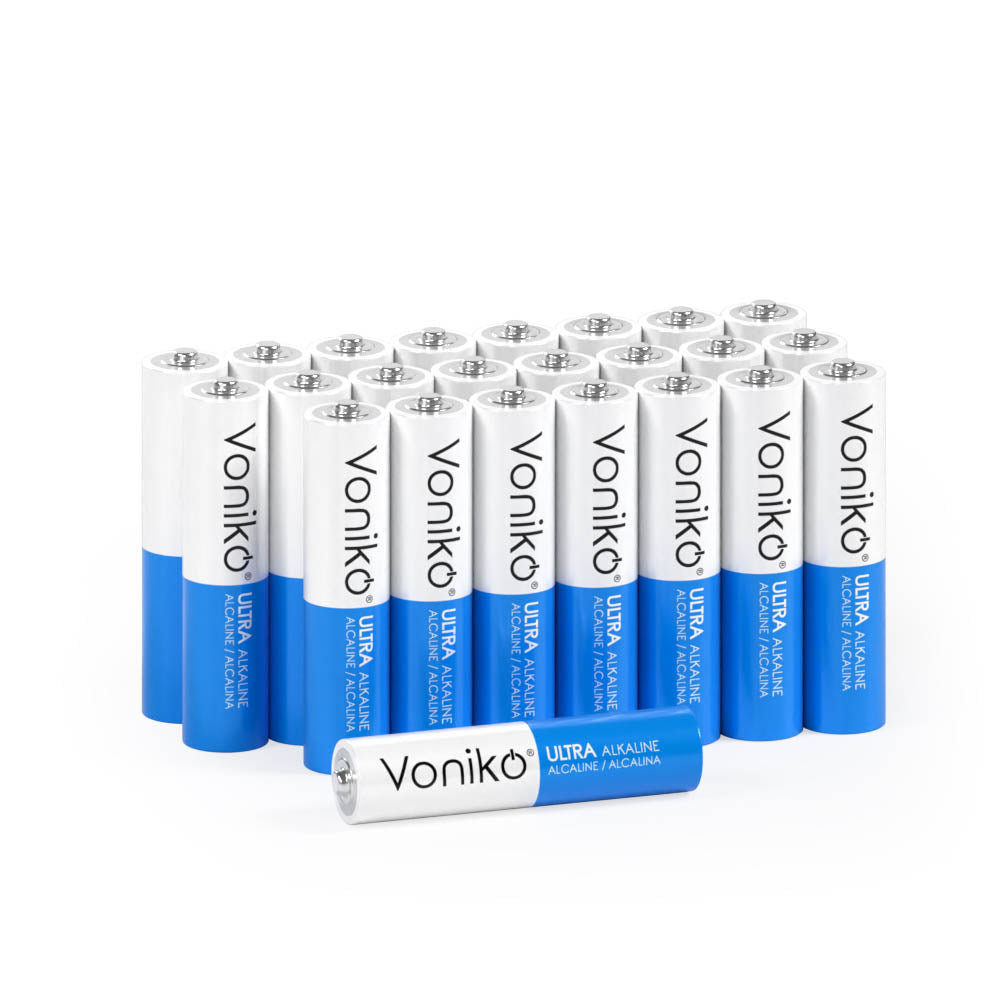
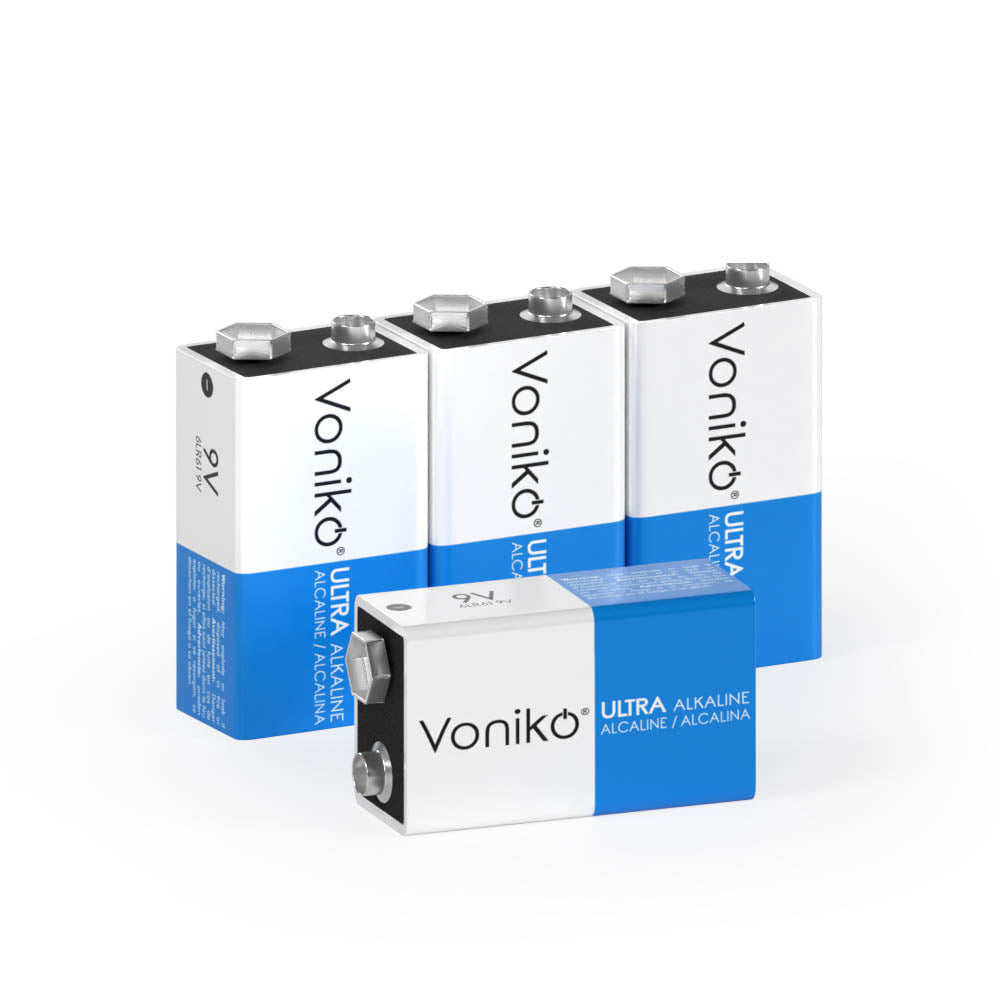
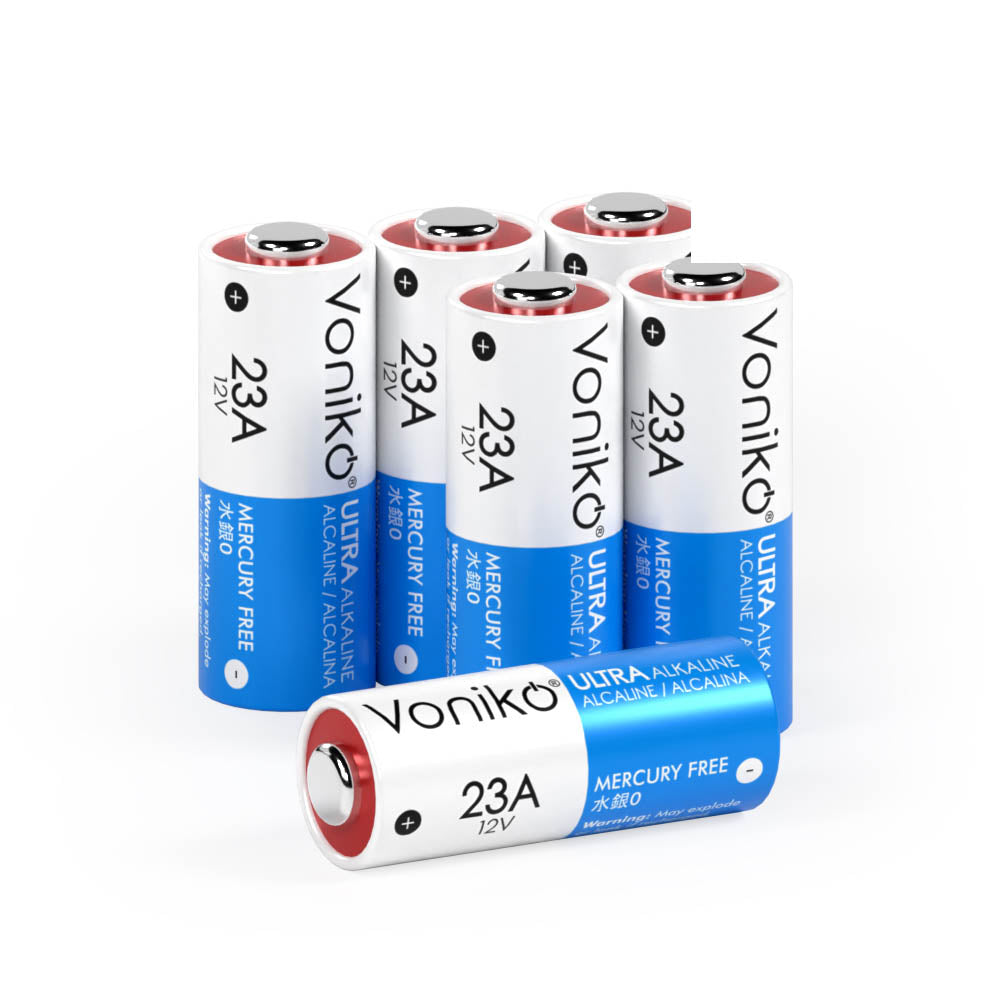
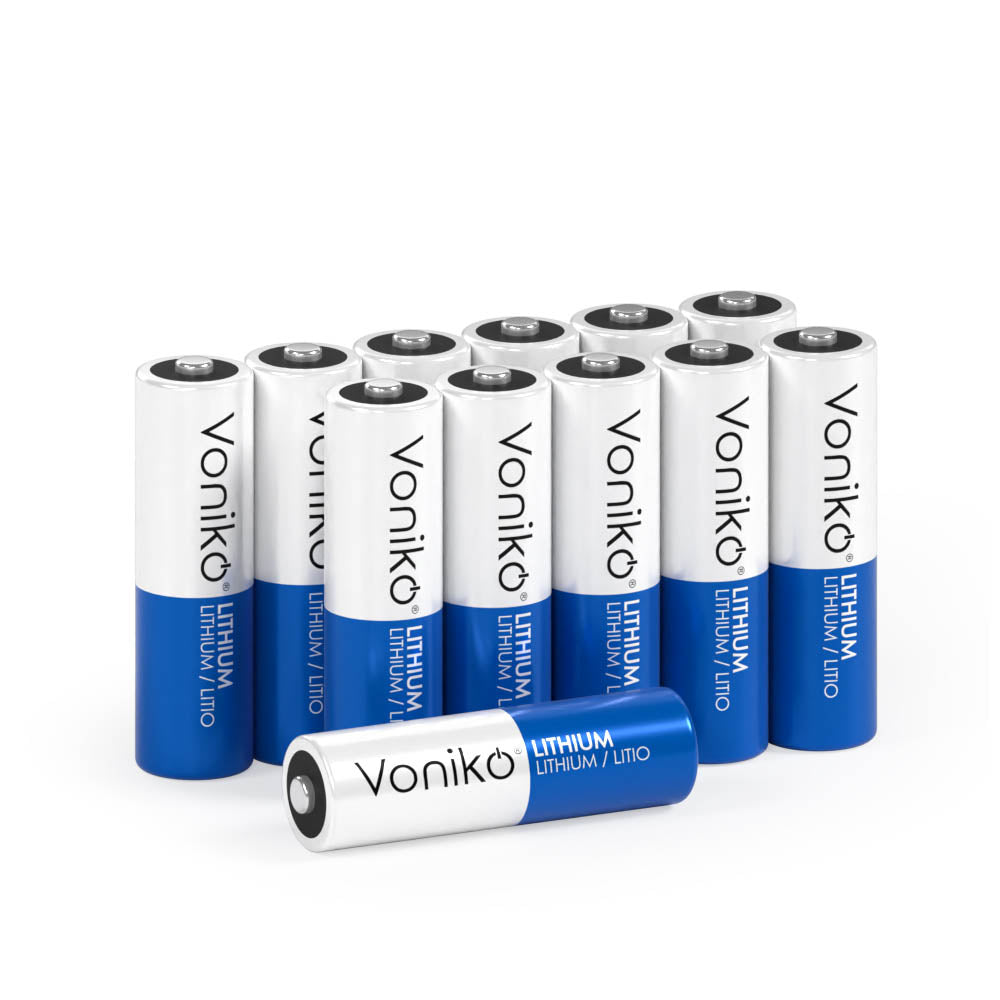
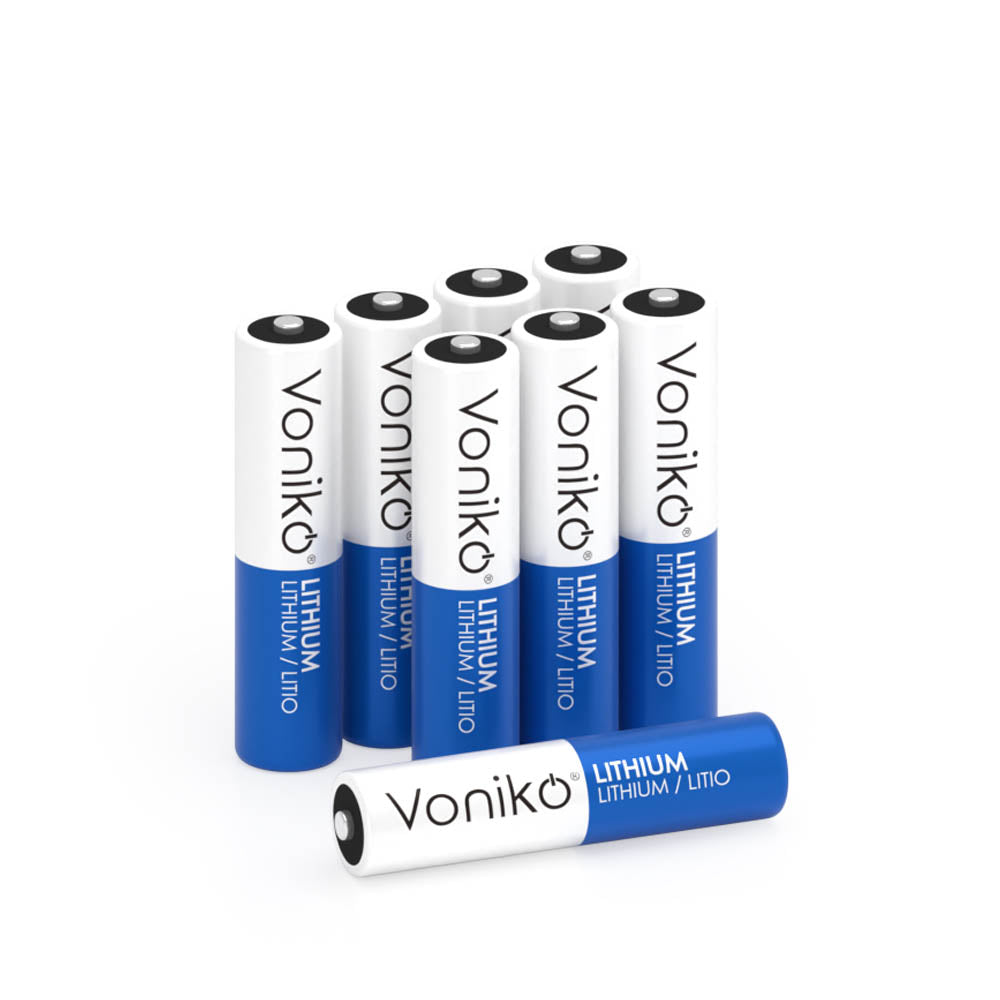
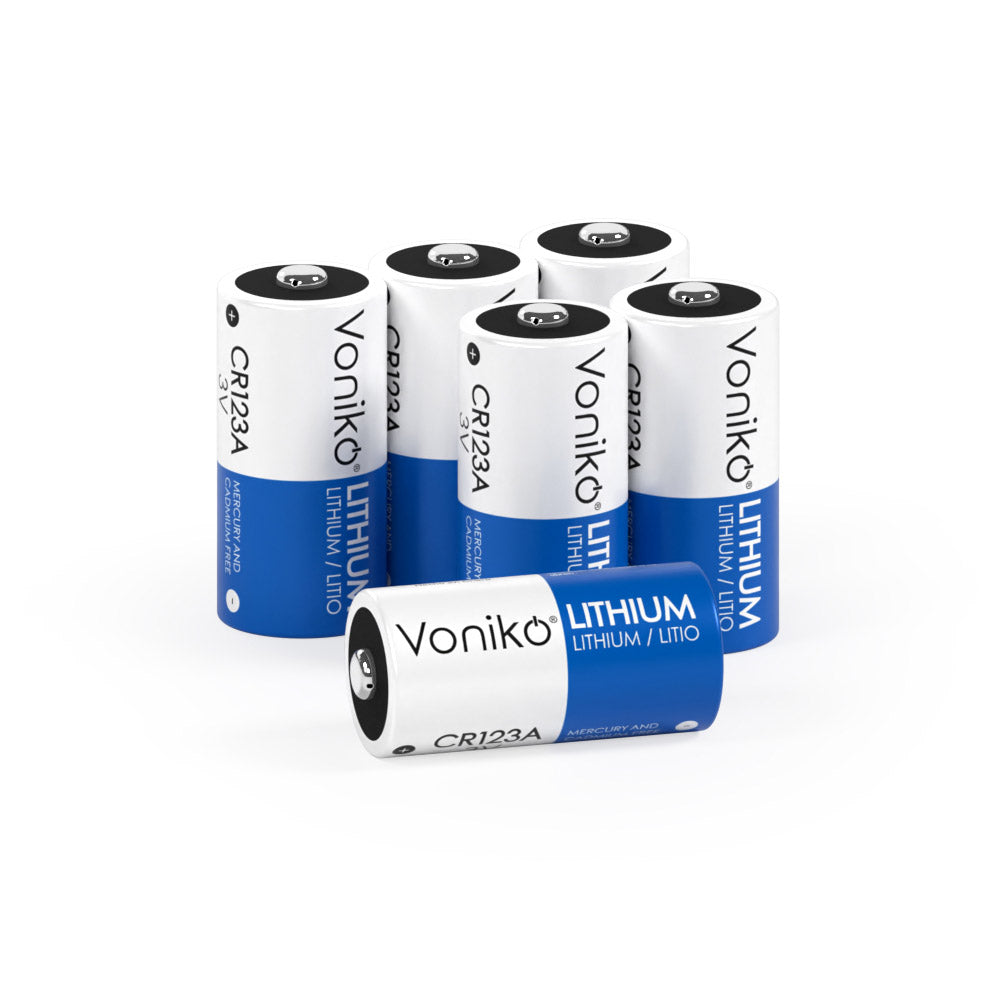
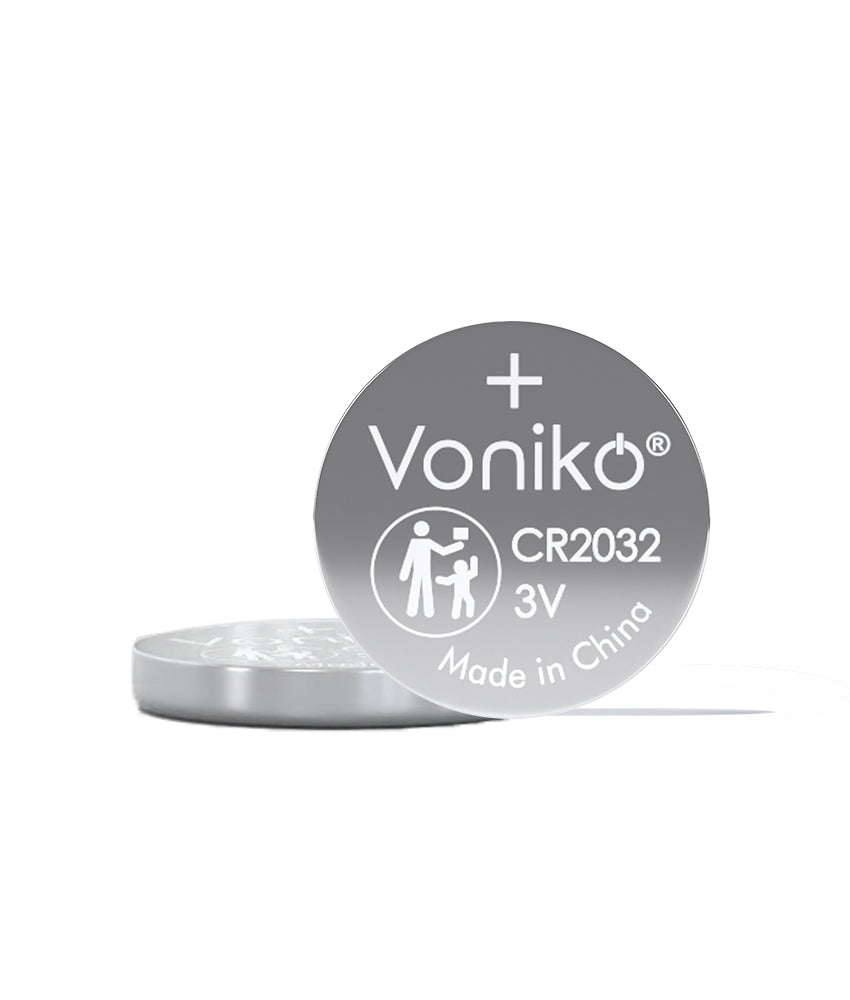
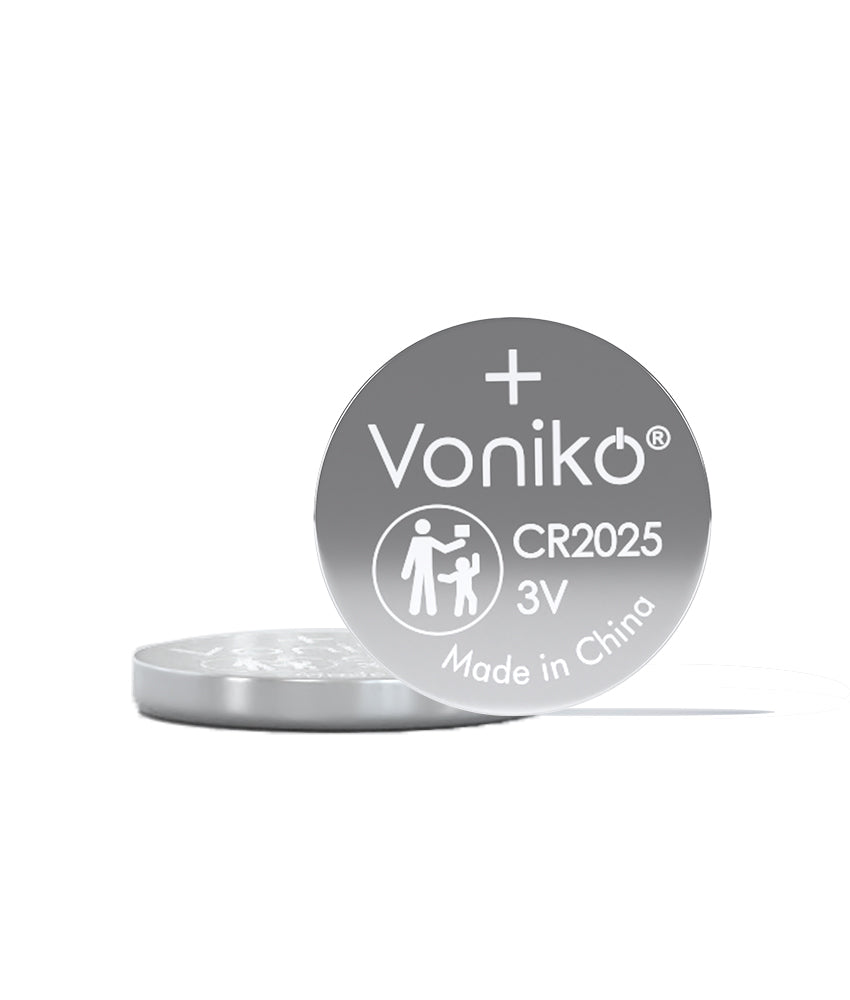
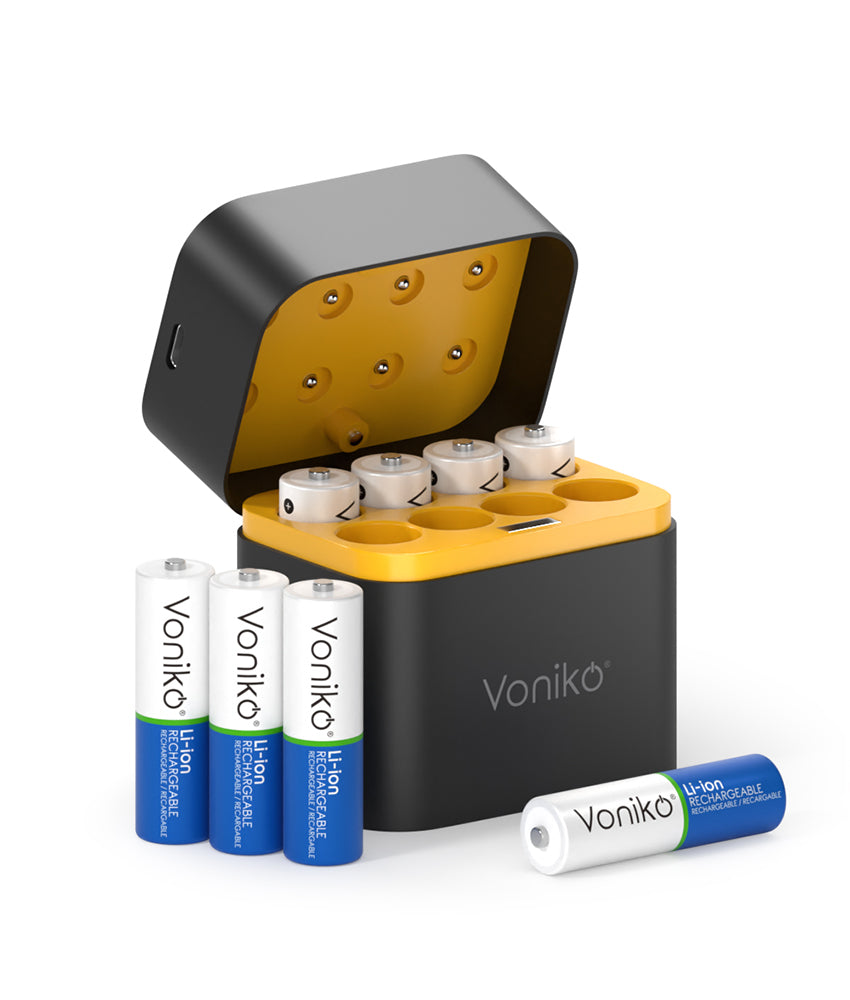
Buy quality batteries from reputable manufacturers like Voniko. Check out our range of lithium coin cells and alkaline batteries designed with safety as a priority.
Watch for warning signs: swelling, unusual heat, strange smells, or hissing sounds. If you notice any of these, stop using the device immediately, move it to a safe location away from flammable materials, and dispose of it properly.
Never charge batteries unattended, especially overnight. Don't use damaged chargers or batteries, and avoid exposing batteries to extreme heat or cold.
Conclusion
Lithium-ion battery fires present unique challenges that standard firefighting methods can't always handle. For small fires, water or an ABC extinguisher works, but specialized agents like F-500 EA provide better results. Larger fires require professional intervention—don't hesitate to call 911. Remember that these fires can reignite, produce toxic smoke, and burn at temperatures that make them hard to control. Prevention through proper charging, storage, and battery maintenance remains your best defense. Understanding the risks associated with the science behind battery fires helps you stay prepared and react quickly when it matters most.
FAQs
Can I use water on a lithium-ion battery fire?
Yes, water is safe and effective for small lithium-ion battery fires. Unlike lithium metal batteries, lithium-ion batteries contain very little metallic lithium. Water helps cool the battery and can extinguish flames from devices like phones or laptops. Douse the battery with water or submerge it in a bucket. For larger fires, use copious amounts of water while waiting for professional help.
What's the difference between Class D and lithium-ion battery fires?
Class D extinguishers are designed for combustible metal fires, including lithium metal batteries. Lithium-ion batteries are Class B fires because they contain flammable liquid electrolytes, not metallic lithium. Using a Class D extinguisher on a lithium-ion fire won't work. You need an ABC dry chemical extinguisher or specialized agents like F-500 EA for lithium-ion batteries.
Why do lithium-ion battery fires keep reigniting?
Lithium-ion fires reignite because of thermal runaway—a self-sustaining chemical reaction inside the battery. Even after the external flames are out, the internal temperature remains high enough to restart the reaction. The battery generates its own oxygen during thermal runaway, feeding the fire from within. That's why you need to cool the battery thoroughly and monitor it for hours after extinguishing.
What should I do if my phone battery starts smoking?
Get away from the device immediately and move to fresh air—the smoke is toxic. If possible and safe, move the phone outside or to a non-flammable surface away from combustibles. Don't try to handle it with bare hands. If it catches fire, douse it with water or use an ABC extinguisher. Never put a smoking battery in your pocket or enclosed space.
Are fire blankets effective on lithium-ion battery fires?
Fire blankets can suppress external flames temporarily and contain smaller fires like laptops or e-bikes, but they don't stop thermal runaway. The blanket blocks radiant heat but doesn't eliminate the internal chemical reaction. The battery can still reignite after you remove the blanket. Use fire blankets as a short-term measure to contain the fire until professional help arrives, not as a complete solution.