

So you've got a small device that needs power—maybe it's a key fob, a watch, or your computer's CMOS system. Chances are, it runs on a lithium coin cell battery. But here's the question: how long will that tiny battery actually last? And will the one sitting in your drawer still work years later?
The answer isn't one-size-fits-all. Battery life varies based on storage conditions, usage patterns, and manufacturing quality. We'll walk you through what you can realistically expect from these compact power sources, whether they're in active use or sitting on a shelf.
What Is a Lithium Coin Cell Battery?
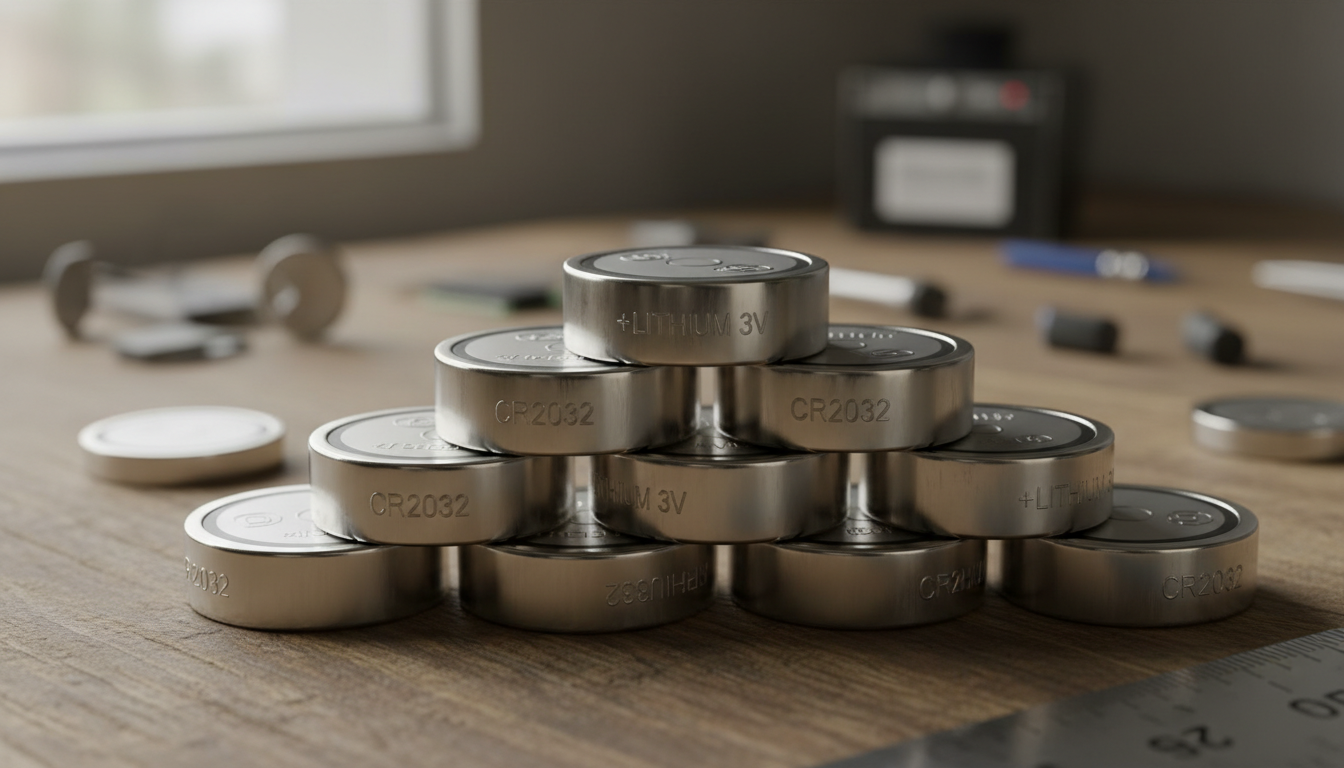
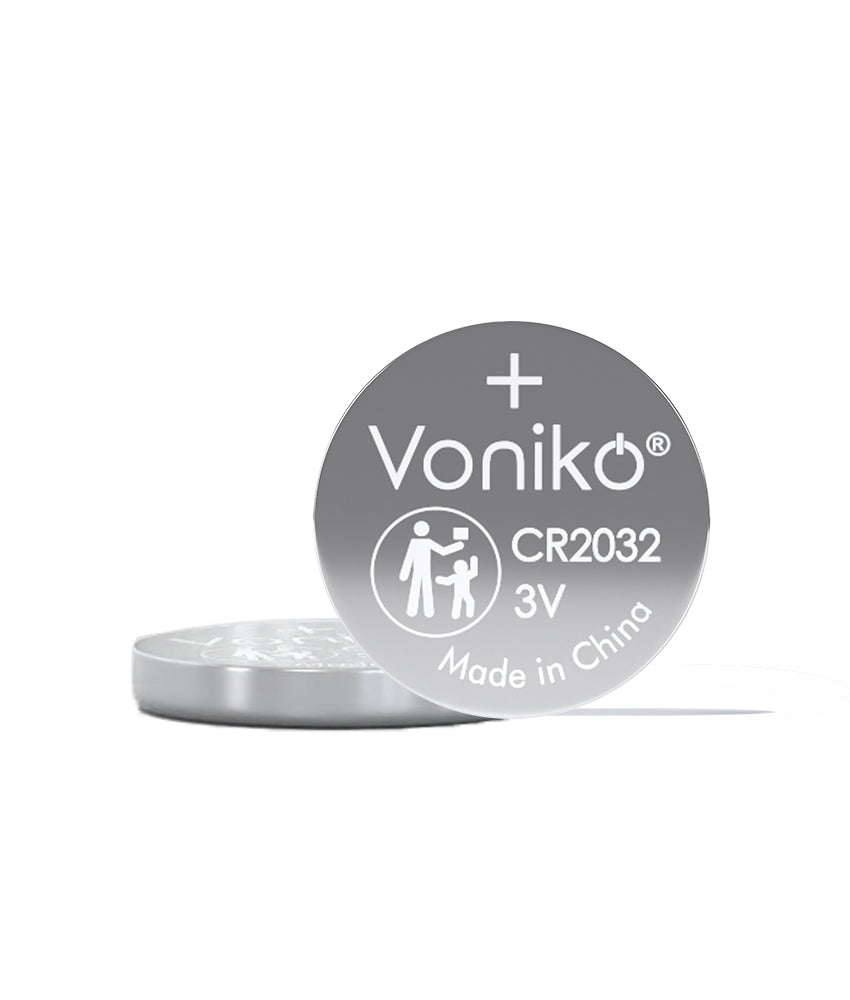
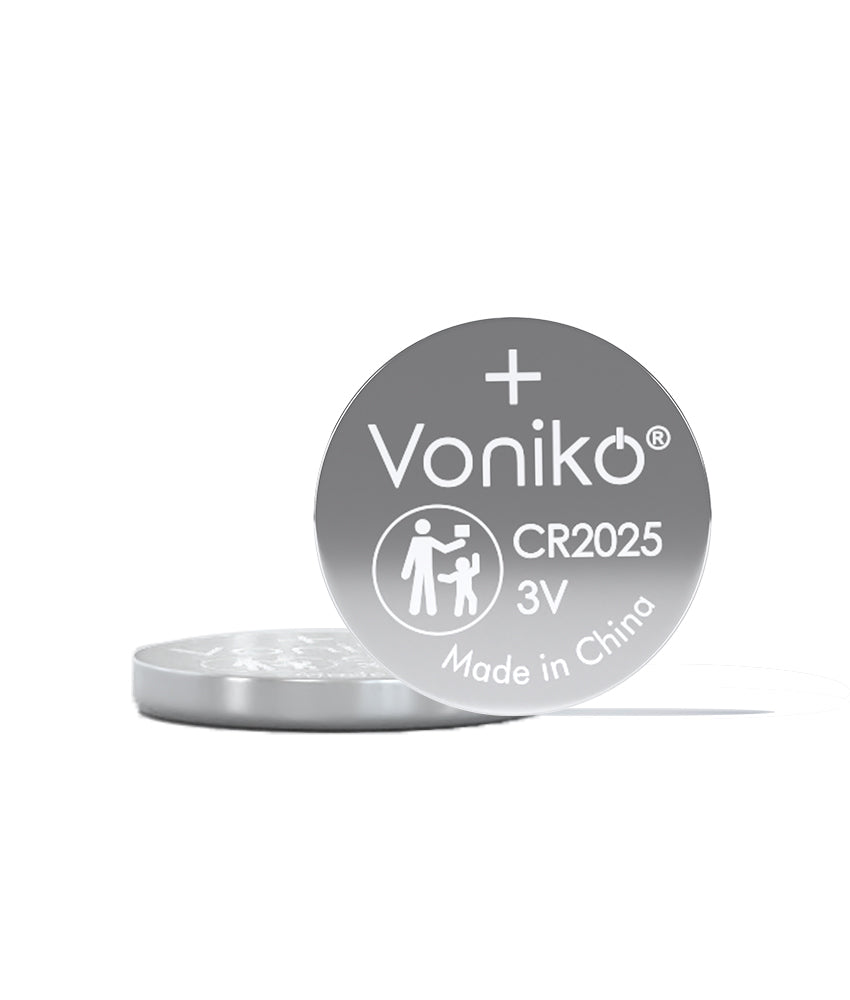
Lithium coin cell batteries are small, round, flat batteries that pack serious power into a tiny package. The CR2032, a three-volt lithium-ion battery with a diameter of 20 mm and thickness of 3.1 mm, is one of the most common types. You'll find them powering everything from watches and calculators to medical devices and lithium batteries for cameras.
These batteries use lithium-manganese dioxide chemistry, which gives them their compact size, high energy density, and long shelf life. That chemistry is also why they're so reliable across different temperatures and applications. At Voniko Batteries, we manufacture coin cells that meet strict quality standards for consistent performance.
Shelf Life: How Long Can You Store Them?
Coin cell batteries like the CR2032 typically provide 5-7 years of shelf life when stored at normal room temperature and humidity. But temperature makes a big difference here.
When stored in a cool, dry environment at 50° F-77° F, CR2032 batteries retain 90%+ of their charge for up to 7 years, thanks to a low self-discharge rate of about 1% per year. Store them somewhere hotter? You'll see that shelf life drop. High heat at 122 ° F+ doubles the self-discharge rate, cutting storage life to 3-5 years, while sub-zero cold at -0.4° F drops capacity by 15-20%, though performance recovers at room temperature.
Want to get the most out of stored batteries? Keep them in their original packaging, away from humidity and temperature swings. That's the same advice we share about battery storage best practices across all battery types.
Usage Life: How Long Do They Last in Devices?
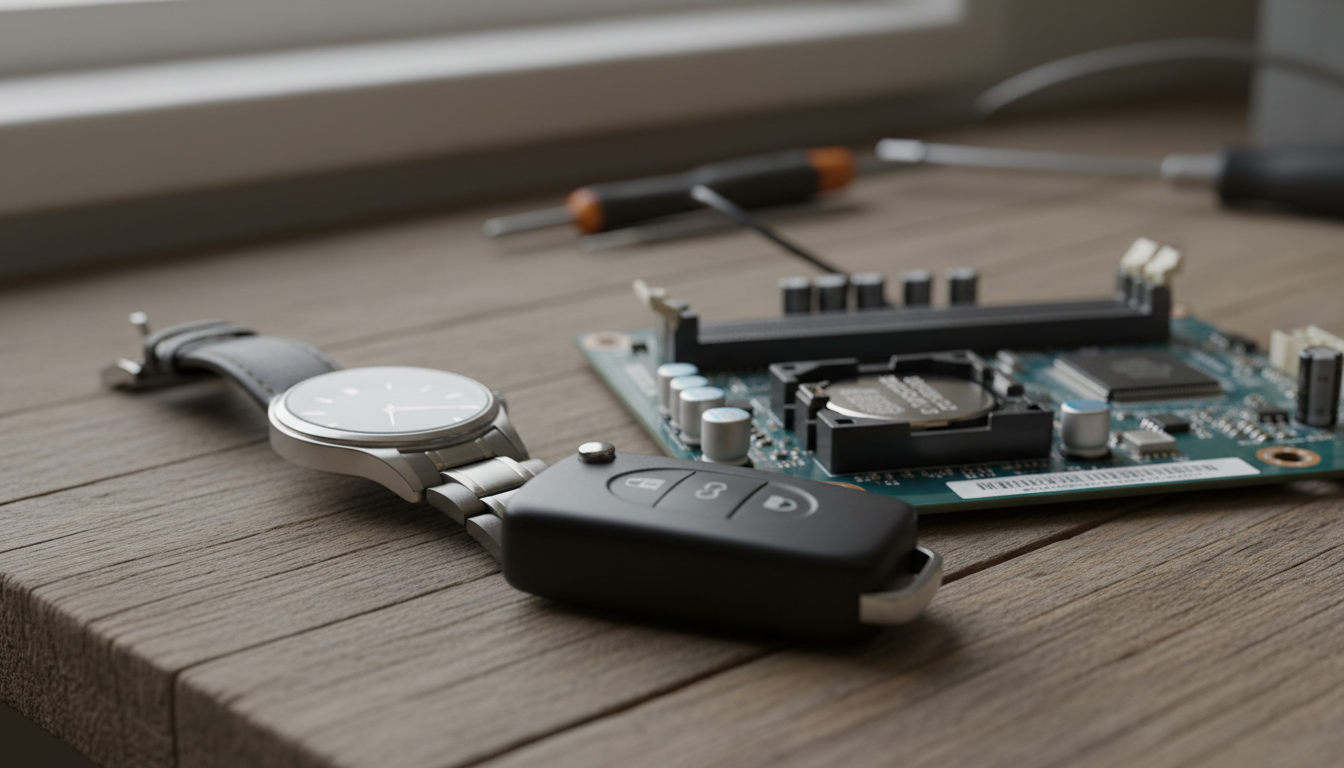
Batteries in active use typically have a usage lifespan of around one year, but this estimate varies depending on the device and usage environment. A CR2032 battery can last between 1 and 3 years depending on usage and device type, with low-drain devices like key fobs lasting closer to 3 years.
Let's look at some real-world examples. A motherboard's CMOS battery, which draws minimal current of about 3 microamps to maintain BIOS settings, can last 3-5 years. In low-drain devices like watches, calculators, or CMOS batteries, a CR2032 can last anywhere from 2 to 5 years, but in more power-intensive applications like digital thermometers or key fobs, it might only last 6 to 12 months.
Why such a big range? It comes down to how much current your device draws. A CR2032 battery in a car key fob may last up to 4-5 years before needing replacement since battery use is very intermittent. But a device that's constantly pulling power will drain it much faster.
What Affects Battery Lifespan?
Temperature Extremes
CR2032 batteries typically operate over a temperature range of -20°C to +70°C with a 225 milliamp hour capacity. They handle temperature variations well during use, but extreme conditions still take a toll. High temperatures accelerate internal chemical reactions within the battery, leading to faster discharge and potential leakage or even explosion.
Current Draw
The amount of power your device needs makes a huge difference. If a CR2032 provides 0.5 mA continuously, its output voltage won't deteriorate to 1.6 volts until it has provided 240 mAh, but at 3.0 mA, it can only provide 155 mAh—lasting just 17 percent of the time expected.
Manufacturing Quality
Battery manufacturing quality plays a crucial role in lifespan, as batteries made under poor conditions may suffer from issues like bloating, while imperfections in cutting electrode sheets can lead to internal short circuits, and poor welding can result in open circuits. Brand matters here. At Voniko, we focus on quality control and manufacturing standards that deliver consistent performance.
Getting the Most Out of Your Coin Cell Batteries
Here's how to stretch battery life:
- Store batteries between 59-77°F in low humidity
- Keep them in original packaging until you need them
- Don't mix old and new batteries in the same device
- Remove batteries from devices you won't use for months
- Check voltage before installing stored batteries (should read close to 3V)
For devices not used frequently, remove the battery to prevent deep discharge and prolong its lifespan. This simple step can prevent those annoying moments when you grab a device after months in storage only to find the battery's completely dead.
Conclusion
Lithium coin cell batteries offer impressive longevity, whether sitting on a shelf or powering your devices. You can expect 5-7 years of shelf life under good storage conditions and anywhere from several months to several years of active use, depending on your device's power demands.
The key takeaway? Battery lifespan isn't just about the battery itself—it's about how you store it, what device it powers, and the conditions it faces. Choose quality batteries from trusted manufacturers, store them properly, and match the right battery to your device's needs. Do that, and you'll get reliable performance when you need it.
FAQs
How can I tell if my lithium coin cell battery is still good?
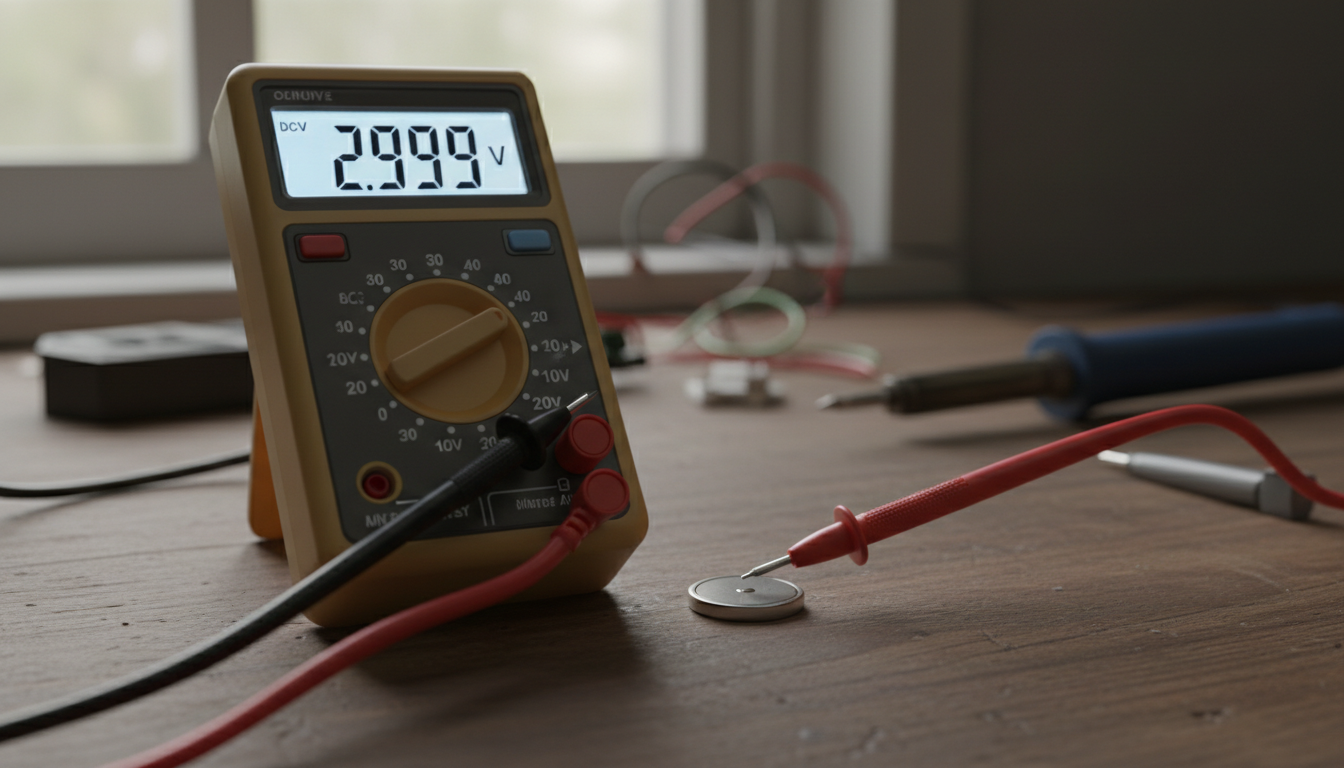
Use a multimeter set to DC voltage. A fully charged CR2032 should read close to 3 volts. If it reads below 2.8V, it's time for replacement. You can also check the expiration date printed on the packaging—most quality batteries include manufacture or expiration dates.
Can I use a CR2032 battery that's been sitting in a drawer for 5 years?
Probably, yes. If stored at room temperature in low humidity, a CR2032 retains over 90% of its charge for up to 7 years. Test it with a multimeter first to confirm the voltage is still near 3V before installing it in your device.
Why does my key fob battery die faster than my watch battery?
Key fobs use more power per activation because they transmit radio signals to your car. Though you only use them a few times daily, those brief high-current bursts drain the battery faster than the constant, ultra-low current draw of a watch movement.
Do all brands of CR2032 batteries last the same amount of time?
No. Manufacturing quality varies between brands. Premium manufacturers use higher-purity lithium, better sealing, and stricter quality controls. These differences show up in shelf life, capacity retention, and leak resistance. Cheaper batteries might save money upfront but often need replacement sooner.
What's the difference between shelf life and usage life?
Shelf life measures how long a battery retains its charge while sitting unused in storage—typically 5-7 years for lithium coin cells. Usage life refers to how long it powers your device during actual use, which ranges from several months to several years depending on the device's power requirements.