


If you've ever wondered why some tiny batteries last longer than others in your devices, the answer often comes down to voltage. We're diving deep into coin cell battery voltage today, breaking down everything you need to know about these small but mighty power sources. Whether you're powering a watch, car key fob, or medical device, getting the right voltage can make all the difference between smooth operation and frustrating device failures.
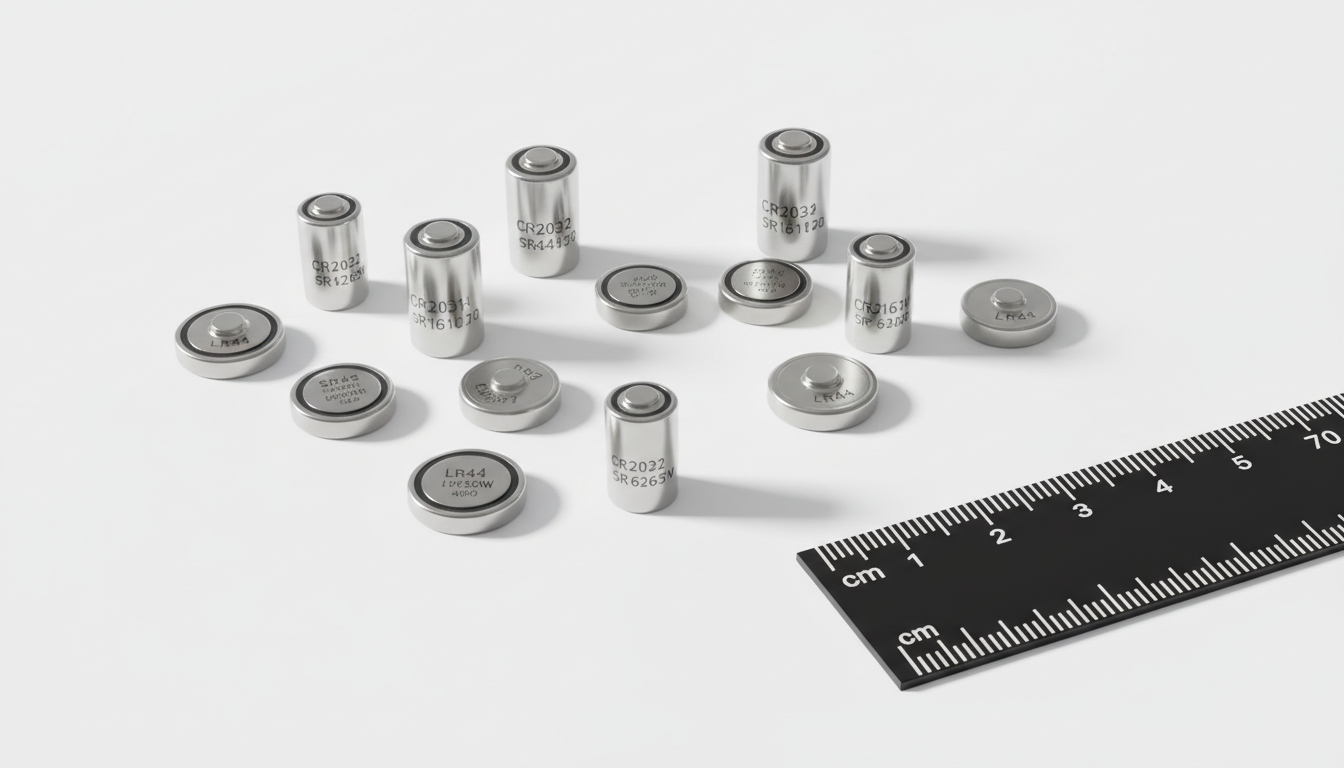
Button cells are used to power small portable electronic devices such as wrist watches, pocket calculators, and remote key fobs. These compact batteries pack a surprising punch, and at Voniko Batteries, we see firsthand how the right voltage specification directly impacts device performance and longevity.
What is Coin Cell Battery Voltage?
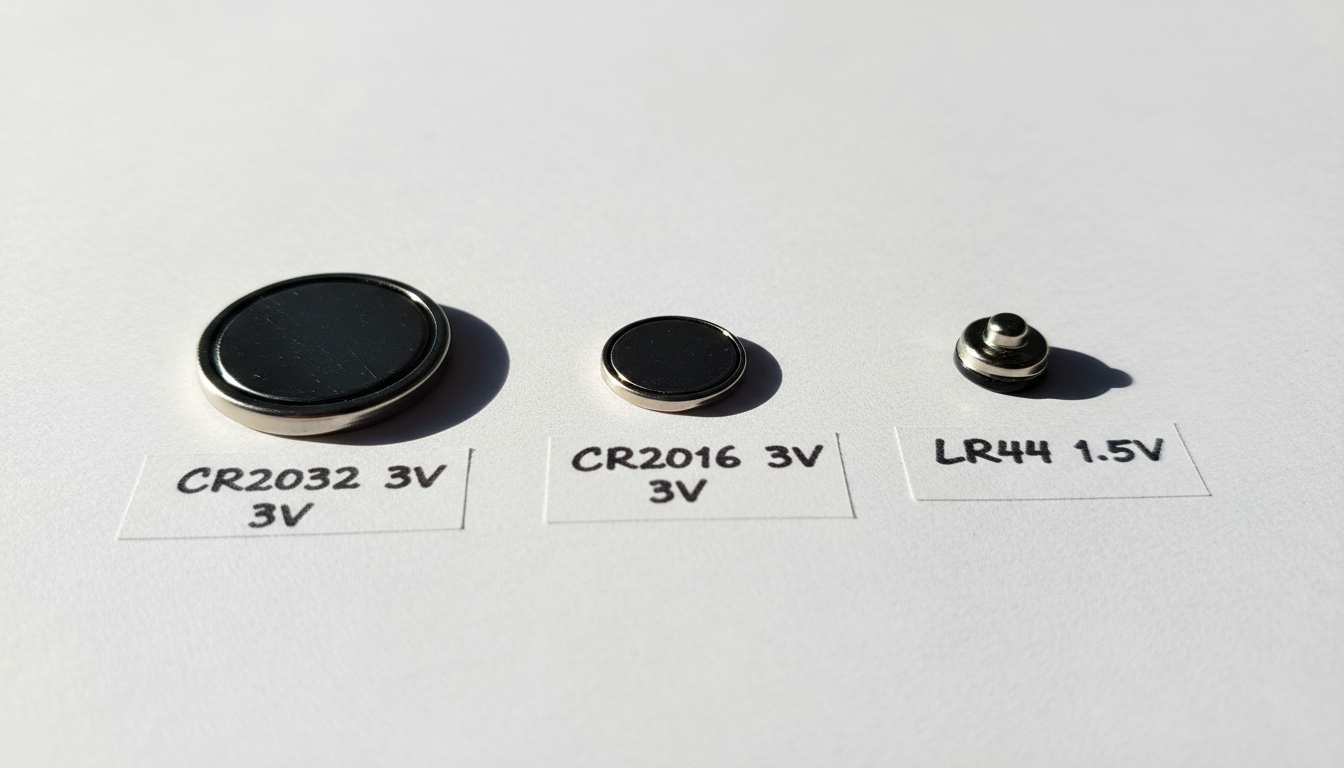
Battery voltage is a parameter that shows how much electric current the coin cell can produce. This nominal voltage shows how much electrical energy can be generated and provided by a battery to power a device. Think of voltage as the electrical pressure that pushes current through your device's circuits. The higher the voltage, the more electrical force is available to do work.
In coin batteries, generally the nominal coin cell battery voltage will vary depending on the chemical technology used to compose this battery. This is why you can't just swap one coin cell for another without checking compatibility first. The chemistry determines not just the voltage output but also how stable that voltage remains over the battery's life.
Coin cell battery voltage is known to be one of the most important indicators that can be used to determine the current battery condition. Where the lower the voltage value, the less energy the battery can transmit to the device. So when your device starts acting weird or the display dims, chances are the battery voltage has dropped below what your gadget needs to function properly.
Common Coin Cell Battery Voltage Ratings
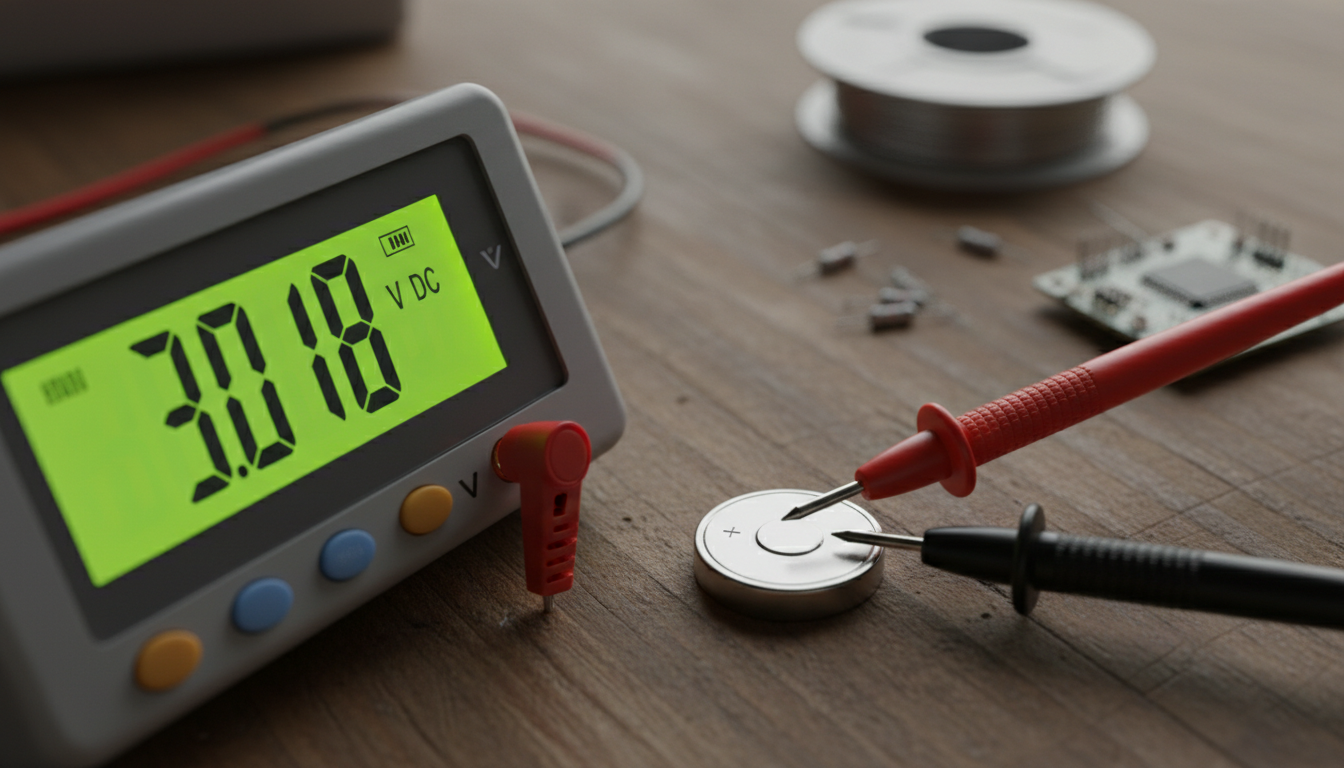
Not all coin cells are created equal. Let's break down the most common voltage ratings you'll encounter when shopping for these batteries.
Alkaline and Silver Oxide: 1.5V
Alkaline coin cell batteries have a nominal voltage of 1.5V. Coin cells composed of these chemicals are known to have a nominal voltage of 1.5V and are commonly used for watches, calculators, and other small devices. Alkaline button cells start strong but their voltage drops gradually during use. This gradual decline can cause some devices to malfunction before the battery is fully depleted.
Silver oxide batteries, on the other hand, maintain a more consistent 1.55V throughout their lifespan. Silver oxide batteries maintain a consistent voltage output throughout their lifespan, making them perfect for precision electronics like watches and medical instruments. That's why high-end watches often specify silver oxide cells—they need that steady voltage for accurate timekeeping.
Lithium: 3V
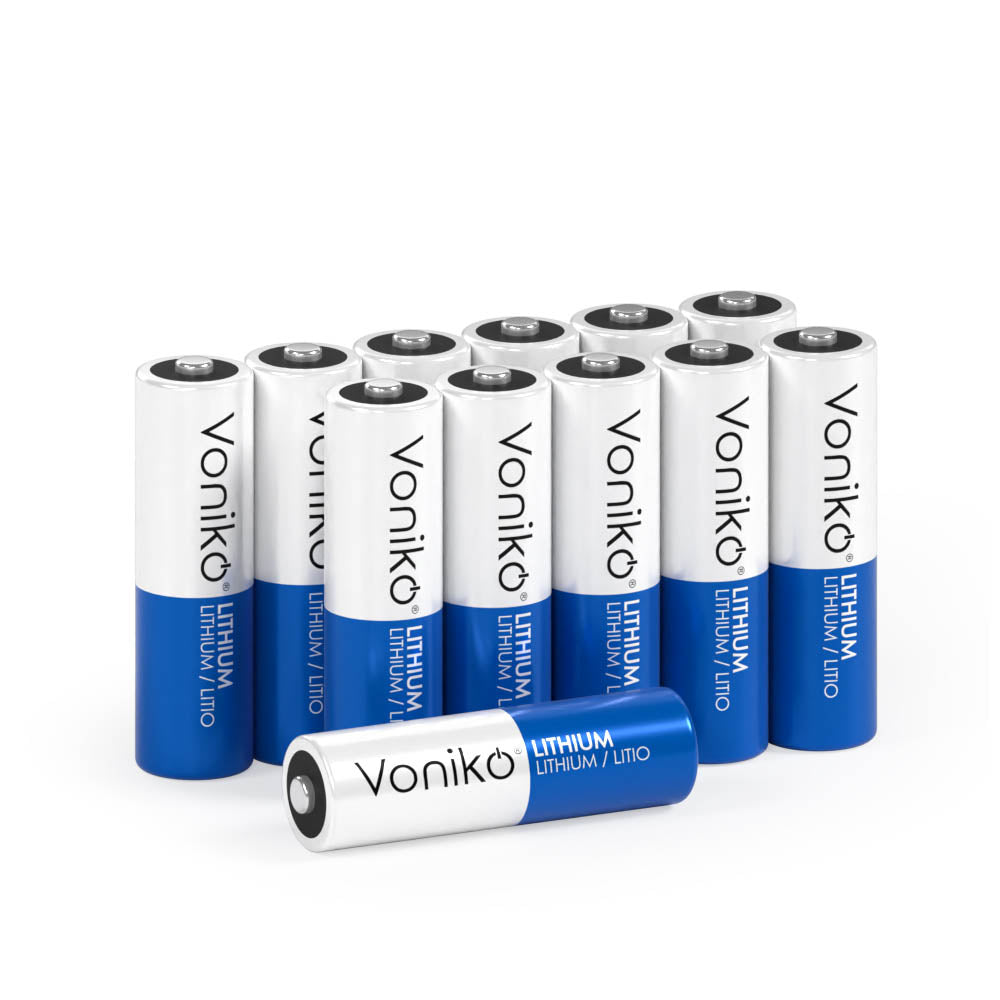
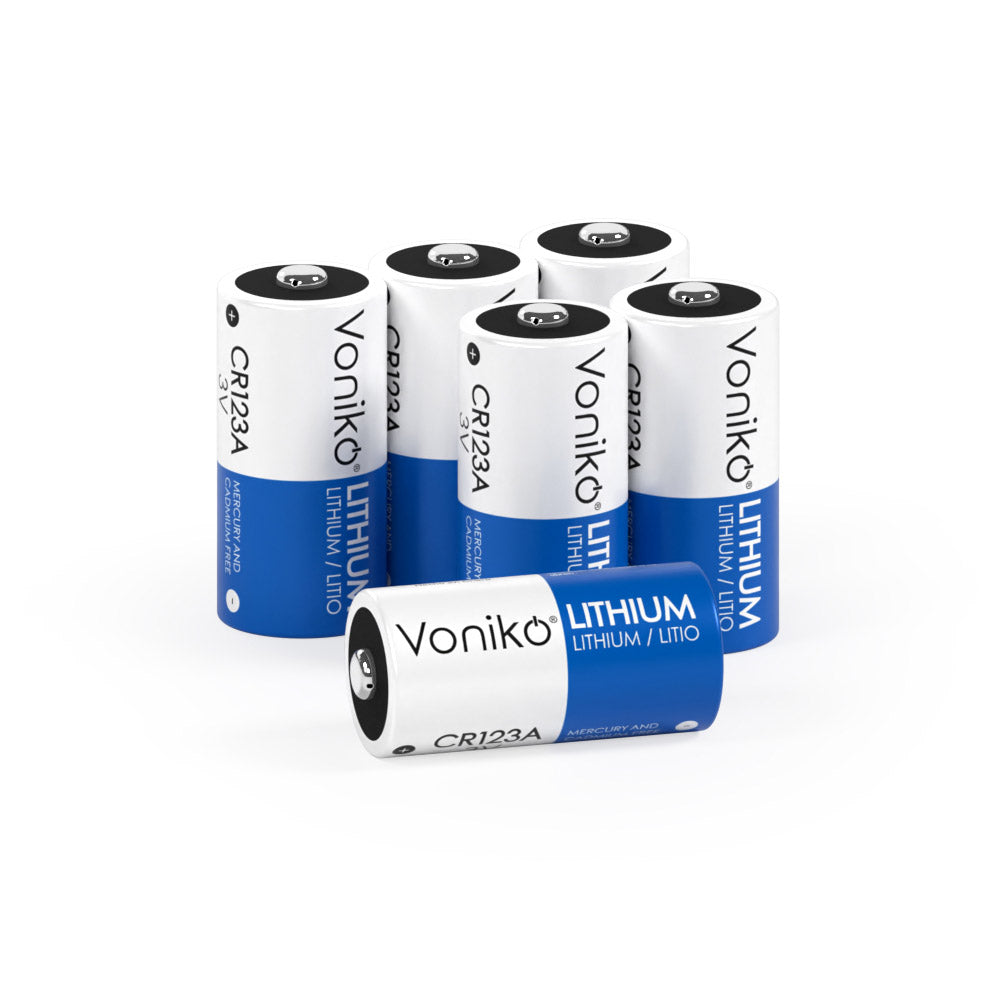
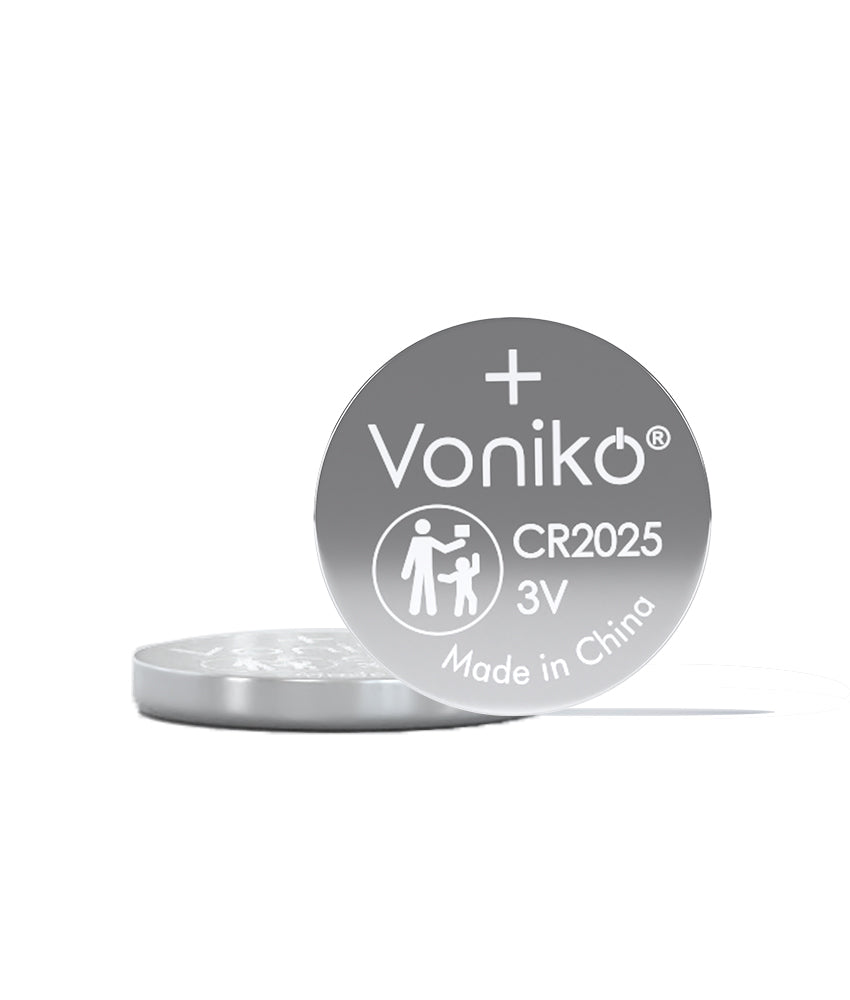
Lithium coin cell batteries, on the other hand, have a nominal voltage of 3V. This is the sweet spot for most modern electronics. Coin cells composed of this chemical are known to have a nominal voltage of 3V, and are known to be widely used in modern mini devices that require stable power such as sensors, car remotes, and medical devices.
The CR2032, perhaps the most popular coin cell in existence, operates at this 3V nominal voltage. It has a nominal voltage output of 3V (although it starts a little high at 3.2V and slowly drifts down to 2.5V as it is used. This voltage range is perfect for CMOS memory backup, LED lights, and countless other applications.
Rechargeable Lithium: 3.6V
Although both use chemicals in the form of lithium, the rechargeable type is known to have a much higher nominal voltage value, which is 3.6V. This battery type itself is ideal for use in devices that require high power or periodic recharging. These rechargeable coin cells, often labeled with LIR prefixes, offer an eco-friendly alternative to disposables, though they typically have lower capacity.
Voltage Comparison Table:
| Battery Type | Nominal Voltage | Common Applications | Voltage Stability |
|---|---|---|---|
| Alkaline (LR) | 1.5V | Watches, toys, small gadgets | Gradual decline |
| Silver Oxide (SR) | 1.55V | Precision watches, medical devices | Very stable |
| Lithium (CR) | 3V | Car key fobs, sensors, remotes | Stable with sharp end-of-life drop |
| Rechargeable Lithium (LIR) | 3.6V | High-drain rechargeable applications | Stable during discharge |
Coin Cell Battery Naming
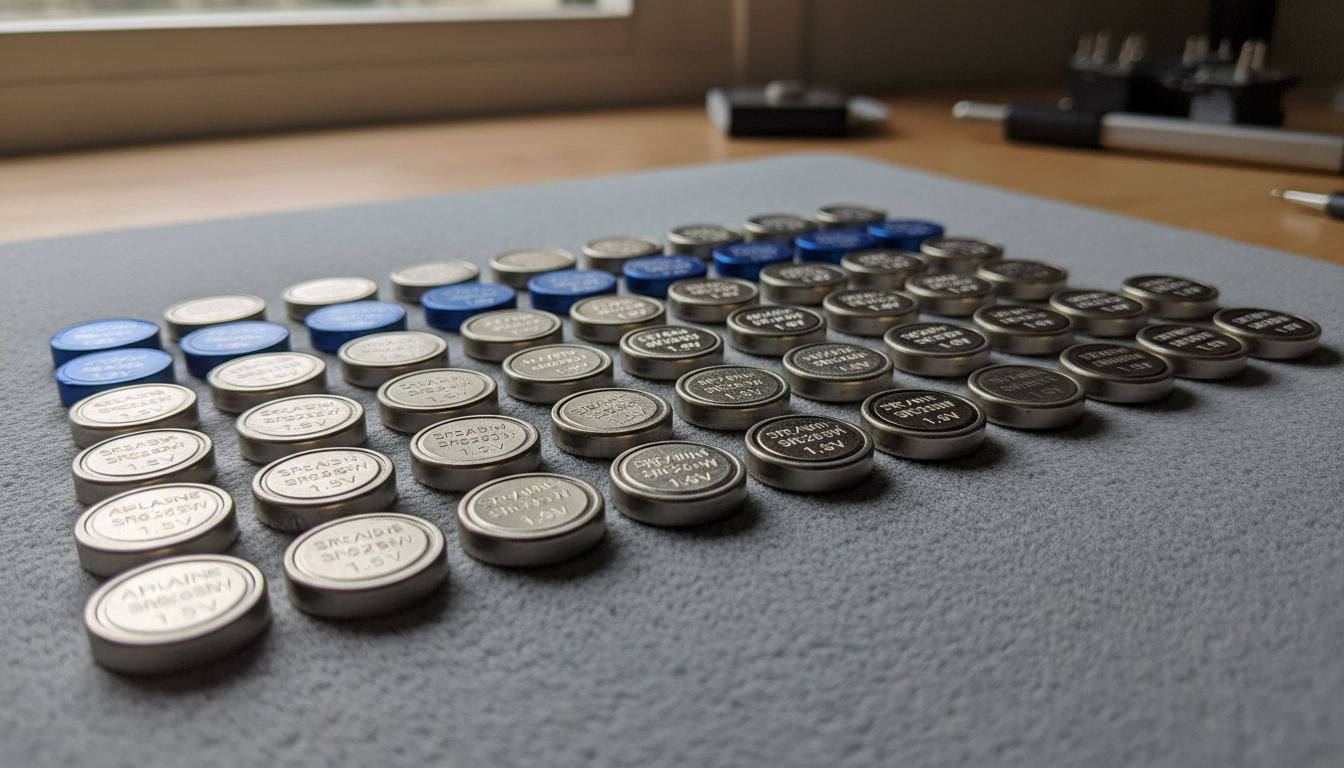
Coin cell batteries come in a few different sizes, each with a specially coded name to indicate the size and chemistry. The naming system isn't random—it actually tells you everything you need to know.
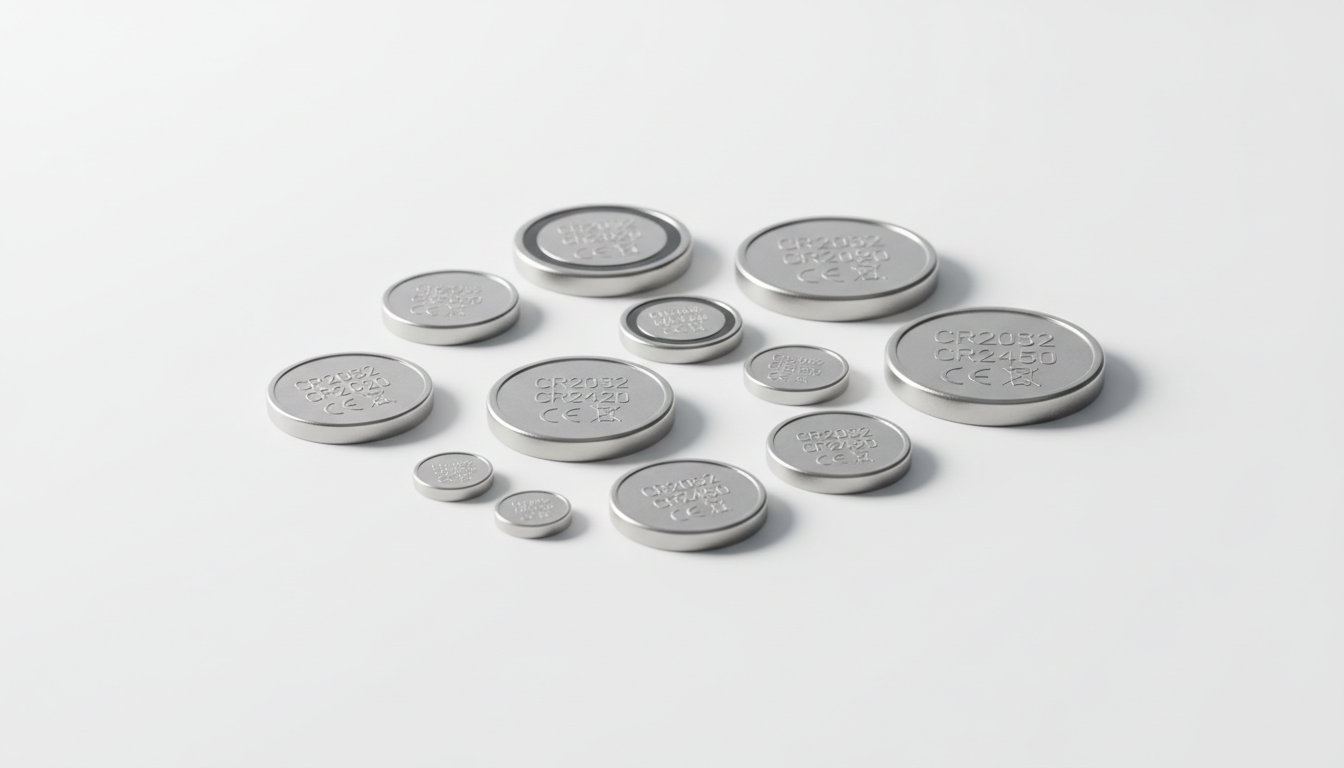
Alkaline coin cells all start with an "L", while lithium coin cells are all prefixed with a "C". So when you see a battery labeled CR2032, that "C" tells you it's lithium (meaning 3V), the "20" indicates it's 20mm in diameter, and the "32" means it's 3.2mm thick. The popular CR2032, for example, is a lithium battery (3V nominal voltage) measuring 20mm in diameter and 3.2mm tall.
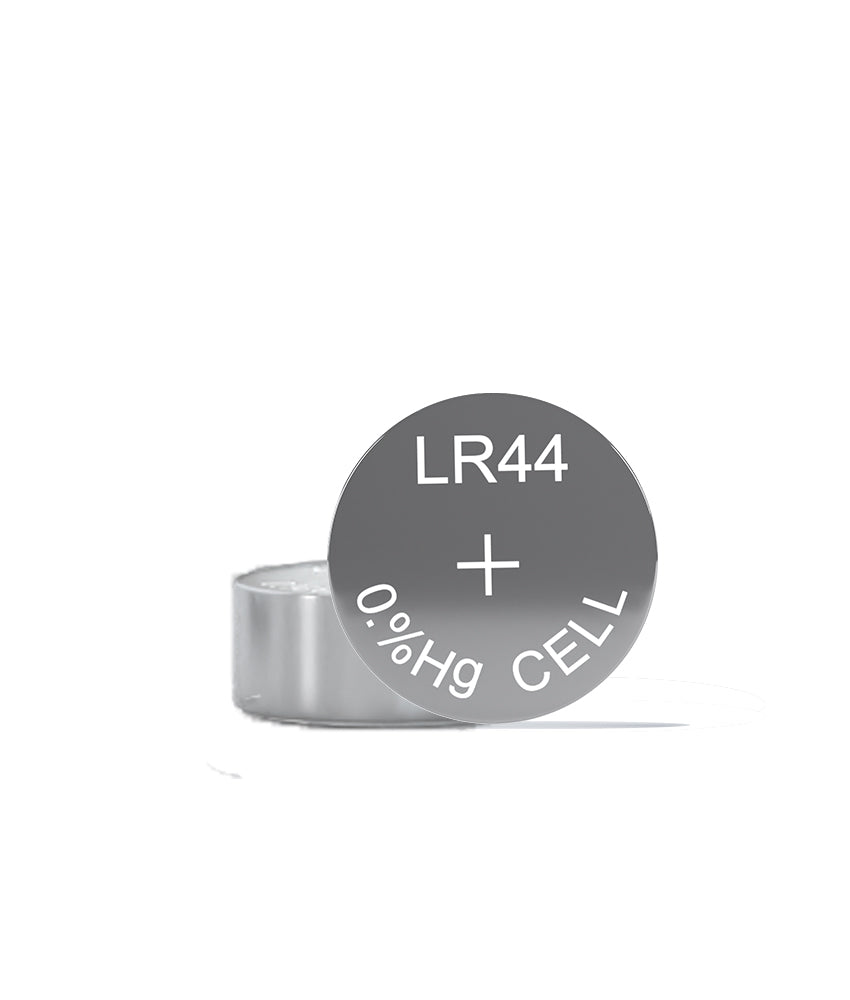
Similarly, an LR44 battery starts with "L" indicating alkaline chemistry at 1.5V. This standardized naming makes it easier to find the right replacement without measuring your old battery with calipers. Our lithium coin cell collection follows these naming conventions, making it simple to find exactly what you need.
How Voltage Affects Device Performance
When selecting a button battery, it's important to choose one with the correct voltage rating for your device. Using a battery with a lower voltage rating than recommended can result in reduced device performance or failure to operate, while using a battery with a higher voltage rating can damage the device or pose a safety hazard.
Let's say your car key fob is designed for a 3V CR2032. If you try using a 1.5V alkaline button cell instead (even if it physically fits), the voltage is simply too low to power the radio transmitter properly. The fob might not work at all, or the range could be severely reduced. On the flip side, installing a 3.6V rechargeable LIR2032 in a device designed for 3V could potentially damage sensitive circuitry over time.
Our product has a PCB with a few components which most of them require 3.3-3.6V to work properly. A little bit below that, they will not perform. This is especially true for microcontrollers and radio modules that have strict minimum voltage requirements. When battery voltage sags below this threshold, the device simply stops working—even if the battery still has charge left.
How to Measure Coin Cell Battery Voltage
Wondering if your coin cell is still good? Testing the voltage is the best way to find out. Use a digital multimeter to measure the battery's voltage. A reading near 3 volts indicates a fresh battery, while below 2 volts signals it is dead. Redway Power batteries are designed with consistent voltage output for easy testing.
Here's the catch though: You can't really check the state of charge of these cells using open circuit voltage, you need to load them. An old battery might still read close to 3V when sitting on the shelf, but as soon as you put it under load, the voltage crashes. This is why your device might not work even though the battery tests "good" on a basic voltage meter.
For a more accurate test, measure the voltage while the battery is actually powering something. If the voltage drops significantly under load compared to no-load conditions, that battery is on its last legs regardless of what the resting voltage shows.
When is a Coin Cell Battery Considered Dead?
This is one of the most common questions we get. The answer varies by chemistry and device requirements.
A CR2032 is generally considered dead below 2.0 volts. At this point, the battery can no longer provide sufficient current to power most electronics. Some devices may shut down slightly earlier to avoid erratic behavior, protecting the device circuitry.
So in a Lithium coin cell at 2.8V, the battery is dead. Wait, didn't we just say 2.0V? Here's the nuance: lithium cells maintain relatively stable voltage throughout their life, then drop sharply at the end. Once they hit around 2.8V under load, they're about to fall off that "voltage cliff" and quickly become unusable.
For alkaline cells, it's different. Whereas in Alkaline batteries, they start with 1.5 volts of energy and eventually the voltage of the battery goes down if the batteries are used very much. The moment the battery goes to 1.35 volts, the battery appears to be dead despite having left with a lot of juice in it. Many devices stop working with alkaline cells long before they're truly depleted.
Factors That Influence Coin Cell Battery Voltage
Several factors can affect how well your coin cell maintains its voltage over time:
Temperature: Extreme temperatures accelerate self-discharge and can reduce voltage output. Cold conditions are particularly harsh on coin cells, significantly reducing available capacity.
Current Draw: If you need to draw 200mA, a coin cell is a poor choice. They have very high internal resistances that will result in a lot of voltage drop if you try and draw that much. High current demands cause immediate voltage sag due to internal resistance. Coin cells are designed for low, steady drains or brief pulses—not continuous high current.
Battery Age: Even sitting unused, coin cells slowly self-discharge over years. A battery that's been on the shelf for five years might still read 3V initially, but it won't deliver the same performance as a fresh cell.
Internal Resistance: In high pulse applications (i.e. wireless sensors), the battery IR can significantly impact runtime due to voltage drop. As batteries age, internal resistance increases, causing more voltage drop under load even if the resting voltage seems fine.
Rechargeable vs Non-Rechargeable Coin Cells
In addition to disposable (single use) button cells, rechargeable batteries in many of the same sizes are available, with lower capacity than disposable cells. In equipment with a battery holder, disposable or rechargeable batteries may be used, if the voltage is compatible.
The voltage difference between rechargeable (3.6V) and non-rechargeable lithium coin cells (3V) is significant enough that you can't always use them interchangeably. Replacing CR or BR types of batteries with LiR batteries should be done only if the device operates properly when being powered with 3.6V (instead of 2.8 or 3.0V). This 0.6V difference can cause operating issues, and it can even damage certain devices.
That said, rechargeables have their place. They're perfect for devices with high-frequency use where you'd otherwise be replacing batteries constantly. The initial cost is higher, and capacity is lower, but over hundreds of charge cycles, they can save money and reduce waste. For more details on sizing and applications, check out our complete guide to coin cell battery sizes.
Safety Considerations
Voltage isn't just about performance—it's also about safety. Button batteries can pose a serious safety risk if they are ingested by young children or animals. The small size of button batteries makes them easy to swallow, and if they become lodged in the oesophagus, they can cause severe injury or even death.
Coin cells of diameter 20 mm or greater cause the most serious injuries, even if expended and intact. The voltage creates an electrical current when in contact with tissue, rapidly producing hydroxide that burns through flesh. This can happen in as little as two hours. Always keep coin cells away from children and pets, and seek immediate medical attention if ingestion is suspected.
FAQs
What voltage should a fresh CR2032 battery read? CR2032 batteries all nominally have a voltage of 3 volts, and open circuit voltages of approximately 3.6 volts. A brand new CR2032 fresh from the package typically measures between 3.2V and 3.3V, gradually decreasing to around 3.0V during normal use before dropping sharply near end-of-life.
Can I use a 3.6V rechargeable coin cell in place of a 3V lithium cell? It depends on the device. Some electronics can handle the extra 0.6V without issues, but many cannot. Check your device specifications or manufacturer recommendations before substituting a higher voltage rechargeable for a standard lithium coin cell.
Why does my device stop working even though the battery still measures 3V? Open-circuit voltage (measured without load) doesn't tell the whole story. Batteries with high internal resistance may show decent voltage when not connected, but voltage crashes under load. Your device needs a certain voltage while drawing current, not just when the battery is sitting idle.
How long do coin cell batteries hold their voltage in storage? They're also fairly safe, have a long shelf life and fairly inexpensive per unit. Lithium coin cells can maintain usable voltage for 5-10 years in storage when kept at room temperature. Alkaline and silver oxide cells typically have shorter shelf lives of 3-5 years.
At what voltage should I replace my coin cell battery? For lithium cells (CR series), replace them when voltage drops below 2.8-3.0V under load. For alkaline cells, replacement is typically needed when voltage falls below 1.3V. However, some sensitive devices may require fresh batteries long before these minimum thresholds.