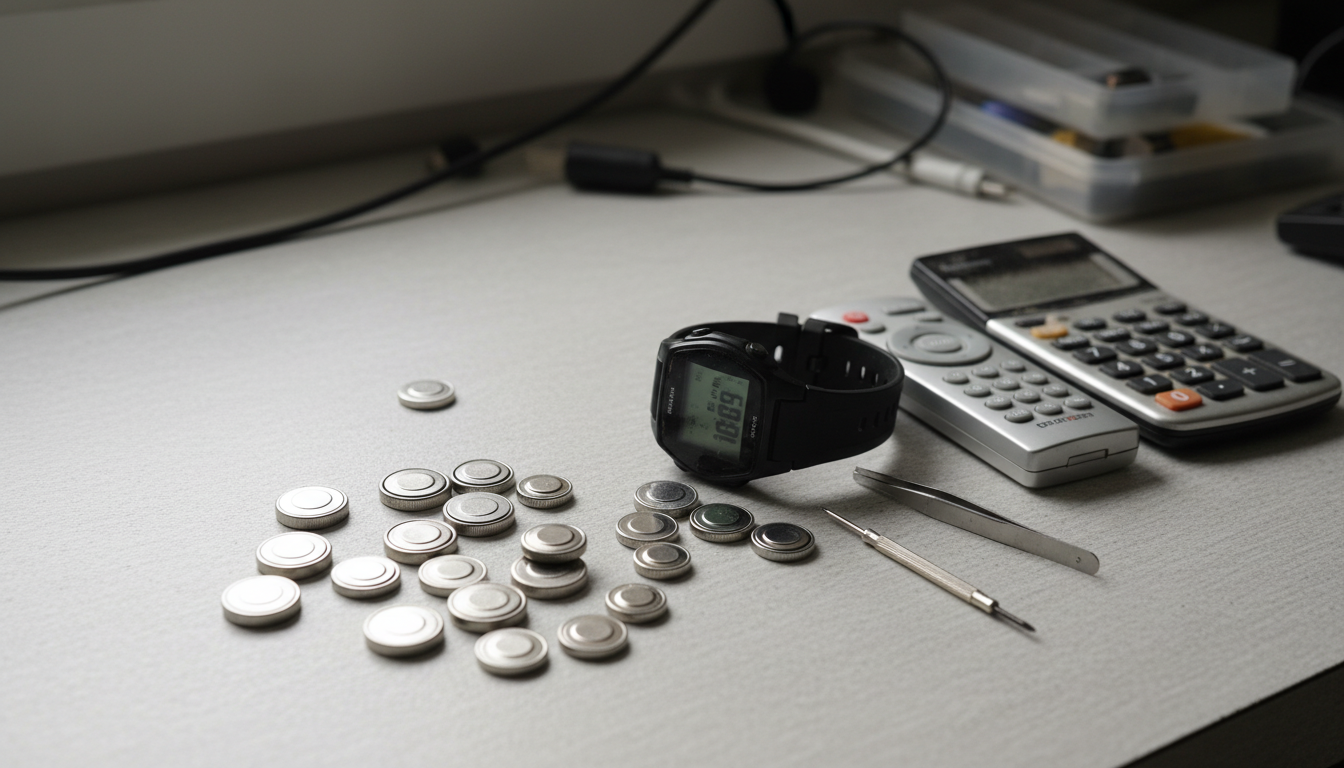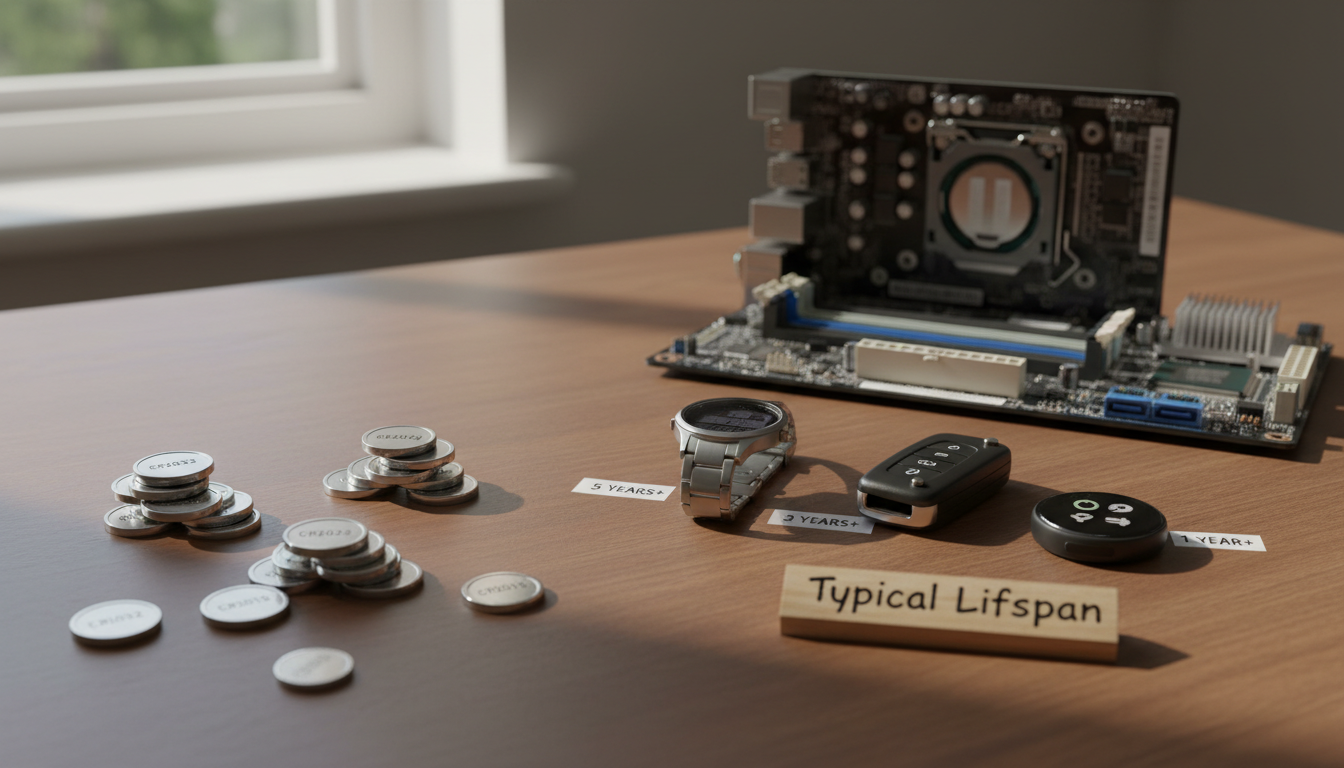
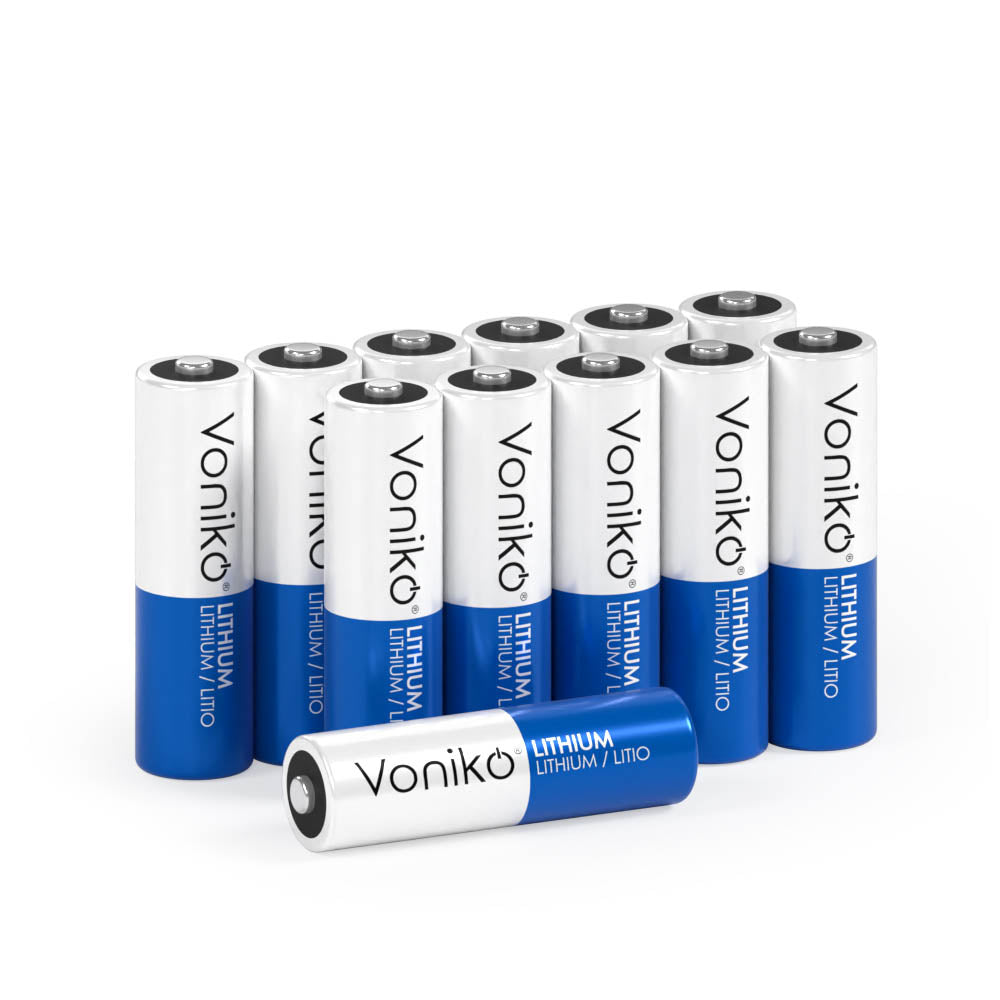
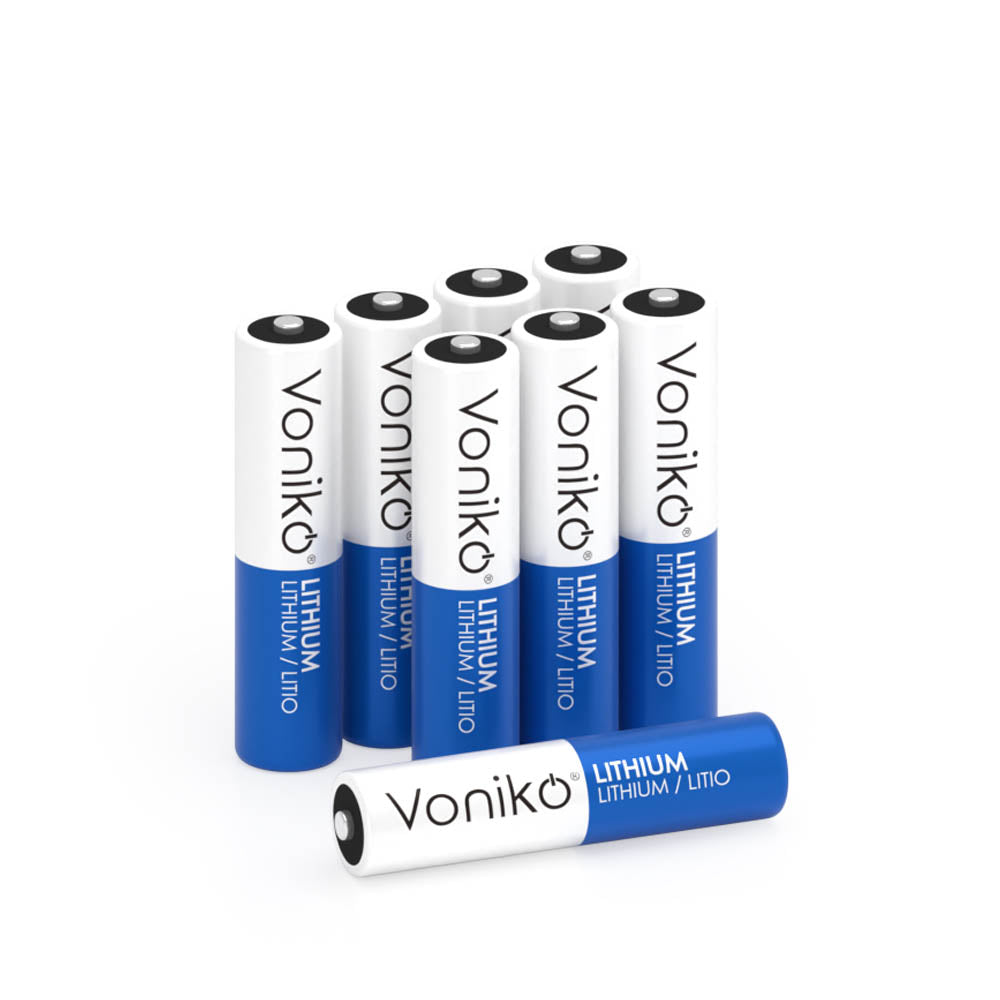
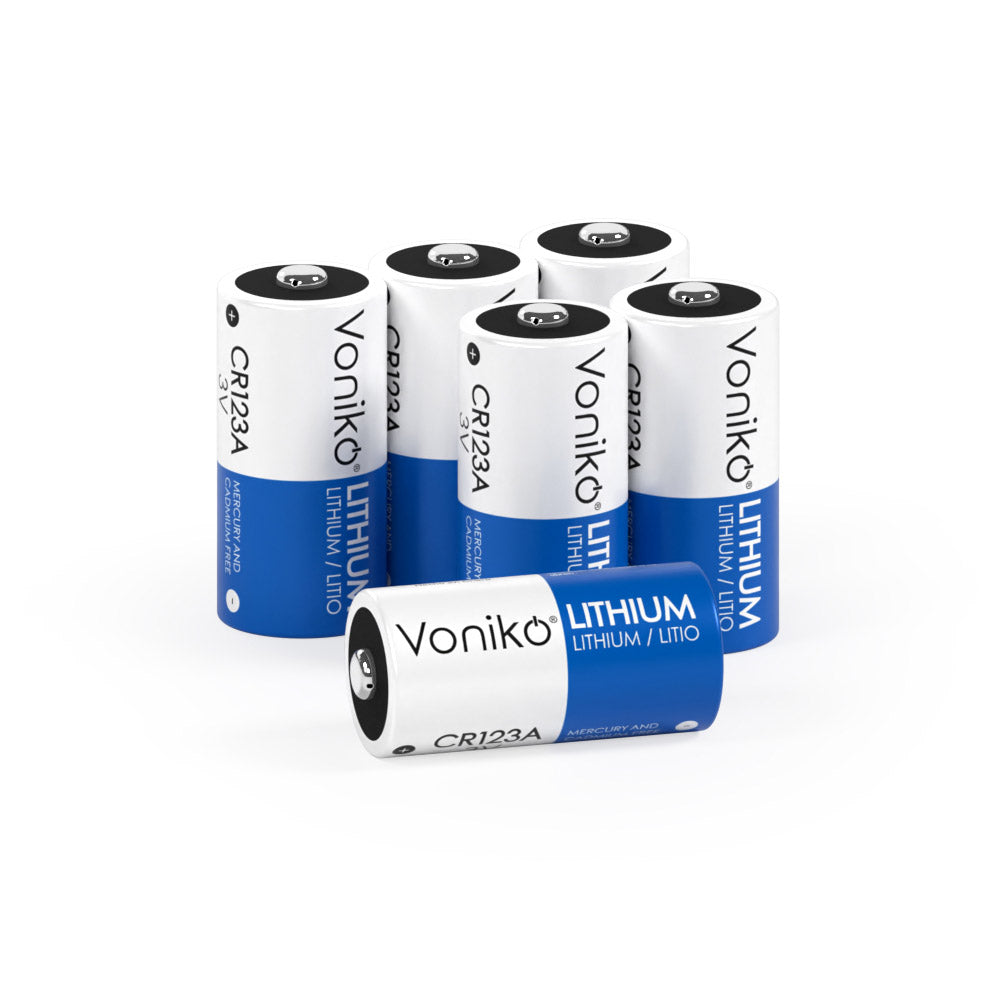
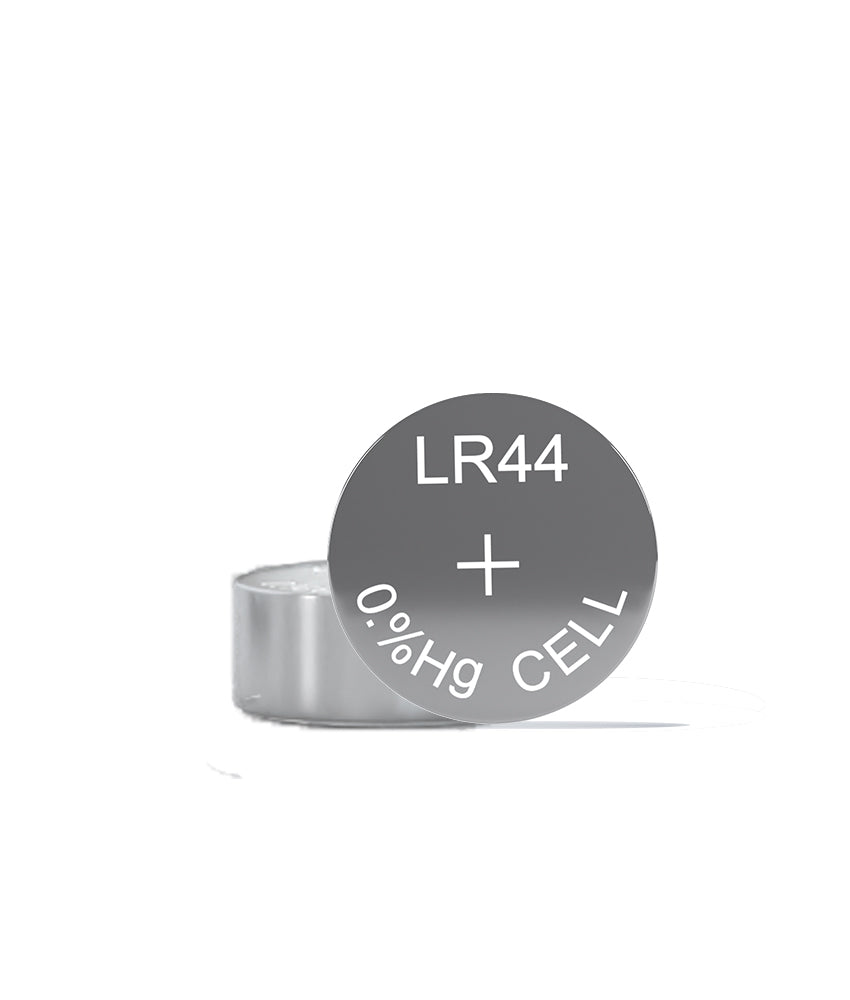
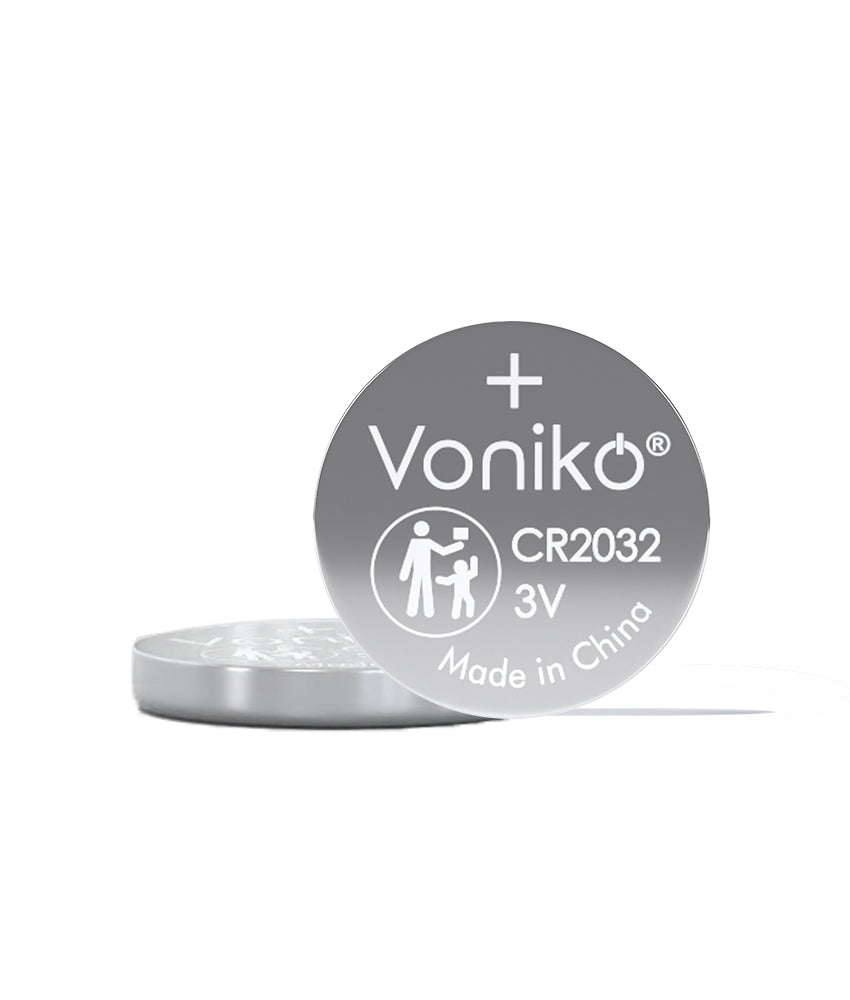

If you've ever dealt with the crusty white mess from a leaking alkaline battery, you know the headache it causes. But what about lithium coin cell batteries—those small, round CR2032s powering your watches, key fobs, and remotes? We get this question all the time, and the good news is pretty reassuring.
The Short Answer: Lithium Coin Cells Rarely Leak
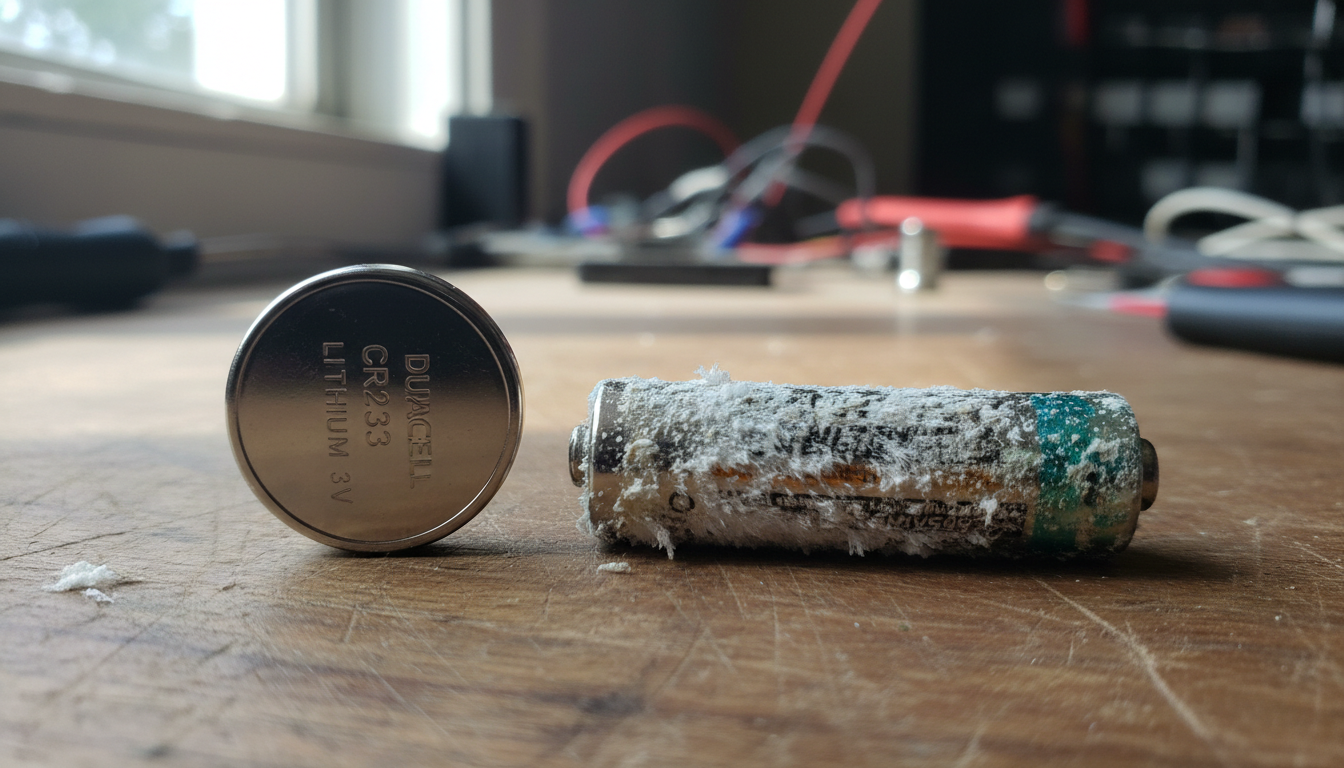
Leaking lithium batteries are very rare, and lithium batteries do not have acid in them. Unlike alkaline batteries that seem to leak if you look at them wrong, lithium coin cells are built differently. Lithium cells don't leak the way alkaline batteries do.
The chemistry matters here. Alkaline batteries contain potassium hydroxide—a corrosive liquid that loves to escape and damage your devices. Lithium coin cells use a different approach. CR2032s are based on solid state chemistry, there's no liquid electrolyte to leak. That's a game-changer for anyone tired of finding corroded battery compartments.
At Voniko Batteries, we've seen the difference quality makes. Our lithium coin cell batteries are designed with leak prevention in mind, giving you reliable power without the worry.
Why Lithium Coin Cells Are Different
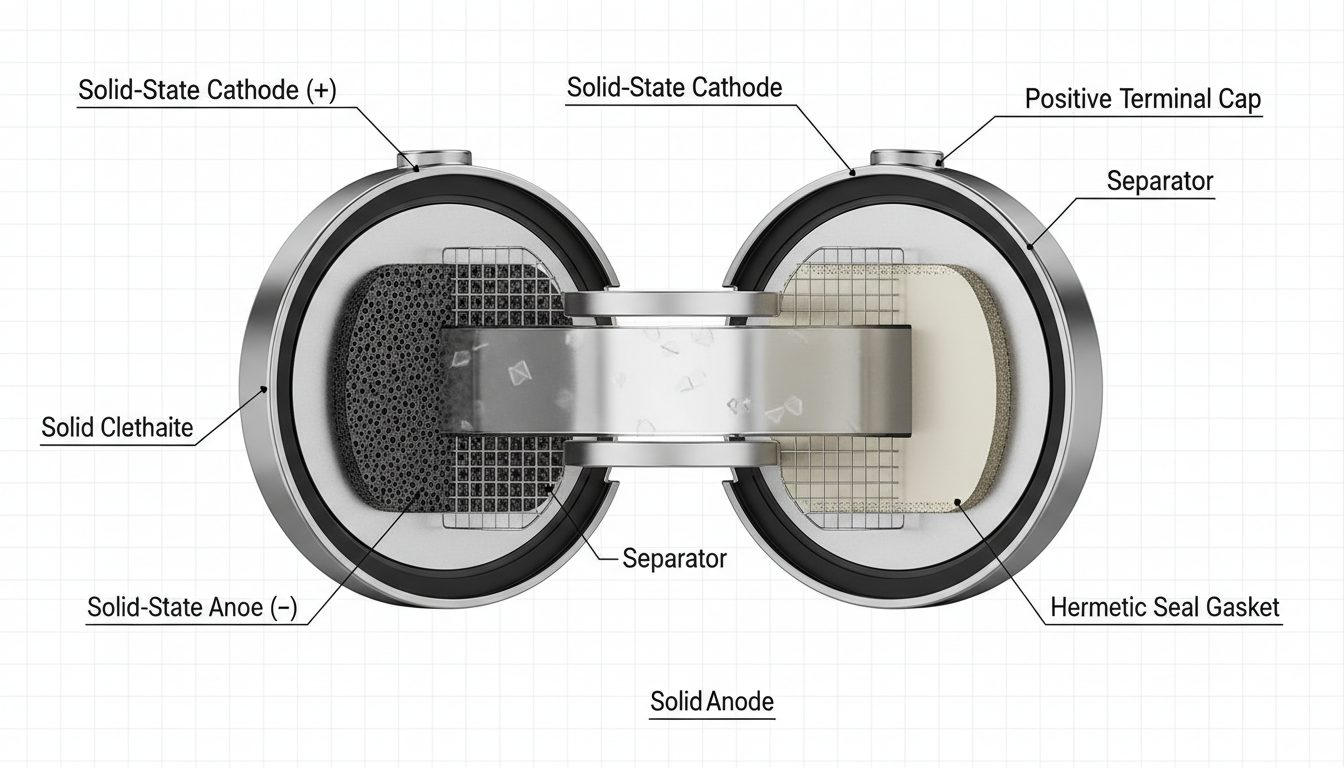
Lithium batteries are generally considered to be less prone to leakage compared to traditional alkaline batteries because lithium batteries use a different chemistry and are sealed more tightly to prevent the escape of electrolytes.
Think about what happens inside an alkaline battery. Battery discharge results in off-gassing where a little bit of hydrogen is released as discharge occurs. Over time, this gas builds pressure. The acid inside corrodes the seals. Eventually, you get that white, crusty leak.
Lithium coin cells skip most of this drama. Their main constituents are lithium, electrolytes, and substances that act as cathodes and anodes. No acid. Less off-gassing. Better seals. The result? Many users report never having a lithium AA or AAA leak in 7 years of use, and as a rule, lithiums do not leak.
When Lithium Coin Cells CAN Leak (And Why)
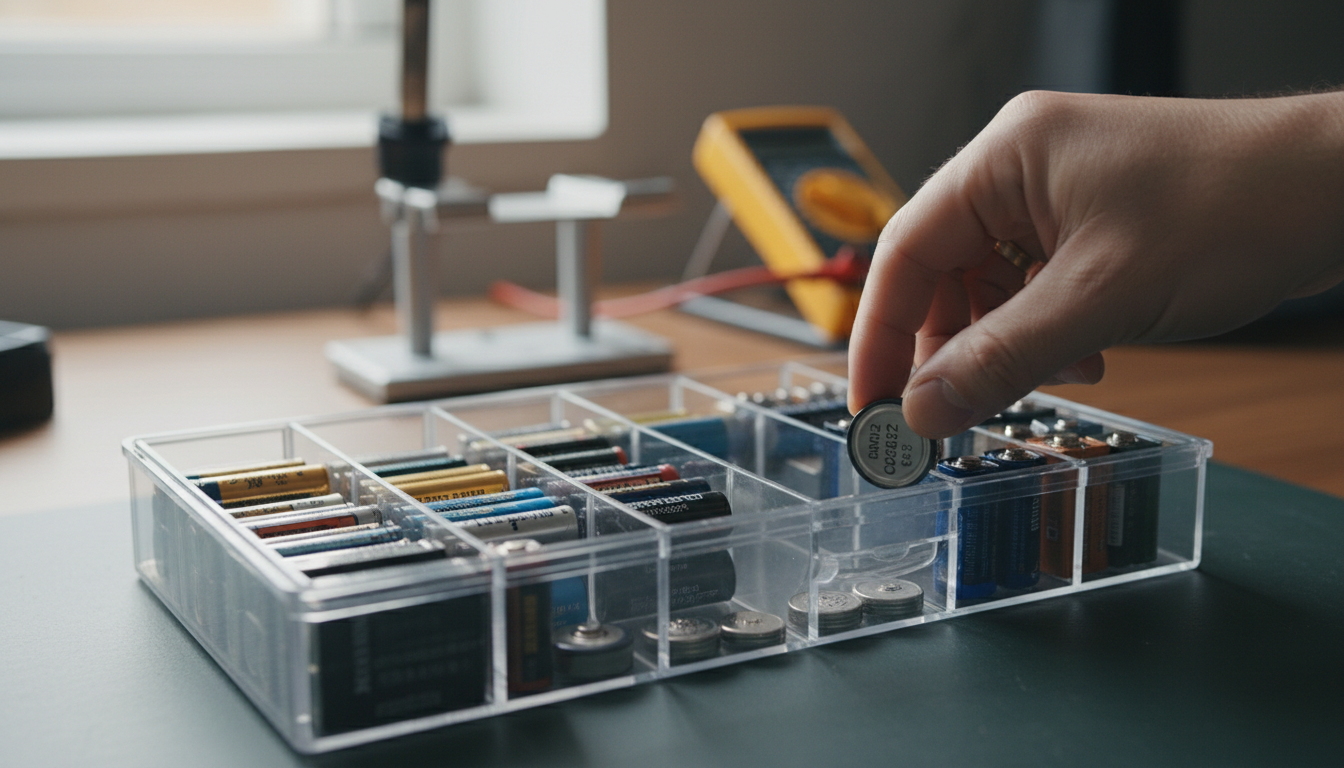
Okay, so they're not invincible. All batteries can leak, and yes button cells included. But the circumstances are different than with alkaline batteries.
Physical Damage
Any type of physical damage to the exterior casing of a lithium battery can result in leaks—dropping, crushing, puncturing, or otherwise mechanically abusing a battery often leads to internal damage that causes electrolyte fluid to leak out. Drop your device hard enough, and even a lithium battery can spring a leak.
Overcharging
This mainly affects rechargeable lithium batteries, not standard CR2032s. Using the wrong charger or leaving a lithium battery plugged in continuously well past 100% leads to electrolyte decomposition and eventual leakage. Stick to non-rechargeable coin cells for most applications.
Extreme Temperatures
High temperature storage or mechanical shock can cause contents to migrate out from the cell, and research shows high temperature storage causes electrolyte migration from the cell's crimp seal. Your car's glove box in summer? Not the best storage spot.
Manufacturing Defects
Rarely, manufacturing defects can cause battery leaks—this usually stems from issues with the seals designed to contain the electrolyte inside the battery, and if these seals aren't appropriately created, they may allow the electrolyte to leak. This is why we recommend quality batteries from trusted manufacturers.
What a Lithium Coin Cell "Leak" Actually Looks Like
Here's where things get interesting. Lithium cells do not leak obvious fluids like an Alkaline cell would, but there is a whiteish crusty powder seepage usually found at the boundary between + and - which can render an electrical connection questionable.
So you're not dealing with corrosive liquid spreading everywhere. Contents can migrate out from the cell in tiny amounts as a powder, and the powdery stuff is not ever in a large quantity and contains very little liquid. Still annoying, but way easier to handle than alkaline battery leaks.
If you notice this white powder, remove the cell and wipe it with a cloth, and also clean the device contacts with a cotton swab. Check the voltage—if it's still above 2.9V, you might get a bit more use while waiting for a replacement.
How to Prevent Leaks in Lithium Coin Cell Batteries
Prevention beats cleanup every time. Here's what works:
Buy Quality Batteries
Buy a new brand name battery—not from AliExpress—and you'll be fine. We've built our reputation at Voniko on providing reliable lithium batteries that meet strict manufacturing standards. Quality control matters when it comes to seals and construction.
Store Them Right
Ideal storage conditions keep batteries between 50-77°F and avoid temperature extremes or wide fluctuations, and batteries should be kept in a dry location with minimal humidity. A drawer in your home beats the garage or car.
Remove Dead Batteries
When a battery is left in a device for too long, especially after it's dead, it can start to leak. Don't let spent batteries sit in devices you're not using. Pull them out and recycle them properly.
Match Your Application
For critical devices like medical equipment or security systems, invest in premium lithium coin cells. For a TV remote? Standard quality works fine. We've written a detailed guide on choosing the best lithium battery for your devices that covers these considerations.
Avoid Extreme Conditions
Avoid subjecting lithium batteries to extreme cold or heat, as this can lead to pressure build-up and leakage. If your device lives outside or in temperature extremes, check the batteries more frequently.
The Bottom Line
Lithium batteries generally do not leak, and when you buy a device, check the battery required to be sure you are using the right battery. The rare leaks that do happen are usually due to physical damage, extreme conditions, or manufacturing defects—not the natural aging process that plagues alkaline batteries.
Consider using lithium batteries in place of alkaline—they're more expensive but far less prone to leaking and less likely to self-discharge, too. Over time, this saves you money on device repairs and replacement batteries.
At Voniko Batteries, we stand behind our products because we know what goes into making a reliable lithium coin cell. When you need batteries you can trust, check out our full selection at vonikobatteries.com.
Conclusion
Lithium coin cell batteries rarely leak compared to their alkaline cousins. Their solid-state chemistry, tight seals, and lack of acid make them the safer choice for your valuable electronics. While no battery is completely leak-proof, following simple storage and handling practices keeps lithium coin cells performing reliably for years.
The peace of mind knowing your devices won't be destroyed by battery corrosion? That's worth the slightly higher upfront cost. Your watches, key fobs, and remotes will thank you.
FAQs
Can CR2032 lithium batteries leak and damage my device?
CR2032 batteries can leak in rare circumstances, but they're far less likely to leak than alkaline batteries. When they do leak, it's typically a small amount of powdery substance rather than corrosive liquid. The leak usually won't spread far beyond the battery seal area. Store batteries properly and replace them when dead to minimize any risk of damage.
What causes a lithium coin cell battery to leak?
Overcharging, physical damage, manufacturing defects, and temperature extremes are primary causes of lithium battery leaks. Unlike alkaline batteries that leak from normal aging, lithium coin cells typically need some kind of stress or damage to fail. Dropping a device, exposing it to extreme heat or cold, or using a defective battery are the main culprits.
How do I know if my lithium coin cell battery is leaking?
Look for a whiteish crusty powder seepage usually found at the boundary between + and - which can render an electrical connection questionable. You might also notice your device stops working properly. Unlike alkaline leaks, you won't see obvious liquid. If you spot white powder around the battery or contacts, remove it immediately and clean both the battery and device contacts.
Are lithium batteries safer than alkaline for long-term storage?
Yes, lithium batteries are much safer for long-term storage. Lithium batteries do not tend to leak, while alkaline batteries are notorious for corroding and leaking if left in an unused device for too long. Lithium coin cells can sit in a drawer for years without the corrosion issues that plague alkaline batteries. This makes them perfect for emergency devices, backup remotes, and rarely-used electronics.
Should I remove lithium coin cell batteries when storing devices?
Some users are confident about storing PCBs with board-mounted cells on them, but remove coin cells from boards with holders if storing indefinitely without knowing when they'll be used again. For most consumer devices like remotes or key fobs, leaving lithium coin cells installed during storage is generally safe. But for truly long-term storage of 2+ years, removing them adds an extra layer of protection.