

Choosing between a lead acid battery and a lithium ion battery can feel overwhelming. Both power everything from cars to solar systems, but they work differently and deliver results that vary. We're breaking down the real differences so you can pick the right one for your setup.
Upfront Cost: Lead Acid Takes the Win
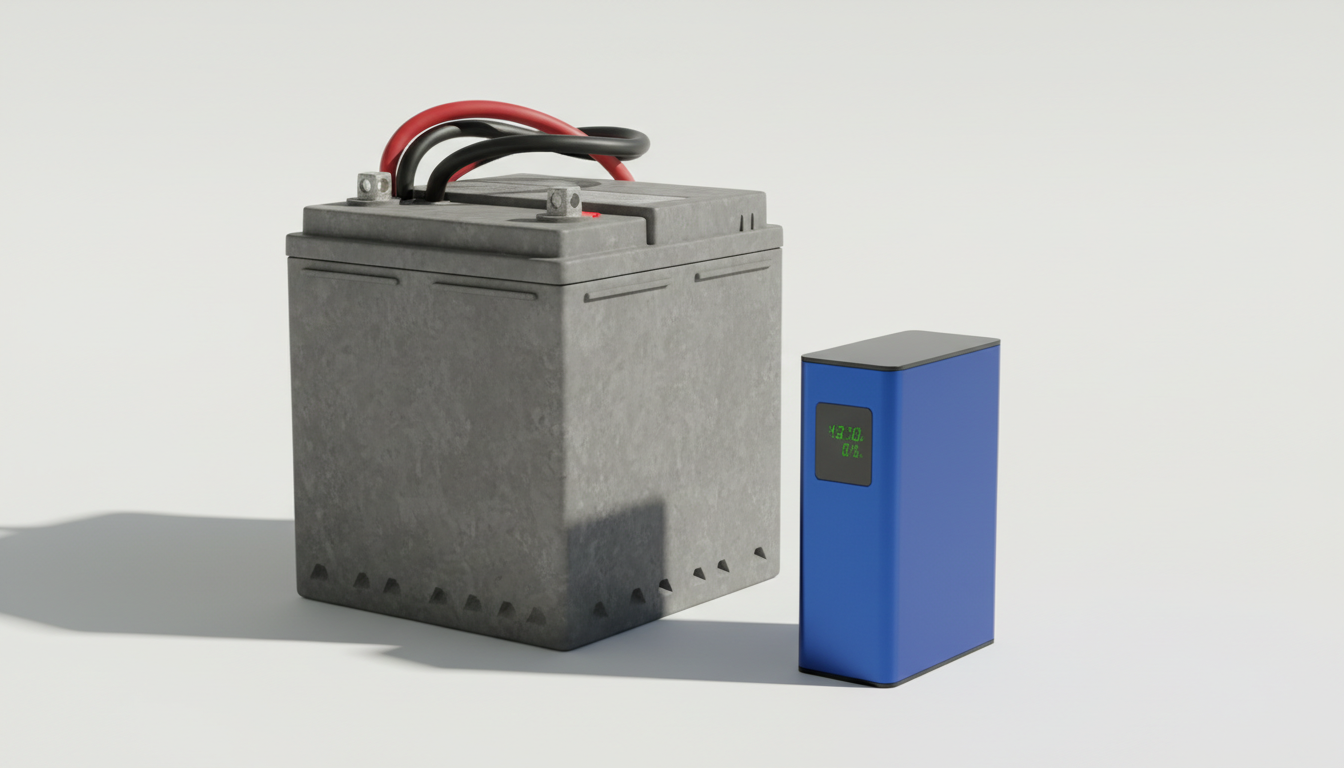
Lead acid batteries cost hundreds or thousands of dollars less than similarly-sized lithium ion setups, with lithium ion systems ranging from $5,000 to $15,000 including installation. That lower price tag makes lead acid attractive if you're working with a tight budget.
But here's the thing—cheaper upfront doesn't always mean cheaper long-term. While lead acid batteries have lower purchase and installation costs, the lifetime value of lithium ion batteries evens the scales. You'll replace lead acid batteries more often, which adds up over time.
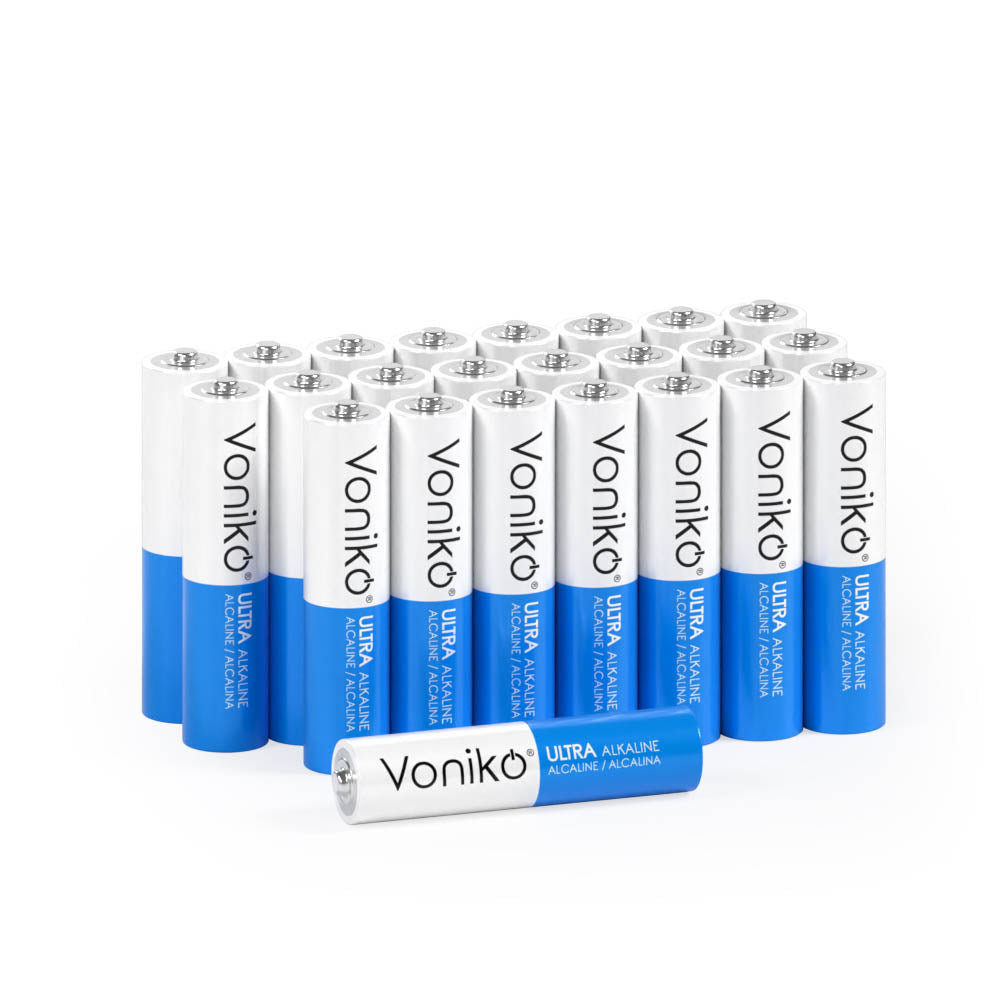
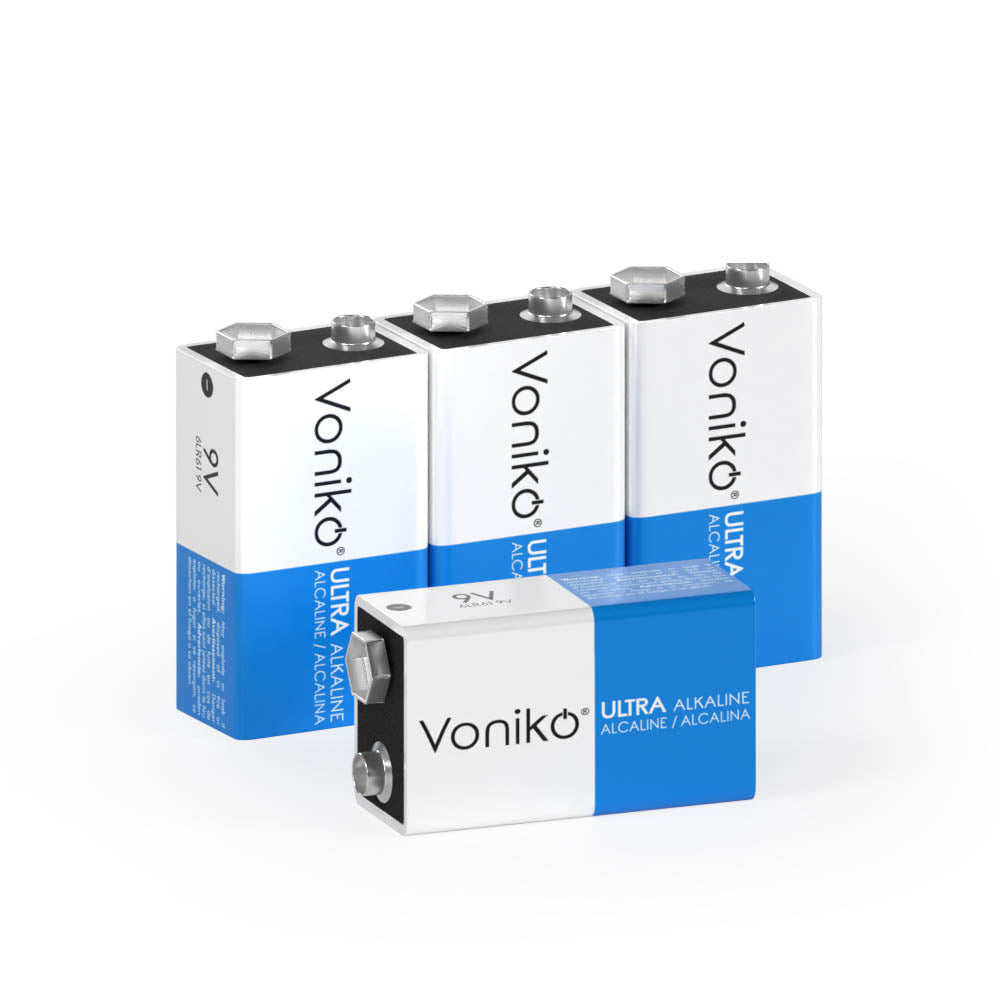
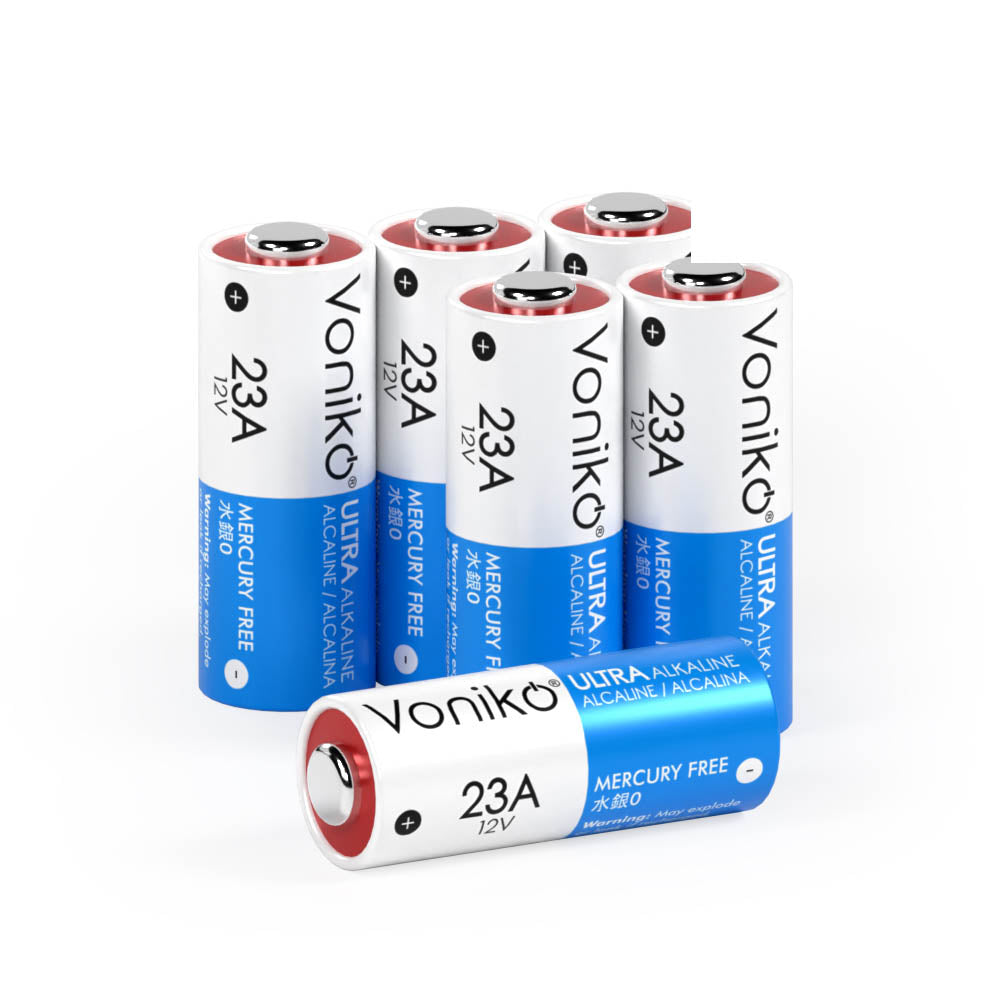
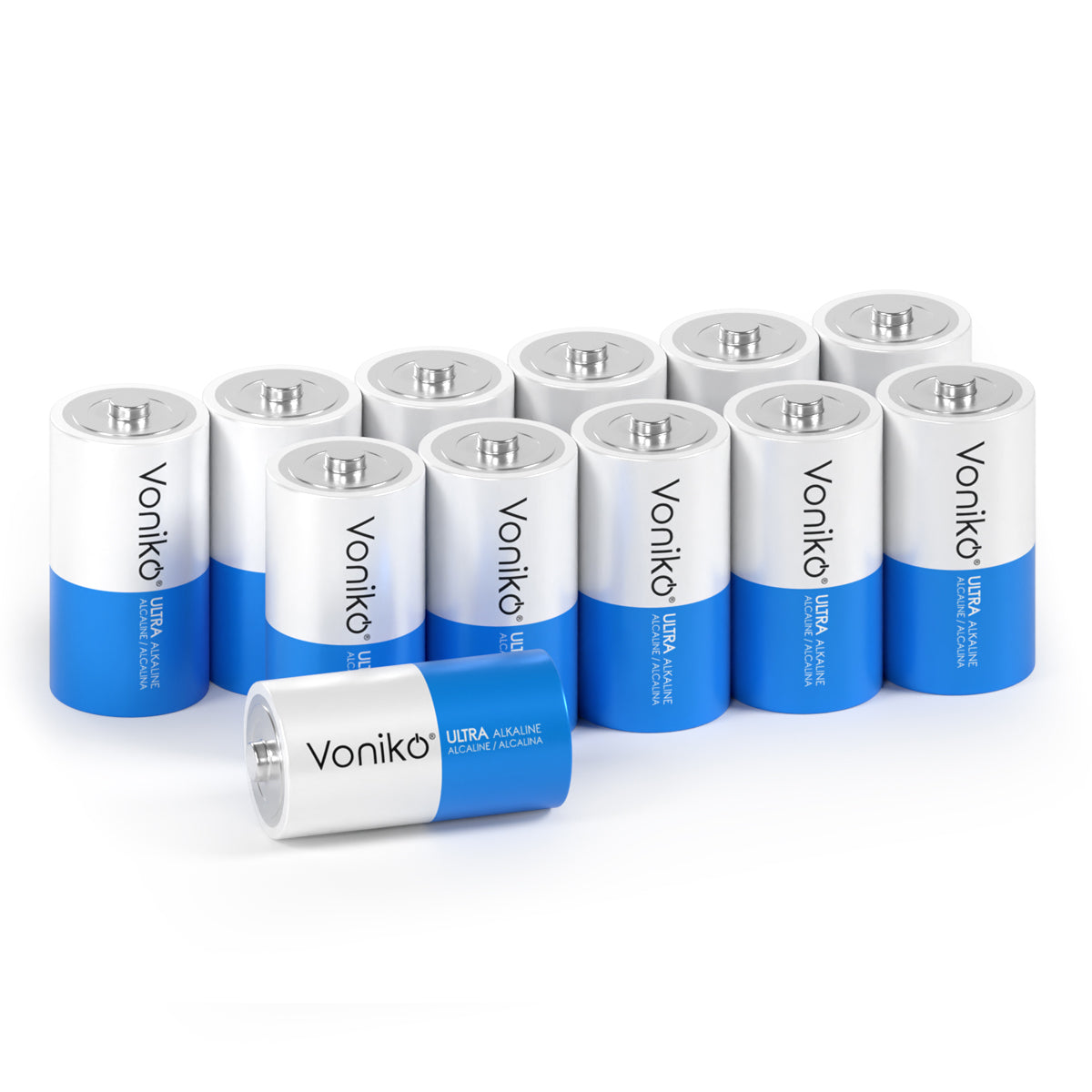
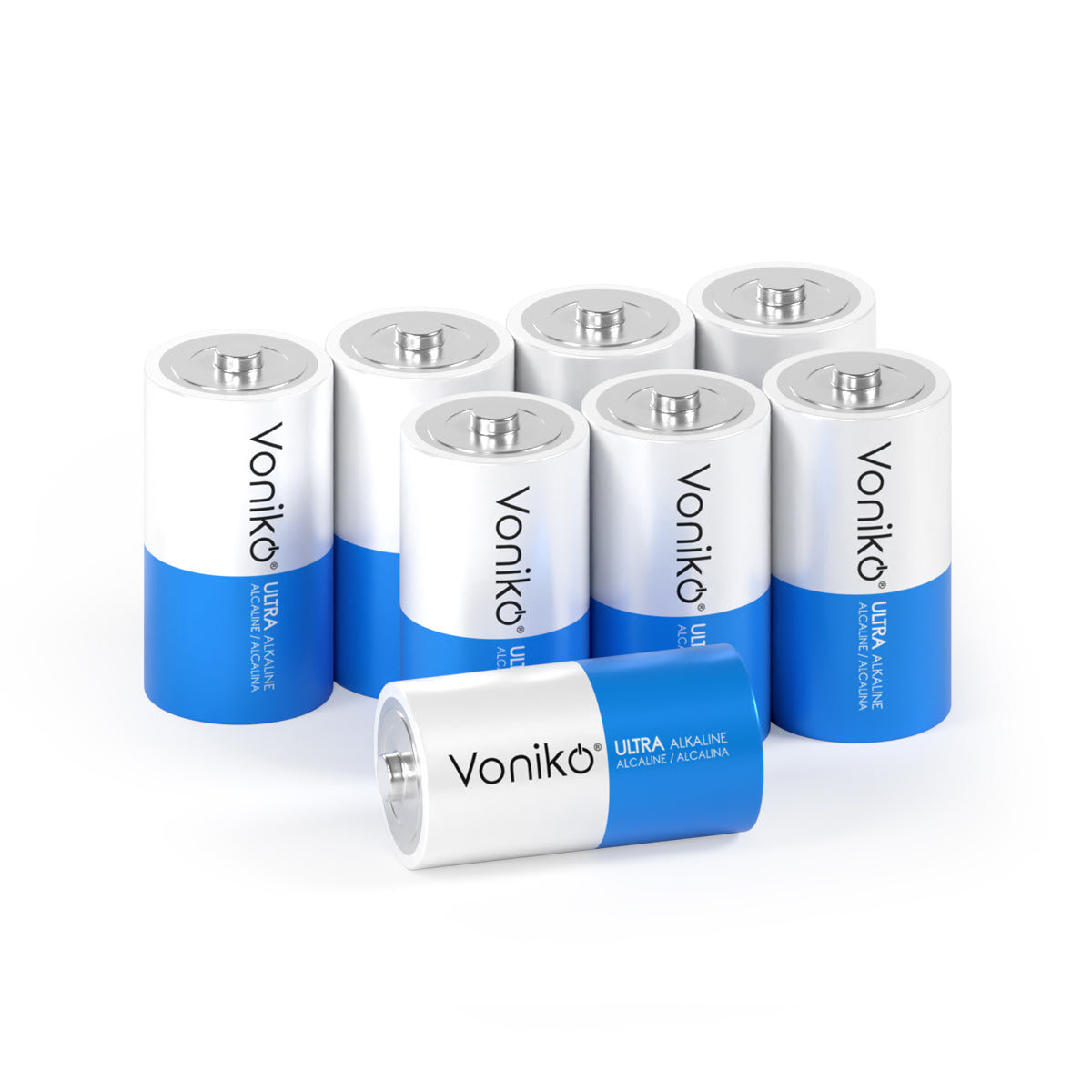
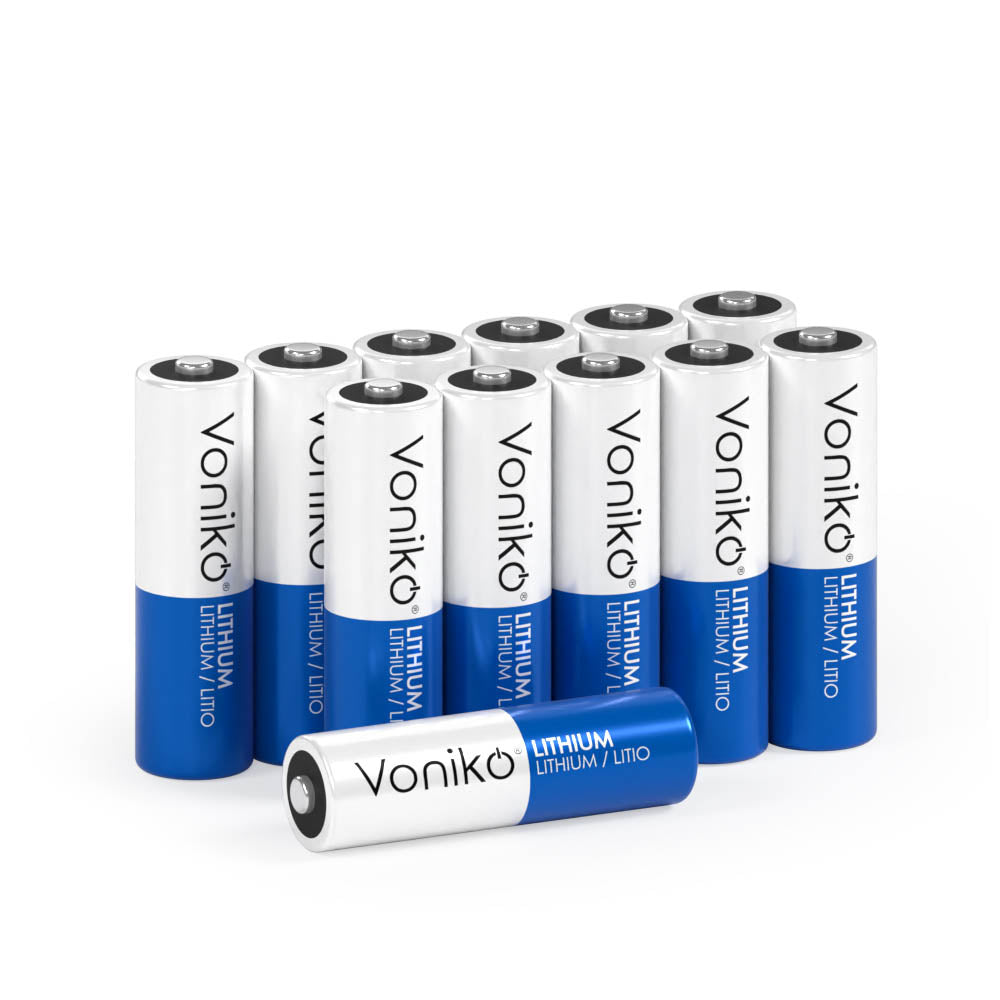
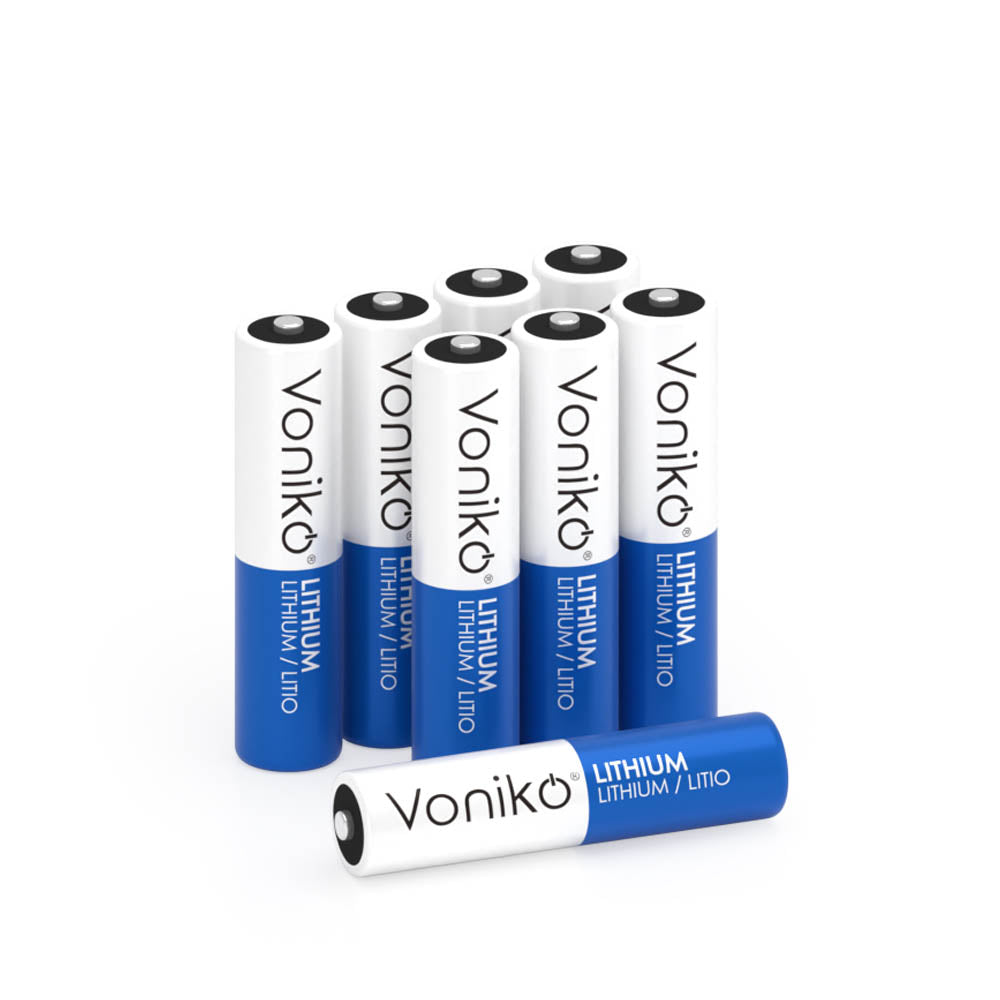
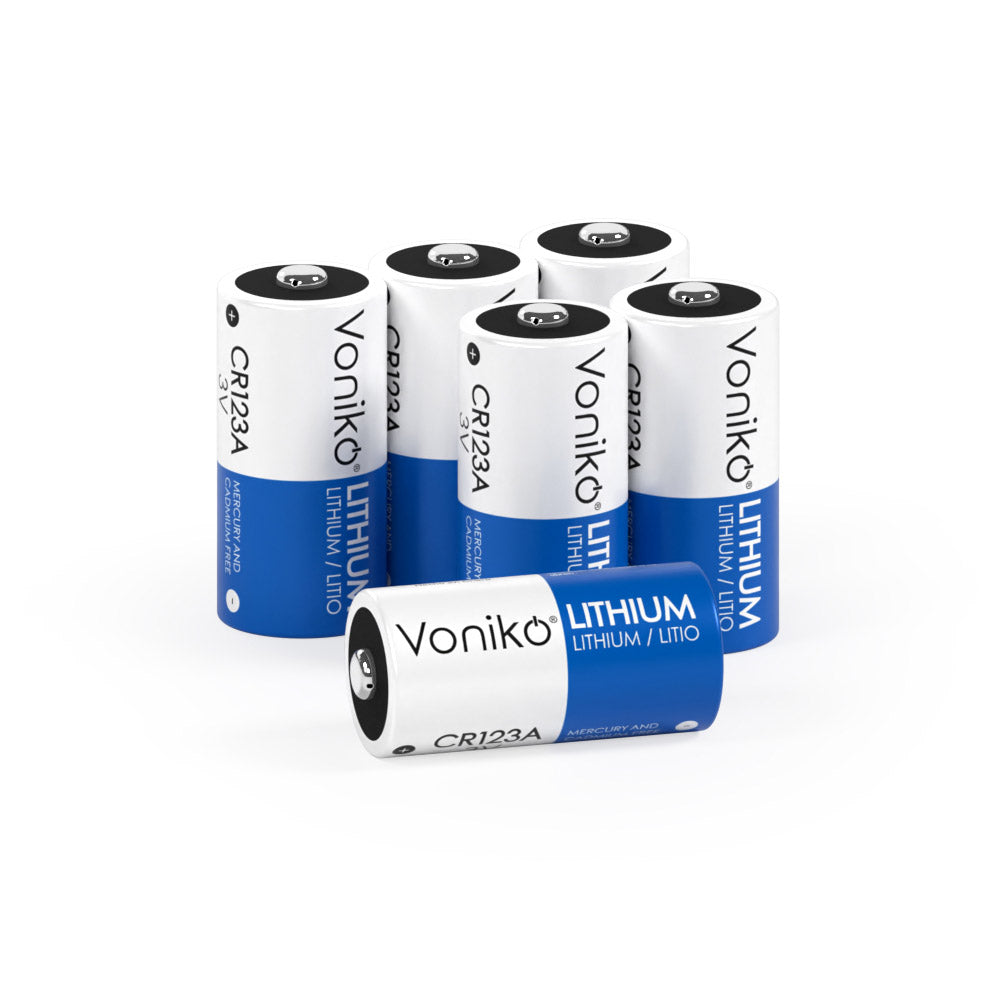
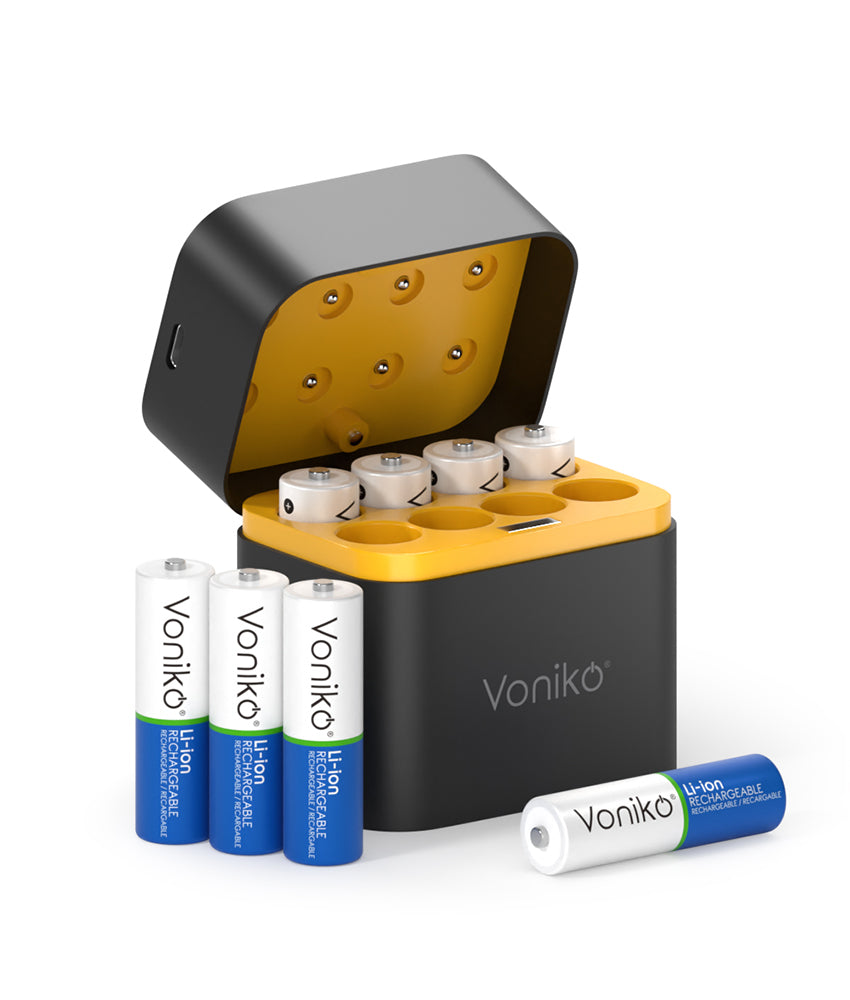
For brands like Voniko Batteries, offering both alkaline and lithium battery options means you get choices that match your budget and performance needs.
Lifespan and Cycles: Lithium Lasts Longer
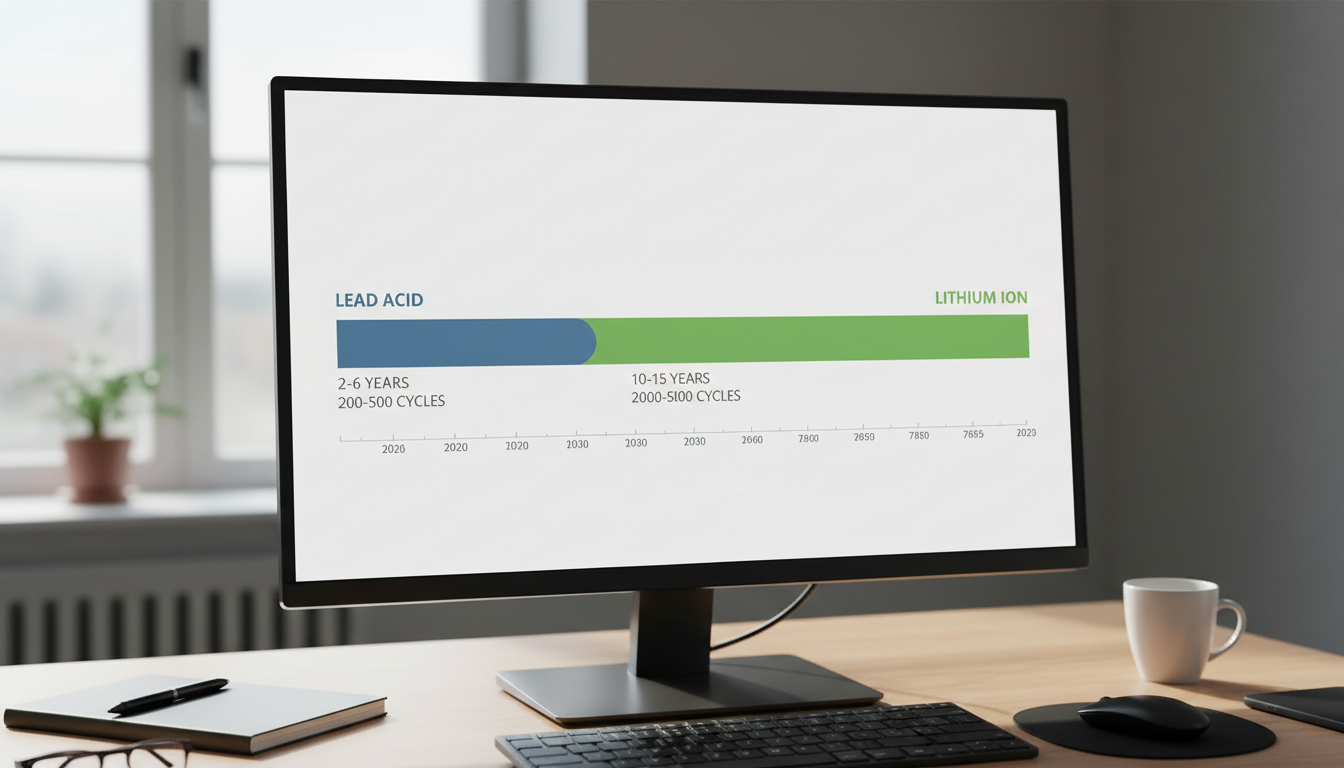
Lead acid batteries typically deliver 400 cycles, while lithium batteries offer 3,000-5,000 partial cycles—translating to 2-6 years for lead acid and at least 10 years for lithium. That's 5 times longer, which makes a huge difference if you hate swapping out batteries.
Lithium ion batteries for UPS systems can last 15-20 years before reaching end-of-life, and can be cycled 25 times more than VRLA lead acid batteries. If you need reliable power for the long haul, lithium wins this round.
And if you're curious about battery safety, check out this article on why lithium batteries catch fire—understanding the risks helps you use them safely.
Energy Density and Weight: Compact Power Matters
Lithium ion batteries achieve an energy density of 125-600+ Wh/L versus 50-90 Wh/L for lead acid batteries. This means lithium batteries pack more energy into less space and weigh about a third of what lead acid batteries do at the same capacity.
If you're powering an RV, boat, or portable solar setup, that weight difference is a game-changer. Lead acid batteries are cheap and powerful but very heavy, with very low energy density causing them to be large bricks. Lithium batteries give you more room and better fuel economy.
Depth of Discharge: How Much Power You Can Actually Use
While you can use 85 percent or more of a lithium ion battery's total capacity in a single cycle, lead acid batteries shouldn't be discharged past roughly 50 percent, as doing so negatively impacts the battery's lifetime.
That means a 100Ah lead acid battery only gives you 50Ah of usable power, while a 100Ah lithium battery delivers 85Ah or more. You're getting way more bang for your buck with lithium, even if it costs more upfront.
Charging Speed and Efficiency: Lithium Charges Faster
Lithium ion batteries are highly efficient with an efficiency rate of 95 percent or more, while lead acid batteries are less efficient at 80 to 85 percent. That efficiency means faster charging and less wasted energy.
Lead acid batteries don't lend themselves to fast charging, with typical charge times of 8 to 16 hours. Lithium batteries can charge in a fraction of that time, making them perfect for quick turnarounds.
If you need rechargeable batteries that can keep up with your daily demands, lithium batteries deliver speed and reliability.
Maintenance Requirements: Set It and Forget It
Lithium ion batteries require little to no maintenance, while lead acid batteries need regular electrolyte level checks and topping-up. That maintenance adds labor costs and hassle, especially in commercial settings.
Lead acid batteries also release gas during charging and need proper ventilation. Lithium batteries don't have these issues—they're sealed, safer, and easier to manage.
Temperature Performance: Lithium Handles Heat Better
For every 18°F increase from 77°F, there's a 50% decrease in a lead acid battery's lifespan, meaning constant exposure to temperatures of 95°F and above makes it last only half as long. Heat kills lead acid batteries fast.
At 131°F, lithium's cycle life is twice that of a lead acid battery at room temperature. Lithium batteries handle extreme conditions better, whether you're in the desert or a hot warehouse.
Which Battery Type Should You Choose?
Lead acid batteries make sense if you need low upfront costs and don't mind regular maintenance. They're reliable for short bursts of high power, like starting engines.
Lithium ion batteries cost more initially but deliver longer lifespans, better efficiency, and virtually no maintenance. If you're looking at total cost of ownership over 10+ years, lithium usually wins.
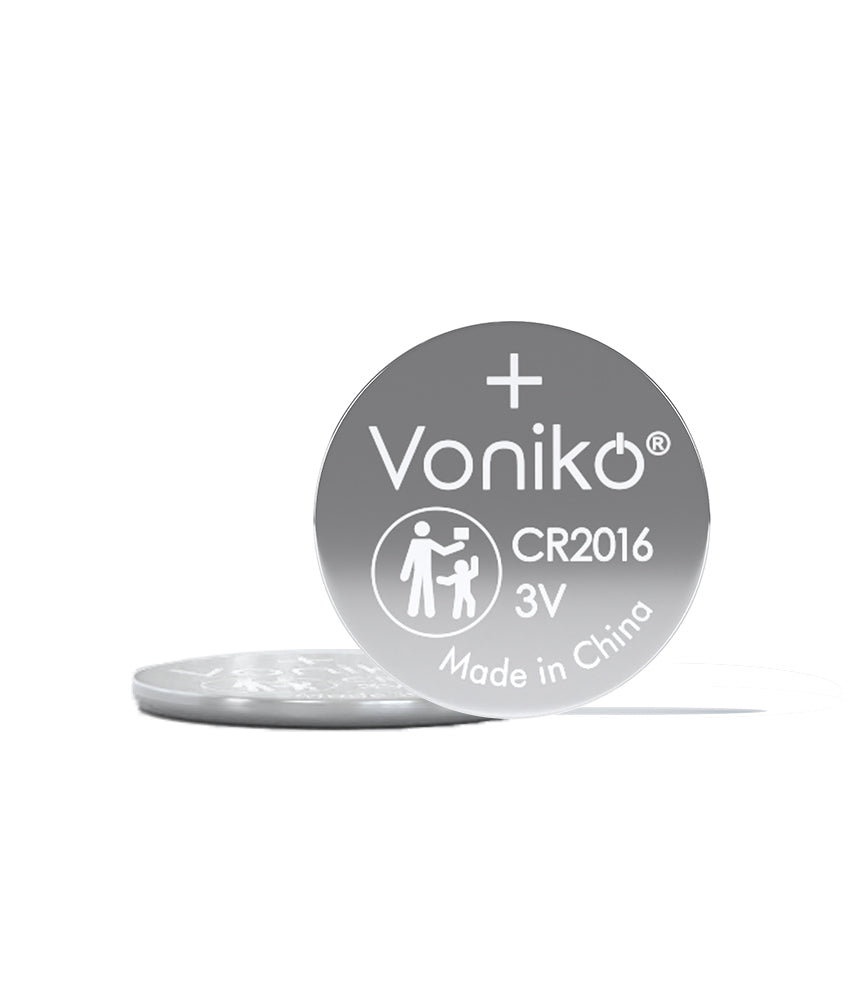
For specialized applications, explore options like lithium coin cell batteries for compact devices or larger lithium systems for heavy-duty use.
Conclusion
The lead acid battery vs lithium ion battery debate comes down to your priorities. Lead acid offers lower upfront costs and proven reliability for certain applications. Lithium ion delivers superior lifespan, efficiency, and performance with minimal maintenance. We recommend lithium for most modern applications—the long-term savings and convenience outweigh the higher initial investment. Choose based on your budget, usage patterns, and how long you need your battery to last.
Frequently Asked Questions
How much longer do lithium ion batteries last compared to lead acid batteries?
Lithium ion batteries last 5-10 times longer than lead acid batteries. While lead acid batteries typically deliver 400-500 cycles (2-6 years), lithium batteries offer 3,000-5,000 cycles and can last 10-15 years or more with proper care. This extended lifespan reduces replacement frequency and long-term costs.
Can I replace my lead acid battery with a lithium ion battery?
Yes, but you'll need to check compatibility with your charging system. Lithium ion batteries require different charging profiles than lead acid batteries. Some systems need upgraded chargers or battery management systems. Always verify voltage requirements and consult manufacturer specifications before switching battery types.
Which battery type is better for solar energy storage?
Lithium ion batteries are better for solar energy storage due to their higher efficiency (95% vs 80-85%), deeper discharge capability (85% vs 50%), and longer lifespan. They charge faster and handle daily cycling better than lead acid batteries, making them more cost-effective over time despite higher upfront costs.
Are lithium ion batteries worth the extra cost?
Yes, for most applications. While lithium ion batteries cost 2-3 times more upfront, they last 5-10 times longer, require no maintenance, and deliver more usable energy. Over a 10-year period, lithium batteries typically cost less per cycle and offer better total value than lead acid batteries.
What are the main safety differences between lead acid and lithium ion batteries?
Lead acid batteries contain corrosive sulfuric acid and release hydrogen gas during charging, requiring proper ventilation and careful handling. Lithium ion batteries are sealed, maintenance-free, and don't release hazardous gases. However, lithium batteries need proper battery management systems to prevent overheating and thermal runaway.

