

Smart jewelry has become more than just a fashion statement—it's now part of our daily tech ecosystem. From smart rings that track your heart rate to necklaces that vibrate for notifications, these tiny devices pack serious functionality. But here's the thing: all that tech needs power, and choosing the right coin cell battery can make or break your smart jewelry experience.
We've spent years working with wearable technology batteries at Voniko Batteries, and we know that not all coin cells work equally well for jewelry applications. The wrong choice means constant recharging, bulky designs, or devices that quit when you need them most. Let's break down which batteries actually work for smart jewelry—and why.
Why Battery Choice Matters for Smart Jewelry
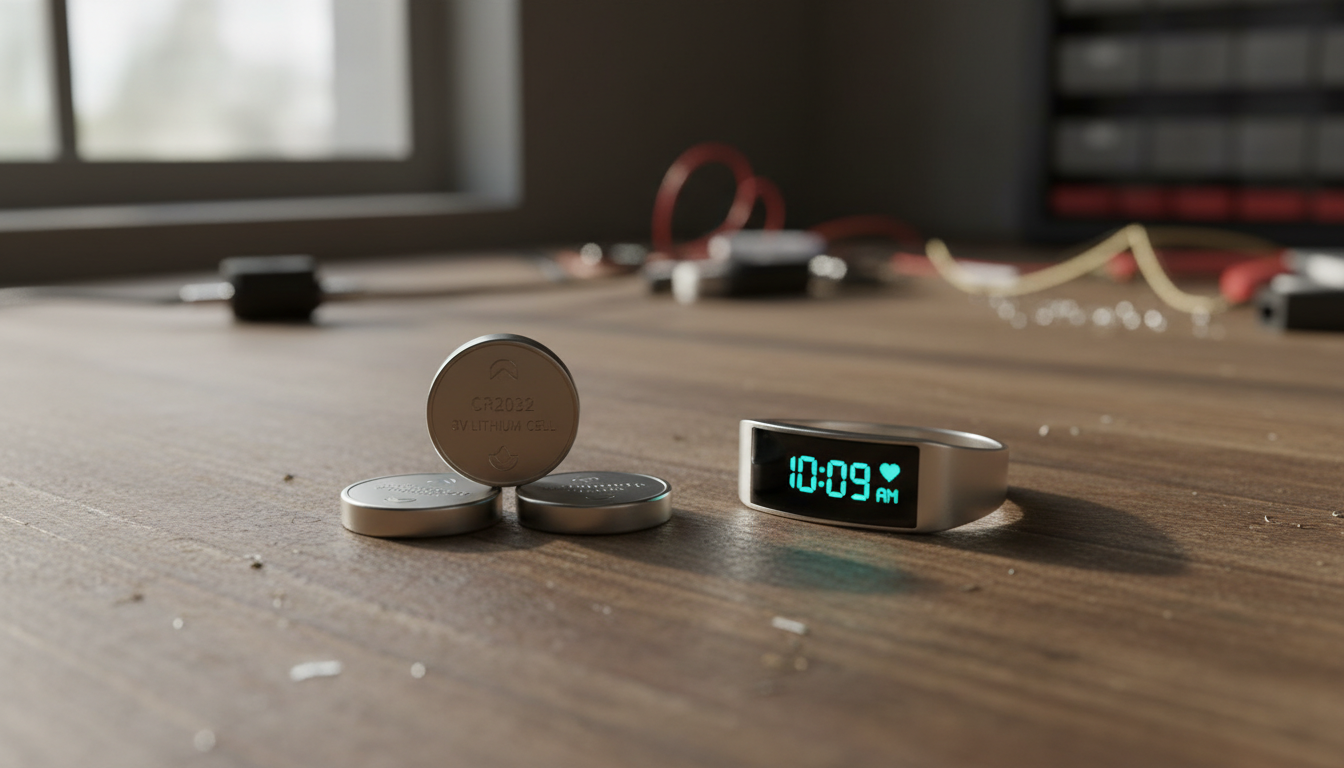
Your smart jewelry sits on your body all day. It needs to be lightweight, comfortable, and reliable. The battery you choose affects all three factors. A battery that's too thick won't fit in a slim ring design. One with low capacity means charging every few days instead of weekly. And if the voltage isn't stable, your device might miss tracking data or fail to send notifications.
Most smart jewelry falls into two categories: simple notification devices and advanced health trackers. Simple devices—like LED jewelry or basic smart rings—can run on standard coin cell batteries. Advanced trackers with continuous monitoring need rechargeable lithium polymer batteries. We'll focus on the coin cell options that work best for everyday smart jewelry.
CR2032: The Workhorse for Smart Jewelry
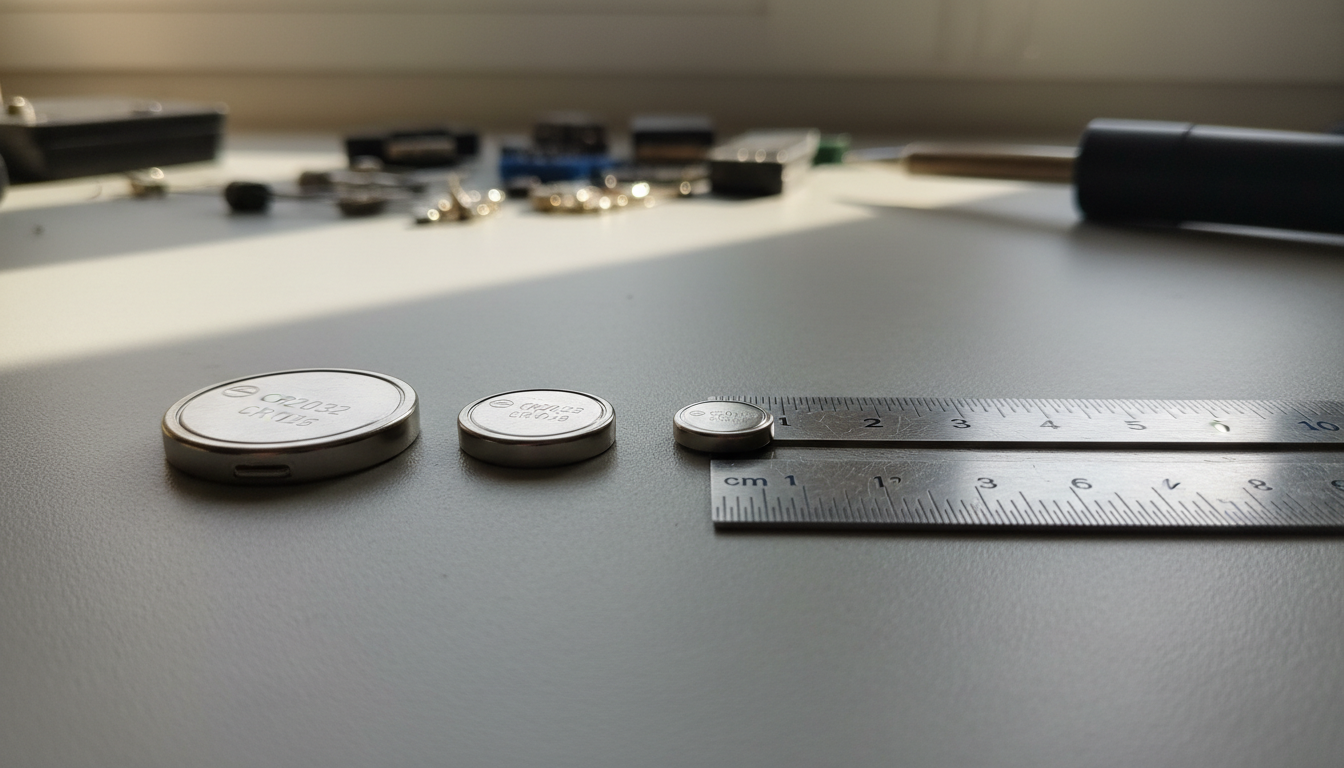
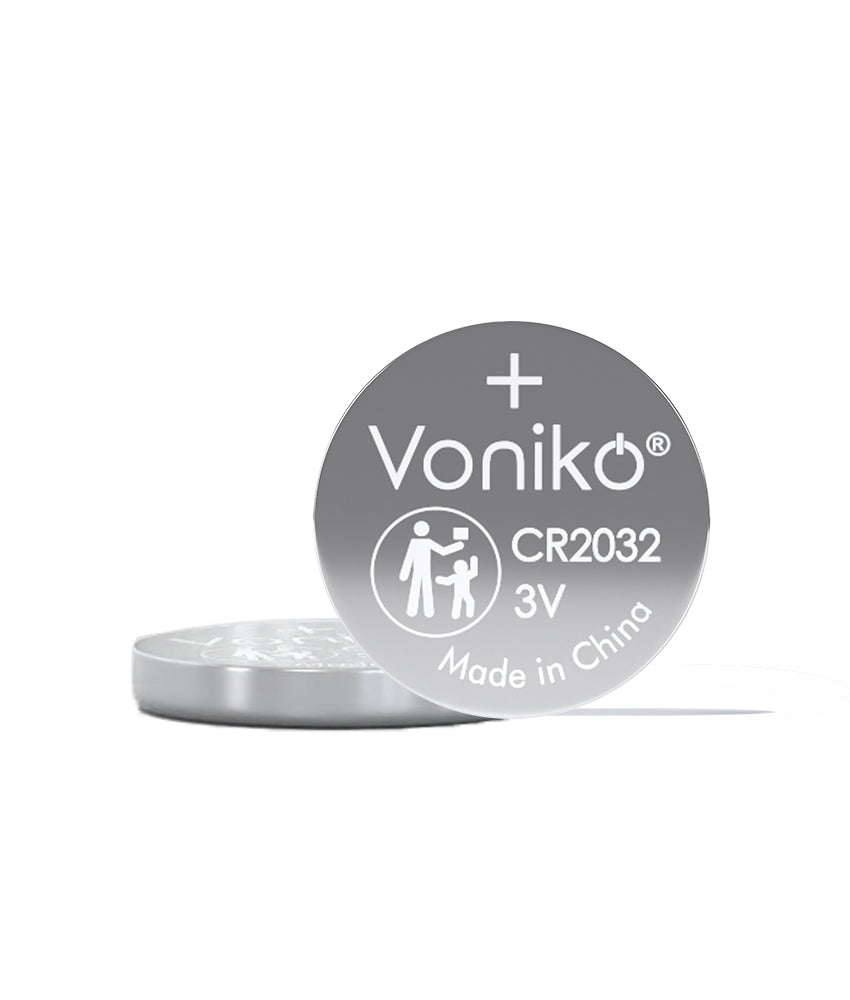
The CR2032 stands out as the most versatile option for smart jewelry applications. This 3-volt lithium battery measures 20mm in diameter and 3.2mm thick. With a capacity around 220-240mAh, it delivers solid runtime without adding much weight.
Smart rings with LED displays, smart pendants with notification features, and jewelry with NFC chips often use CR2032 batteries. The battery can last 4-7 years in low-drain applications, though smart jewelry typically drains it faster—expect 6-12 months depending on usage.
The thickness is the main consideration here. At 3.2mm, a CR2032 adds noticeable bulk to jewelry designs. If your smart ring or pendant needs to stay slim, you might need a thinner option. But for devices where capacity matters more than size, CR2032 wins.
CR2025: The Space-Saving Alternative
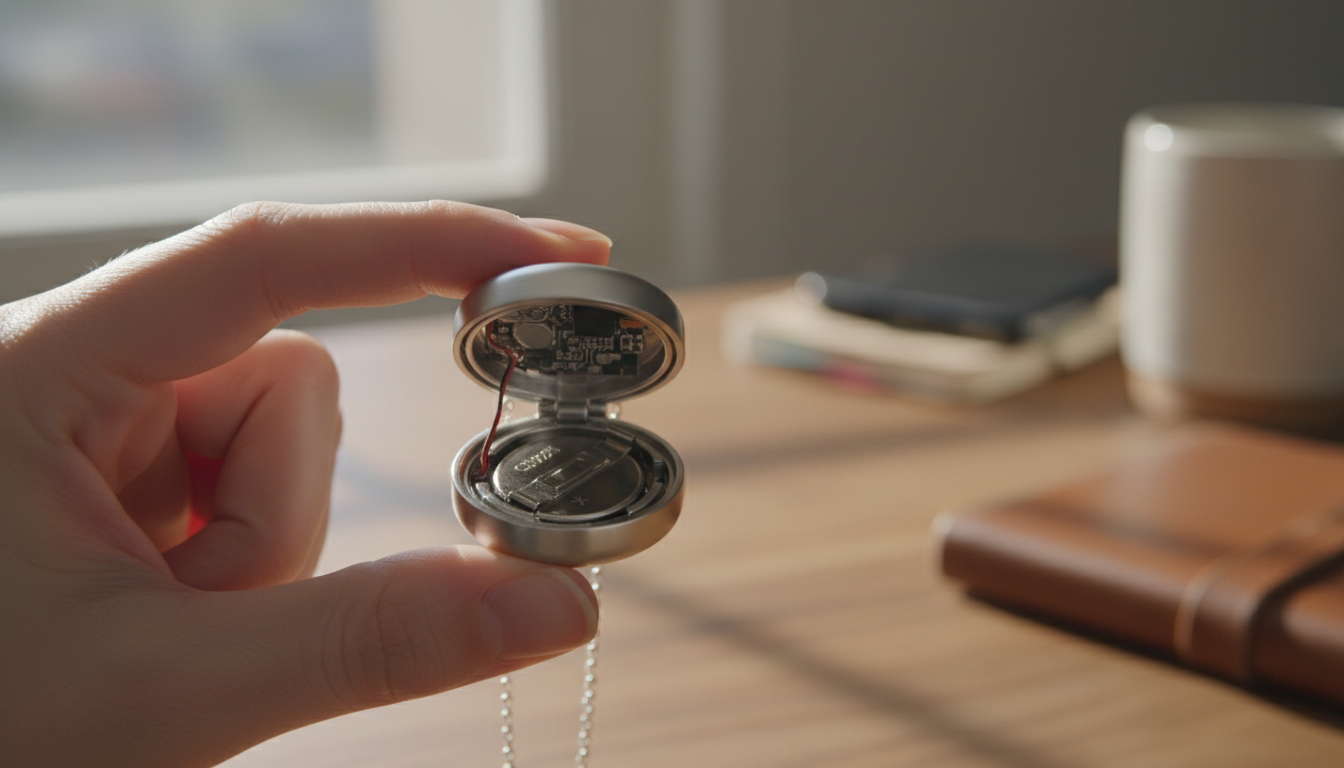
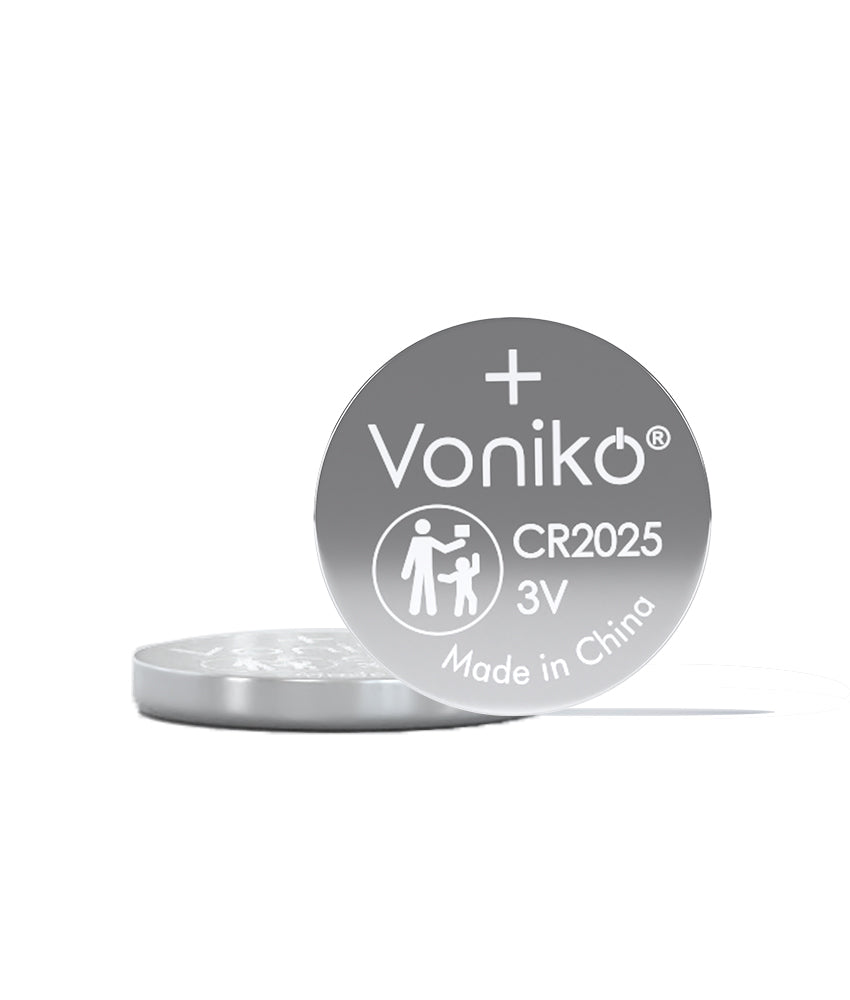
When your smart jewelry design prioritizes sleekness, the CR2025 makes sense. This battery matches the CR2032's 20mm diameter but measures just 2.5mm thick. That 0.7mm difference might not sound like much, but it's huge in jewelry design.
The trade-off? Capacity drops to around 160-170mAh. Your smart jewelry will need battery changes more often than with a CR2032. For smart rings with intermittent LED displays or jewelry that only activates when tapped, the CR2025 provides a good balance between size and performance.
Smart jewelry designers often choose CR2025 for women's rings and delicate pendants where comfort matters more than maximum battery life. Users typically replace these every 4-8 months in active smart jewelry applications.
CR2016: Ultra-Slim for Minimalist Designs
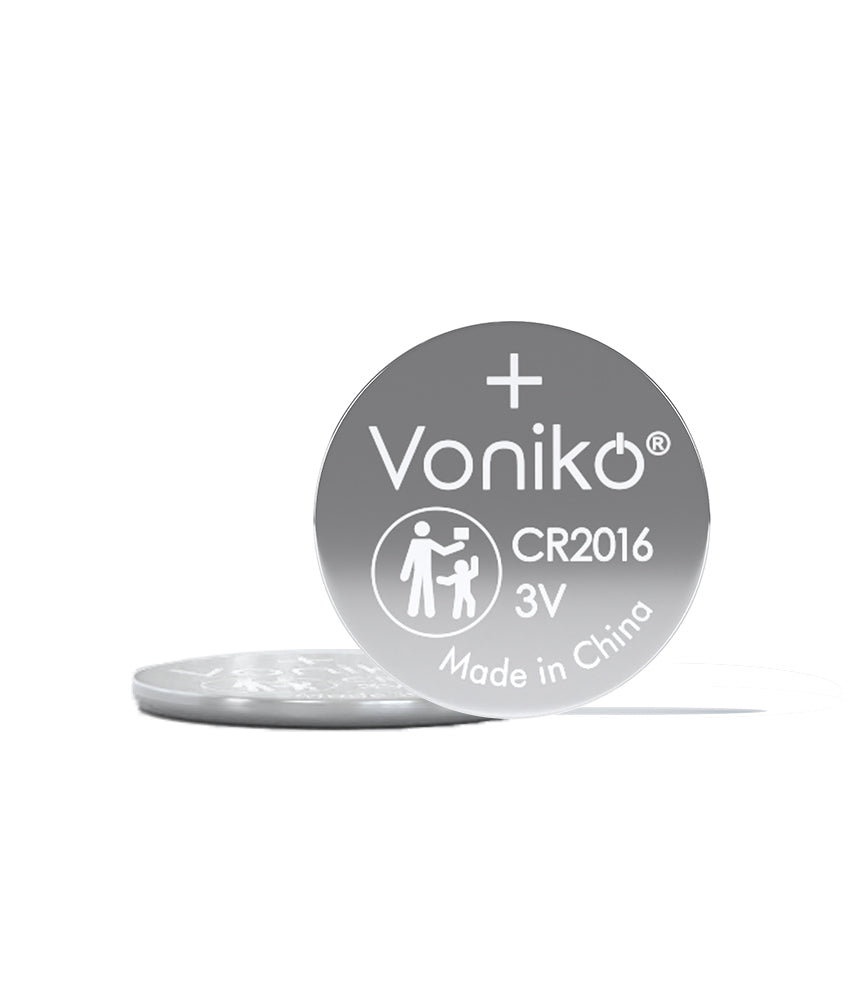
The CR2016 takes slim design to another level at just 1.6mm thick. This ultra-thin profile makes it perfect for the most delicate smart jewelry pieces—think simple smart rings with basic NFC payment functions or minimalist LED jewelry.
Capacity sits at only 75-90mAh, which means shorter runtime between changes. But for devices that mostly sit idle and only activate occasionally, the CR2016 can still deliver 3-6 months of service. It's commonly found in keyless entry fobs and various compact devices, making it readily available.
The real limitation comes with power-hungry features. If your smart jewelry needs continuous Bluetooth connectivity or frequent sensor readings, the CR2016 won't cut it. Save this one for passive devices with minimal power draw.
Matching Battery to Your Smart Jewelry Type
Not all smart jewelry needs the same battery approach. Simple LED jewelry that lights up when you press it? A CR2032 or CR2025 will run it for months. Smart rings with always-on heart rate monitoring? You'll need rechargeable lithium polymer batteries instead—traditional coin cells can't handle the continuous power draw.
For NFC-enabled jewelry that handles payments or access control, CR2025 or CR2016 batteries work well since these features draw minimal power. Smart pendants with vibration motors for notifications typically need the higher capacity of CR2032 batteries. And decorative tech jewelry with occasional LED displays runs happily on any of these three options.
Check your device's specifications before buying batteries in bulk. Some manufacturers design their products around specific battery sizes, and using the wrong thickness can cause poor contact or won't fit at all.
Battery Life Reality Check
Here's what we've learned from real-world testing: advertised battery life rarely matches actual use. A CR2032 might have a 10-year shelf life, but in an active smart ring checking notifications daily, expect 6-12 months max. More intensive features like LED displays or vibration motors drain batteries faster.
Temperature affects performance too. Coin cell batteries work best at room temperature. Your body heat won't hurt them, but leaving smart jewelry in a hot car or freezing conditions shortens battery life. Lithium batteries in the CR series handle temperature swings better than alkaline alternatives, which is why they dominate the smart jewelry market.
One overlooked factor: the battery holder design inside your jewelry. Poor contact points or loose fittings cause intermittent power loss, making users think their battery is dead when it's actually a hardware issue. Quality matters in both the battery and the device itself.
Safety and Quality Standards
Smart jewelry sits against your skin for hours, so battery safety isn't optional. Quality lithium coin cells include built-in safety features to prevent overheating and leakage. Cheap batteries from unknown manufacturers might save you a dollar but risk damaging your expensive smart jewelry—or worse.
Look for batteries meeting international safety standards. Reputable brands test for temperature extremes, impact resistance, and leak prevention. This matters more in wearables than in devices like remote controls because failures happen close to your body.
Child safety also comes up with coin cell batteries. CR2032 batteries are large enough that they present less risk than smaller cells, but proper disposal and storage still matter. Keep spare batteries away from kids and recycle dead ones properly.
Shopping Smart for Coin Cell Batteries
Buy batteries based on your actual needs, not just the lowest price. Fresh batteries from reputable suppliers last longer than old stock from discount bins. Check expiration dates—lithium coin cells typically have 7-10 year shelf lives, but batteries sitting in warehouses for years start with diminished capacity.
Buying in multipacks makes sense if you use multiple smart jewelry pieces or know you'll need replacements. Single batteries cost more per unit but prevent waste if you're just trying out a new device. We stock fresh batteries with clear date codes so you know exactly what you're getting.
Avoid mixing battery brands in the same device if it uses multiple cells. Different manufacturers have slightly different discharge curves, which can cause uneven drain and reduced performance. Stick with one quality brand for consistent results.
When to Consider Rechargeable Options
If you're changing batteries monthly, it's time to rethink your approach. Frequent replacement means either your smart jewelry is too power-hungry for coin cells, or the battery type doesn't match the application. Advanced smart rings and health-tracking jewelry typically need rechargeable batteries instead.
Rechargeable lithium polymer batteries in curved designs specifically match smart ring shapes, offering 15-30mAh capacity in ultra-compact forms. They last 2-7 days per charge and handle hundreds of charge cycles. For high-function smart jewelry, this beats constantly buying coin cells.
The environmental math favors rechargeables too. One rechargeable battery replacing 50+ coin cells reduces waste and saves money over time. But for simple, low-power jewelry that only needs new batteries once or twice a year, disposable coin cells remain the practical choice.
Conclusion
The best coin cell battery for your smart jewelry depends on three factors: available space, power requirements, and how often you're willing to change batteries. CR2032 offers maximum capacity in a reasonable size for most applications. CR2025 provides a slimmer profile when design matters more than runtime. And CR2016 works for ultra-thin jewelry with minimal power needs.
For occasional-use smart jewelry like NFC payment rings or LED accessories, these coin cells deliver reliable performance without the hassle of charging. Match the battery thickness to your device's specifications, buy from quality sources, and keep realistic expectations about battery life. Your smart jewelry will stay powered and ready when you need it.
Remember that power-hungry devices with continuous monitoring need rechargeable solutions instead. Choose the right battery type for your specific jewelry application, and you'll get consistent performance without constant replacements.
FAQs
How long will a coin cell battery last in my smart ring?
It depends on usage patterns and features. A smart ring with basic NFC functionality might run 6-12 months on a CR2032. Devices with LED displays or frequent Bluetooth connections drain batteries faster, typically lasting 3-6 months. Simple jewelry that only activates when pressed can run for a year or more. Battery life drops significantly if your ring monitors health metrics continuously—those devices usually need rechargeable batteries instead of coin cells.
Can I use CR2025 instead of CR2032 in my smart jewelry?
Only if the battery compartment has enough space and makes proper contact. The CR2025 is thinner than CR2032 (2.5mm vs 3.2mm), so it might fit loosely and cause connection issues. Some devices have adjustable contacts that work with both, but many don't. Check your device manual or contact the manufacturer. Using the wrong thickness can lead to intermittent power or the battery not working at all. Never stack two CR2016 batteries to replace a CR2032—that doubles the voltage and can damage your device.
Which coin cell battery is safest for jewelry worn against skin?
All CR-series lithium batteries from reputable manufacturers include safety features for wearable use. CR2032, CR2025, and CR2016 batteries are designed with sealed construction to prevent leakage and built-in thermal protection. The larger CR2032 is actually safer from a child-safety perspective since it's harder to swallow. Buy from established brands that meet international safety standards—cheap batteries from unknown sources might lack proper safety testing. Quality matters more than which specific model you choose.
Do I need special batteries for waterproof smart jewelry?
No, standard CR-series lithium coin cells work fine in waterproof jewelry. The waterproofing comes from the device's seal and gasket design, not the battery itself. CR2032, CR2025, and CR2016 batteries all have sealed construction that protects the internal components. Just make sure the battery compartment seal is intact when you close it after changing batteries. Damaged gaskets or loose covers let water in, but the battery itself doesn't need any special water-resistant features.
Should I buy coin cell batteries in bulk for my smart jewelry?
Buy based on your replacement frequency. If you change batteries every 3-6 months, getting a 4-pack makes sense and saves money. But lithium coin cells have 7-10 year shelf lives, so buying 50 batteries isn't necessary unless you have multiple devices. Multipacks from quality suppliers offer better value than singles, just avoid batteries sitting in storage for years before you bought them. Check expiration dates and store unused batteries in a cool, dry place. Fresh batteries always perform better than old stock, even within their shelf life.

