
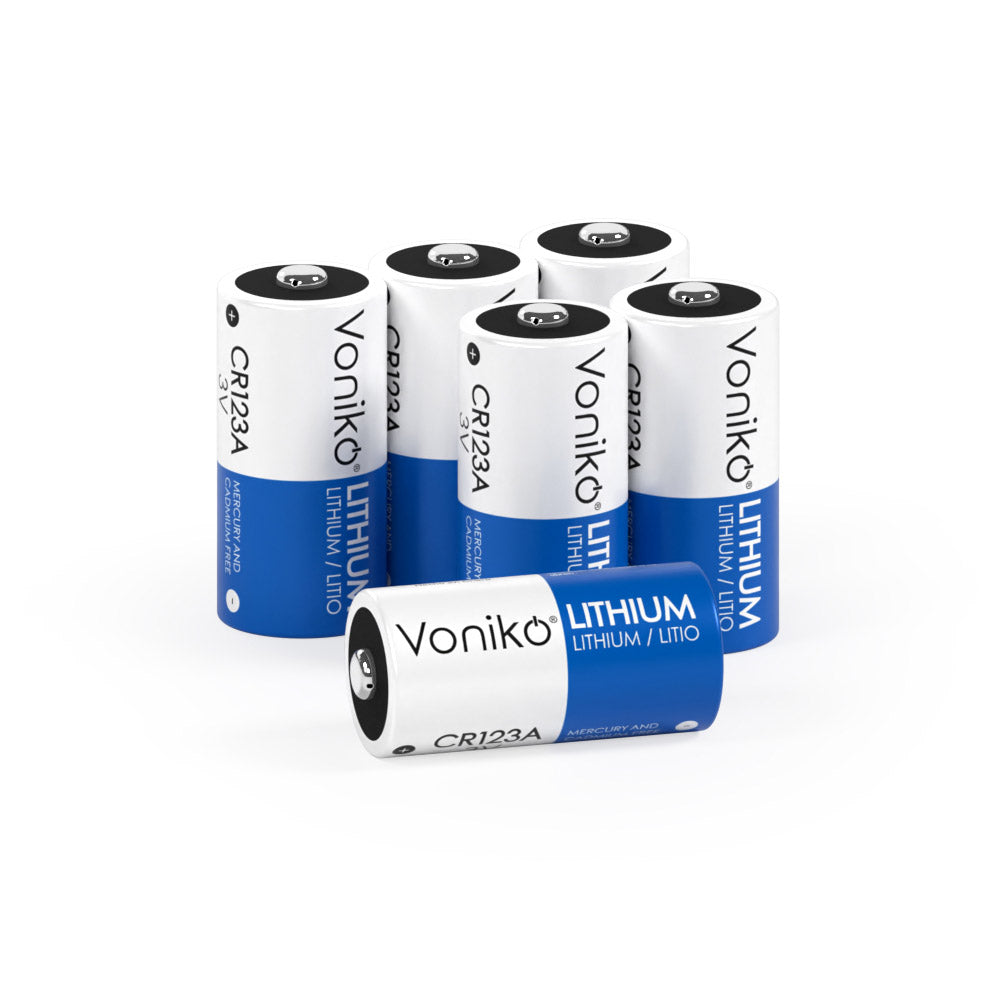
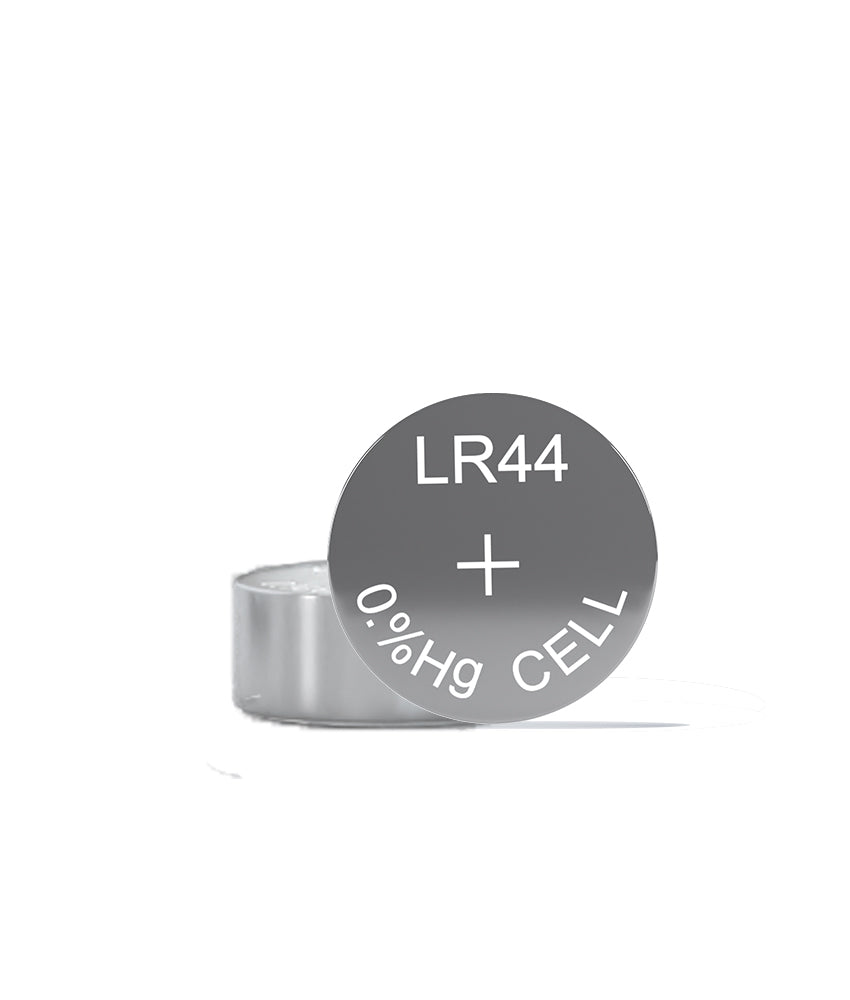
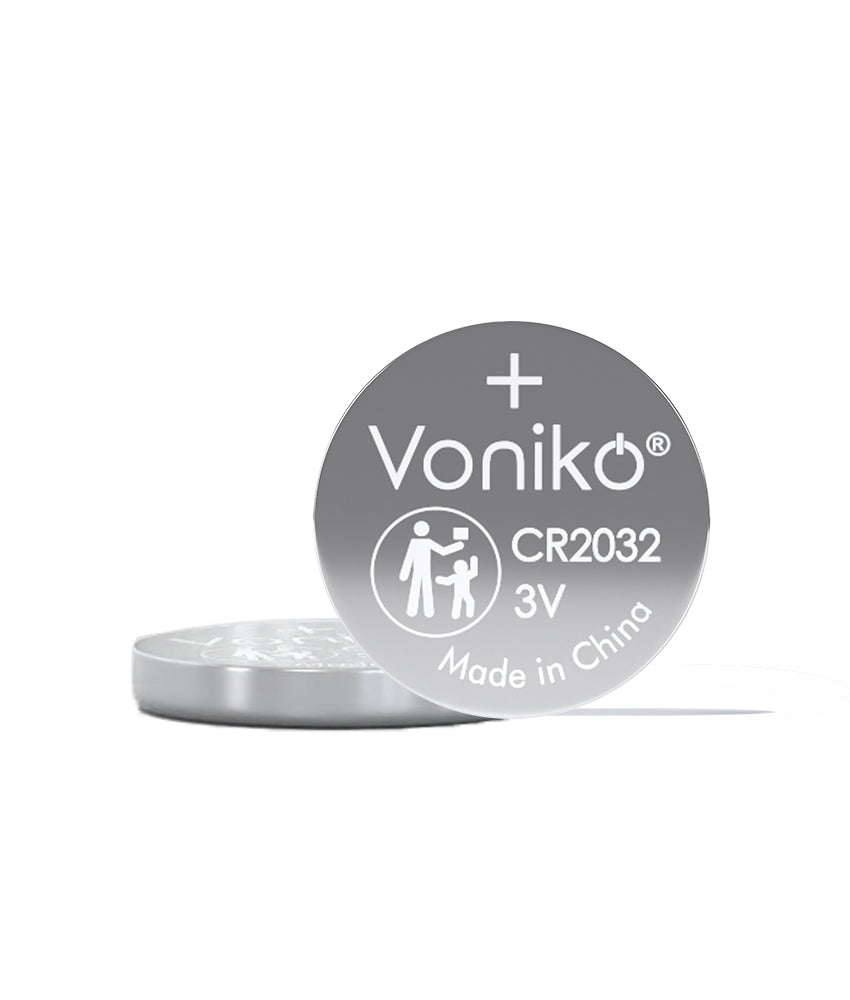



You've got a drawer full of coin cell batteries—some new, some used, maybe a few you're not even sure about. But here's the question that matters: is it safe to store them all together in the same container? The short answer is no, not without taking proper precautions first.
Loose coin cell batteries can make contact with each other and short circuit, causing them to discharge. And that's just the beginning of what can go wrong. We'll walk you through why battery storage matters, what risks you're dealing with, and how to store your coin cell batteries the right way.
Why Storing Coin Cell Batteries Together Is Risky

Coin cell batteries might look harmless, but storing them loose together poses real safety risks. The main problem? Short circuits.
When batteries contact each other or metal objects like hairpins, necklaces, or any conductive material, they can short circuit and discharge. Carrying loose batteries in a pocket or purse with metal objects like coins or paper clips can short-circuit the battery, leading to high heat or leakage.
But it gets worse. Lithium button batteries can react with different size button batteries and other battery chemistries, and the bigger the battery, the easier it will overload a button battery and cause it to burst. Storing large volumes of batteries together presents greater fire risk due to potential chain reactions if failure occurs with one battery.
And if you have kids or pets at home? Small children can swallow button batteries, and when stuck, lithium batteries can damage the esophagus and even burn through it in a matter of hours. That alone makes proper storage a non-negotiable.
How to Store Coin Cell Batteries Safely
Here's how we recommend storing your lithium coin cell batteries to avoid these risks.
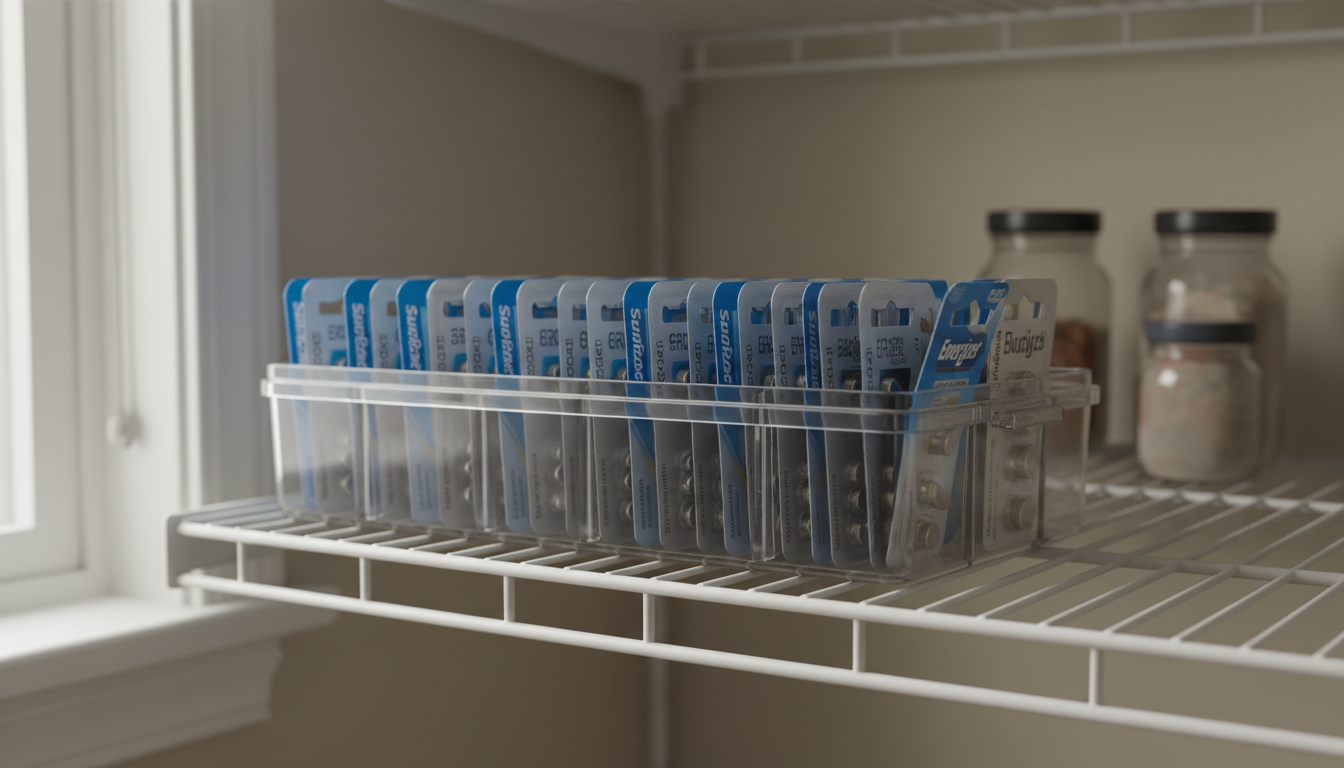
Keep them in original packaging. Leaving batteries in their packaging allows you to identify different types and brands easily, eliminates mixing up new and used batteries, and ensures that the ends of loose batteries don't contact each other.
Use non-conductive containers. Plastic 5-gallon pails are great for small quantities and usually more than enough for storing button batteries. Glass jars, ceramic boxes, or plastic zip-lock bags all work too. Just avoid metal containers that could create a conductive path.
Tape the terminals. If you've lost or discarded the batteries' original packaging, taping your batteries is the most important precaution to take with lithium button batteries. We recommend taping both the positive and negative terminals by simply placing a single piece of tape around the top and bottom of the button cell covering both terminal ends.
Separate different battery types. You should minimize the risks of battery shorts by keeping your chemistries in separate containers and taping your lithium button batteries. Don't mix alkaline batteries with lithium coin cells, and keep new batteries separate from used ones.
Where to Store Your Batteries
Location matters just as much as how you package them.
Environmental factors are the biggest threat to keeping button cell batteries in good condition during storage. To properly store button cell batteries, keep them in their original packaging (or put them in a plastic container) and in a cool, low-humidity place.
The ideal temperature for alkaline batteries is about 60°F, while the preferred range for lithium batteries is between 68°F and 77°F. Room temperature works fine for most situations. Too hot or too cold, and you may see a reduction in your batteries' lifespan, capacity and overall performance.
And here's something you might not have considered: Store your batteries in a secured container in a safe place, out of sight and reach of children. A locking case or high cabinet beats leaving them in an accessible drawer.
Signs Your Stored Batteries Have Gone Bad
Check your stored batteries regularly for these warning signs:
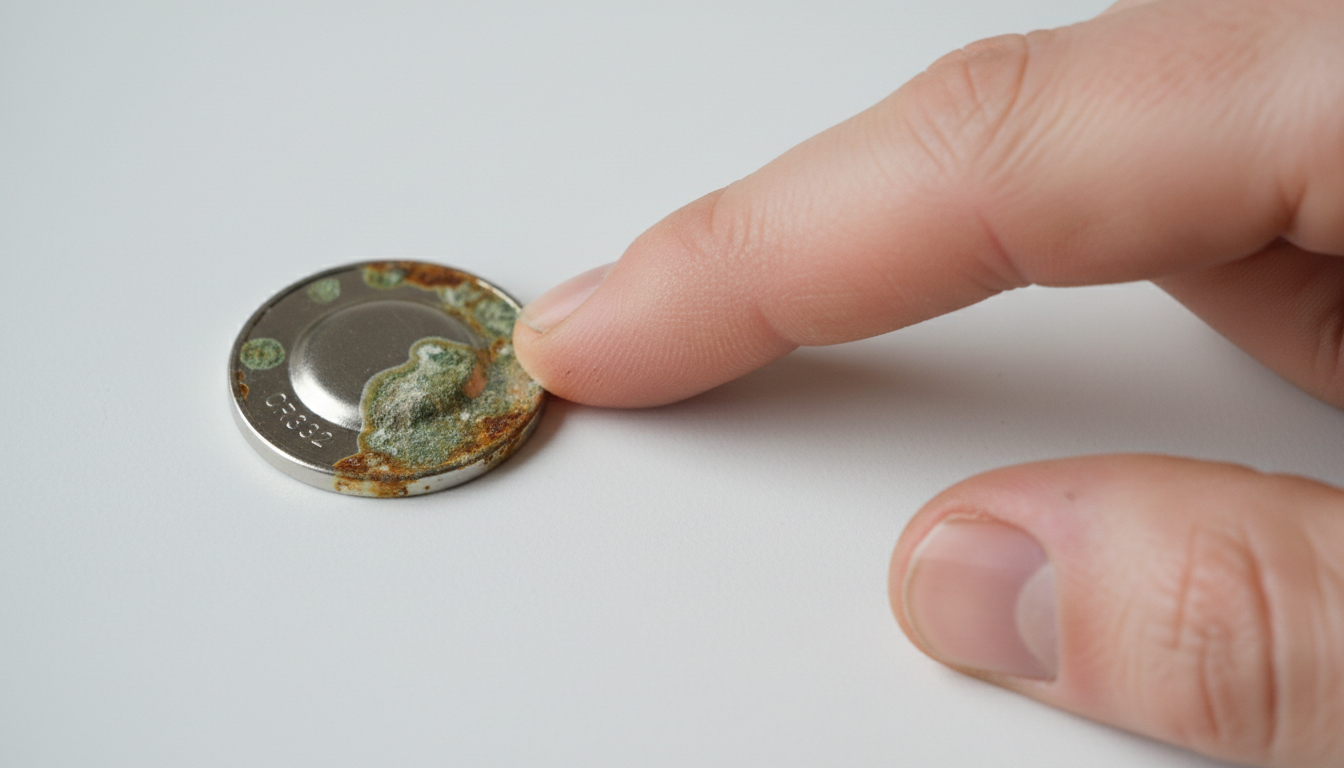
Short circuits or damage to coin cell batteries may not always be noticeable—check the battery for puffiness, heat, or other changes. If the battery looks damaged, remove immediately. If the battery gives off an odor, generates heat, becomes discolored or deformed, or appears abnormal, immediately remove it and stop using it.
Even batteries that are "dead" can be dangerous. Remove, tape the terminals, and place them in a secure container until they can be properly recycled.
If you notice any of these issues, don't take chances. Remove the battery from your storage area and dispose of it properly at a battery recycling location.
Storage Tips for Different Battery Types
If you're managing multiple battery types at home, here's what you need to know.
For lithium batteries, keep them away from extreme temperatures and moisture. For rechargeable batteries, different rules apply—they often need to be stored at a partial charge rather than fully charged or depleted.
Don't mix old and new batteries, or mix different types or makes of batteries. This can cause leakage or rupture, resulting in personal injury or property damage.
Conclusion
So can coin cell batteries be stored together? Yes, but only if you take the right precautions. Never store them loose where they can touch each other or metal objects. Use non-conductive containers, tape terminals if batteries are out of their packaging, keep different chemistries separated, and store them in a cool, dry place away from children and pets.
These simple steps prevent short circuits, reduce fire risks, and keep your batteries working when you actually need them. We've seen too many cases where improper storage led to leaking, overheating, or worse. A few minutes of proper organization now saves you from headaches later.
For more information about battery safety and applications, check out our guide on what coin cell batteries are used for.
FAQs
Can I store coin cell batteries in a plastic bag?
Yes, a plastic zip-lock bag works well for temporary storage. Just make sure the batteries don't contact each other directly. For best results, tape the terminals first or keep batteries in their original blister packaging before placing them in the bag. Avoid paper bags for long-term storage since they're potentially flammable.
Should coin cell batteries be stored in the refrigerator?
No, refrigerator storage isn't necessary for coin cell batteries. Room temperature between 68°F and 77°F works perfectly fine. Cold storage can actually reduce battery performance and cause condensation issues. Just keep them in a cool, dry place at normal room temperature.
How long can coin cell batteries be stored before they go bad?
Coin cell batteries like CR2032 models typically have a shelf life of 7 years when stored properly at room temperature. The key is keeping them in a cool, dry environment and preventing contact with other batteries or metal objects. Heat and humidity will shorten this lifespan considerably.
Is it safe to store different brands of coin cell batteries together?
Yes, you can store different brands together as long as they're the same battery chemistry (all lithium coin cells, for example). Just keep them separated physically using their original packaging or by taping terminals. Don't mix lithium coin cells with alkaline button batteries or other chemistries in the same container.
What should I do with old coin cell batteries I'm storing for disposal?
Tape both terminals with non-conductive tape to prevent short circuits, then place them in a separate non-conductive container labeled for disposal. Keep them away from new batteries to avoid confusion. Take them to a battery recycling location or hazardous waste collection site—never throw them in regular trash.

