

Lithium batteries power almost everything we use daily—from smartphones and laptops to power tools and cameras. But shipping them through the mail? That's where things get tricky. The short answer is yes, you can mail lithium batteries, but only if you follow specific regulations set by the U.S. Department of Transportation and shipping carriers.
We've put together this guide to walk you through the rules, packaging requirements, and what you need to know before dropping that package at the post office. Whether you're returning a defective device, selling electronics online, or sending batteries to family, understanding these regulations helps you ship safely and avoid hefty fines.
Know Your Battery Type: Lithium-Ion vs. Lithium Metal
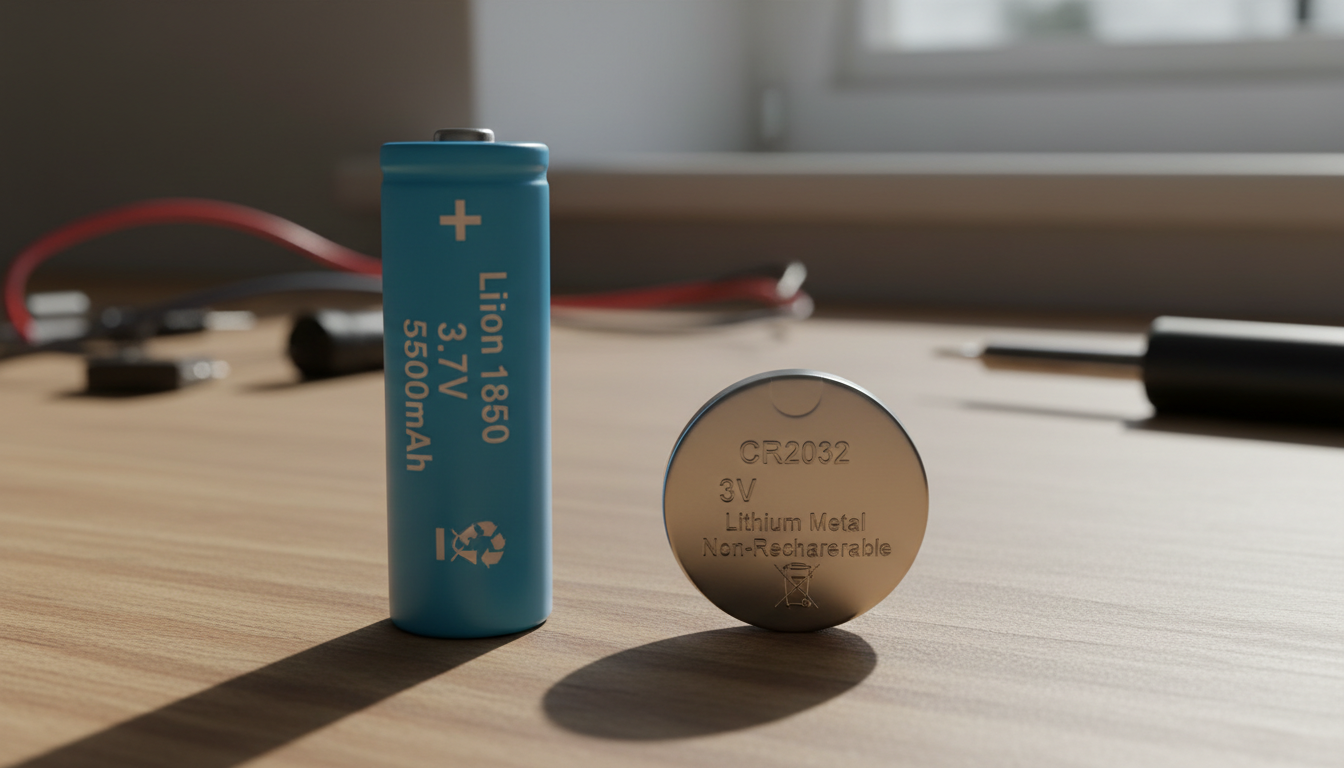
Rechargeable batteries are lithium-ion, while non-rechargeable batteries are lithium metal. This difference matters because shipping rules vary based on battery type.
Lithium-ion batteries show up in rechargeable devices like laptops, cell phones, and digital cameras. You'll often see "Li-ion" or "lithium-ion" printed right on the battery. These are what power most modern electronics because they pack lots of energy and can be recharged hundreds of times.
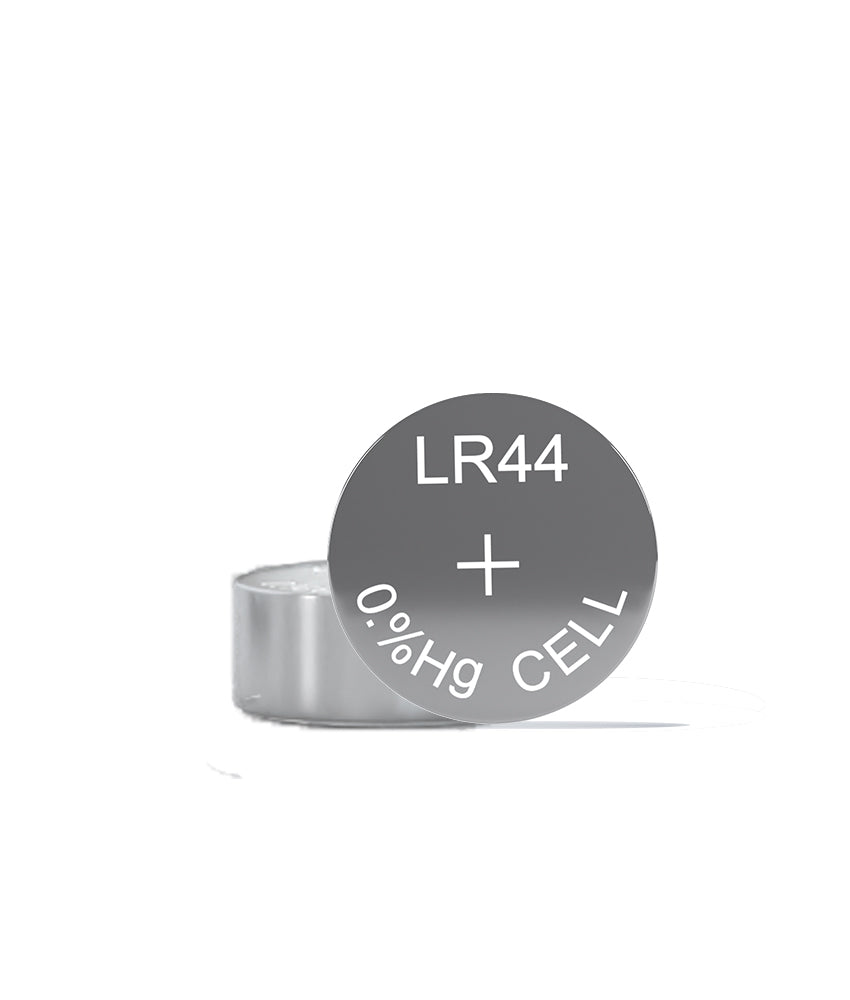
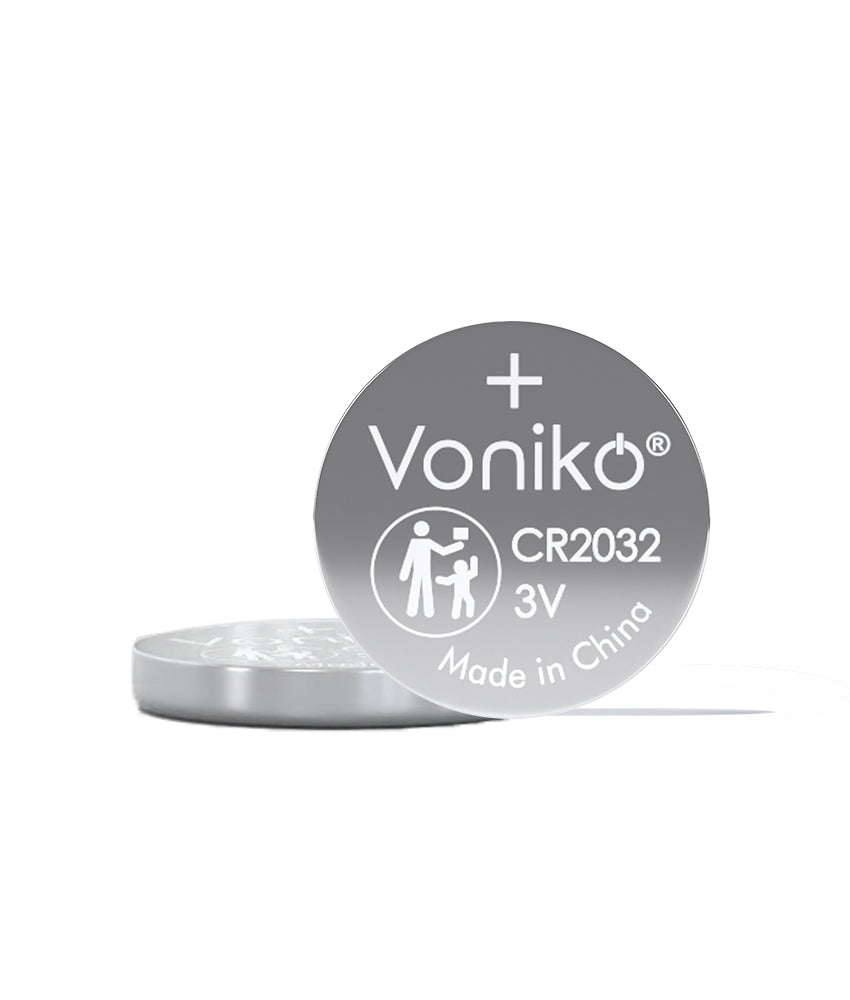
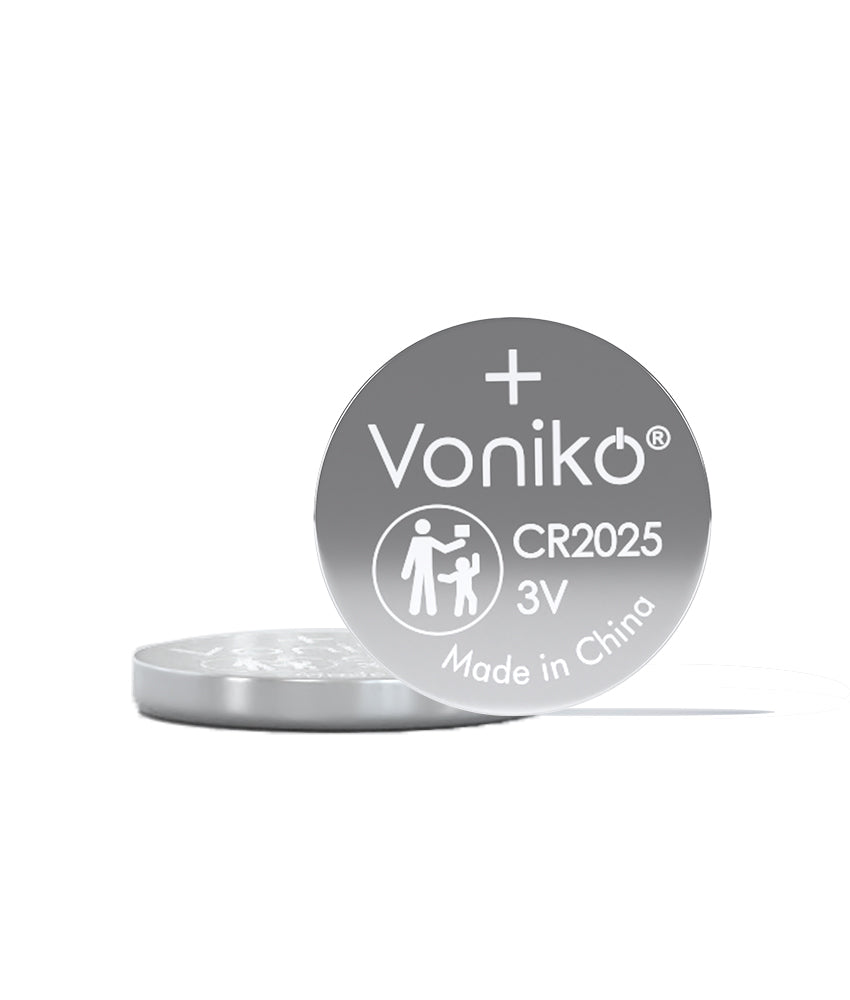
Lithium metal batteries typically power small electronics like calculators, watches, and circuit boards. Think of the coin-shaped batteries in your watch or the AA batteries in your TV remote. They can't be recharged, but they last a long time.
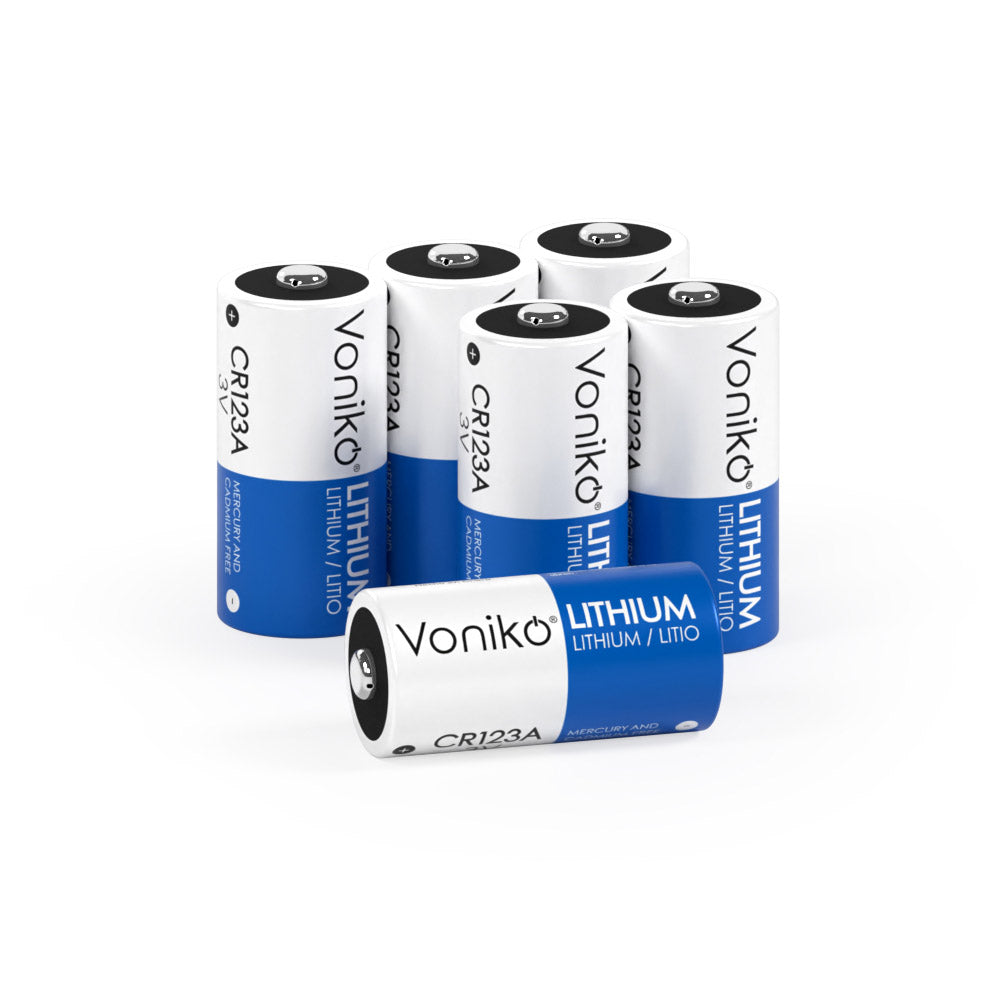
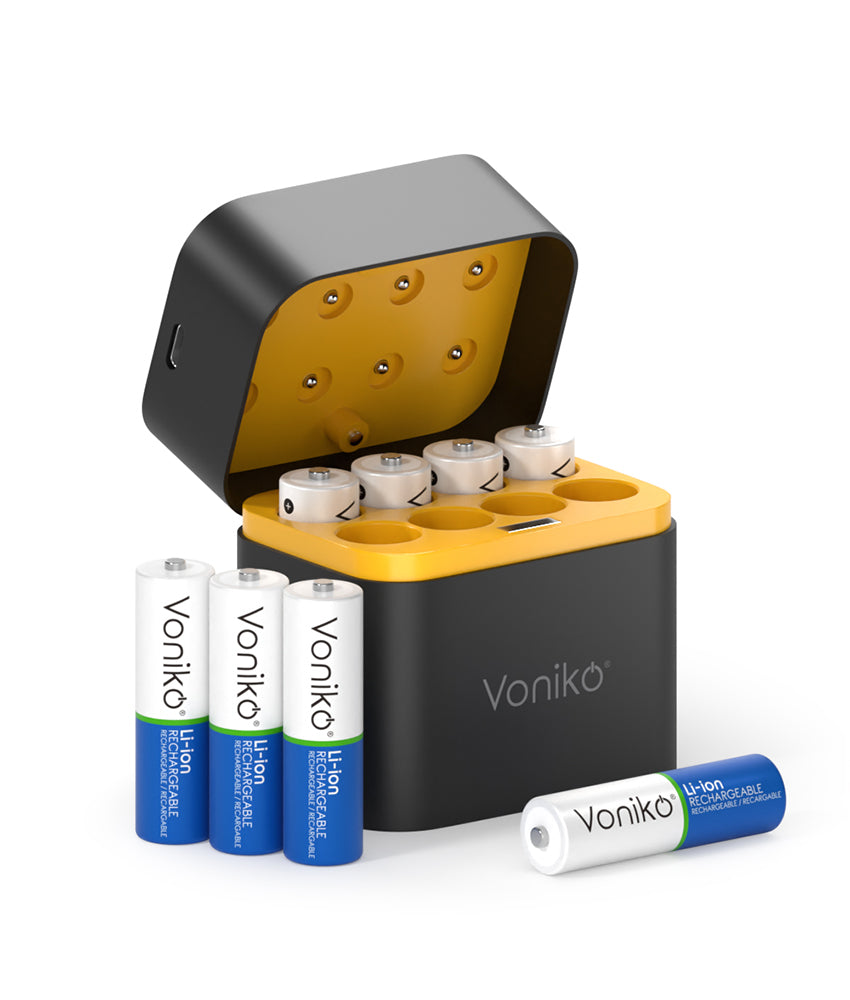
If you're shipping batteries from brands like Voniko Batteries, check the label or product specs to confirm which type you have. For example, lithium coin cells fall into the lithium metal category, while rechargeable batteries are lithium-ion.
USPS Mailing Rules for Lithium Batteries
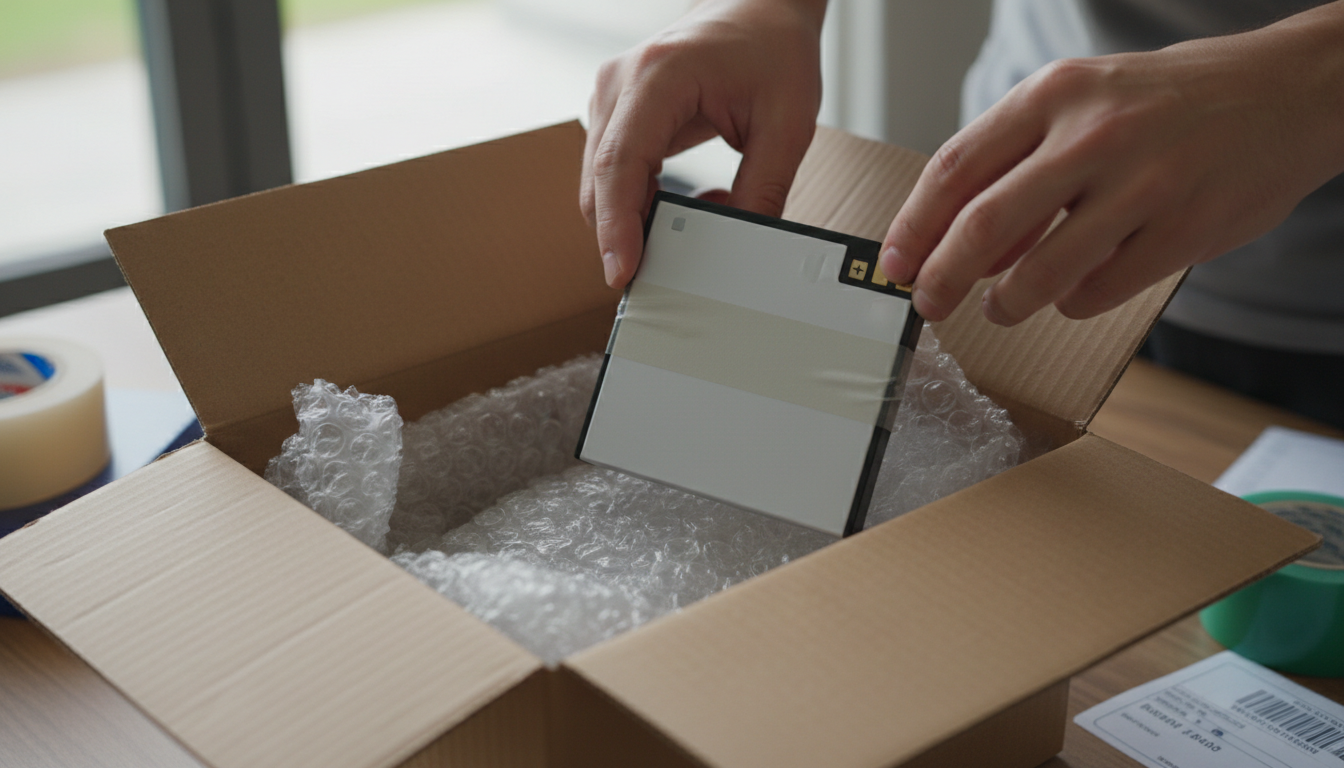
USPS allows lithium batteries installed in or packed with equipment via air or surface transportation domestically, but batteries without equipment can only be mailed via surface transportation. So if you're mailing a phone with its battery inside, you have more shipping options than if you're sending spare batteries alone.
Here's what USPS requires:
For Domestic Shipments:
- Each lithium metal cell cannot contain more than 1 gram of lithium, and each battery cannot contain more than 2 grams of lithium
- Lithium-ion batteries may not exceed 20 Wh for a cell or 100 Wh for a battery
- All packages need a complete return address
- Pre-owned, damaged, or defective devices with lithium batteries must ship via ground transportation only and be marked "Restricted Electronic Device" and "Surface Transportation Only"
For International Shipments: Lithium batteries can only be shipped internationally if installed in the equipment they operate—standalone batteries or cells cannot be shipped to international locations. This applies to all international destinations, including APO/FPO/DPO addresses.
Packaging Requirements That Matter
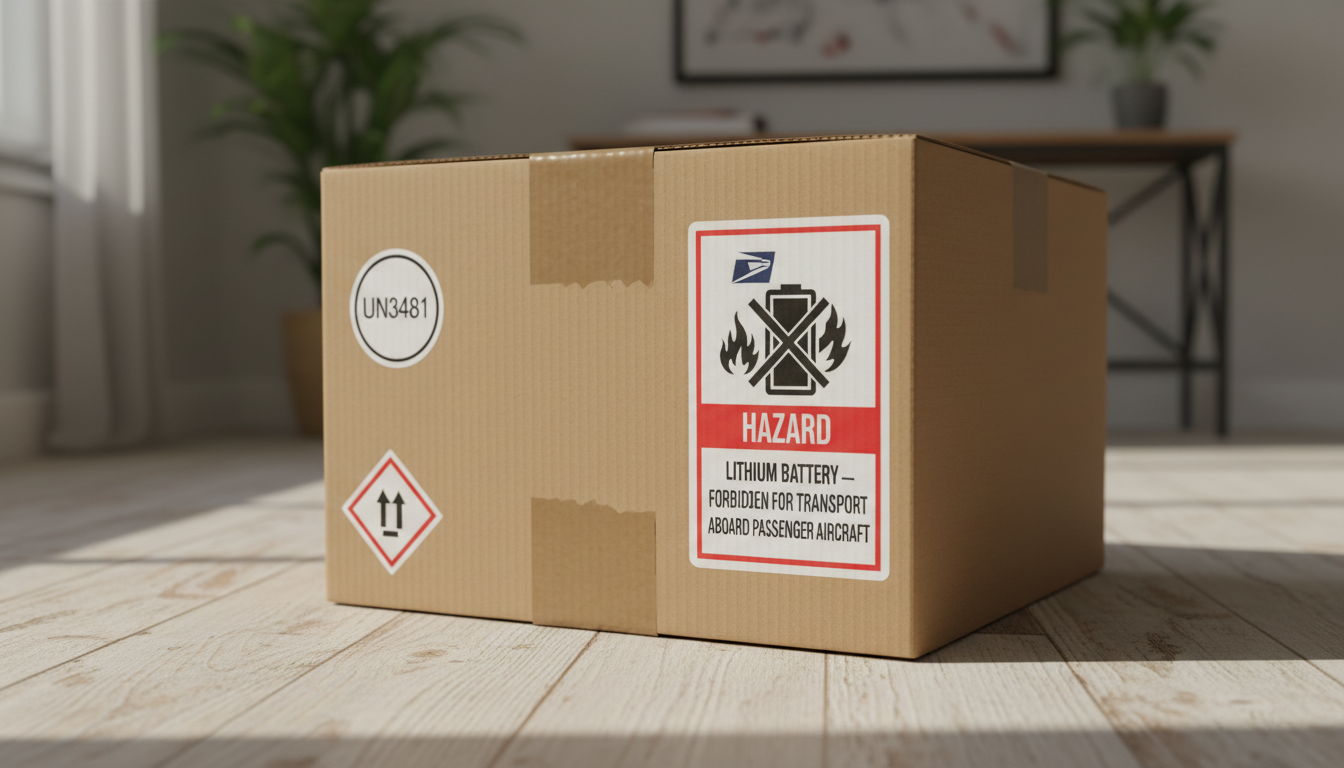
All packages containing lithium batteries must be of sufficient size, sealed, and rigid. A flimsy envelope won't cut it.
Small button cell-type batteries cannot be placed in padded envelopes or poly bag-type outer packaging. They need something more protective. Think sturdy cardboard boxes that won't get crushed during transit.
Your batteries also need protection from short circuits. Battery terminals should not be able to contact other batteries or any other conductive contents or packaging. Wrap each battery individually in plastic or place them in separate plastic bags. Cover exposed terminals with non-conductive tape.
If you're shipping devices powered by batteries—say, a laptop or drill—make sure the device can't accidentally turn on during shipping. Disconnect the battery if possible, or use the device's lock switch and secure it with tape.
Labeling and Marking Your Package
Proper labels aren't optional—they're required by law. Lithium-ion battery shipment outer packaging should be marked with the proper UN number, proper shipping name, and the Class 9 lithium battery hazard label.
If the equipment operates with no more than 4 cells or 2 batteries, the presence of a DOT label is not mandatory. But once you exceed that, you'll need the official lithium battery handling mark.
For standalone batteries shipping via ground, you might need the lithium battery mark that shows handlers this package requires care. The mark includes a phone icon (though a telephone number is no longer required on the lithium battery mark, but marks with phone numbers may continue to be used until December 31, 2026).
UPS and FedEx: What's Different?
Both UPS and FedEx accept lithium batteries, but their rules align with federal regulations while adding some carrier-specific requirements.
UPS restricts damaged, defective, or recalled lithium batteries to ground transportation for the lower 48 states only, excluding Alaska, Hawaii, and certain islands, and requires pre-approval and a specialized service agreement for these shipments.
FedEx follows similar guidelines. FedEx shipments containing permitted IATA Section II lithium batteries are allowed at FedEx Office, FedEx Ship Center, and FedEx Authorized ShipCenter locations, and may be placed in FedEx drop boxes.
Both carriers offer training resources and hazmat support hotlines. If you're regularly shipping batteries, taking advantage of these resources can save you from costly mistakes.
Weight and Size Limits You Can't Ignore
Shipping carriers and regulators set strict limits based on watt-hours (Wh) for lithium-ion batteries and grams of lithium for lithium metal batteries.
Batteries powering scooters, hoverboards, electric skateboards, and e-bikes exceeding 100 Wh cannot be shipped; devices like cellphones with a single cell over 20Wh per cell cannot be mailed; and multiple cell batteries exceeding 100Wh for each battery are nonmailable.
To calculate watt-hours, use this formula: Amps X Volts = Watt Hours. Most manufacturers print the Wh rating on the battery itself.
For transportation by highway or rail only, lithium content may be increased to 5 g for a lithium metal cell or 25 g for a lithium metal battery and 60 Wh for a lithium ion cell or 300 Wh for a lithium ion battery. But these larger batteries must be marked "LITHIUM BATTERIES—FORBIDDEN FOR TRANSPORT ABOARD AIRCRAFT AND VESSEL."
Domestic vs. Air Transportation Rules
For domestic shipping via air, the maximum is 8 cells or 2 batteries with or installed in new or Manufacturer Certified Refurbished equipment in the same package, with a max weight of 11lbs. Individual batteries can be shipped via Surface or Ground Transportation only with a max weight of 5lbs.
Air shipping restrictions exist because lithium battery shipments may overheat and ignite in certain conditions and, once ignited, may be difficult to extinguish. Understanding why lithium batteries catch fire helps explain why these regulations matter.
What About Damaged or Recalled Batteries?
Damaged or recalled individual batteries are prohibited and need approval. Don't try to mail a swollen battery, one that's been dropped and cracked, or any battery subject to a manufacturer recall.
These batteries pose serious fire risks. If you need to return a defective battery under warranty, contact the manufacturer first. They often have special programs with approved shipping methods for returns.
Common Mistakes to Avoid
We've seen people make these errors:
- Using wrong packaging: Putting button batteries in a bubble mailer won't work. Use rigid containers.
- Forgetting to check international restrictions: Individual batteries are prohibited from USPS international shipping.
- Not calculating watt-hours: Just because a battery looks small doesn't mean it's under the limit.
- Skipping labels: Missing the required lithium battery mark can result in your package being returned or you facing fines.
- Shipping batteries at full charge: All lithium batteries shipped under certain conditions must have a state-of-charge of 30 percent because Li-ion is more stable at low SoC than when fully charged.
Tips for Safe Battery Shipping
Here's what we recommend:
- Always verify your battery type and specifications before packaging
- Use new, sturdy boxes—not something that's been sitting in your garage for years
- Insulate terminals with non-conductive tape
- Keep batteries at room temperature before shipping (extreme cold or heat can cause issues)
- Include your contact information inside the package, not just on the outside
- Take photos of your packaging before sealing, especially for valuable shipments
- Consider insurance for expensive battery packs or devices
Shippers must comply with U.S. Department of Transportation and PHMSA standards for preparing shipments containing lithium batteries, and these standards ensure safe transportation, with shippers responsible to comply or risk fines.
Getting Help When You Need It
Still confused? You're not alone. For additional questions on shipping batteries, contact the UPS Hazardous Materials Support Center at 1-800-554-9964. FedEx and USPS have similar support lines.
Your local post office can also verify if your package meets requirements before you drop it off. It's better to ask questions upfront than to have your package returned or delayed.
Conclusion
Yes, you can mail lithium batteries, but doing it right requires following federal regulations and carrier-specific rules. The key points: know your battery type (lithium-ion vs. lithium metal), use proper rigid packaging that prevents short circuits, apply correct labels, and understand the differences between domestic ground, domestic air, and international shipping.
Batteries installed in devices have more shipping options than standalone batteries. Damaged batteries need special handling and often can't be shipped through regular channels. And when in doubt, ship via ground transportation—it's safer and has fewer restrictions.
Whether you're shipping alkaline batteries, lithium batteries, or other battery types, taking time to understand these rules protects everyone involved. The regulations might seem strict, but they exist for good reason—lithium batteries pack tremendous energy into small packages, and that energy needs respect during transport.
FAQs
Can I mail lithium batteries through USPS?
Yes, USPS accepts lithium batteries under specific conditions. Batteries installed in devices can ship via air or ground domestically. Standalone batteries must ship via ground transportation only. Each lithium metal cell can contain up to 1 gram of lithium (2 grams for batteries), and lithium-ion batteries cannot exceed 100 Wh. All packages need rigid containers and proper labeling.
What's the difference between shipping lithium-ion and lithium metal batteries?
Lithium-ion batteries are rechargeable (like those in phones and laptops), while lithium metal batteries are non-rechargeable (like coin cells and some AA batteries). Both can be shipped, but they have different size limits. Lithium-ion batteries are limited to 100 Wh, while lithium metal batteries can contain up to 2 grams of lithium. The packaging and labeling requirements are similar for both types.
Can I ship lithium batteries internationally?
Only if they're installed in the equipment they operate. You cannot ship standalone lithium batteries or loose cells internationally through USPS, even to APO/FPO/DPO addresses. The batteries must be properly installed in devices like phones, cameras, or laptops. You'll also need to verify that the destination country accepts lithium batteries and complete proper customs forms.
Do I need special labels when shipping batteries?
It depends on what you're shipping. If you're mailing a device with 4 or fewer cells or 2 or fewer batteries installed, you typically don't need a DOT lithium battery label for ground shipping. But standalone batteries and larger shipments require the official lithium battery handling mark with the proper UN number. Damaged batteries need "Restricted Electronic Device" and "Surface Transportation Only" markings.
What happens if I ship lithium batteries incorrectly?
Shipping lithium batteries without following regulations can result in fines ranging from $250 to $100,000 per violation, plus cleanup costs and damages if an incident occurs. Your package may be returned, delayed, or destroyed. More seriously, improperly packaged batteries can overheat, catch fire, and endanger postal workers, transportation personnel, and other packages. Always follow the rules—they protect everyone.